
Generating leads is crucial for growing your business. A good lead generation system can make this process efficient and effective.
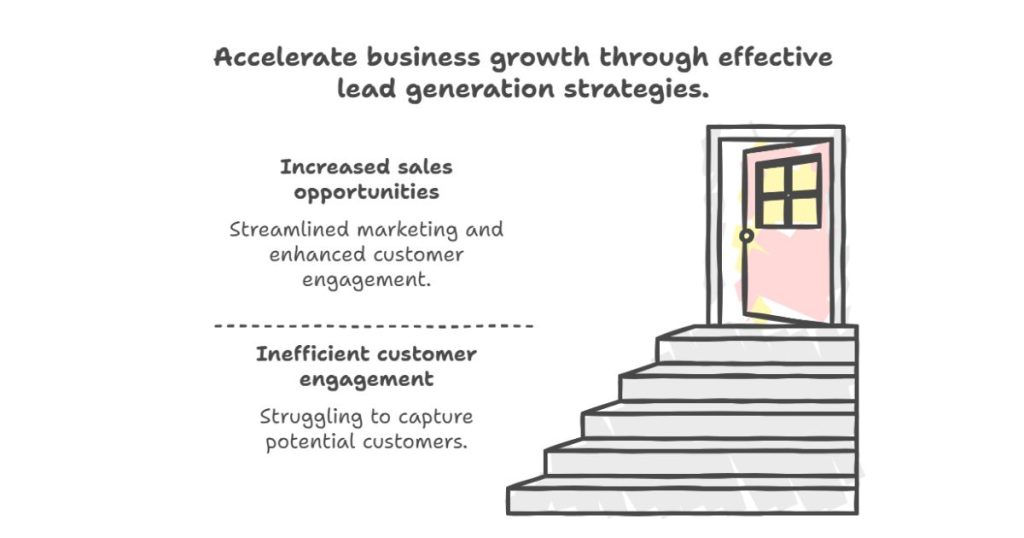
But what is a lead generation system, and why is it important? A lead generation system helps businesses attract potential customers. It uses various strategies to capture interest and gather contact information. This system can streamline your marketing efforts and boost your sales.
In today’s digital age, having a reliable lead generation system is essential. It ensures that you are always reaching out to new prospects. This keeps your sales pipeline full and your business growing. Understanding how to set up and optimize such a system can give you a competitive edge. So, let’s dive into the world of lead generation systems and explore how they can benefit your business.
Introduction To Lead Generation
Lead generation is the process of attracting potential customers. This involves identifying and cultivating individuals or businesses interested in your products. A well-defined lead generation system helps convert these prospects into paying customers. Understanding lead generation is crucial for any business seeking growth and success.
Importance Of Leads
Leads are the lifeblood of any business. They represent potential customers interested in your offerings. Without leads, a business cannot grow or thrive. Generating quality leads ensures a steady stream of potential customers. This keeps the sales pipeline full and the business thriving.
Impact On Business Growth
Quality leads directly impact business growth. They increase the chances of conversions and sales. A strong lead generation system helps in building a loyal customer base. This results in increased revenue and market share. Consistent lead generation also provides valuable insights into customer needs. This allows businesses to improve their products and services.
Types Of Lead Generation
Generating leads is essential for any business. Leads are potential customers interested in your product or service. Understanding the different types of lead generation can help you attract and convert these prospects more effectively. Let’s explore the two main types: inbound and outbound lead generation.
Inbound Lead Generation
Inbound lead generation attracts potential customers to your business. It involves creating valuable content that draws people in. This can include blog posts, social media updates, and videos. The goal is to engage prospects and build trust. You want them to come to you naturally. SEO is crucial in inbound marketing. Optimizing your content helps it rank higher on search engines. This increases visibility and attracts more leads.
Another effective method is email marketing. Offering useful information in newsletters can keep your audience engaged. They are more likely to become paying customers. Inbound strategies focus on providing value. This builds long-term relationships with potential customers.
Outbound Lead Generation
Outbound lead generation involves reaching out to potential customers. This can include cold calling, direct mail, and email campaigns. It’s a proactive approach. You contact prospects first, rather than waiting for them to find you. Outbound methods can be highly targeted. You can reach specific groups of people who might be interested in your product.
Advertising is another key component. Ads on social media, search engines, and other platforms can generate leads. They help you reach a broader audience. Outbound strategies can be quicker. They often produce immediate results. Combining both inbound and outbound methods can be very effective. Each has its strengths and can complement the other.
Lead Generation Strategies
Effective lead generation strategies are crucial for any business seeking growth. These strategies help attract potential customers and convert them into leads. By implementing the right techniques, businesses can nurture relationships and drive sales. Below are some effective lead generation strategies.
Content Marketing
Content marketing is a powerful tool for generating leads. By creating valuable and relevant content, businesses can attract and engage their target audience. This method builds trust and positions the business as an industry leader.
Consider the following content marketing techniques:
- Blog posts: Write informative and engaging blog posts.
- eBooks: Offer in-depth guides on topics relevant to your audience.
- Webinars: Host live sessions to discuss industry trends and solutions.
- Infographics: Use visual content to simplify complex information.
Consistently producing high-quality content will drive organic traffic. This will increase the chances of converting visitors into leads.
Email Marketing
Email marketing remains one of the most effective lead generation strategies. By reaching out to potential customers directly, businesses can nurture leads and build lasting relationships. Personalization is key in email marketing. Tailor your messages to address the specific needs and interests of your audience.
Here are some email marketing tips:
- Segment your audience: Group your contacts based on their interests and behaviors.
- Personalize your emails: Use the recipient’s name and customize the content.
- Offer value: Provide useful information, exclusive offers, and helpful resources.
- Use compelling subject lines: Grab attention with clear and engaging subject lines.
Tracking and analyzing email performance is crucial. Monitor open rates, click-through rates, and conversions to refine your strategy.
Tools For Lead Generation
Lead generation is crucial for any business looking to grow. The right tools can help you capture and convert leads efficiently. Let’s explore some essential tools for lead generation that can streamline your efforts and maximize results.
CRM Systems
Customer Relationship Management (CRM) systems are essential for managing leads. They help you track interactions, store contact information, and manage sales pipelines. Popular CRM systems include Salesforce, HubSpot, and Zoho CRM. These platforms offer user-friendly interfaces and powerful features. They help businesses stay organized and focused on building relationships with prospects. CRMs also provide valuable insights through analytics and reporting. This data helps you make informed decisions and improve your lead generation strategies.
Automation Tools
Automation tools save time and improve efficiency. They handle repetitive tasks like email marketing, social media posting, and lead scoring. Tools like Mailchimp, Zapier, and ActiveCampaign are popular choices. They allow you to create automated workflows and nurture leads without constant manual effort. Automation tools also ensure consistent communication with your audience. This keeps your brand top-of-mind and increases the chances of converting leads into customers.
Optimizing Lead Conversion
Optimizing lead conversion is crucial for any lead generation system. Converting leads into customers boosts revenue and ensures business growth. This section covers key strategies for enhancing lead conversion.
Landing Page Optimization
A well-optimized landing page can significantly improve lead conversion rates. First, ensure your landing page loads quickly. Slow pages frustrate visitors, leading to higher bounce rates. Use high-quality images and concise, persuasive text to attract attention. Keep your forms short and simple. Ask only for essential information to avoid overwhelming users.
Call-to-action Techniques
Effective call-to-action (CTA) techniques drive conversions. Make your CTA buttons stand out with contrasting colors. Use action-oriented language that encourages users to click. Place your CTA buttons in prominent locations on your page. Test different variations to find what works best for your audience. Clear and compelling CTAs can lead to higher conversion rates.
Measuring Lead Generation Success
Understanding the success of your lead generation system is crucial. It helps refine strategies and improve overall performance. Measuring lead generation success involves tracking various metrics. Using analytics tools can provide deeper insights into your lead generation efforts.
Key Metrics
Tracking the right metrics ensures you understand your lead generation performance. Here are some key metrics to consider:
- Conversion Rate: The percentage of visitors who become leads.
- Cost Per Lead (CPL): The amount spent to acquire a new lead.
- Lead Quality: The potential value of a lead to your business.
- Time to Conversion: The average time taken for a lead to convert.
- Lead Source: The origin of your leads, such as social media or email campaigns.
Analytics Tools
Utilizing analytics tools can enhance your understanding of lead generation success. Here are some popular tools:
- Google Analytics: Tracks website traffic and user behavior.
- HubSpot: Offers comprehensive lead tracking and reporting features.
- Marketo: Provides detailed insights into marketing automation.
- Salesforce: Combines CRM with robust lead tracking capabilities.
- SEMrush: Analyzes SEO performance and lead generation campaigns.
Below is a simple comparison table for these tools:
| Tool | Key Feature |
|---|---|
| Google Analytics | Website Traffic Analysis |
| HubSpot | Lead Tracking & Reporting |
| Marketo | Marketing Automation Insights |
| Salesforce | CRM with Lead Tracking |
| SEMrush | SEO Performance Analysis |
Challenges In Lead Generation
Lead generation is crucial for business growth. Yet, it often comes with challenges. These challenges can hinder the process and reduce efficiency. Understanding these obstacles is the first step to overcoming them.
Common Obstacles
One major challenge is targeting the right audience. Reaching out to the wrong people wastes time and resources. Another issue is generating high-quality leads. Many leads may not be interested or ready to buy.
Tracking and measuring lead generation efforts can also be difficult. Without proper metrics, it is hard to know what works. Many businesses struggle with integrating new technologies. Keeping up with trends and tools is essential but challenging.
Overcoming Barriers
To target the right audience, start with thorough research. Understand your ideal customer’s needs and preferences. Use data and analytics to refine your approach. Focus on generating high-quality leads by offering valuable content. Provide solutions that address potential customers’ problems.
For tracking and measuring efforts, use reliable tools. Implement CRM systems to monitor lead interactions. Regularly review and adjust your strategies based on data. Stay updated with industry trends and technologies. Attend webinars, read articles, and join professional groups.
Integrate new tools gradually. Train your team to use these tools effectively. Invest in ongoing education to keep everyone up-to-date. Overcoming these barriers can make your lead generation system more effective and efficient.
Future Trends In Lead Generation
The future of lead generation is rapidly evolving. Businesses must adapt to stay competitive. Emerging technologies and strategies are shaping the way leads are captured and nurtured. Understanding these trends can help you stay ahead.
Ai And Machine Learning
AI and machine learning are transforming lead generation. These technologies analyze vast amounts of data. They identify patterns and predict customer behavior. AI can automate tasks, saving time and reducing errors. Machine learning algorithms improve over time. This leads to more accurate targeting and higher-quality leads.
Chatbots powered by AI engage with visitors in real-time. They answer queries and collect information. This makes lead capture more efficient. Predictive analytics helps in scoring leads based on their likelihood to convert. Businesses can focus their efforts on the most promising leads.
Personalization
Personalization is key in modern lead generation. Consumers expect tailored experiences. Generic messages no longer work. Personalization involves using data to understand individual preferences. It creates customized content and offers.
Email campaigns can be personalized based on user behavior. This increases open rates and engagement. Personalized landing pages enhance user experience. They match the visitor’s interests and increase conversion rates. Using CRM systems helps track customer interactions. This data is used to tailor future communications.
In conclusion, the future of lead generation lies in leveraging AI and personalization. These trends ensure more efficient and effective lead capture. Staying updated with these trends will keep your business competitive.
Frequently Asked Questions
What Is A Lead Generation System?
A lead generation system captures and manages potential customer interest. It uses various marketing strategies to attract prospects. The goal is to nurture leads into paying customers.
How Does Lead Generation Work?
Lead generation works by collecting contact information from interested prospects. This data is then used for targeted marketing. Effective strategies include content marketing, social media campaigns, and email marketing.
Why Is Lead Generation Important?
Lead generation is crucial for business growth. It helps identify and attract potential customers. This process increases sales opportunities and drives revenue.
What Tools Are Used In Lead Generation?
Common lead generation tools include CRM software, email marketing platforms, and landing page builders. These tools streamline the process. They help in capturing, nurturing, and converting leads.
Conclusion
A strong lead generation system boosts business growth. It captures potential customers effectively. This process increases sales and builds relationships. It’s essential to refine your strategies regularly. Stay updated with new trends and tools. Consistent efforts lead to better results over time.
Remember, every lead is a potential customer. Treat them with care and respect. Your business success depends on effective lead generation. Keep improving and watch your business thrive.