
In today’s competitive business world, customer relationships are crucial. A CRM system helps manage these relationships effectively.
A CRM, or Customer Relationship Management system, is more than just a software tool. It’s a strategy that helps businesses stay connected with their customers, streamline processes, and improve profitability. With a CRM system, companies can manage customer interactions, track sales, and automate many tasks.
This leads to better customer service and increased sales. Understanding the benefits of a CRM system can help you make informed decisions for your business. In this blog post, we will explore the many advantages a CRM system can offer, helping you understand how it can be a valuable asset for your company.
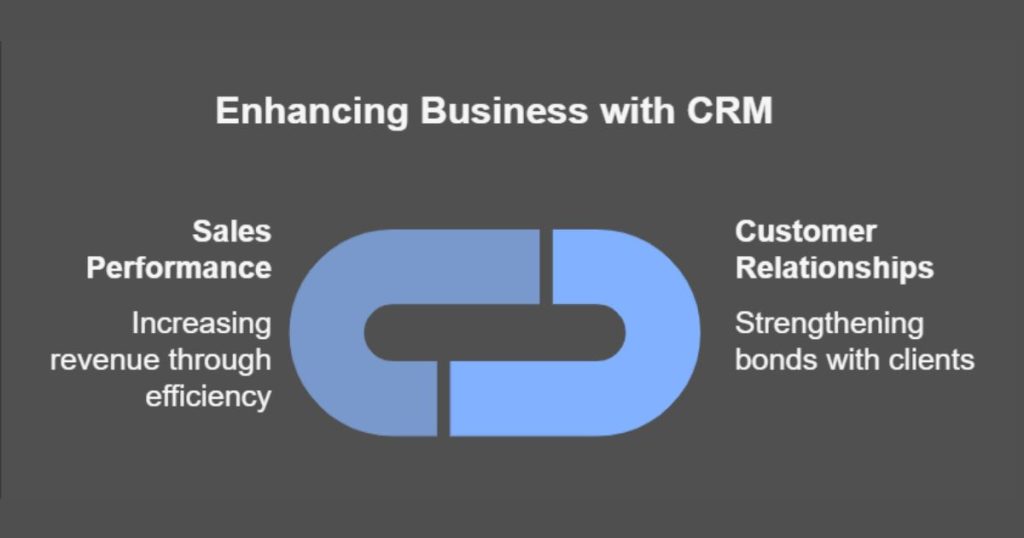
Introduction To CRM Systems
Businesses today face many challenges. One key tool helps manage these challenges: CRM systems. CRM stands for Customer Relationship Management. These systems help companies organize and track customer interactions. They also store important customer data. This data helps improve customer service and sales.
What Is A CRM?
CRM is software that helps businesses manage customer information. It keeps track of customer contacts, sales, and support cases. A CRM system can be simple or complex. It depends on the needs of the business. The main goal is to improve customer relationships. Better relationships lead to more sales and repeat customers.
Importance In Modern Business
In the modern world, customers expect quick and personalized service. A CRM system helps meet these expectations. It gives employees access to customer history and preferences. This information allows for better and faster service. It also helps with marketing. Businesses can create targeted campaigns using customer data. This increases the chances of success.
Another benefit is improved teamwork. A CRM system keeps all customer data in one place. This means everyone in the company can access the same information. This leads to better communication and collaboration. It also helps avoid mistakes. No more lost emails or forgotten phone calls.
Enhancing Customer Relationships
In today’s competitive market, building strong customer relationships is key to success. A CRM (Customer Relationship Management) system can help you do just that. With the right CRM, you can ensure that every interaction you have with your customers is meaningful and effective. It’s like having a personal assistant that remembers all the important details for you. Let’s explore how a CRM system can enhance your customer relationships.
Personalized Customer Interactions
Ever wished you could remember every customer’s birthday, their favorite product, or the last conversation you had with them? A CRM system makes this possible. It collects and stores all relevant customer data in one place. This way, you can personalize every interaction, making your customers feel valued and understood. Personalized interactions can turn a one-time buyer into a loyal customer.
- Detailed Customer Profiles: Know your customers better with comprehensive profiles that include their purchase history, preferences, and more.
- Tailored Communication: Send personalized emails and messages based on customer data, ensuring your communications are always relevant.
- Improved Customer Engagement: Engage with your customers in a way that resonates with them, building stronger connections.
Improving Customer Satisfaction
Happy customers are the best customers. A CRM system helps you keep your customers satisfied by ensuring their needs are met promptly and efficiently. It can track customer inquiries, manage support tickets, and provide quick solutions to issues. When customers feel heard and valued, their satisfaction levels soar.
- Efficient Issue Resolution: Quickly address customer concerns with a well-organized ticketing system that tracks and manages support requests.
- Proactive Customer Service: Anticipate customer needs and resolve issues before they escalate, enhancing the overall customer experience.
- Consistent Communication: Maintain consistent and clear communication with customers, ensuring they are always in the loop.
Investing in a CRM system is like giving your customer service a superpower. It helps you remember the little things and address the big things with ease. When you make your customers feel special and valued, they will keep coming back, and they might even bring their friends along! So, why wait? Start enhancing your customer relationships today with a reliable CRM system.
Streamlining Sales Processes
Streamlining sales processes is crucial for any business. A CRM system helps achieve this by organizing and automating various tasks. This leads to more efficient and effective sales efforts. Let’s explore how a CRM system can streamline your sales processes.
Automating Sales Tasks
Manual tasks take up a lot of time. A CRM system automates these tasks. This includes sending follow-up emails and updating customer records. Automation saves time and reduces errors. Your sales team can focus on selling instead of repetitive tasks.
Tracking Sales Performance
Tracking sales performance is important. A CRM system provides detailed reports and analytics. These insights help you understand sales trends and performance. You can identify top-performing products and salespeople. This data helps in making informed decisions. It also helps in setting realistic goals for your team.
Centralized Data Management
In today’s fast-paced business environment, managing customer relationships effectively is crucial for success. One of the most significant advantages of a CRM (Customer Relationship Management) system is its ability to centralize data management. This feature ensures that all your customer information is stored in one place, making it accessible and organized. Let’s delve deeper into the benefits of centralized data management with a focus on unified customer information and data security and privacy.
Unified Customer Information
Have you ever felt lost in a sea of customer data? With a CRM system, you can kiss those days goodbye. By centralizing customer information, a CRM system provides a unified view of each customer. From contact details to purchase history and interaction logs, everything is at your fingertips. This unified approach ensures that your team can easily access and update customer records, leading to better service and improved customer satisfaction. Imagine never having to scramble for information during a crucial call again!
Here’s a quick overview of how unified customer information can help your business:
- Easy Access: All customer data is stored in one place, making it easy to access and manage.
- Improved Communication: Your team can see all past interactions, ensuring consistent and informed communication.
- Enhanced Customer Insights: Centralized data helps in analyzing customer behavior and preferences.
Data Security And Privacy
In a world where data breaches are becoming increasingly common, ensuring the security and privacy of customer information is paramount. A CRM system offers robust security measures to protect your data. With features like encryption, user authentication, and access controls, you can rest assured that your customer information is safe from unauthorized access.
Let’s break down the key security benefits:
- Encryption: Sensitive data is encrypted, making it unreadable to unauthorized users.
- User Authentication: Only authorized personnel can access the CRM system, reducing the risk of data breaches.
- Access Controls: Customize access levels to ensure that employees only see the data relevant to their role.
Remember the last time you worried about a data leak? With a CRM system, those worries can be a thing of the past.
In conclusion, a CRM system’s centralized data management not only streamlines your customer information but also ensures that it is secure and private. By leveraging these benefits, your business can offer exceptional customer service and build stronger relationships. So, why not give your team the tools they need to succeed?
Improving Customer Retention
Customer retention plays a crucial role in the success of any business. Retaining customers ensures steady revenue and reduces costs. A CRM system can significantly improve customer retention by providing the right tools and insights.
Customer Loyalty Programs
A CRM system helps businesses create effective customer loyalty programs. These programs reward customers for their repeat business. They can include discounts, exclusive deals, and special offers. The CRM system tracks customer interactions and purchases. This data helps tailor the loyalty programs to individual preferences. Happy customers stay longer and keep coming back.
Predicting Customer Needs
Understanding customer needs is vital for retention. A CRM system collects and analyzes customer data. This analysis helps predict future customer needs and preferences. By anticipating these needs, businesses can provide personalized experiences. This approach increases customer satisfaction and loyalty. Meeting customer expectations ensures they remain engaged and loyal.
Boosting Team Collaboration
Boosting team collaboration is one of the key benefits of a CRM system. Teams need to work together seamlessly. CRM systems help make this possible. They ensure everyone has access to the same information. This reduces misunderstandings and errors. It also speeds up decision-making processes.
Sharing Customer Insights
A CRM system allows teams to share customer insights easily. Sales, marketing, and support teams can all access the same data. This creates a unified view of each customer. Knowing customer history helps teams provide better service. It also helps them anticipate customer needs. This shared knowledge can lead to more personalized interactions. And it can build stronger customer relationships.
Coordinating Sales Efforts
Coordinating sales efforts is easier with a CRM system. Sales teams can track interactions with potential customers. They can also see the progress of deals in the pipeline. This helps avoid overlap and ensures efforts are not duplicated. Sales managers can assign tasks and monitor progress. They can make adjustments as needed. This leads to more efficient sales processes. And it helps close deals faster.
Increasing Revenue
Increasing revenue is a top priority for any business, and a Customer Relationship Management (CRM) system can be a game-changer in this area. By leveraging the capabilities of a CRM, businesses can streamline their sales processes, enhance customer interactions, and ultimately, boost their bottom line. Let’s delve into how a CRM can help in increasing revenue through various strategies.
Upselling And Cross-selling
One of the major ways a CRM system can help increase revenue is through upselling and cross-selling. With a CRM, sales teams can easily access detailed customer data, including purchasing history and preferences. This information is invaluable for identifying opportunities to offer customers additional products or services that complement their previous purchases.
- Upselling: Encouraging customers to purchase a higher-end product or an upgrade.
- Cross-Selling: Suggesting related products that add value to the customer’s original purchase.
Imagine a customer who buys a smartphone. The CRM system can prompt the sales team to offer a protective case or a premium data plan. These suggestions not only meet the customer’s needs but also increase the average transaction value, boosting revenue.
Identifying New Opportunities
A CRM system is also instrumental in identifying new opportunities. By analyzing customer data and market trends, businesses can uncover potential areas for growth that may have been previously overlooked.
- Market Segmentation: Dividing the customer base into segments based on various criteria such as demographics, buying behavior, and preferences.
- Lead Scoring: Assigning scores to leads based on their likelihood to convert, allowing sales teams to prioritize high-potential prospects.
For instance, a CRM can reveal that a significant number of customers are interested in a particular product feature. This insight can lead to the development of new product lines or the enhancement of existing ones, thus opening new revenue streams.
In conclusion, a CRM system is not just a tool for managing customer relationships; it is a powerful asset for driving revenue growth. By leveraging its features for upselling, cross-selling, and identifying new opportunities, businesses can maximize their sales potential and achieve sustainable growth. So, what are you waiting for? Embrace the power of CRM and watch your revenue soar!
Choosing The Right CRM System
Choosing the right CRM system is vital for your business success. A good CRM helps manage customer relationships effectively. It also boosts your sales and improves customer satisfaction. But how do you pick the right one?
Key Features To Look For
Look for a CRM with contact management features. It should store customer information. This helps in tracking interactions. Another important feature is task automation. Automate repetitive tasks to save time. Reporting and analytics are also crucial. They help in making informed decisions.
Ensure the CRM has email integration. This allows seamless communication with customers. Mobile access is another key feature. It lets you access the CRM on the go. Customization options are important too. They allow the CRM to fit your business needs.
Evaluating CRM Options
Start by listing your business requirements. This helps in narrowing down choices. Check the user interface of each CRM. It should be easy to use. Read online reviews and testimonials. They provide insights into the CRM’s performance.
Consider the cost of the CRM. Ensure it fits your budget. Look for a CRM with good customer support. This ensures you get help when needed. Lastly, take advantage of free trials. Test the CRM to see if it meets your needs.
Implementing A CRM System
So, you’ve decided to take the plunge and implement a CRM system for your business. Good choice! A CRM, or Customer Relationship Management system, can streamline your processes, enhance customer interactions, and boost your bottom line. But, the journey to a fully functioning CRM system doesn’t happen overnight. It requires careful planning and execution. Let’s walk through some key steps to ensure your CRM implementation is a success.
Training And Support
Imagine buying a fancy new gadget but not knowing how to use it. Frustrating, right? The same goes for a CRM system. Training and support are crucial for a smooth transition. Here’s what you need to consider:
- Comprehensive Training Sessions: Ensure all users, from sales teams to customer service reps, receive thorough training. They need to know how to navigate the system and make the most of its features.
- Ongoing Support: Problems don’t always pop up right away. Have a support system in place for when questions or issues arise. This could be an in-house team or external consultants.
- Accessible Resources: Provide manuals, video tutorials, and FAQs. The more resources available, the easier it is for your team to learn and adapt.
Best Practices For Adoption
Getting everyone on board with the new CRM system can be a challenge. Here are some best practices to ensure smooth adoption:
- Communicate Benefits: Explain how the CRM system will make everyone’s job easier and improve customer satisfaction. People are more likely to embrace change if they see the value.
- Start Small: Don’t overwhelm your team by rolling out all features at once. Start with the basics and gradually introduce more functionalities.
- Gather Feedback: Regularly ask for feedback from users. This can help identify any issues early on and make necessary adjustments.
- Lead by Example: Ensure that management uses the CRM system. When leaders use the system, it sets a precedent and encourages everyone else to follow suit.
Implementing a CRM system might seem daunting, but with the right approach, it can be a game-changer for your business. Remember, it’s not just about the technology; it’s about how you use it to build better relationships with your customers.
Future Trends In CRM Technology
The future of CRM technology is evolving rapidly. With new advancements, businesses can expect smarter, more efficient systems. These trends will shape how companies interact with their customers.
Ai And Automation
AI and automation are transforming CRM systems. They help streamline tasks and improve customer interactions. AI can analyze data to predict customer needs. This allows businesses to offer personalized experiences. Automation takes care of repetitive tasks. This saves time and reduces errors. Together, AI and automation make CRM systems more effective.
Mobile CRM Solutions
Mobile CRM solutions are becoming essential. They allow access to customer data on the go. Sales teams can update information from anywhere. This improves response times and customer satisfaction. Mobile CRMs also support real-time collaboration. Teams can work together, even when they are not in the office. This flexibility boosts productivity and keeps everyone connected.
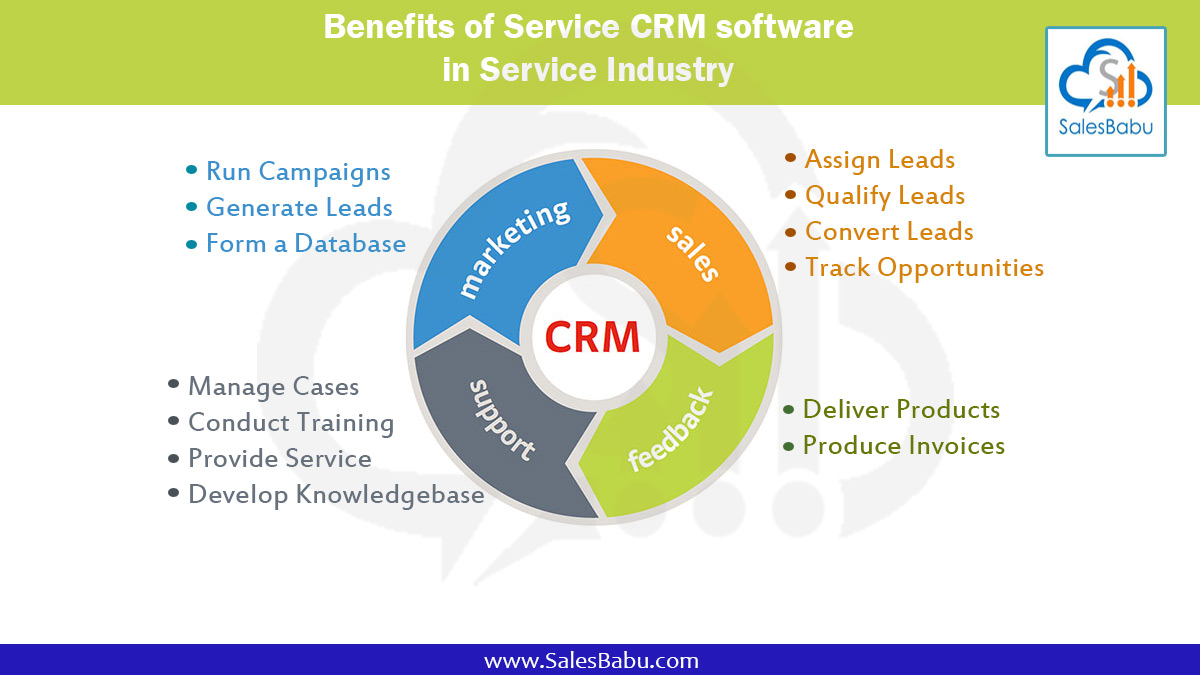
Frequently Asked Questions
What Are The 5 Benefits Of CRM?
CRM improves customer relationships, boosts sales, enhances customer service, streamlines processes, and provides valuable data insights.
What Is A CRM And Why Is It Useful?
A CRM (Customer Relationship Management) system helps businesses manage interactions with customers. It improves sales, customer service, and marketing efficiency.
What Are The Pros And Cons Of A CRM?
CRM pros: Enhances customer relationships, improves sales, streamlines processes, and provides data insights. CRM cons: Can be costly, time-consuming to implement, requires training, and may face integration issues.
What Is Advantage CRM?
Advantage CRM enhances customer relationship management. It improves sales, streamlines processes, and increases customer satisfaction. Businesses can manage interactions effectively.
Conclusion
A CRM system offers many advantages for businesses. It improves customer relationships, streamlines processes, and boosts productivity. With organized data, teams can work more efficiently. You gain insights into customer behavior, which helps in making better decisions. It also enhances communication within your team.
Plus, it saves time by automating tasks. Investing in a CRM system is smart. It helps your business grow and succeed. So, consider implementing a CRM system today. It’s a step towards better business management.