
Building a strong community is essential for any organization. It fosters connection, engagement, and growth.
A community builder is a person or tool that creates and nurtures communities. They bring people together and help them connect. This role is crucial in today’s digital age, where online communities are growing rapidly. A community builder uses strategies to engage members, encourage participation, and maintain a positive atmosphere.
They understand the importance of meaningful interactions and ensure that everyone feels valued. Whether you’re looking to create a local group or an online forum, the right community builder can make a significant difference. This blog post will delve into the key aspects of being a successful community builder and how it can benefit your organization.
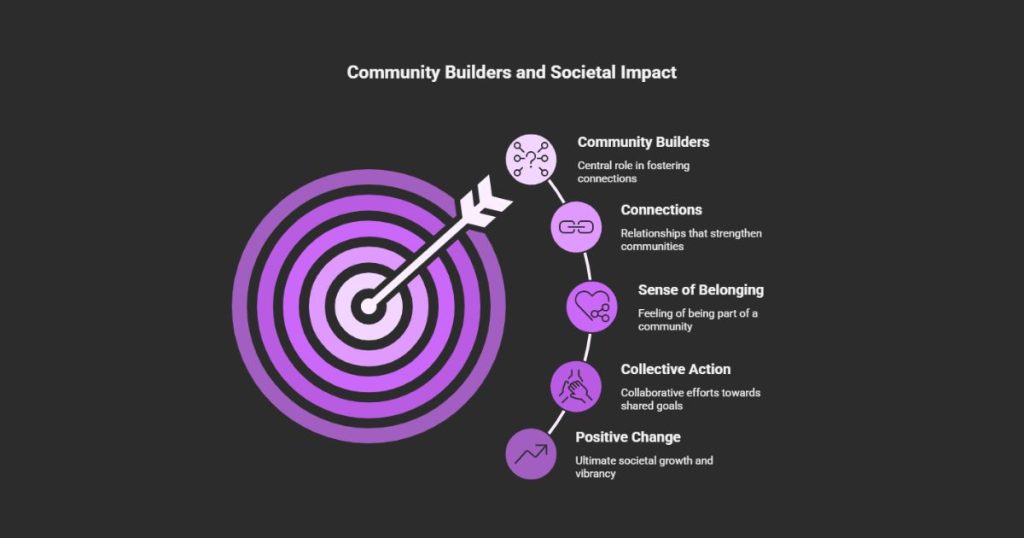
The Importance Of Community
Community Builder highlights the importance of fostering connections among people. It helps create strong, supportive networks. This strengthens relationships and fosters a sense of belonging.
Building a community is like planting seeds for a thriving garden. It takes time, effort, and a genuine interest in seeing others grow. But the rewards are immense. When people feel they belong, they engage more deeply, share more freely, and support each other unconditionally.
A strong community fosters connections that can change lives.
Have you ever felt isolated in your work or personal life? That’s where community comes in. By connecting with others, you gain access to a network of support, ideas, and opportunities.
Communities offer a sense of belonging. You no longer feel like you’re navigating challenges alone. Instead, you have a group of people who understand your journey and can offer valuable insights.
#### Building Trust
Trust is the bedrock of any community.
When people trust each other, they are more willing to share their thoughts and ideas. This openness leads to collaboration and innovation.
Think about your own experiences. Have you ever been part of a group where trust was low? It’s tough to make progress. On the other hand, in a high-trust environment, people feel safe to take risks and express their true selves.
How can you build trust in your community? Start by being consistent and transparent in your actions. Show empathy and listen actively to others. Over time, these small actions build a foundation of trust that can withstand any challenge.
Creating a community isn’t just about gathering people together. It’s about fostering meaningful connections and trust. When you do this, you create a space where everyone can thrive.
Traits Of Effective Community Builders
Effective community builders are empathetic, excellent listeners, and proactive in their approach. They foster connections, encourage participation, and create a supportive environment. Their dedication helps build trust and unity among members.
Building a strong community is no small feat. It requires a blend of personal qualities and skills that bring people together and foster a sense of belonging. Effective community builders possess a few key traits that make them successful in creating vibrant and engaged communities. Let’s dive into two of these essential traits: empathy and understanding, and active listening.
Empathy And Understanding
Empathy is the cornerstone of effective community building. It means putting yourself in someone else’s shoes and genuinely understanding their feelings and perspectives. For example, when a community member shares a personal story or concern, an empathetic community builder will acknowledge their experience and respond with compassion.
Understanding goes hand in hand with empathy. It involves taking the time to learn about the diverse backgrounds and needs of community members. Consider hosting regular check-ins or casual meet-ups to get to know your community better. This not only helps in building trust but also ensures that everyone feels seen and valued.
Active Listening
Active listening is more than just hearing words; it’s about fully engaging with the speaker and showing that you value their input. This can be as simple as maintaining eye contact and nodding during conversations. It’s about making the other person feel heard.
As a community builder, practice asking open-ended questions to encourage deeper discussions. Instead of asking, “Do you like our latest event?” you could ask, “What did you enjoy most about our latest event and why?” This invites more detailed responses and shows that you care about their opinions.
Reflect on your interactions and think about how you can improve your listening skills. Are you interrupting or finishing sentences for others? Are you thinking about your response while the other person is still speaking? Small adjustments can make a big difference.
Developing these traits takes time and effort, but the rewards are immense. You’ll build a more connected, supportive, and engaged community. What steps will you take today to become a more empathetic and active listener in your community?
Strategies For Building Strong Communities
Building strong communities requires thoughtful strategies and consistent effort. By creating a safe and welcoming environment, you can foster a sense of belonging. Encouraging active participation helps to build trust and engagement. Together, these strategies can create a vibrant and supportive community.
Creating Safe Spaces
Safe spaces are crucial for any community. They provide a place where members feel secure. These spaces allow individuals to express themselves without fear. Establish clear guidelines for behavior. Ensure that everyone understands and respects these rules. Offer support for those who may feel marginalized. Address any issues of harassment or bullying promptly. A safe community is a thriving community.
Encouraging Participation
Active participation strengthens community bonds. Encourage members to share their ideas. Host regular events where everyone can contribute. Recognize and celebrate contributions. This makes members feel valued. Provide various ways for people to get involved. Some may prefer online forums, while others like in-person events. The key is to make participation easy and rewarding. Engaged members are more likely to remain loyal to the community.
Role Of Technology In Community Building
Technology has transformed the way communities are built and sustained. It provides tools that bring people together, regardless of their physical location. Through various digital platforms, individuals can connect, share, and collaborate. This section explores the pivotal role of technology in community building.
Online Platforms
Online platforms are vital in community building. They offer spaces where people with common interests can meet. Forums, blogs, and dedicated websites serve as hubs for interaction. These platforms allow for the exchange of ideas and information. They also foster a sense of belonging among members.
Platforms like Reddit and Quora are popular examples. They enable users to ask questions, share knowledge, and engage in meaningful discussions. Such interactions help build strong, supportive communities. These online spaces provide a sense of community, even in the digital realm.
Social Media Engagement
Social media plays a crucial role in community engagement. It allows individuals to connect instantly. Platforms like Facebook, Twitter, and Instagram enable users to share updates and experiences. These social networks support real-time communication, making it easier to stay connected.
Engaging with community members on social media strengthens bonds. Liking, commenting, and sharing posts create a sense of involvement. It also helps in spreading awareness about community events and initiatives. This active participation boosts community spirit and cohesion.
Social media also provides tools for organizing virtual events. Live streams, group chats, and online polls enhance interaction. These features make it simple to plan and execute community activities. They ensure everyone stays informed and engaged.
Challenges In Community Building
Building a community presents many challenges. Engaging members and maintaining their interest can be difficult. Consistent communication is key.
### Challenges in Community Building
Building a community is like nurturing a garden. It requires constant attention, patience, and the ability to adapt. However, challenges are inevitable. Whether you are starting from scratch or trying to grow an existing community, you will face hurdles. Let’s dive into some common challenges and ways to tackle them.
Overcoming Barriers
One major barrier is getting people to join your community. You might have the best ideas, but without members, those ideas won’t flourish.
Make your community accessible. Use simple language and clear instructions. Think about what will attract new members. Offer something valuable that they can’t find elsewhere.
Another barrier is maintaining engagement. People are busy and easily distracted. Schedule regular events or discussions. Create a posting schedule and stick to it. Consistency keeps people coming back.
Managing Conflicts
Conflicts are bound to happen when diverse people come together. The key is not to avoid them, but to manage them effectively.
Set clear rules from the beginning. Make sure everyone knows what behavior is acceptable. This creates a safe space for everyone.
When conflicts arise, address them quickly. Ignoring issues only makes them worse. Be fair and listen to all sides. Sometimes, you might need to mediate between members.
I once had a heated argument in my community over a trivial topic. It was tempting to ignore it, but I stepped in. I listened to both sides, and we found a solution. The community respected the effort, and it strengthened our bond.
Managing conflicts also means keeping your own emotions in check. Stay neutral and focus on resolving the issue, not on who is right or wrong.
What are the biggest barriers you’ve faced in community building? How did you handle conflicts?
Overcoming these challenges takes effort, but it is worth it. Your community will be stronger and more cohesive. And in the end, you’ll have created something meaningful that enriches everyone’s lives.
Measuring Community Success
When building a community, measuring its success is crucial. You need to know if your efforts are making a difference. This helps you understand what’s working and what needs improvement.
Key Metrics
Tracking the right metrics is essential. Start with engagement rates. Look at the number of active members versus total members. This can tell you if people find value in your community.
Next, measure content interaction. Are members commenting on posts? Are they sharing your content? These actions indicate a thriving community.
Also, consider growth rate. A steady increase in new members shows your community is attractive. But don’t just focus on quantity. Quality of new members matters too.
Feedback And Improvement
Listening to your community is vital. Regularly ask for feedback. Use surveys or direct questions in discussion threads. This helps you understand member needs and expectations.
Once you gather feedback, act on it. Make necessary changes to improve the community experience. This shows you value your members’ opinions.
For example, I once managed a community that struggled with engagement. By asking members what they wanted, I discovered they needed more live events. Implementing this change boosted participation dramatically.
Are you ready to measure your community’s success? Start tracking these metrics and seeking feedback today. Your community will thank you.
Case Studies Of Successful Communities
Case studies of successful communities offer valuable insights. They show how collective efforts can make a difference. These examples highlight the power of community building. By looking at real-life cases, we can learn strategies that work. We can also see the impact of these communities on their members. Let’s explore some local initiatives and global movements that have made a mark.
Local Initiatives
Local communities often come together for common goals. One such example is the “Clean Green City” project. Residents of a small town united to clean their surroundings. They organized weekly clean-up drives. They planted trees in public spaces. This initiative improved the town’s environment. It also fostered a sense of unity among the residents.
Another example is the “Neighbors Helping Neighbors” program. In a suburban area, families supported each other. They shared resources during tough times. They offered free tutoring for children. They set up a community garden. These efforts strengthened their bonds. They made the neighborhood a better place to live.
Global Movements
Global movements show the power of community on a larger scale. The “Plastic-Free Challenge” is one such movement. People from different countries joined hands. They aimed to reduce plastic use. They shared tips and success stories online. This movement raised awareness. It encouraged people to adopt sustainable practices.
The “Global Health Volunteers” is another inspiring example. Medical professionals from various nations came together. They provided healthcare in remote areas. They trained local health workers. They improved medical facilities. This movement had a lasting impact on global health. It showed the power of collective effort.
These case studies highlight the potential of community building. Whether local or global, communities can create positive change. They inspire others to take similar actions. They show that together, we can achieve great things.
Future Of Community Building
The future of community building is evolving rapidly. Digital platforms and social media have transformed how we connect. This shift brings new opportunities and challenges. Understanding the future trends is key to staying relevant and effective.
Emerging Trends
Community building is seeing new trends. One major trend is the rise of niche communities. These groups cater to specific interests and needs. They provide a sense of belonging and understanding. Another trend is the use of advanced technology. AI and machine learning help create more personalized experiences. Virtual reality (VR) is also playing a role. It offers immersive environments for members to interact.
Mobile-first communities are gaining popularity too. People are accessing content on smartphones more than ever. This shift requires community builders to prioritize mobile-friendly designs. Another emerging trend is the focus on inclusivity. Diverse and inclusive communities are becoming the norm. This trend ensures everyone feels welcome and valued.
Sustainability
Sustainability is crucial in community building. Long-lasting communities thrive on trust and engagement. Consistent communication helps maintain interest. Regular updates and interactions keep members active. Transparency also plays a vital role. Open and honest communication builds trust.
Monetization strategies contribute to sustainability. Offering premium memberships or exclusive content can generate revenue. This approach provides financial stability. It also adds value for members. Balancing monetization with member satisfaction is key. Sustainable communities focus on mutual benefit.
Environmental sustainability is becoming important too. Eco-friendly practices appeal to many. Communities that promote green initiatives attract like-minded members. They also contribute to a positive global impact. This focus on sustainability ensures long-term success.
Frequently Asked Questions
What Is A Community Builder?
A community builder creates and nurtures social networks, fostering connections and engagement among members. They promote collaboration and a sense of belonging.
How To Be A Good Community Builder?
Engage consistently, listen actively, and address concerns promptly. Foster inclusivity and encourage participation. Celebrate achievements and build trust.
What Is Meant By Community Building?
Community building refers to creating and nurturing relationships among individuals with shared interests or goals. It involves fostering connections, trust, and collaboration.
How To Become A Community Builder?
To become a community builder, engage actively, foster connections, create valuable content, and listen to feedback. Focus on building trust and collaboration.
Conclusion
Building a community takes effort and dedication. A strong community fosters support and growth. Everyone benefits from shared resources and collective knowledge. Engage members with activities and discussions. Keep communication open and positive. Celebrate achievements and milestones together. Involve all members in decision-making processes.
Show appreciation to maintain loyalty and trust. A well-built community thrives on connection. Start today and watch your community flourish.