
Lead generation is crucial for sales success. It helps businesses find potential customers.
Every company wants to grow its sales. But finding the right customers can be tough. This is where lead generation comes in. It’s all about identifying and attracting people who might be interested in your products or services. By focusing on lead generation, businesses can target their marketing efforts more effectively.
This means higher chances of converting leads into actual sales. In this blog, we’ll explore how to use lead generation strategies to boost your sales. You’ll learn practical tips and techniques to find and engage potential customers. Stay tuned to discover how lead generation can transform your sales approach.
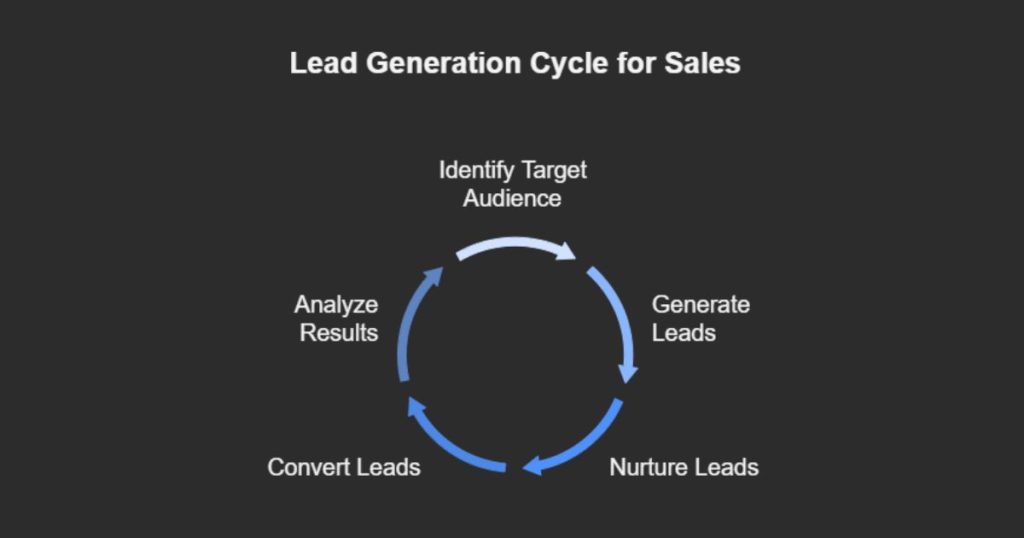
Introduction To Lead Generation
Lead generation is the process of attracting and converting prospects. These prospects show interest in your product or service. It is a crucial part of any sales strategy. Without it, businesses struggle to grow and thrive. This introduction will help you understand the basics of lead generation.
Importance Of Lead Generation
Lead generation helps identify potential customers. This allows your sales team to focus on high-quality leads. It saves time and resources. It also increases the chances of closing deals. Quality leads are more likely to convert into paying customers. This leads to a higher return on investment.
Impact On Revenue
Lead generation has a direct impact on revenue. More leads mean more opportunities for sales. This translates to increased revenue. Effective lead generation strategies can lead to consistent growth. It helps in building a strong customer base. This ensures a steady stream of income for your business. Investing in lead generation is a smart move. It can significantly boost your sales and revenue.
Identifying Target Audience
Identifying the target audience is crucial for successful lead generation in sales. Understanding who your potential customers are helps tailor your marketing strategies. This process involves researching and creating profiles of ideal buyers. Let’s dive into some effective methods.
Market Research Techniques
Market research involves collecting data about your potential customers. Surveys are a great tool to gather insights. Ask questions about their preferences and pain points. Analyze competitors to understand their audience. Use online analytics to track visitor behavior on your website. Look at social media engagement to see what content resonates.
Creating Buyer Personas
Creating buyer personas helps visualize your ideal customers. Start by identifying demographic details. Include age, gender, income, and education level. Consider psychographic factors like interests and values. Define their goals and challenges. Think about what motivates them to make a purchase. Use this information to create detailed profiles.
Effective Lead Generation Channels
Effective lead generation channels can transform your sales strategy. By using the right channels, businesses can attract potential customers. This process helps in converting them into loyal clients. Let’s explore some of the most effective lead generation channels that can boost your sales.
Social Media Platforms
Social media platforms are powerful for lead generation. Platforms like Facebook, Instagram, and LinkedIn connect businesses with their target audience. Regular posts and engaging content can attract potential leads. Paid ads on these platforms help reach a larger audience. Social media also allows businesses to interact directly with potential customers. This builds trust and fosters relationships. Use analytics to track performance and adjust strategies. This ensures the best results from your efforts.
Email Marketing
Email marketing is a cost-effective lead generation channel. It involves sending personalized emails to a targeted audience. Newsletters, promotions, and updates can keep your audience engaged. Segmenting your email list improves the relevance of your messages. Personalized emails have a higher open rate and engagement. Use compelling subject lines to grab attention. Provide value in every email. This builds trust and encourages recipients to take action. Track email performance to refine your approach. This helps in improving the effectiveness of your campaigns.
Content Marketing Strategies
Effective content marketing strategies can boost lead generation for sales. Craft engaging content that addresses customer needs. Utilize social media and email campaigns to reach potential leads.
In today’s digital age, content marketing has become a cornerstone of lead generation for sales. By creating and distributing valuable, relevant content, you can attract and engage your target audience, ultimately driving them towards making a purchase. Let’s delve into some practical strategies to enhance your content marketing efforts.
Creating Valuable Content
Creating valuable content starts with understanding your audience. Think about their pain points and how your product or service can solve them. Share stories and experiences that resonate with them.
Use a variety of content formats like blogs, videos, infographics, and podcasts. This keeps your audience engaged and caters to different preferences.
Consistency is key. Regularly update your content to stay relevant and maintain audience interest. This helps in building trust and credibility.
SEO Best Practices
SEO is crucial for content marketing. Start by researching relevant keywords. Tools like Google Keyword Planner can help you identify terms your audience is searching for.
Optimize your content by incorporating these keywords naturally. Avoid keyword stuffing as it can harm your rankings and readability.
Use meta tags, headers, and alt text for images to enhance search engine visibility. This helps search engines understand your content better.
Focus on creating high-quality backlinks. Reach out to reputable sites in your industry for guest posts or collaborations. This boosts your domain authority and improves rankings.
Engage your readers with questions like: Are you struggling to get your content seen? Try these SEO tips and see the difference.
By following these strategies, you can significantly improve your lead generation efforts through content marketing.
Utilizing Paid Advertising
Lead generation is essential for boosting sales. Utilizing paid advertising can help. It offers quick results and better targeting. Here, we explore how to use paid advertising effectively.
Ppc Campaigns
Pay-Per-Click (PPC) campaigns are a great way to attract leads. You only pay when someone clicks on your ad. This ensures your budget is used wisely. PPC ads appear on search engines. They target users actively searching for your products or services. This increases the chances of turning visitors into leads. You can set your budget and control costs easily.
Social Media Ads
Social media ads can reach a broad audience. Platforms like Facebook, Instagram, and LinkedIn are popular. They offer targeted advertising options. You can choose your audience based on age, interests, and location. This helps to attract the right leads. Social media ads can be in various formats. Images, videos, and carousels are some options. Engaging content can capture attention quickly.
Leveraging Referral Programs
Referral programs boost lead generation by encouraging satisfied customers to refer others. This strategy taps into trust and personal connections, driving higher quality leads for sales teams.
Referral programs are a powerful tool for lead generation. They harness the trust and networks of existing customers. This method can drive new sales and strengthen customer relationships.
Incentivizing Referrals
Incentives motivate customers to share your brand. Offer discounts, rewards, or exclusive access. These can encourage customers to refer friends and family. Ensure the rewards are valuable. They should appeal to your target audience. Clear communication is key. Explain how the referral process works. Make it easy to participate.
Tracking Referral Success
Tracking referrals helps understand program effectiveness. Use analytics tools to monitor referral activity. Measure conversion rates and overall impact. Identify top referrers and reward them further. Analyze the data to improve the program. Look for trends and adjust incentives accordingly. Keep refining your approach for better results.
Using Lead Magnets
Lead generation is the lifeblood of any sales strategy. One of the most effective ways to capture potential leads is through lead magnets. These are valuable resources that you offer in exchange for a prospect’s contact information. Let’s dive into how you can use lead magnets to supercharge your sales funnel.
Types Of Lead Magnets
There are various types of lead magnets you can use to attract potential customers. Ebooks and whitepapers are excellent for sharing in-depth knowledge on a topic your audience cares about. They position you as an expert in your field.
Webinars and online workshops provide real-time value and allow for direct interaction with your audience. They are great for educating your prospects while building trust and credibility.
Checklists and templates offer quick, actionable insights. They help your audience solve a problem immediately, making them grateful and more likely to engage with your brand.
Designing Effective Lead Magnets
Creating an effective lead magnet starts with understanding your audience’s needs and pain points. If you don’t know what they need, ask them through surveys or social media polls.
Your lead magnet should be easy to consume. Keep it short, to the point, and visually appealing. Use clear headings, bullet points, and images to break up the text.
Include a compelling call-to-action (CTA). Tell your audience exactly what they need to do next, whether it’s downloading a resource, signing up for a webinar, or filling out a form.
How do you ensure your lead magnet is irresistible? Share your unique insights or industry secrets that are not readily available elsewhere. This exclusivity can make your lead magnet more appealing.
Remember, the goal is to provide real value. If your lead magnet doesn’t solve a problem or answer a question, it won’t be effective. Always think about how you can make your audience’s life easier.
Have you ever downloaded a lead magnet that changed the way you approached your work? Think about what made it so impactful and aim to replicate that in your own lead magnets.
Don’t forget to promote your lead magnets across various channels. Use social media, email marketing, and your website to get the word out. The more visibility, the better your chances of capturing leads.
How are you currently using lead magnets in your sales strategy? Are there any types of lead magnets you haven’t tried yet that could benefit your business? Feel free to share your thoughts in the comments below!
Nurturing Leads
Cultivating interest and building relationships is vital for successful lead generation in sales. Nurturing leads ensures potential customers become loyal clients.
Nurturing Leads
Generating leads is just the beginning. The real magic happens when you nurture these leads effectively. Think of lead nurturing as building a relationship. You need to engage with your potential customers, understand their needs, and guide them through the sales funnel. This process can make a significant difference in converting leads into sales.
Personalized Email Campaigns
Personalized email campaigns are a powerful tool for nurturing leads. A generic email won’t cut it. Instead, customize your emails to address the recipient by name, mention their specific interests, and offer solutions that match their needs.
I once ran a campaign where we segmented our leads based on their behavior on our website. We sent tailored content that addressed their specific pain points. The response rate was incredible.
Consider what your leads care about and tailor your message to them. Ask yourself: What unique value can you offer them?
Automated Follow-ups
Automated follow-ups can save you time and ensure no lead falls through the cracks. Set up a system where leads receive timely follow-ups based on their actions. For example, if someone downloads a whitepaper from your site, trigger an email that provides additional resources or invites them to a webinar.
I remember a time when we used automated follow-ups to re-engage cold leads. We sent a series of educational emails that gradually warmed them up. Eventually, many of them became paying customers.
Automated follow-ups keep the conversation going. Are you making the most of your automation tools?
Effective lead nurturing requires a blend of personalization and automation. By doing so, you build trust and guide your leads towards making a purchase. How are you nurturing your leads today?
Measuring Lead Generation Success
Measuring lead generation success is vital for any sales strategy. Knowing what works helps improve future campaigns and boost revenue. This section delves into how to measure lead generation success effectively.
Key Metrics To Track
Identifying key metrics is the first step in measuring lead generation success. Track lead conversion rates to see how many leads turn into customers. Monitor the cost per lead to ensure your budget is well-spent. Analyze the lead source to understand which channels bring the best leads. Review the lead quality to prioritize high-value prospects.
Analyzing Campaign Performance
Analyzing campaign performance involves more than just tracking metrics. Evaluate the effectiveness of your marketing channels. Review the engagement rate to see how leads interact with your content. Measure the return on investment (ROI) to determine campaign profitability. Assess the lead nurturing process to ensure prospects move smoothly through the sales funnel. Use this data to refine your strategies and achieve better results.
Conclusion And Future Trends
As we wrap up our discussion on lead generation for sales, it’s essential to look forward and understand what the future holds. The landscape of lead generation is always changing, and staying ahead requires keeping an eye on emerging trends. Let’s delve into how evolving strategies and staying ahead of competitors can shape your approach to lead generation.
Evolving Strategies
Lead generation strategies are never static. They evolve with technology and consumer behavior. What worked a year ago might not be as effective today.
Consider the rise of AI and machine learning. These technologies can analyze vast amounts of data to predict which leads are most likely to convert. By integrating AI tools into your CRM, you can prioritize your efforts efficiently.
Social media platforms continue to be powerful tools for generating leads. However, the way people use these platforms changes. Stay updated with the latest features and algorithms to maximize your reach.
Interactive content like quizzes and polls is becoming increasingly popular. They engage potential leads and provide valuable insights. This data can then be used to tailor your follow-up strategies.
Staying Ahead Of Competitors
Competition is fierce in lead generation. To stay ahead, you need to be proactive, not reactive.
Invest in continuous learning for your sales team. Regular training sessions on new tools, trends, and techniques can give your team the edge they need.
Analyze your competitors’ strategies. What are they doing right? Where are they falling short? Use this information to fine-tune your own approach.
Building strong relationships with your leads is crucial. Personalized communication can set you apart from the competition. Use CRM systems to track interactions and preferences, ensuring every message is relevant and timely.
Are you leveraging all the data at your disposal? Data-driven decisions can significantly improve lead generation efforts. Regularly review and analyze your data to identify trends and adjust your strategies accordingly.
In conclusion, the key to successful lead generation lies in adapting to evolving strategies and staying a step ahead of your competitors. What strategies will you adopt to keep your pipeline full and thriving? The future of lead generation is bright for those willing to innovate and stay informed.
Frequently Asked Questions
How Do You Generate Sales Leads?
We generate sales leads through targeted online advertising, content marketing, social media engagement, email campaigns, and SEO strategies.
What Is A Lead Generation In Sales?
Lead generation in sales involves identifying and attracting potential customers interested in your products or services. It aims to convert prospects into leads for the sales team to follow up. Effective lead generation boosts sales and business growth.
How Much Should You Pay For Lead Generation?
Lead generation costs vary by industry. Expect to pay between $50 to $200 per lead for quality leads.
How Can I Generate Leads Quickly?
Utilize social media ads, optimize your website for SEO, offer valuable content, use email marketing, and network actively.
Conclusion
Generating leads is crucial for boosting sales. Quality leads enhance business growth. Simple strategies can make a big difference. Focus on your target audience. Use social media effectively. Create engaging content. Follow up promptly with potential leads. Test and measure your methods regularly.
Adjust tactics based on results. A consistent approach yields better outcomes. Lead generation requires patience and effort. Success comes from continuous improvement. Start implementing these tips today. Watch your sales improve steadily.