
Building a strong community is essential. It fosters connections and support.
Community building activities bring people together, creating bonds that last. These activities are designed to encourage interaction, collaboration, and mutual understanding. Whether you are part of a neighborhood, workplace, or online group, engaging in community-building activities can make a significant difference.
These activities help individuals feel more connected and valued, promoting a sense of belonging. From group projects to social events, there are many ways to strengthen your community. In this blog post, we will explore various community-building activities that can enhance relationships and create a positive environment. Get ready to discover fun and effective ways to bring your community closer together!
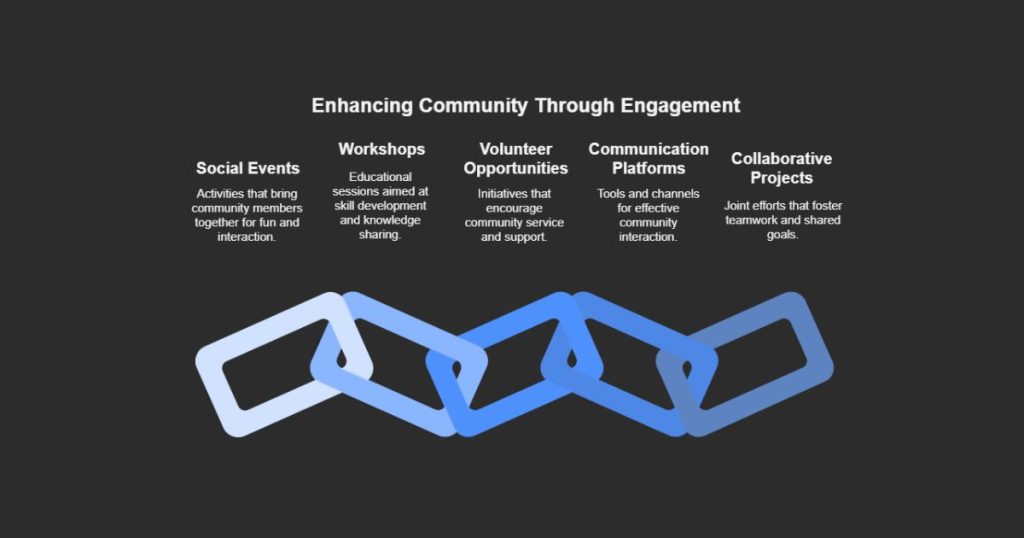
Importance Of Community Building
Community building activities foster stronger connections and collaboration among members. They create a sense of belonging and mutual support. These activities enhance trust and improve communication within the group.
Community building is more than just organizing events or social gatherings. It’s about creating a sense of belonging and mutual support among members. When you invest time and effort into building a community, you strengthen the bonds between people, foster a shared identity, and create a supportive environment. This can lead to increased collaboration, trust, and overall well-being.
Fostering Connections
Creating a strong community starts with fostering connections. Think about the last time you attended a local event or joined a new group. You probably felt a mix of excitement and nervousness.
Making these initial connections can be challenging, but it’s worth it. By participating in community activities, you meet new people and form meaningful relationships.
Consider hosting small gatherings or workshops. Simple activities like these can bring people together and encourage interactions. They help break the ice and build the foundation for lasting connections.
Enhancing Social Support
Social support is crucial for mental and emotional health. It’s comforting to know there are people you can rely on during tough times.
Communities provide this support through various means. Whether it’s offering a listening ear, sharing resources, or providing encouragement, members can help each other navigate life’s challenges.
Imagine having a network of individuals who understand your experiences and offer genuine support. This not only reduces feelings of isolation but also enhances your overall well-being.
To build this support system, encourage open communication and empathy within your community. Create safe spaces where members can share their thoughts and feelings without judgment.
Engage with your community regularly. Show genuine interest in their lives and be there when they need support. This builds trust and strengthens the sense of belonging.
What steps will you take to foster connections and enhance support in your community? Your actions can make a significant difference in the lives of those around you.
Types Of Community Activities
Community building activities include volunteering, local events, and social gatherings. These activities foster connections and strengthen relationships among members. Participating in community projects also promotes a sense of belonging and unity.
Community building activities are essential for creating strong, vibrant, and engaged communities. These activities can range from social events to educational workshops, all aimed at bringing people together and fostering a sense of belonging. By participating in these activities, you can build meaningful connections, learn new skills, and contribute to the community’s growth.
Social Events
Social events are a fantastic way to bring people together in a relaxed and enjoyable setting. These events can include anything from potluck dinners and game nights to outdoor picnics and holiday parties.
For example, a neighborhood block party can be a great way to meet your neighbors and build lasting friendships. These events create opportunities for casual conversations and bonding over shared interests.
Hosting regular social events can help create a sense of routine and familiarity. When people know they can count on these gatherings, they are more likely to attend and participate.
Educational Workshops
Educational workshops offer a platform for learning and skill development within the community. These workshops can cover a wide range of topics, such as gardening, cooking, financial literacy, or even DIY projects.
Imagine attending a gardening workshop where you learn to grow your own vegetables. Not only do you gain valuable knowledge, but you also connect with others who share your interests.
Workshops can be led by community members or external experts. This encourages a culture of sharing and continuous learning, making the community more dynamic and resourceful.
By engaging in these community activities, you not only enrich your own life but also contribute to the well-being and cohesion of your community. What types of activities would you like to see in your community?
Planning Effective Activities
Community building activities foster connections and create a sense of belonging. These activities encourage teamwork and strengthen relationships. Engaging in shared experiences helps individuals feel valued and included.
Planning Effective Activities
Planning effective activities is the cornerstone of successful community building. Thoughtful activities can foster connections, drive engagement, and build a sense of belonging. Let’s dive into the key steps to ensure your activities hit the mark.
Identifying Goals
Before you start planning, identify the goals of your activities. Ask yourself, what do you hope to achieve? Is it to build relationships, share knowledge, or simply have fun?
Clear goals guide your planning. For instance, if your goal is to build stronger relationships, activities that encourage teamwork and collaboration are ideal.
Keep your community’s interests and needs in mind. Tailoring activities to your community ensures higher participation and engagement.
Gathering Resources
Once you have clear goals, gather the necessary resources. This includes materials, volunteers, and space.
Think about what you already have and what you need to acquire. For example, if you plan a DIY workshop, you’ll need craft supplies and a comfortable space.
Don’t hesitate to ask for help. In my experience, community members often want to contribute when they see the value in the activity.
Have a backup plan. Sometimes resources fall through, and flexibility can save the day.
Planning effective activities involves clear goals and adequate resources. What activities have you found most engaging in your community? Share your thoughts in the comments below!
Engaging Diverse Groups
Community building activities are essential for bringing people together. Engaging diverse groups within these activities fosters unity. It encourages understanding and inclusion. This section will explore methods to engage diverse groups effectively.
Inclusive Practices
Inclusive practices ensure everyone feels welcome. Use clear language that is easy to understand. Avoid jargon and complex terms. Provide translated materials for non-native speakers. This helps everyone participate fully.
Consider physical accessibility. Ensure venues are accessible to people with disabilities. This includes ramps, elevators, and accessible restrooms. Offer activities that everyone can enjoy, regardless of physical ability.
Cultural Sensitivity
Cultural sensitivity involves respecting different cultures. Learn about the cultural backgrounds of participants. This can prevent misunderstandings. It also shows respect and appreciation for diversity.
Celebrate cultural differences. Organize events that highlight various traditions and customs. This can include food festivals, music performances, and art exhibitions. Such events promote cultural exchange and understanding.
Be mindful of cultural holidays. Avoid scheduling activities on significant cultural or religious dates. This shows respect for everyone’s beliefs and practices.
Measuring Engagement
Measuring engagement in community building activities is crucial to understand how well your efforts are resonating with your audience. This helps you identify what works, what doesn’t, and how you can improve. Let’s explore some practical ways to measure engagement effectively.
Survey Methods
One of the most straightforward ways to measure engagement is through surveys. You can create simple, short surveys to ask your community members about their experience and satisfaction levels.
For example, you might ask, “How likely are you to recommend our community events to a friend?” A scale from 1 to 10 can provide clear, actionable data.
Surveys can be distributed via email, social media, or during events. The key is to make them easy to access and complete. This increases the chances of getting more responses.
Feedback Collection
Another effective method is collecting feedback directly from your community members. This can be done through comment sections, forums, or even face-to-face interactions.
Encourage members to share their thoughts and suggestions. Ask open-ended questions like, “What did you enjoy most about our recent event?” or “How can we improve your experience?”
Be sure to listen actively and acknowledge the feedback you receive. This shows that you value their opinions and are committed to making positive changes.
Measuring engagement doesn’t have to be complicated. By using surveys and collecting feedback, you can gain valuable insights into your community’s needs and preferences. What strategies do you find most effective for measuring engagement in your community?
Case Studies Of Success
Successful community building activities can unite people and foster strong bonds. These efforts often lead to greater social engagement and support networks. Sharing stories of success can inspire others to create their own community initiatives.
Building a strong community is more than just organizing events; it’s about creating lasting connections and fostering a sense of belonging. Let’s delve into some inspiring case studies that showcase the power of effective community building activities.
Local Initiatives
Local initiatives often have the advantage of direct, face-to-face interaction.
Take the example of a small town in Ohio that started a weekly farmers market. This initiative not only boosted the local economy but also became a social hub. People who never interacted before started sharing recipes, discussing gardening tips, and even organizing potlucks.
In my neighborhood, we organized a community clean-up day. It was amazing to see how picking up trash turned strangers into friends. By the end of the day, everyone had a new appreciation for our shared spaces.
Global Examples
On a larger scale, global initiatives can connect people across continents.
Consider the Couchsurfing community. What began as a platform for budget travelers to find a free place to stay has turned into a global network of cultural exchange. Travelers and hosts bond over shared experiences, creating friendships that span the globe.
Another great example is the TEDx program. Independent organizers from different parts of the world host events that bring together local thinkers and doers. These events inspire and connect people, creating a ripple effect of ideas and collaborations.
These case studies show that whether local or global, community building activities can have a profound impact. They create spaces for meaningful interactions and foster a sense of belonging.
What small step can you take today to build a stronger community around you?
Overcoming Challenges
Community building activities can bring people together and create strong bonds. Yet, they come with their own set of challenges. Addressing these issues is key to a successful community. Two main hurdles are resource limitations and participation barriers. Let’s explore how to overcome these obstacles.
Resource Limitations
Resource limitations can hinder community activities. Often, there is a lack of funds or materials. Creative solutions can help. Fundraising events can gather needed resources. Local businesses might offer sponsorships. Volunteer work can save costs. People can share their skills and tools. This way, the community can thrive despite limited resources.
Participation Barriers
Participation barriers prevent people from joining activities. Some may feel unwelcome or out of place. Clear communication can ease these feelings. Welcoming new members warmly is essential. Transportation can be an issue. Arranging carpools can help. Timing matters too. Schedule activities at convenient times. Childcare can be another barrier. Providing child-friendly events can increase participation. Addressing these issues makes everyone feel included and valued.
Future Trends In Community Building
Exploring future trends in community building reveals the importance of interactive activities. Virtual meetups and local events foster stronger connections. Engaging in collaborative projects enhances community spirit.
Community building has always been essential for fostering connections and creating a sense of belonging. As we move forward, new trends are shaping how communities are formed and maintained. These trends are heavily influenced by advancements in technology and an increasing focus on sustainability.
Digital Platforms
Digital platforms are revolutionizing the way communities are built. Social media, forums, and apps make it easier to connect with like-minded individuals. You can join a group with just a click.
Think about how Facebook groups have changed the landscape of community building. You can find a group for almost any interest, from knitting to coding. These platforms allow for instant communication and resource sharing.
Have you ever wondered how digital platforms can enhance your community experience? They offer tools for organizing events, sharing updates, and even fundraising. This means you can engage with your community without geographical constraints.
Sustainable Practices
Sustainable practices are becoming a cornerstone of modern community building. More people are prioritizing environmental consciousness in their activities. This shift is noticeable in local events and gatherings.
Consider how community gardens have taken off. These gardens not only provide fresh produce but also bring people together. They teach sustainable living and create a communal space for interaction.
How can your community adopt sustainable practices? Simple actions like recycling programs or bike-sharing initiatives can make a difference. These practices not only benefit the environment but also foster a sense of responsibility and unity among members.
The future of community building is bright and promising. By leveraging digital platforms and embracing sustainable practices, we can create stronger, more connected communities. What steps will you take to be part of this evolving landscape?
Frequently Asked Questions
What Are Examples Of Community Building Activities?
Examples of community building activities include hosting local events, organizing volunteer groups, creating social media groups, and planning neighborhood clean-ups.
What Are 5 Team Building Activities?
1. Scavenger hunts boost teamwork and problem-solving skills. 2. Escape rooms enhance collaboration under pressure. 3. Team lunches foster informal bonding. 4. Office trivia encourages friendly competition and learning. 5. Volunteer projects build camaraderie while giving back.
What Is The Best Activity To Bring People Together?
Group activities like team-building games, cooking classes, and outdoor adventures are best for bringing people together. These activities foster communication, collaboration, and fun, promoting strong bonds and shared experiences.
What Types Of Activities Create A Sense Of Community?
Group activities such as volunteering, sports, cultural events, and social gatherings foster community spirit. Shared interests and teamwork build strong connections.
Conclusion
Building a strong community takes effort and dedication. These activities help form bonds. They encourage participation and foster a sense of belonging. Everyone can contribute in their own way. Through shared experiences, communities grow closer. Keep engaging and exploring new ways to connect.
Your community will thrive with continuous support and involvement. Make each activity count and enjoy the journey together.