
Understanding DNS website hosting is vital for managing your online presence. It connects your domain name with your website’s server, making your site accessible.
For many, DNS website hosting might seem complex. Yet, it’s a key part of running a successful website. DNS, or Domain Name System, translates human-friendly domain names into IP addresses. This process ensures visitors can find your site easily. Without proper DNS hosting, your site may face accessibility issues.
In this blog, we will explore DNS website hosting. You’ll learn its importance and how it works. This knowledge will help you maintain a reliable and reachable online presence. So, let’s dive into the world of DNS and discover its role in hosting websites.
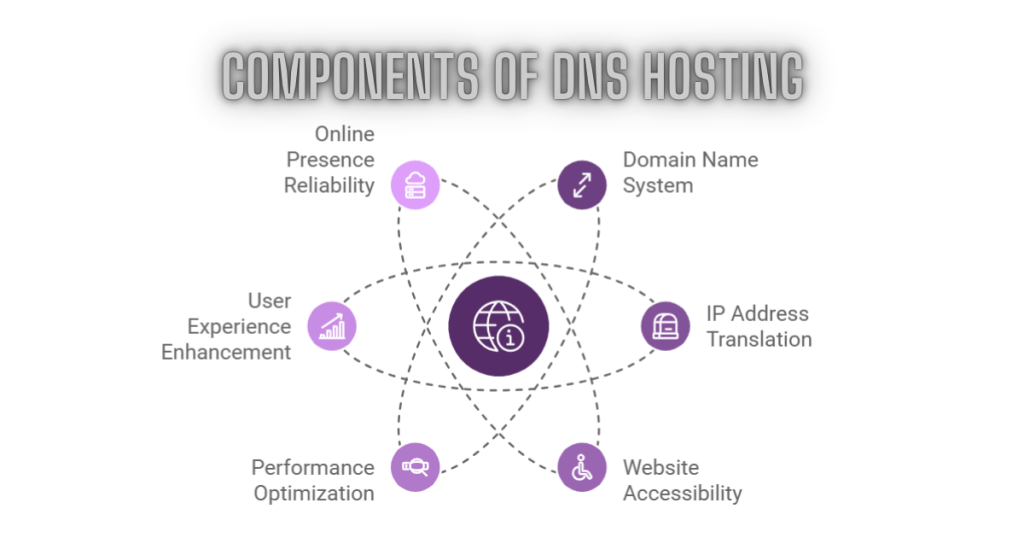
Introduction To DNS Hosting
DNS hosting is a crucial part of website management. It ensures your website is accessible to users around the world. Understanding DNS hosting can help you manage and optimize your website better.
What Is DNS?
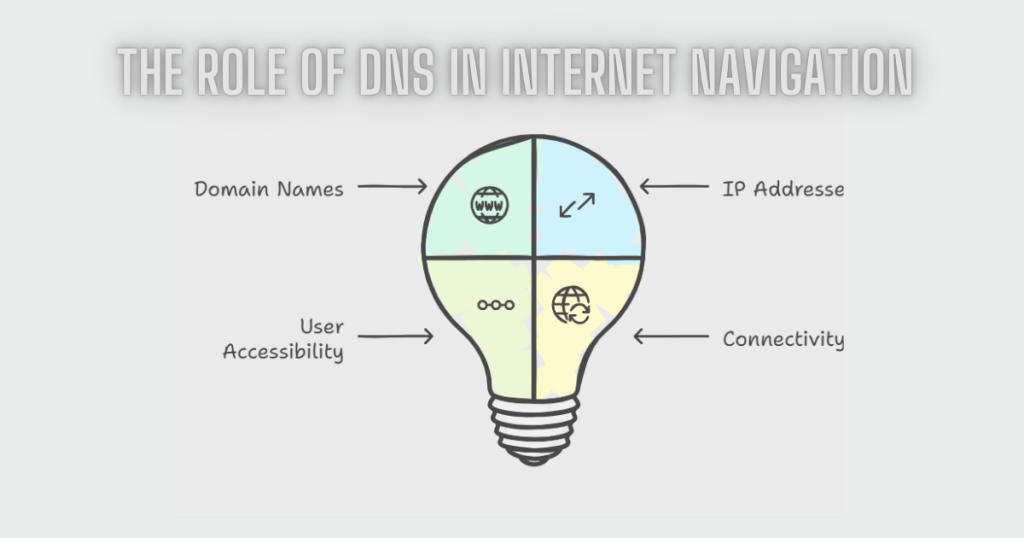
DNS stands for Domain Name System. It translates domain names into IP addresses. This system allows users to access websites using easy-to-remember names instead of numerical IP addresses.
Think of DNS as the phonebook of the internet. It matches domain names with their corresponding IP addresses. This process is essential for directing internet traffic to the right location.
Importance Of DNS In Website Hosting
The importance of DNS in website hosting cannot be overstated. Here are key reasons why DNS is vital:
- Accessibility: DNS ensures users can find your website.
- Speed: Proper DNS configuration can improve website loading times.
- Reliability: DNS helps maintain website uptime and availability.
- Security: DNS plays a role in protecting your site from cyber attacks.
Without DNS, users would need to remember complex IP addresses to visit websites. This would make the internet much less user-friendly.
Additionally, DNS hosting services often include features like DNSSEC for added security. These features help protect your website from threats like DNS spoofing and cache poisoning.
In summary, DNS is an essential part of website hosting. It ensures your site is accessible, fast, reliable, and secure.
Types Of DNS Hosting
Understanding the different types of DNS hosting is essential for choosing the right service. Each type has its benefits and limitations. This section will guide you through shared, dedicated, and cloud DNS hosting.
Shared DNS Hosting
Shared DNS hosting is a cost-effective option. Multiple websites share the same DNS server. It is suitable for small to medium-sized websites. The resources are divided among many users. This can sometimes lead to slower performance. It is an excellent choice for beginners.
Dedicated DNS Hosting
Dedicated DNS hosting offers exclusive resources to a single website. It provides better performance and reliability. This type is ideal for large websites with high traffic. It ensures faster DNS resolution. The cost is higher compared to shared hosting. Businesses with critical online presence prefer this option.
Cloud DNS Hosting
Cloud DNS hosting leverages cloud infrastructure. It is scalable and highly reliable. This type can handle high traffic volumes easily. It offers flexibility and quick response times. It is a popular choice for dynamic websites. The cost varies depending on usage. It provides robust security features.
Choosing The Right DNS Provider
Choosing the right DNS provider is crucial for your website’s performance and security. The DNS (Domain Name System) is like the phonebook of the internet. It translates domain names into IP addresses. Without a reliable DNS provider, your website may face downtime or slow load times. This guide will help you choose the best DNS provider for your needs.
Factors To Consider
Several factors can influence your decision. Uptime is critical. Ensure the provider guarantees 99.9% uptime or higher. Speed matters too. A fast DNS provider reduces website load times.
Security should not be overlooked. Look for features like DDoS protection and DNSSEC. These features protect your site from attacks. Global reach is another key factor. A provider with multiple servers worldwide ensures faster response times.
Customer support is vital. Choose a provider with 24/7 support. You never know when you might need help. Lastly, consider the cost. Compare pricing plans to find the best value for your needs.
Top DNS Providers
Several providers stand out in the market. Cloudflare is a popular choice. It offers fast speeds, high security, and competitive pricing. Google Cloud DNS is another strong option. It provides excellent performance and reliability.
Amazon Route 53 is known for its scalability and global reach. It is suitable for large websites. Dyn DNS offers robust security features and good customer support. Finally, Namecheap provides affordable plans and solid performance. Consider these top providers to find the best fit for your website.
Setting Up DNS For Your Website
Setting up DNS for your website is crucial for making your site accessible online. DNS, or Domain Name System, translates your domain name into IP addresses. This process directs visitors to your website. Understanding the setup process ensures your site runs smoothly and is always reachable.
DNS Configuration Basics
DNS configuration involves setting up records. These records include A, CNAME, and MX. Each record has a specific role. The A record points your domain to an IP address. The CNAME record links subdomains to your main domain. The MX record handles email routing.
Step-by-step Setup Guide
First, log into your domain registrar’s account. Find the DNS management section. Add an A record by entering your domain and IP address. Save the changes. Next, add a CNAME record. Enter the subdomain and the main domain. Save again. Finally, add an MX record. Enter your email server’s address. Save the settings.
Check your DNS records for errors. Use online tools to validate the setup. DNS changes may take up to 48 hours to propagate. Be patient and check periodically.
DNS Performance Optimization
DNS performance optimization is crucial for improving website speed and reliability. Efficient DNS management ensures users can access your site quickly. Optimizing DNS performance involves reducing latency and employing load balancing techniques.
Reducing Latency
Latency affects how fast your website loads. Reducing latency ensures users have a smooth experience. Start by using DNS servers close to your users. This minimizes the time data takes to travel. Implement DNS caching to store recent queries. Cached data loads faster, reducing wait times.
Use Anycast routing to direct users to the nearest server. Anycast improves speed by reducing the distance data travels. Regularly monitor and analyze DNS performance. This helps identify and fix latency issues quickly.
Load Balancing Techniques
Load balancing distributes traffic across multiple servers. It prevents any single server from becoming overwhelmed. Use Round Robin DNS to rotate requests among servers. This method is simple and effective for balancing loads.
Consider using GeoDNS for location-based traffic distribution. GeoDNS directs users to the nearest server based on their location. This enhances speed and reliability. Implement failover DNS to handle server failures. If one server fails, traffic is redirected to a backup server. This ensures continuous availability and performance.
Security In DNS Hosting
When hosting a website, security is a top priority. DNS hosting plays a key role in ensuring your website remains secure. Understanding potential threats and protective measures helps you safeguard your site from malicious attacks.
Common DNS Attacks
DNS attacks can disrupt your website’s functionality. Here are some common types:
- DNS Spoofing: Also known as DNS cache poisoning, this attack involves altering DNS records to redirect traffic to malicious sites.
- DDoS Attacks: Distributed Denial of Service attacks overwhelm DNS servers with traffic, causing them to crash and making your website inaccessible.
- DNS Tunneling: Attackers encode data in DNS queries and responses to exfiltrate data from a network.
- DNS Hijacking: In this attack, hackers redirect users to fraudulent websites without their knowledge.
Protective Measures
Implementing the right security measures can protect your DNS hosting from attacks. Here are some essential steps:
- Use DNSSEC: DNS Security Extensions add a layer of security to prevent DNS spoofing and ensure data integrity.
- Regular Monitoring: Constantly monitor DNS traffic for unusual patterns that might indicate an attack.
- Rate Limiting: This helps prevent DDoS attacks by limiting the number of requests a user can make.
- Firewalls: Use firewalls to filter out malicious traffic and protect your DNS servers.
By implementing these security measures, you can significantly reduce the risk of DNS attacks and ensure your website remains secure.
Monitoring And Maintenance
Monitoring and maintenance are crucial for the smooth operation of your DNS website hosting. They ensure that your website remains fast, secure, and reliable. Without proper monitoring, issues can go unnoticed, leading to downtime or security breaches. Regular maintenance keeps your DNS settings up-to-date and prevents potential problems.
Tools For DNS Monitoring
Several tools help monitor your DNS performance. These tools provide real-time alerts and detailed reports. For example, DNSPerf measures your DNS response times. It helps identify slowdowns. Another tool, Pingdom, monitors the uptime of your DNS servers. It sends instant notifications if issues arise. Using these tools, you can keep your DNS running smoothly.
Regular Maintenance Tips
Regular maintenance is vital for DNS health. First, review and update your DNS records. This ensures accuracy and prevents errors. Second, perform routine security checks. Look for vulnerabilities and apply patches. Third, test your DNS resolution. Ensure it resolves correctly across different regions. Finally, document all changes. This helps track adjustments and troubleshoot issues.
Troubleshooting DNS Issues
Troubleshooting DNS issues can be a daunting task for many website owners. DNS, or Domain Name System, is essential for translating domain names into IP addresses. When DNS issues arise, it can disrupt your website’s accessibility and performance. Understanding how to identify and solve these problems is crucial.
Identifying Common Problems
Several common DNS issues can affect your website. One frequent problem is DNS propagation delays. This happens when DNS changes take time to spread across the internet. Another issue is DNS server failure. This occurs when the DNS server is not responding or is down. Incorrect DNS settings can also cause problems. Typos or wrong entries in your DNS records can lead to website downtime.
Effective Solutions
There are practical steps to resolve DNS issues. First, verify your DNS settings. Ensure there are no typos or incorrect entries. Second, check the status of your DNS servers. Use online tools to see if your DNS server is responsive. If it is down, contact your hosting provider. Third, clear your DNS cache. This can help resolve propagation delays. You can do this by restarting your router or using command-line tools. Lastly, consider using a reliable DNS provider. A good provider can minimize downtime and improve your website’s performance.
Future Trends In DNS Hosting
The future of DNS website hosting is dynamic and promising. With constant advancements, the landscape is evolving rapidly. This section explores emerging trends and their impact on website performance.
Emerging Technologies
New technologies are reshaping DNS hosting. Some of the notable trends include:
- Anycast Routing: Enhances redundancy and reduces latency by routing traffic to the nearest server.
- DNS over HTTPS (DoH): Encrypts DNS queries, improving privacy and security.
- Edge Computing: Processes data closer to users, reducing load times and enhancing user experience.
These technologies improve speed, security, and reliability of DNS hosting.
Impact On Website Performance
Future trends in DNS hosting significantly impact website performance. Key improvements include:
- Faster Load Times: Enhanced routing and edge computing reduce latency, leading to quicker page loads.
- Increased Security: Encryption protocols like DoH safeguard data, reducing vulnerability to attacks.
- Greater Reliability: Technologies like Anycast ensure uptime and minimize downtime risks.
These advancements ensure better user experience and higher SEO rankings.
Frequently Asked Questions
What Is Dns Website Hosting?
DNS website hosting is a service that manages domain names. It translates domain names into IP addresses, enabling browsers to load websites.
How Does Dns Hosting Work?
DNS hosting works by storing DNS records. These records link your domain name to the IP address of your website server.
Why Is Dns Important For Websites?
DNS is crucial for websites because it ensures users can access your site. It translates easy-to-remember domain names into numeric IP addresses.
Can I Host My Dns With My Web Host?
Yes, many web hosting providers offer DNS hosting services. This simplifies management, as both website and DNS are handled in one place.
Conclusion
Choosing the right DNS website hosting is crucial for your online presence. It ensures your website loads fast and remains secure. Reliable hosting enhances user experience and boosts your search engine ranking. Make an informed decision to find the best hosting service.
Your website’s performance and success depend on it. Research, compare, and select a provider that meets your needs. Stay ahead in the digital landscape with the right DNS hosting.