
Productivity at work is essential for success. It ensures tasks are completed efficiently.
Feeling overwhelmed by work tasks can hinder productivity. With the right strategies, you can boost your performance and achieve more. This introduction explores practical tips to enhance your workday. Learn how to manage your time better, reduce distractions, and set clear goals.
These methods will help you stay focused and motivated. By applying these techniques, you can transform your work habits. Start improving your productivity today and see the difference it makes.
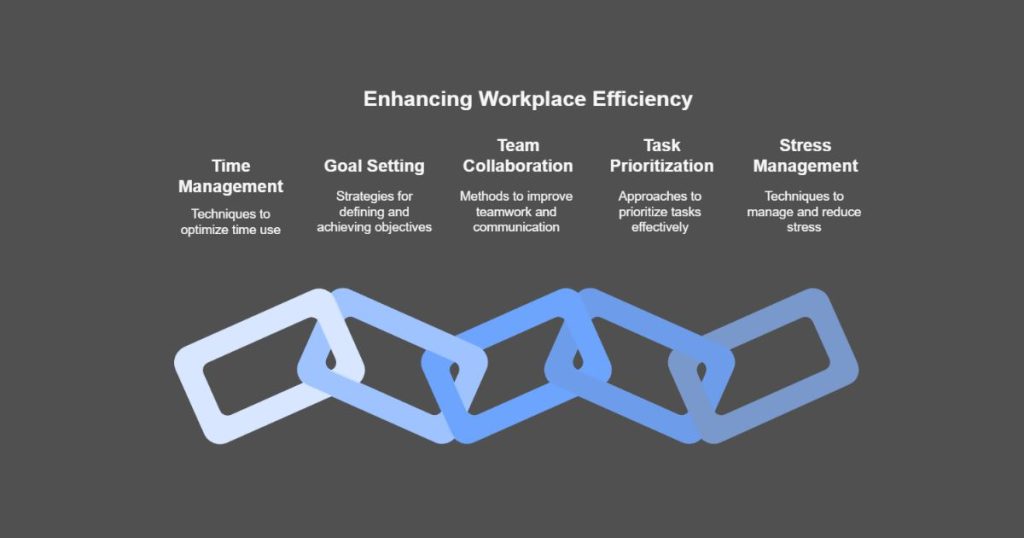
Setting Clear Goals
Setting clear goals is essential for boosting productivity at work. Clear goals provide direction and focus. They help you understand what needs to be achieved. With clear goals, you can measure progress and stay on track.
Setting goals also boosts motivation. Knowing what you’re working towards can drive you to perform better. It brings a sense of accomplishment when goals are met.
Identify Priorities
First, identify what tasks are most important. Ask yourself: What needs immediate attention? Which tasks will impact your work the most? Prioritize these tasks over less critical ones.
Make a list of your top priorities. This helps you focus on what matters. It reduces the risk of getting sidetracked by minor tasks.
Create Action Plans
Next, create action plans for your goals. Break down large tasks into smaller, manageable steps. This makes it easier to tackle big projects.
Set deadlines for each step. This helps you stay on schedule. Use tools like to-do lists or project management apps to organize your tasks.
Review your action plans regularly. Adjust them as needed to stay on track. This ensures you are always moving towards your goals.
Time Management Techniques
Boosting productivity at work requires effective time management techniques. These methods help you prioritize tasks, reduce distractions, and make the most of your time. Adopting the right strategies can lead to significant improvements in your work efficiency. Let’s explore two popular techniques: the Pomodoro Method and Time Blocking.
Pomodoro Method
The Pomodoro Method involves working in short, focused bursts. Set a timer for 25 minutes and work on a task without interruptions. After the timer rings, take a 5-minute break. This cycle is called a Pomodoro. After four Pomodoros, take a longer break, usually 15 to 30 minutes.
This technique helps maintain high levels of concentration. It also prevents burnout. The frequent breaks give your brain time to rest. Over time, this method can improve your focus and productivity.
Time Blocking
Time Blocking involves scheduling specific blocks of time for different tasks. Start by identifying your most important tasks. Allocate dedicated time slots for these activities on your calendar. Ensure that you stick to these blocks without multitasking.
This technique helps you manage your workload efficiently. It also reduces the chance of getting sidetracked. By focusing on one task at a time, you can complete it more effectively. This method also helps you see how you spend your time each day.
Incorporating these time management techniques into your routine can lead to better productivity. They provide structure and clarity, making it easier to stay on track and achieve your goals.
Optimizing Your Workspace
Boosting productivity at work starts with where you spend most of your time—your workspace. A well-organized, comfortable, and efficient workspace can make a huge difference in how you perform. Let’s dive into two key aspects: decluttering your desk and creating an ergonomic setup.
Declutter Your Desk
A cluttered desk can be overwhelming. It’s hard to focus when your workspace is filled with distractions. Start by removing items that you don’t use daily.
Keep only the essentials within arm’s reach. This could be your computer, a notepad, and a pen. Store other items like files and office supplies in drawers or shelves.
Use organizers to keep things tidy. For instance, a desk organizer can help keep pens, paperclips, and sticky notes in order. This way, you’ll spend less time searching for items and more time on productive tasks.
Ergonomic Setup
An ergonomic setup is crucial for your comfort and health. Make sure your chair supports your back properly. Adjust its height so your feet rest flat on the floor and your knees are at a 90-degree angle.
Position your computer monitor at eye level. This prevents neck strain from looking down or up for long periods. Your keyboard and mouse should be placed so your wrists are straight and your arms are close to your body.
Consider using a standing desk or a desk converter. Alternating between sitting and standing can reduce fatigue and improve circulation. Remember to take regular breaks to stretch and move around.
Have you ever felt that a more organized workspace could boost your focus and efficiency? Give these tips a try and see the difference for yourself.
Minimizing Distractions
Minimizing distractions helps boost productivity at work. Focus on one task at a time. Limit social media usage and unnecessary meetings.
Minimizing distractions is a key strategy for boosting productivity at work. Distractions can come in many forms, from digital interruptions to noisy environments. By addressing these common issues, you can create a more focused and efficient workspace.
Digital Detox
Start by reducing digital interruptions. Turn off unnecessary notifications on your phone and computer.
Consider scheduling specific times to check emails and social media. This prevents constant checking and allows for deeper focus on tasks.
You might also try using apps that limit your access to distracting websites. This can help you stay committed to your work without the temptation of browsing.
Noise Control
Noise can be a major distraction in the workplace. Invest in noise-canceling headphones. They can make a significant difference in your ability to concentrate.
Create a quiet space if possible. If you work in an open office, find a room or corner where you can retreat for focused work sessions.
Communicate your need for a quiet environment to your colleagues. Sometimes, a simple conversation can lead to a more mindful and respectful workspace.
By addressing these distractions, you’ll find yourself more productive and satisfied with your work. How do you handle distractions at work? Share your strategies in the comments below!
Effective Communication
Effective communication is the backbone of any successful workplace. Whether you’re brainstorming ideas, delegating tasks, or providing feedback, how you communicate can significantly impact your team’s productivity. Mastering the art of effective communication can transform your work environment and make your team more cohesive and efficient.
Active Listening
Active listening is more than just hearing words. It’s about understanding the message and the emotions behind it. When you listen actively, you show that you value your colleague’s input.
Next time someone speaks to you, put your phone down and make eye contact. Nod occasionally and provide feedback like, “I understand” or “That makes sense.” This encourages the speaker and builds trust.
Think about a meeting where everyone is talking over each other. No one feels heard, and important points get lost. Contrast that with a meeting where each person is given time to speak, and others listen attentively. Which one seems more productive?
Clear Instructions
Clear instructions are essential to ensure tasks are completed correctly and on time. Misunderstandings can lead to mistakes and wasted effort. A good practice is to break down tasks into smaller steps and explain each one clearly.
Instead of saying, “Get this report done by Friday,” try, “I need the sales report by Friday. It should include the latest figures, a comparison with last month, and potential reasons for any changes.” This leaves no room for confusion.
Consider if your instructions are clear. Have you ever felt frustrated because someone didn’t complete a task the way you expected? Reflect on how you communicated the task. Were your instructions clear and detailed?
Effective communication is a skill you can develop with practice. By focusing on active listening and giving clear instructions, you can boost productivity and create a more harmonious workplace. What will you do differently in your next conversation?
Leveraging Technology
Leveraging technology can significantly boost productivity at work. The right tools and apps streamline tasks, save time, and reduce stress. Discover how to improve efficiency by using productivity apps and automating tasks.
Productivity Apps
Productivity apps help organize your workday. They keep track of tasks, deadlines, and meetings. One popular option is Todoist. It allows you to create tasks, set priorities, and track progress. Another useful app is Trello. This app uses boards and cards to manage projects visually. Both apps have free and paid versions.
Using these apps ensures you never miss a deadline. They send notifications and reminders. This keeps you on top of your tasks. You can also share tasks with teammates. This improves collaboration and ensures everyone is on the same page.
Automating Tasks
Automating tasks frees up time for more important work. Tools like Zapier and IFTTT connect different apps. They create workflows that trigger actions automatically. For example, you can set up an automation to save email attachments to Google Drive. Or, you can sync calendar events across different platforms.
Automation reduces manual work and errors. It ensures consistency and accuracy. This leads to higher productivity. You spend less time on repetitive tasks and more on creative and strategic work. Start with simple automations and expand as you get comfortable. The possibilities are endless.
Healthy Work-life Balance
Balancing work and personal life boosts productivity at work. Regular breaks and healthy routines enhance focus and efficiency. Prioritizing well-being leads to better performance and job satisfaction.
Finding a healthy work-life balance is essential for boosting productivity at work. When you balance your professional and personal life effectively, you feel less stressed and more focused. This balance can lead to greater job satisfaction and overall well-being.
Regular Breaks
Taking regular breaks during your workday is crucial. It might seem counterintuitive, but stepping away from your desk can actually make you more productive. For example, a 5-minute break every hour can help you reset and return to your tasks with renewed energy.
You might grab a coffee, stretch, or simply take a walk around the office. These short breaks help prevent burnout and reduce stress. They also give your brain a chance to process information and solve problems more effectively.
Ask yourself, when was the last time you took a break? If you can’t remember, it might be time to schedule one.
Physical Activity
Physical activity is another key component of a healthy work-life balance. Including exercise in your daily routine can enhance your mood and energy levels. It doesn’t have to be a full gym session—even a quick walk during lunch can make a difference.
Consider setting a reminder to stand up and stretch every hour. Or, if you work from home, you could do a few minutes of yoga between meetings. These small actions can significantly impact your mental clarity and productivity.
Have you ever noticed how a short walk can clear your mind? Use this to your advantage and make it a part of your daily routine.
Balancing your work and personal life is not just about managing time; it’s about managing energy and well-being. Regular breaks and physical activity are simple yet effective ways to enhance your productivity. What changes will you make to achieve a healthier work-life balance?
Continuous Improvement
Enhancing work processes through continuous improvement can significantly boost productivity at work. Small, consistent changes lead to greater efficiency and better results.
Continuous improvement is essential for boosting productivity at work. It’s about making small, consistent changes to enhance your skills and work processes. By focusing on continuous improvement, you can achieve better results and stay ahead in your career.
Seek Feedback
Feedback is a powerful tool for growth. Ask your colleagues and supervisors for their honest opinions on your work. Constructive feedback can highlight areas where you can improve.
Don’t just wait for formal reviews. Make it a habit to seek feedback regularly. This proactive approach shows your commitment to personal development.
Use the feedback to set specific goals. For example, if you receive feedback on your presentation skills, you can work on being more concise and engaging in your next presentation.
Skill Development
Skill development is crucial for continuous improvement. Identify the skills that are most valuable in your job and industry. Focus on enhancing these skills through courses, workshops, or self-study.
Allocate time each week for learning. This could be reading industry-related articles, attending webinars, or practicing new software.
Share your new skills with your team. Teaching others reinforces your knowledge and fosters a collaborative environment. Your efforts in skill development can inspire your colleagues to do the same.
Have you ever taken a course that dramatically improved your work performance? Imagine the possibilities if you continuously build on your skills.
Continuous improvement is a journey, not a destination. By seeking feedback and developing your skills, you can consistently enhance your productivity and achieve greater success at work.
Frequently Asked Questions
How To Increase Productivity In Work?
Prioritize tasks and set clear goals. Minimize distractions and take regular breaks. Use productivity tools and maintain a healthy work-life balance.
What Is The 333 Rule For Productivity?
The 333 rule for productivity involves working for 3 hours on 3 tasks with 3 goals in mind. This method enhances focus and efficiency.
What Is The 52 17 Productivity Rule?
The 52 17 productivity rule suggests working for 52 minutes and then taking a 17-minute break. This method boosts focus and efficiency.
What Does It Mean To Boost Productivity?
Boosting productivity means increasing efficiency and output in less time, optimizing resources, and minimizing waste for better results.
Conclusion
Boosting productivity at work doesn’t need to be hard. Small changes help a lot. Prioritize tasks. Take breaks. Stay organized. Use tools that fit your needs. Communicate clearly with your team. Focus on one task at a time. Avoid distractions.
Keep a positive attitude. These steps can make your workday more efficient. Try them and see the difference. Your productivity will improve, and work will feel less stressful.