
HR Management Systems streamline the way businesses manage employee information. They automate tasks like payroll, recruitment, and performance tracking.
Managing human resources manually can be overwhelming and error-prone. An HR Management System, also known as HRMS, solves this problem by integrating various HR functions into one platform. Companies can efficiently handle employee data, track performance, and even manage benefits.
This saves time and ensures accuracy. But what exactly does an HRMS include? And how can it benefit your organization? Let’s dive deeper into the components and advantages of using an HR Management System. Understanding these can help you make informed decisions for your business.
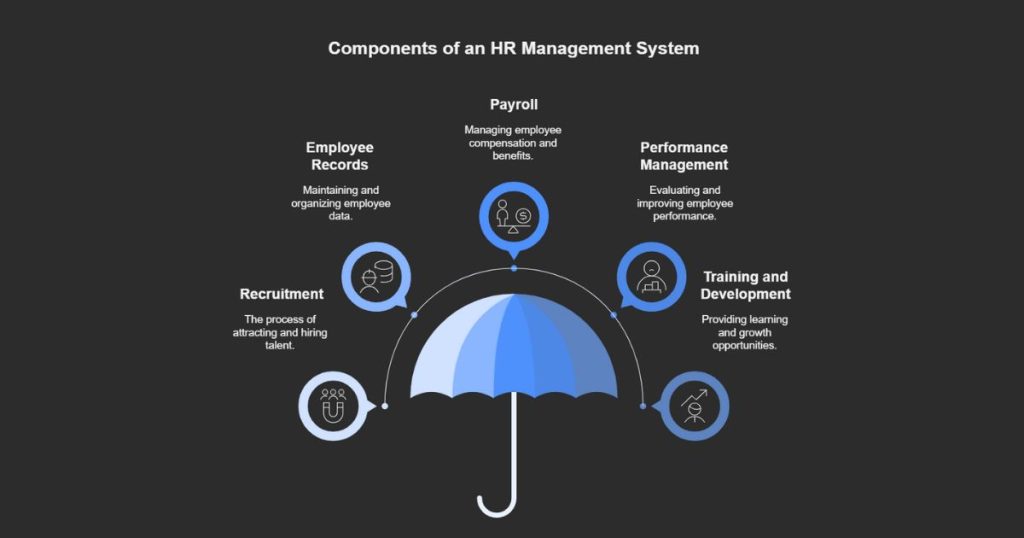
Introduction To HR Management Systems
Human Resource Management Systems (HRMS) have become vital in modern business. These systems streamline HR tasks, making processes more efficient. Let’s dive into what HRMS are and why they matter.
Definition And Importance
An HR Management System is software that manages HR activities. These activities include employee data, payroll, recruitment, and benefits administration. It helps HR teams to handle data and processes in one place.
HRMS is important for businesses of all sizes. It ensures data accuracy and saves time. The system reduces human error and improves productivity.
Key Benefits
HRMS offers several key benefits. First, it improves data management. All employee information is in one system. This makes it easy to access and update.
Second, it streamlines payroll processing. Automated calculations reduce mistakes. Employees get paid on time, every time.
Third, HRMS enhances recruitment processes. It helps in tracking job applications and managing candidate data. This leads to better hiring decisions.
Fourth, it increases employee satisfaction. Self-service portals allow employees to update their information. They can access their benefits and payroll details easily.
Finally, HRMS ensures compliance with labor laws. It keeps records up-to-date and provides necessary reports. This protects the company from legal issues.
Core Features Of HR Management Systems
Human Resource Management Systems (HRMS) are essential tools for modern businesses. They streamline HR operations and enhance productivity. Understanding the core features of HR Management Systems can help you make an informed choice for your organization.
Employee Data Management
Employee data management is a key feature of HRMS. It stores and organizes employee information. This includes personal details, job history, and performance data. Centralized data storage ensures easy access and retrieval. It also helps maintain accurate and up-to-date records. This reduces administrative workload and improves efficiency.
Payroll And Compensation
Payroll and compensation management is another vital feature. HRMS automates payroll calculations and tax deductions. It ensures timely and accurate salary payments. The system also manages benefits and bonuses. This feature reduces errors and saves time. It enhances employee satisfaction by ensuring prompt payments.
Recruitment And Onboarding
Recruitment and onboarding are crucial parts of Human Resource Management Systems (HRMS). These processes ensure that new employees are efficiently integrated into the company. A well-structured HRMS can significantly improve these stages, making them smoother and more effective for both HR teams and new hires.
Streamlined Hiring Process
The hiring process can be time-consuming. An HRMS can automate many tasks. It helps in posting job ads, sorting resumes, and scheduling interviews. This reduces the workload on HR teams. Automation ensures that no candidate is overlooked. It also helps in maintaining a database of potential hires for future needs.
HRMS tools can also assist in pre-screening candidates. They filter out unqualified applicants. This saves time for the HR team. By focusing only on qualified candidates, the hiring process becomes more efficient. It also ensures that the best talent is considered for the role.
Seamless Onboarding Experience
Onboarding is the first impression a new employee gets. An HRMS can make this experience smooth and welcoming. It provides new hires with all necessary information. This includes company policies, team introductions, and training schedules.
With an HRMS, new employees can complete paperwork digitally. This reduces manual errors and speeds up the process. The system also tracks the progress of new hires. It ensures they complete all required tasks and training. This structured approach helps new employees feel supported and valued from day one.
Overall, a good HRMS enhances both recruitment and onboarding. It makes processes efficient and user-friendly. This leads to higher satisfaction for both HR teams and new employees.
Performance Management
Performance Management is a crucial aspect of an HR Management System. It ensures that employees meet their goals and contribute to the company’s success. This system involves several key processes.
Goal Setting And Tracking
Setting clear goals is the first step in performance management. Employees need to know what is expected of them. Goals should be specific, measurable, achievable, relevant, and time-bound (SMART). An HR Management System helps track these goals. It provides tools to monitor progress and keep everyone on the same page.
Performance Reviews
Regular performance reviews are essential. They provide feedback on employee performance. These reviews help identify strengths and areas for improvement. An HR Management System streamlines the review process. It ensures that reviews are fair, consistent, and documented. This helps maintain a productive work environment.
Employee Self-service
Have you ever wished you could handle some HR tasks on your own? Well, that’s exactly what Employee Self-Service (ESS) allows you to do. This feature within a Human Resources Management System (HRMS) empowers employees to manage certain aspects of their employment without constantly needing to ask HR for help. Imagine being able to update your address or check your leave balance anytime you need to. It’s like having a mini-HR department at your fingertips. Let’s dive into some key features of ESS.
Access To Personal Information
One of the most appreciated features of Employee Self-Service is the ability to access personal information. Employees can view and update their contact details, emergency contacts, bank information, and more. No more filling out forms and waiting for HR to process them!
- Update Contact Details: Keep your phone number, email, and address up-to-date.
- Emergency Contacts: Easily add or change emergency contacts.
- Bank Information: Update your bank details for payroll.
Request Management
Another powerful feature of ESS is request management. This allows employees to submit various requests directly through the system, streamlining the process and reducing the paperwork burden on HR.
- Leave Requests: Apply for leave and get approvals online.
- Expense Claims: Submit and track expense claims.
- Training Requests: Request for professional development and training opportunities.
With ESS, employees can see the status of their requests in real-time. No more wondering if your leave request has been approved or if your expense claim has been processed. It’s all there, clear as day, right on your screen.
In conclusion, Employee Self-Service is a game-changer in HR management systems. It gives power to the employees, making everyday tasks more efficient and less reliant on HR intervention. So, why not embrace this feature and make your work life a little bit easier?
Time And Attendance Tracking
Time and attendance tracking is vital in HR management systems. It ensures that employees’ working hours are accurately recorded. This helps in efficient payroll processing and compliance with labor laws. It also boosts productivity by keeping track of time spent on tasks. This section explains key features like clock-in/clock-out and leave management.
Clock-in/clock-out Features
Clock-in/clock-out features simplify the process of recording work hours. Employees can easily log their start and end times. This can be done using various methods. For example, mobile apps, biometric devices, or web portals. Such features reduce manual errors. They also prevent time theft and ensure accurate data for payroll.
Leave Management
Leave management is another crucial aspect of time and attendance tracking. An HR management system allows employees to request leaves online. Managers can then approve or deny these requests. This process is automated and transparent. It helps in maintaining a proper record of leave balances. Employees can also check their remaining leave days easily. This ensures fair treatment and better planning of work schedules.
Training And Development
Training and development are crucial components of an HR Management System. They help employees grow and improve their skills. Focusing on these areas ensures the workforce remains competitive and efficient. This section will cover skill enhancement programs and tracking progress.
Skill Enhancement Programs
Skill enhancement programs aim to boost employees’ abilities. These programs can be workshops, courses, or online training. Employees gain new skills and improve existing ones. It’s essential to keep the workforce updated with current trends.
Offering skill enhancement programs shows employees that the company values their growth. It can lead to higher job satisfaction and retention. Employees feel more confident and capable in their roles. This, in turn, benefits the organization as a whole.
Tracking Progress
Tracking progress is vital for effective training and development. It helps ensure employees are meeting their learning goals. The HR Management System can monitor progress through regular assessments.
Progress tracking allows managers to identify areas needing improvement. They can then provide additional support or resources. This continuous feedback loop helps maintain high performance levels.
Tracking progress also motivates employees. They can see their growth over time and set new goals. It’s a win-win for both the employee and the organization.
Data Security And Compliance
Data security and compliance are crucial aspects of any HR management system. Ensuring the safety of employee data is essential for building trust. Complying with regulations prevents legal issues and fines. Let’s explore how an HR management system addresses these needs.
Protecting Employee Information
Employee information must be kept secure. An HR management system uses encryption to protect data. This ensures that only authorized personnel can access sensitive information. Multi-factor authentication adds another layer of security. Regular system updates fix vulnerabilities and keep data safe. Access controls ensure that employees see only what they need. This minimizes the risk of data breaches.
Regulatory Compliance
Regulatory compliance is a must for all companies. An HR management system helps you stay compliant. It keeps track of changing laws and regulations. Automated updates ensure that your system meets the latest standards. This reduces the risk of non-compliance fines. An HR management system also helps with record-keeping. It stores documents securely and makes them easy to retrieve. This is essential for audits and legal checks. Compliance features save time and reduce stress.
Choosing The Right Hr Management System
Choosing the right HR Management System (HRMS) can transform your business. It can streamline processes, improve employee satisfaction, and ensure compliance with regulations. To make the best choice, you need to assess your business needs and evaluate software options carefully.
Assessing Business Needs
First, identify the specific needs of your business. What tasks do you need to automate? Understand your pain points. Consider recruitment, onboarding, payroll, and performance management. What are your goals? Are you aiming to improve efficiency or enhance employee engagement?
Next, gather input from various departments. HR, finance, and IT teams should all have a say. Their insights will help shape your requirements. Define must-have features. These could include reporting tools, employee self-service portals, or integration with existing systems. Having clear priorities is crucial.
Evaluating Software Options
With your needs in mind, start researching software options. Look for user-friendly interfaces. Complex systems can deter staff from using them. Ensure the software offers reliable customer support. You might need assistance during setup or if issues arise.
Read reviews and ask for recommendations. Other businesses in your industry may have valuable insights. Consider the system’s scalability. Your business will grow; your HRMS should grow with it. Conduct a cost-benefit analysis. Balance the price against the features offered. Remember, the cheapest option isn’t always the best.
Request demos or trials. Test the software with real data. This hands-on experience will highlight any potential drawbacks. Ensure the software complies with local regulations. Data security and privacy are paramount.
Implementing An HR Management System
Implementing an HR Management System can streamline your company’s HR processes. It helps in managing employee data, payroll, recruitment, and performance. This system can save time and reduce errors, leading to a more efficient HR department.
Planning And Preparation
Planning and preparation are crucial for a smooth implementation. Start by understanding your company’s HR needs. Identify the key features you require in the system. Consult with your HR team and gather their input. This step ensures the system meets everyone’s expectations. Next, create a detailed project plan. Set clear milestones and deadlines. Allocate resources and assign responsibilities. Proper planning prevents potential issues during implementation.
Training And Support
Training and support are vital for successful implementation. First, provide comprehensive training to your HR team. They should understand how to use the new system efficiently. Organize training sessions and provide manuals or tutorials. Ensure everyone is comfortable with the new processes. Next, establish a support system. Make sure help is available if issues arise. This can include a dedicated support team or an online helpdesk. Continuous support keeps the system running smoothly.
Frequently Asked Questions
What Is Hr System Management?
HR system management involves overseeing employee data, payroll, recruitment, performance, and compliance using software solutions. It improves efficiency and organization.
What Is Hr Management In Simple Words?
HR management involves recruiting, training, and managing employees to enhance workplace productivity and satisfaction. It ensures compliance with labor laws.
What Are The 5 Types Of Hris Systems?
The 5 types of HRIS systems are Operational HRIS, Tactical HRIS, Strategic HRIS, Comprehensive HRIS, and Limited Function HRIS.
What Are The 5 Basic Functions Of Human Resource Management?
The 5 basic functions of human resource management are recruitment, training, performance management, employee relations, and benefits administration.
Conclusion
An HR Management System simplifies many tasks for businesses. It streamlines hiring, training, and payroll processes. With this system, you can save time and reduce errors. Managers gain valuable insights and employees benefit from easier communication. Overall, an HR Management System makes managing a workforce much smoother.
Consider implementing one to improve efficiency and organization. Your business will thank you for it.