
An HR manager handles various tasks related to employees. They oversee hiring, training, and workplace policies.
Understanding the role of an HR manager is crucial. They are key players in managing a company’s most valuable asset: its people. From recruiting new talent to ensuring employees are satisfied and productive, HR managers have a broad range of responsibilities.
They mediate conflicts, maintain employee records, and ensure compliance with labor laws. By managing these aspects, they create a positive work environment that fosters growth and development. Whether you’re interested in pursuing a career in HR or simply curious about their duties, this post will provide clear insights into what HR managers do on a daily basis.
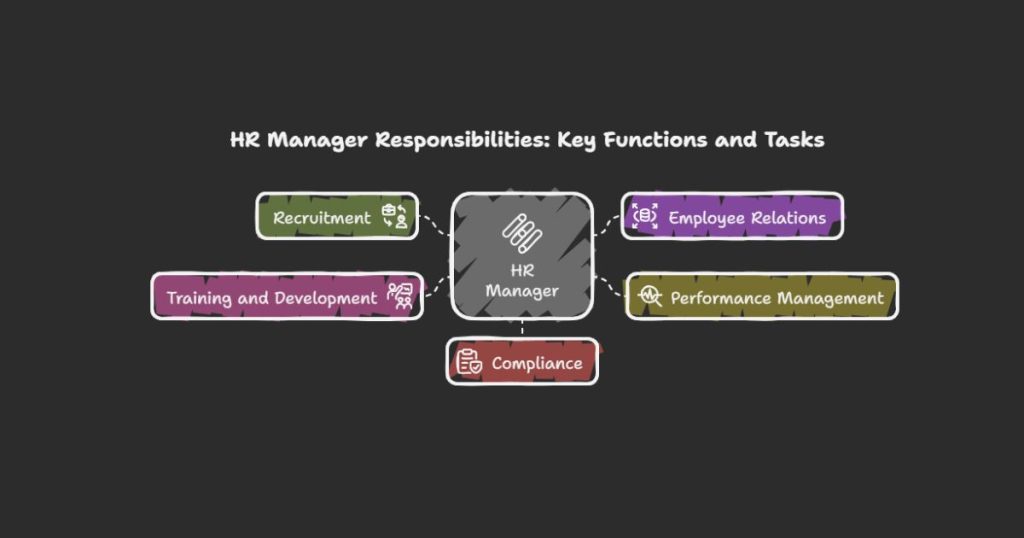
Role Of An HR Manager
The role of an HR manager is crucial in any organization. They ensure the workforce is happy, productive, and motivated. HR managers handle various tasks to achieve this goal. They bridge the gap between the employees and the management. Their work impacts the overall success of the company.
Key Functions
HR managers perform many key functions. They recruit new employees to fill open positions. They also handle the onboarding process for new hires. This includes training and introducing them to company policies. HR managers also manage employee relations. They address any conflicts or issues that arise. They strive to maintain a positive work environment. Another vital function is overseeing employee benefits and compensation. They ensure fair and competitive salaries. They also manage health insurance and retirement plans. HR managers also ensure the company complies with labor laws. They keep up with changes in regulations. They implement policies to protect the company and employees.
Importance In The Organization
HR managers play a vital role in the organization. They help build a strong workforce. A motivated and happy team is more productive. This leads to better business results. HR managers also help retain top talent. They create programs to keep employees engaged. High employee retention reduces turnover costs. HR managers also foster a positive company culture. They promote values and create a sense of community. This improves overall morale and job satisfaction. HR managers also protect the company from legal issues. They ensure compliance with labor laws. This reduces the risk of costly lawsuits.
Recruitment And Hiring
An HR manager oversees recruitment and hiring processes. They screen candidates, conduct interviews, and ensure the best fit for the company. Their role is vital in building a strong workforce.
Recruitment and hiring are central to the HR manager’s role. Finding the right talent and ensuring they fit well within the company culture can significantly impact the organization’s success. This process involves various steps, each crucial for building a strong team.
Sourcing Talent
The first step in recruitment is sourcing talent. This involves identifying where potential candidates are likely to be found. HR managers use job boards, social media, and employee referrals to find suitable candidates.
Networking plays a huge role here. Attending industry events and job fairs can also help in meeting potential hires. The goal is to cast a wide net to attract a diverse pool of candidates.
Interview Process
Once candidates are identified, the interview process begins. This is where you assess their skills and cultural fit. Structured interviews with a set list of questions ensure consistency and fairness.
HR managers often involve team leaders in this process. It’s important to get different perspectives on a candidate’s suitability. Remember, interviews are as much about the candidate assessing the company as they are about the company assessing the candidate.
Have you ever thought about how a well-conducted interview can save you from future hiring mistakes? It’s worth investing time and effort in this phase to ensure you make the right choice.
Employee Onboarding
Employee onboarding is a crucial role of an HR manager. It sets the tone for new hires and helps them adjust to the company culture. Effective onboarding leads to higher employee satisfaction and retention. Let’s delve into the aspects of employee onboarding.
Orientation Programs
Orientation programs introduce new employees to the company. HR managers organize these sessions to cover the company’s history, mission, and values. New hires learn about their roles and responsibilities. They also meet their team members and key leaders. This helps them feel welcomed and connected from day one.
Training And Development
Training and development are essential parts of onboarding. HR managers ensure new employees have the skills needed for their jobs. They arrange training sessions on company tools and processes. Continuous development opportunities are provided to help employees grow in their roles. This investment in training leads to a more skilled and confident workforce.
Performance Management
Performance Management plays a crucial role in the success of any organization. It involves a continuous process of setting goals, assessing progress, and providing ongoing coaching and feedback. This ensures employees meet their objectives and align with the company’s overall goals. An HR Manager is pivotal in this process, ensuring clear communication and understanding between employees and management.
Setting Goals
The first step in performance management is setting goals. HR managers work with employees to set clear, achievable goals. These goals should align with the company’s objectives. They should be specific, measurable, attainable, relevant, and time-bound (SMART). Clear goals give employees a sense of direction and purpose.
Performance Reviews
Performance reviews are essential to assess employee progress. HR managers conduct regular reviews to discuss achievements, challenges, and areas for improvement. Reviews provide valuable feedback and help employees grow. They also identify top performers and those needing additional support. This ensures everyone is on track and contributing to the company’s success.
Employee Relations
An HR manager plays a crucial role in maintaining healthy employee relations. They ensure a harmonious workplace and address any issues that might arise. This includes managing conflicts and fostering employee engagement. Let’s explore these aspects in more detail.
Conflict Resolution
Conflict resolution is a key responsibility of an HR manager. They mediate disputes between employees or between employees and management. The goal is to find a fair and amicable solution. This helps maintain a positive work environment. HR managers use various techniques to resolve conflicts. Listening to all parties involved is essential. They also provide counseling and suggest compromises.
Promoting Engagement
Promoting engagement is another important task for HR managers. Engaged employees are more productive and satisfied with their jobs. HR managers create programs that boost morale and encourage participation. They might organize team-building activities or employee recognition programs. Feedback from employees is crucial for these initiatives. HR managers collect and act on this feedback to improve workplace culture. They also ensure that employees feel valued and heard.
Compliance And Legal
Compliance and legal responsibilities are critical for any HR manager. They ensure the company adheres to laws and regulations. These tasks protect both the company and its employees. This section will cover two main areas: labor laws and company policies.
Labor Laws
HR managers must be knowledgeable about labor laws. These laws include minimum wage, overtime pay, and workplace safety. They also cover anti-discrimination laws and employee rights. HR managers ensure the company follows these laws.
They update policies to reflect changes in legislation. HR managers also train staff on legal requirements. This helps prevent legal issues and fosters a fair workplace.
Company Policies
HR managers develop and enforce company policies. These policies align with labor laws and company values. Policies include codes of conduct, attendance, and leave policies. They also cover performance management and disciplinary procedures.
HR managers ensure employees understand these policies. They provide training and resources for staff. Clear policies help maintain order and consistency in the workplace.
Compensation And Benefits
Compensation and benefits are crucial aspects of an HR manager’s role. They ensure employees are rewarded fairly and feel valued. Let’s delve into the specifics of salary structures and benefits administration.
Salary Structures
Designing salary structures is a key responsibility. HR managers establish pay scales that reflect job roles and market standards. This involves researching industry salaries and balancing the company’s budget.
Consider a scenario where you discover your company’s pay is below average. Adjusting salaries to match industry standards can boost employee morale. It’s about finding that sweet spot between fair compensation and financial sustainability.
Salary structures also need to be transparent. When employees understand how their pay is determined, it fosters trust. Have you ever worked at a place where you felt underpaid but didn’t know why? Transparency can alleviate such frustrations.
Benefits Administration
HR managers also handle benefits administration. This includes health insurance, retirement plans, and other perks. A well-rounded benefits package can attract and retain top talent.
Think about the last time you considered a job offer. Did the benefits package play a role in your decision? Competitive benefits are often a deciding factor for job seekers.
Managing these benefits involves regular updates and clear communication. Employees need to understand their options and how to use them. Have you ever felt lost navigating your benefits? Effective communication from HR can make a significant difference.
In essence, compensation and benefits are about more than just paychecks. They reflect how much a company values its employees. By focusing on fair salary structures and comprehensive benefits, HR managers play a crucial role in employee satisfaction and retention.
HR Technology
HR Managers handle recruitment, employee relations, and ensure compliance with labor laws. They also develop policies and oversee HR technology systems.
In today’s world, HR managers are leveraging technology to streamline their processes and enhance efficiency. HR technology plays a crucial role in managing a workforce and ensuring smooth operations. But what exactly does HR technology encompass, and how can it benefit your organization?
HR Software
HR software is a pivotal component of HR technology. These tools help HR managers handle various tasks such as recruitment, employee management, payroll, and benefits administration.
Imagine you’re an HR manager swamped with resumes. With HR software, you can quickly filter through applications, identify top candidates, and schedule interviews. This not only saves time but also ensures you don’t miss out on potential talent.
Additionally, HR software can automate repetitive tasks. This frees up your time, allowing you to focus on strategic initiatives that contribute to the company’s growth.
Data Analytics
Data analytics is another powerful tool in the HR manager’s arsenal. By analyzing employee data, you can gain insights into various aspects of the workforce.
For instance, data analytics can help you understand employee turnover rates. Are certain departments experiencing higher turnover? By identifying patterns, you can address underlying issues and improve retention.
Moreover, data analytics can assist in performance management. You can track employee performance over time, identify high performers, and provide targeted training to those who need it. This ensures your team is always improving and reaching their full potential.
HR technology, including HR software and data analytics, can transform how you manage your workforce. Are you ready to embrace these tools and take your HR management to the next level?
Strategic Planning
An HR manager designs strategic plans for workforce development. They oversee recruitment, training, and employee relations. This ensures a productive and harmonious work environment.
Strategic planning is a crucial aspect of an HR manager’s role, ensuring that the company’s workforce aligns with its long-term goals. This involves not just filling positions, but also preparing for future challenges and opportunities. Let’s dive into two key areas: workforce planning and talent management.
Workforce Planning
Workforce planning involves analyzing the current workforce and predicting future needs. As an HR manager, you need to consider factors like employee turnover, retirements, and business growth.
Think about your company’s five-year plan. Are there new markets to enter? New products to launch? These require specific skills, and you need to ensure that your team has them.
By mapping out these needs, you can identify gaps and start planning recruitment or training programs. This proactive approach keeps your team strong and agile.
Talent Management
Talent management goes beyond hiring. It’s about nurturing and retaining the best people. This means creating a positive work environment where employees feel valued and challenged.
Regular feedback and career development opportunities are key. Encourage employees to set personal goals and provide the resources they need to achieve them.
Recognize and reward high performers. This not only boosts morale but also sets a standard for others to aspire to.
By focusing on these areas, you ensure that your team is not just ready for today, but also prepared for tomorrow’s challenges.
Frequently Asked Questions
What Are The 7 HR Functions?
The 7 HR functions are recruitment, training and development, performance management, compensation and benefits, employee relations, compliance, and HR strategy.
What Does An HR Manager Do All Day?
An HR manager recruits staff, manages employee relations, handles payroll, ensures compliance, and develops training programs daily. They also address workplace issues and foster a positive work environment.
Is HR A Stressful Job?
Yes, HR can be a stressful job. It involves managing conflicts, ensuring compliance, and handling sensitive issues.
What Skills Do You Need To Be A Hr Manager?
HR managers need strong communication, organizational, and leadership skills. They must understand labor laws, recruitment processes, and conflict resolution. Analytical abilities are essential for managing employee data and performance.
Conclusion
HR managers play a crucial role in every company. They handle recruitment, training, and employee relations. Their work ensures smooth operations and a positive workplace. HR managers also address conflicts and maintain employee satisfaction. They are key to creating a supportive work environment.
Understanding their roles helps appreciate their impact. This knowledge benefits both employees and employers. A great HR manager can truly enhance a company’s culture and success. So, remember their importance in your workplace.