
An HR manager, or Human Resources manager, handles employee-related functions. They manage hiring, training, and staff relations.
In today’s workplace, the role of an HR manager is crucial. They ensure the right people are hired and kept happy. They also handle conflicts and improve work environments. HR managers help businesses run smoothly by managing the workforce. They create policies, plan employee benefits, and work on staff development.
Understanding the role of an HR manager is key to appreciating how they keep a company strong and effective. This blog will dive deeper into what an HR manager does and why their role matters.
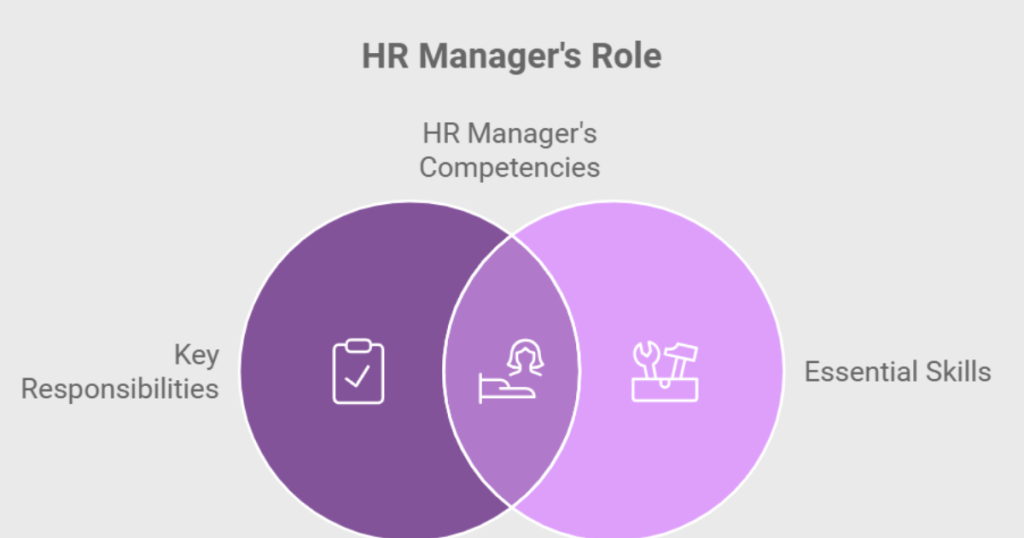
Role Of An HR Manager
The role of an HR Manager is crucial in any organization. They oversee various functions and ensure smooth operations. HR Managers are the backbone of a company’s workforce. They manage employee relations, recruitment, and policy implementation. Their responsibilities are diverse and impactful.
Importance In Organizations
HR Managers hold a vital place in organizations. They maintain a positive work environment. They ensure compliance with labor laws and regulations. Their work directly affects employee satisfaction and retention. HR Managers help build a strong company culture. They play a key role in organizational development.
Daily Responsibilities
HR Managers handle many tasks daily. They manage recruitment processes, from job postings to interviews. They oversee employee onboarding and training. HR Managers address employee grievances and conflicts. They ensure payroll and benefits are managed correctly. Performance evaluations and promotions also fall under their duties.
HR Managers work on developing and implementing HR policies. They ensure these policies align with company goals. They keep up with changes in labor laws. HR Managers also manage employee records and data. They use HR software to streamline their tasks.
Key Responsibilities
The role of an HR Manager is crucial in any organization. They ensure that the company’s workforce is efficient, productive, and satisfied. Understanding the key responsibilities of an HR Manager can provide insight into their vital role. Let’s look at some of these responsibilities.
An HR Manager oversees the recruitment process. They identify staffing needs and create job descriptions. They also post jobs on various platforms. They screen applications and conduct initial interviews. HR Managers collaborate with department heads to make hiring decisions.
Employee relations is another key responsibility. HR Managers handle conflicts and resolve issues among employees. They ensure a positive work environment. They also maintain open communication channels between staff and management. This helps in addressing concerns promptly. HR Managers also organize team-building activities. These activities enhance employee morale and productivity.
Recruitment And Staffing
Recruitment and staffing are crucial duties of an HR Manager. These tasks involve finding the right candidates to fill job positions. The process ensures that the company has the talent needed to achieve its goals. Effective recruitment and staffing strategies help build a strong workforce. They also contribute to the overall success of the organization.
Job Posting
Creating job postings is a key step in recruitment. HR Managers write clear and detailed job descriptions. They highlight the skills and qualifications required. They also mention the responsibilities of the position. The job postings are then shared on various platforms. These can include job boards, company websites, and social media. The goal is to attract the best candidates for the job.
Interviewing Candidates
Interviewing candidates is another important task. HR Managers review resumes and shortlist suitable applicants. They conduct interviews to assess the candidates’ skills and fit for the role. Different types of interviews can be used. These include phone interviews, video interviews, and in-person interviews. The aim is to find the best match for the company’s needs.
Employee Relations
Employee relations is a vital part of an HR manager’s job. This role focuses on maintaining a positive work environment. HR managers handle various aspects to ensure smooth interactions among employees.
Conflict Resolution
Conflicts are inevitable in any workplace. An HR manager steps in to mediate and resolve disputes. They listen to all parties involved and find a fair solution. This helps in maintaining a peaceful work environment. Quick conflict resolution prevents minor issues from escalating. It also boosts employee morale and productivity.
Employee Engagement
Employee engagement is crucial for any organization. HR managers create programs to keep employees motivated. They organize team-building activities and workshops. Regular feedback sessions are also important. Engaged employees are more productive and loyal. They contribute to the company’s success and growth.
Training And Development
Training and development are critical tasks for an HR Manager. These tasks help employees grow their skills and advance in their careers. Proper training leads to higher job satisfaction and productivity. Development programs also help retain top talent within the company. Let’s dive into two key areas: skills assessment and training programs.
Skills Assessment
Skills assessment is the first step in training and development. HR Managers evaluate the skills of each employee. They identify strengths and areas for improvement. This assessment helps create personalized training plans. These plans target specific needs and gaps in skills. Regular assessments ensure continuous growth and development.
Training Programs
Training programs are designed based on the skills assessment. These programs include workshops, seminars, and online courses. They cover various topics like communication, leadership, and technical skills. Training programs help employees stay updated with industry trends. They also prepare employees for higher responsibilities. Effective training programs boost overall performance and job satisfaction.
Performance Management
Performance Management is crucial for an HR Manager. It ensures employees meet their goals and stay motivated. Through structured processes, an HR Manager can help employees improve their performance.
Setting Objectives
Setting clear objectives is the first step in performance management. An HR Manager must define specific, measurable, achievable, relevant, and time-bound (SMART) goals. These goals guide employees and align with the company’s mission.
For instance:
- Specific: Increase sales by 10%.
- Measurable: Track monthly sales reports.
- Achievable: Provide sales training.
- Relevant: Align with company growth.
- Time-bound: Achieve in six months.
Clear objectives help employees understand expectations. It also motivates them to strive for better performance.
Performance Reviews
Performance reviews are essential in assessing employee progress. They provide feedback and identify areas for improvement. An HR Manager conducts these reviews regularly to ensure continuous development.
A typical performance review includes:
| Aspect | Description |
|---|---|
| Self-Assessment | Employees review their performance. |
| Manager’s Assessment | HR Manager evaluates employee performance. |
| Feedback Session | Discuss strengths and areas for improvement. |
Regular reviews help employees stay on track. They also foster a culture of continuous improvement.
Compliance And Legal
An HR Manager’s role includes ensuring compliance with various laws and regulations. They safeguard the company from legal issues. This task is critical for maintaining a fair and lawful workplace.
Labor Laws
HR Managers must understand and apply labor laws. These laws govern working conditions, wages, and benefits. They ensure the company follows all legal requirements. Non-compliance can lead to penalties and lawsuits.
They stay updated with changes in labor laws. This helps them to avoid legal troubles. HR Managers also train employees on these laws. This ensures everyone understands their rights and responsibilities.
Company Policies
HR Managers create and enforce company policies. These policies align with labor laws. They cover areas like harassment, discrimination, and workplace safety. Clear policies help prevent legal issues.
They review and update policies regularly. This keeps the company compliant with new laws. HR Managers also handle policy violations. They investigate complaints and take appropriate action.
Maintaining compliance with laws and policies is a key HR task. It protects the company and its employees. This fosters a safe and fair work environment.
Essential Skills
The role of an HR Manager is crucial in any organization. They oversee various functions such as recruitment, training, and employee relations. To excel in this role, certain essential skills are necessary. These skills help HR Managers navigate their responsibilities effectively and contribute to the organization’s success.
Communication
Communication is a vital skill for HR Managers. They need to convey information clearly to employees and management. Effective communication helps in resolving conflicts and building strong relationships. HR Managers must also be good listeners. This enables them to understand employee concerns and address them promptly.
Leadership
Leadership is another key skill for HR Managers. They guide and motivate their team to achieve organizational goals. Strong leadership involves making informed decisions and being a role model. HR Managers should inspire trust and confidence among employees. This fosters a positive work environment and drives productivity.
Future Of HR Management
The role of an HR Manager is evolving rapidly. The future of HR management promises to be even more dynamic and transformative. This shift is driven by various factors, including technological advances and changing work environments. Let’s explore these aspects.
Technological Advances
Technology is reshaping HR management. New tools and software streamline processes. Automation helps with recruiting and onboarding. Artificial Intelligence (AI) assists in talent acquisition and performance evaluations.
Consider this table highlighting some key technological advances:
| Technology | Benefits |
|---|---|
| AI and Machine Learning | Improved candidate screening |
| HR Analytics | Data-driven decisions |
| Cloud-based HR Software | Remote access to HR tools |
These technologies make HR tasks more efficient. They allow HR managers to focus on strategic initiatives.
Evolving Work Environments
The work environment is constantly changing. Remote work has become more common. HR managers must adapt to virtual teams. Flexible work hours are also in demand. This requires new policies and practices.
Here are some strategies for evolving work environments:
- Implementing remote work policies
- Ensuring effective communication tools
- Providing mental health support
HR managers need to prioritize employee well-being. They must ensure a positive work culture. This is essential for retaining top talent.
Frequently Asked Questions
What Does An HR Manager Do?
An HR Manager oversees recruitment, employee relations, and compliance. They also manage performance evaluations and develop policies.
What Skills Does An HR Manager Need?
An HR Manager needs strong communication, organizational, and problem-solving skills. They should also be proficient in HR software.
How To Become An HR Manager?
To become an HR Manager, obtain a degree in HR or related field. Gain experience and consider certification.
What Is The Role Of HR In A Company?
HR manages hiring, training, and employee relations. They ensure compliance with labor laws and foster a positive workplace culture.
Conclusion
An HR manager plays a crucial role in any organization. They handle hiring, training, and employee relations. Their efforts help create a positive work environment. Employees feel supported and valued. This improves overall productivity and job satisfaction. HR managers ensure policies are fair and consistent.
They address any workplace issues promptly. Understanding their role can help you appreciate their importance. A good HR manager is key to a successful company.