
Human Resource Management tasks are crucial for any organization. They ensure smooth operation and employee satisfaction.
Human Resource Management (HRM) involves various responsibilities. These tasks include recruiting, training, and managing employees. HR professionals focus on creating a productive work environment. They aim to enhance employee performance and organizational growth. With effective HRM, companies can maintain a motivated workforce.
This leads to better business outcomes and reduced turnover rates. Understanding HRM tasks helps in building a strong foundation for any organization. In this blog, we will explore essential HRM tasks. Discover how these tasks contribute to the success of your business. Learn how to implement them effectively for optimal results.
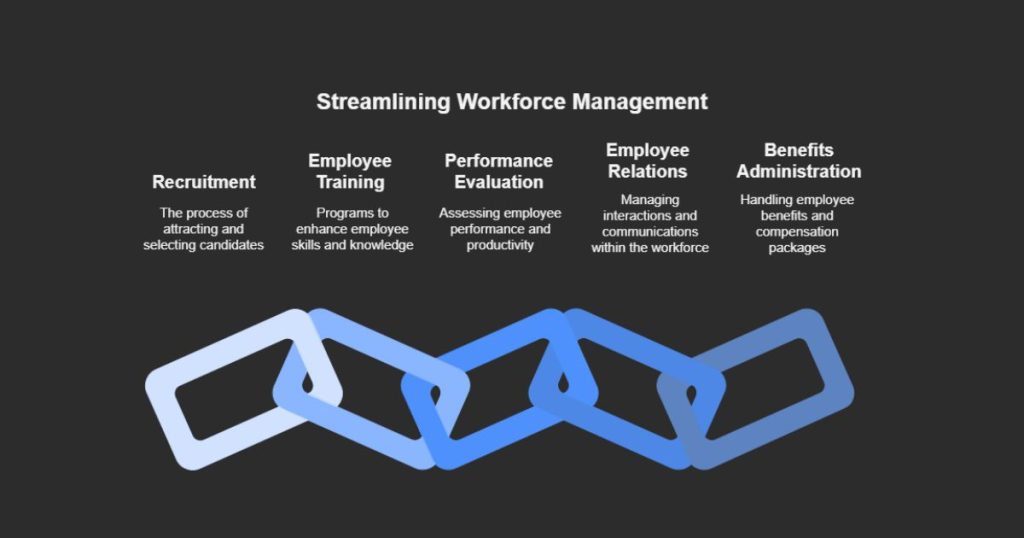
Introduction To HR Management
Human Resource Management (HRM) is the backbone of any successful organization. It involves managing people and ensuring they are productive and satisfied at work. HR tasks range from hiring the right people to developing and retaining talent.
Effective HR management can significantly impact your company’s growth. It ensures that employees are motivated, skilled, and aligned with the company’s goals. Let’s dive into why HR management is crucial and what it aims to achieve.
Importance Of HR
HR is vital for creating a positive work environment. It handles conflict resolution, which can otherwise disrupt the workplace. Consider the time when a minor disagreement between two team members was resolved by HR, preventing it from escalating.
HR also ensures compliance with labor laws. This keeps the company out of legal trouble. Imagine the costly consequences of not adhering to employment regulations.
Moreover, HR plays a crucial role in employee development. Training and development programs help employees grow professionally. This not only boosts their morale but also enhances their productivity.
Goals Of HR Management
The primary goal of HR management is to recruit the best talent. This involves screening resumes, conducting interviews, and selecting candidates who fit the company culture. Have you ever wondered how much a bad hire costs your company?
Another goal is to retain employees. HR achieves this by creating a supportive work environment. For instance, offering competitive salaries and benefits can significantly reduce turnover rates.
HR also focuses on employee engagement. Engaged employees are more productive and loyal. Regular feedback sessions and recognition programs can keep employees motivated.
Lastly, HR aims to develop employees. This includes ongoing training and career development opportunities. By investing in your employees’ growth, you ensure that they contribute effectively to the company.
Recruitment Strategies
Effective recruitment strategies streamline human resource management tasks. These strategies include clear job descriptions, targeted advertising, and efficient interview processes. They ensure the right candidates are hired quickly and effectively.
Recruitment Strategies play a pivotal role in Human Resource Management. They ensure that you attract and hire the best talent. Implementing effective strategies can save time, reduce turnover, and help build a strong team.
Effective Job Descriptions
Crafting an effective job description is the first step in attracting the right candidates. Be clear and concise about the roles and responsibilities. Use simple language that everyone can understand.
Highlight the key qualifications and skills needed. Mention what makes your company unique. This helps candidates see why they should apply to your company over others.
Use bullet points to organize information. This makes the description easy to read. Ensure that your job descriptions are inclusive and free from bias.
Screening And Interviewing
Screening resumes efficiently can save a lot of time. Look for key qualifications and relevant experience. Use software tools to help filter out unqualified candidates.
When it comes to interviewing, preparation is crucial. Develop a list of standard questions. Include both behavioral and technical questions to get a well-rounded view of the candidate.
During the interview, pay attention to both verbal and non-verbal cues. Ask follow-up questions to dig deeper. This will help you understand the candidate’s thought process and problem-solving abilities.
Recruitment is not just about filling a position. It’s about finding the right fit for your team. How can you improve your recruitment strategies? Start by refining your job descriptions and interview processes today.
Employee Onboarding
Employee onboarding is a critical Human Resource Management task that can set the tone for an employee’s entire experience with your company. A structured onboarding process helps new hires feel welcomed, supported, and prepared to succeed in their roles. Effective onboarding also boosts employee retention and productivity.
Orientation Programs
Orientation programs are your new hire’s first real taste of the company culture. These programs should offer a warm welcome and provide essential information about the company’s mission, values, and policies.
Consider starting with a tour of the office or an introduction to key team members. This human touch can make new employees feel valued from day one.
Include interactive sessions where new hires can ask questions and engage with their colleagues. This fosters a sense of belonging and encourages open communication.
Training And Development
Training and development are crucial for helping new employees acquire the skills they need to excel in their roles. This should be a continuous process, starting with the basics and gradually introducing more complex tasks.
Create a structured training plan that outlines what new hires will learn in their first week, month, and quarter. This provides a clear roadmap and sets expectations.
Incorporate a mix of learning methods such as hands-on training, e-learning modules, and mentorship programs. This keeps training engaging and caters to different learning styles.
Have you ever joined a company where the onboarding process felt disorganized or rushed? How did that impact your initial experience? Think about how a well-structured onboarding process could have made a difference.
Remember, the goal of onboarding is not just to get new hires up to speed but also to make them feel like they are an integral part of the team. An effective onboarding process is the first step towards building a loyal and productive workforce.
Performance Management
Performance management is a crucial aspect of human resource management. It involves setting clear objectives, providing regular feedback, and fostering a culture of continuous improvement. When done right, it can significantly boost employee morale and productivity.
Setting Objectives
Setting clear and achievable objectives is the first step in performance management. Objectives give employees a clear direction and help them understand what is expected of them.
Think about your own experiences. Have you ever felt lost without clear goals? Setting specific and measurable objectives can prevent that.
For instance, instead of saying, “Improve sales,” you could say, “Increase sales by 10% over the next quarter.” This gives employees a clear target to aim for.
Regular Feedback
Regular feedback is essential for effective performance management. It helps employees understand how they are doing and where they can improve.
Imagine working on a project for months without any feedback. It can be frustrating, right? Regular feedback prevents this frustration and keeps employees motivated.
Make feedback a two-way street. Encourage employees to share their thoughts and concerns. This can lead to valuable insights and a more engaged workforce.
Have you considered how often you provide feedback? Regular check-ins, even if brief, can make a big difference.
Performance management is not just about evaluating past performance. It’s about setting employees up for future success. By setting clear objectives and providing regular feedback, you can create a more motivated and productive team.
Employee Engagement
Employee engagement is more than just a buzzword. It’s about how connected your employees feel to their work and your company. When employees are engaged, they are more productive and motivated, leading to better business outcomes.
Let’s look at some practical ways to boost employee engagement.
Motivation Techniques
Motivation is key to employee engagement. One effective technique is setting clear goals. When employees know what’s expected, they work towards achieving those targets.
Another method is providing regular feedback. Constructive feedback helps employees improve and feel valued.
Consider flexible working hours. Allowing employees to manage their time can lead to increased satisfaction and productivity.
Recognition Programs
Recognition programs can significantly boost morale. Simple gestures like a thank-you note can go a long way.
Implement an “Employee of the Month” program. Public recognition can motivate others to perform better.
Offering rewards for good performance, such as gift cards or extra time off, can also be effective. Tangible rewards show that you appreciate their hard work.
How do you recognize your team’s efforts? Share your thoughts in the comments below!
HR Technology
Human Resource Management has evolved significantly with the advent of technology. HR Technology is transforming the way HR tasks are performed, making processes more efficient and data-driven. Let’s delve into some key aspects of HR Technology.
HR Software Solutions
HR software solutions are essential for modern HR departments. These tools streamline various HR tasks such as recruitment, payroll, and performance management. For instance, using an applicant tracking system (ATS) can save you hours in sorting resumes and scheduling interviews.
Imagine not having to manually update employee records. HR software can automatically update these details, reducing errors and saving time. It also ensures that you stay compliant with labor laws by keeping accurate records.
Have you ever forgotten to send out a crucial email to a candidate? HR software can automate these communications, ensuring that no step is missed. This not only improves efficiency but also enhances the candidate experience.
Data Analytics
Data analytics in HR is a game changer. It helps you make informed decisions based on hard data rather than gut feelings. For example, analyzing employee turnover rates can reveal patterns that help you address retention issues.
Consider the insights you can gain from performance data. By identifying high-performing employees, you can create targeted development programs to nurture talent. This not only boosts productivity but also improves employee satisfaction.
Have you thought about how data can improve your recruitment process? By analyzing the sources of your most successful hires, you can focus your efforts on these channels. This targeted approach saves time and resources, leading to better hires.
What if you could predict future HR trends in your organization? Predictive analytics can help you anticipate issues before they become problems. This proactive approach can significantly enhance your HR strategy.
HR Technology is not just a luxury but a necessity in today’s fast-paced world. By leveraging HR software solutions and data analytics, you can streamline your processes, make better decisions, and ultimately, create a more efficient and effective HR department. What HR technology will you explore next to transform your HR tasks?
Compliance And Legal Issues
Compliance and legal issues are critical components of Human Resource Management. HR professionals must ensure that their organization complies with various laws and regulations. Failure to do so can lead to significant legal consequences, financial penalties, and damage to the company’s reputation.
Labor Laws
Understanding labor laws is essential for HR managers. These laws cover a wide range of issues, including minimum wage, overtime pay, and employee rights. Staying updated with changes in labor laws can be challenging but is necessary to avoid legal trouble.
For example, the Fair Labor Standards Act (FLSA) in the United States sets out specific requirements for employee compensation. You must ensure your payroll practices comply with FLSA to avoid costly lawsuits. How do you keep up with changing labor laws? Regular training and consulting with legal experts can be beneficial.
Workplace Safety
Workplace safety is another crucial area of compliance. Ensuring a safe working environment is not only a legal requirement but also a moral one. The Occupational Safety and Health Administration (OSHA) provides guidelines to help organizations maintain safe workplaces.
Consider conducting regular safety audits and training sessions. This proactive approach can prevent accidents and ensure compliance with safety regulations. Have you ever thought about how your organization handles workplace safety? Simple measures like proper signage and emergency drills can make a significant difference.
Incorporating these compliance and legal issues into your HR practices is crucial. By staying informed and proactive, you can protect your organization and create a better workplace for your employees. Remember, compliance is an ongoing process. What steps will you take to ensure your HR practices meet legal standards?
Future Trends In HR
The field of Human Resource Management (HRM) evolves constantly. Future trends in HR will reshape how companies manage their employees. Understanding these trends is crucial for staying competitive and effective.
Remote Work
Remote work has become a significant trend in HR. Many companies now offer flexible work options. Employees can work from home or other locations. This approach increases job satisfaction. It also reduces overhead costs for companies. Managing remote teams requires new strategies. Effective communication and collaboration tools are essential. Regular virtual meetings help maintain team cohesion.
Ai In Hr
AI in HR is another emerging trend. Artificial intelligence can streamline many HR tasks. For example, AI can automate resume screening. This saves time and ensures a fair selection process. AI also helps in employee engagement. It can analyze feedback and suggest improvements. Performance reviews can be more accurate with AI. Predictive analytics can forecast employee turnover. This allows HR to take proactive measures.
Frequently Asked Questions
What Are The 7 Tasks Of Human Resource Management?
The 7 tasks of human resource management are recruitment, training, performance management, employee relations, compensation and benefits, compliance, and safety.
What Tasks Does Human Resource Management Involve?
Human resource management involves recruiting, training, employee relations, performance management, benefits administration, compliance with labor laws, and strategic planning.
What Are The 5 Typical Tasks Of An Hr Manager?
HR managers recruit and hire employees. They handle employee relations and resolve conflicts. They manage payroll and benefits. They ensure compliance with labor laws. They develop and implement training programs.
What Are The 5 Basic Functions Of Human Resource Management?
The five basic functions of human resource management are: 1. Recruitment and staffing. 2. Training and development. 3. Employee relations. 4. Compensation and benefits. 5. Compliance and safety.
Conclusion
Effective human resource management tasks are crucial for business success. Managing employees well boosts productivity. Clear communication helps resolve conflicts. Training programs enhance skills and growth. Regular feedback improves performance. Proper task delegation ensures efficiency. HR management shapes a positive workplace culture.
Prioritizing these tasks supports a thriving work environment. Investing in HR practices benefits both employees and the company. Remember, strong human resources lead to a stronger organization. Keep these tasks in mind for a harmonious and productive team.