
Lead Generation Management helps businesses find potential customers. It involves tracking and nurturing leads to convert them into clients.
Effective lead generation management is crucial for business growth. It streamlines the process of attracting and engaging potential clients. Businesses can miss out on valuable opportunities without proper management. It ensures that leads are tracked and followed up efficiently. This leads to higher conversion rates and better customer relationships.
Understanding lead generation management can help businesses stay competitive. It allows them to focus on strategies that work best. In this blog, we will explore the key aspects of lead generation management. You will learn how to optimize your efforts and improve results. Stay tuned to discover practical tips and insights!
Introduction To Lead Generation
Lead generation is a key part of marketing. It involves attracting potential customers. These potential customers are known as leads. Businesses use various strategies to capture these leads. The goal is to convert them into paying customers.
Effective lead generation boosts business growth. It helps in building a pipeline of prospective clients. These clients show interest in your products or services. Good lead generation practices can elevate your business performance.
Importance Of Lead Generation
Lead generation is vital for any business. It creates a steady stream of potential customers. These leads are essential for sustaining and growing your business. Without lead generation, you may struggle to find new clients.
It also helps in understanding customer preferences. This knowledge allows businesses to tailor their marketing efforts. Personalized marketing can improve customer engagement. It leads to higher conversion rates.
Impact On Sales Funnel
Lead generation directly impacts the sales funnel. The sales funnel includes all steps from awareness to purchase. Lead generation fills the top of the funnel with prospects. These prospects then move through the funnel stages.
Effective lead generation ensures a constant flow of leads. This consistency is crucial for maintaining a healthy sales pipeline. It also helps in predicting future sales. With more leads entering the funnel, the chances of conversion increase.
In summary, lead generation is a cornerstone of successful marketing. It brings in new potential customers. It also supports the overall sales process. Understanding its importance can significantly benefit your business.
Identifying Target Audience
Identifying your target audience is a crucial step in lead generation management. Without knowing who you are aiming to reach, your efforts can become scattered and inefficient. Understanding your audience allows you to tailor your strategies and messages specifically to their needs and preferences.
Market Research Techniques
Market research is the foundation of identifying your target audience. It involves gathering information about your industry, competitors, and potential customers. Start by examining current trends and patterns in your market.
Look at who is already buying your products or services. Utilize surveys, focus groups, and social media polls to get direct feedback. Don’t overlook online tools like Google Analytics to analyze visitor data on your website.
Personal experience: I once discovered a surprising trend through a simple survey. Our customers were more interested in a product feature we hadn’t highlighted. This insight led to a successful marketing campaign tailored to their preferences.
Creating Buyer Personas
Buyer personas are fictional characters that represent your ideal customers. They help you understand your audience’s demographics, behaviors, and motivations. Start by creating profiles based on real data collected during market research.
Include details like age, gender, job title, and interests. Add information about their challenges and goals. This will guide your content creation and marketing strategies.
Imagine you are talking to a specific person when crafting your messages. This approach makes your communication more personal and effective. Ask yourself: Would this message resonate with “John,” a 35-year-old manager looking for efficiency solutions?
Identifying your target audience is not just a one-time task. It’s an ongoing process that evolves with your business and market changes. Stay connected with your audience and adapt your strategies accordingly. Who is your ideal customer, and how well do you know them?
Effective Lead Generation Strategies
Effective lead generation strategies are crucial for growing your business. They help attract and convert potential customers. By using the right methods, you can increase your chances of success. Below are some effective lead generation strategies you can use.
Content Marketing
Content marketing is a powerful way to generate leads. Create valuable content that addresses your audience’s needs. Blog posts, videos, and infographics can attract potential customers. Make sure your content is engaging and informative. Use keywords that your target audience searches for. This helps improve your search engine ranking. Share your content on social media to reach a broader audience. Consistent and high-quality content builds trust and authority. This can turn readers into leads.
Email Campaigns
Email campaigns are another effective lead generation strategy. Build a list of potential customers’ email addresses. Offer something valuable in exchange for their email, like a free ebook. Segment your email list based on interests and behavior. This helps you send targeted messages. Personalized emails have a higher open rate. Use engaging subject lines to grab attention. Include a clear call-to-action in each email. Track your email campaign’s performance to make improvements. A well-executed email campaign can generate many leads.
Leveraging Social Media
Social media offers a powerful platform for lead generation management. Engaging content and targeted ads attract potential customers effectively. Building relationships through social interactions boosts lead conversion rates.
Leveraging social media for lead generation is a game changer. It allows you to connect directly with your audience, engage them, and convert interest into action. Social media platforms offer unique opportunities to identify and nurture potential customers.
Platforms For Lead Generation
Choosing the right social media platform is crucial. Each platform has its own strengths and user demographics.
For B2B, LinkedIn is gold. You can connect with industry professionals, share insights, and drive conversations that matter.
Facebook is versatile for both B2B and B2C. With targeted ads and groups, you can reach specific audiences and foster community engagement.
Instagram is perfect for visual content. Showcase your products, share stories, and engage with a younger audience.
Twitter is great for real-time updates and customer service. Engage with followers and participate in trending conversations.
Select the platforms that align with your business goals and audience.
Engagement Tactics
Engagement is key to converting social media interactions into leads. Here are some tactics to try:
Regularly post valuable content. Share tips, news, and insights relevant to your audience. This keeps them coming back for more.
Use interactive content like polls, Q&A sessions, and live videos. These formats encourage direct interaction and build rapport.
Respond promptly to comments and messages. Show your audience that you value their input and are there to help.
Host contests and giveaways. These can boost engagement and expand your reach. Ensure the prizes are relevant to your business to attract potential leads.
Collaborate with influencers. Partnering with influencers can amplify your message and attract their followers to your brand.
Have you ever tried these tactics? What worked best for your business?
By strategically leveraging social media platforms and engaging your audience effectively, you can turn interactions into valuable leads.
Utilizing SEO And SEM
Lead generation is crucial for any business looking to grow. Utilizing SEO and SEM can significantly enhance your lead generation efforts. Both strategies focus on bringing potential customers to your website, but they do so in different ways. Here’s how you can use SEO and SEM effectively in your lead generation management.
SEO Best Practices
Search Engine Optimization (SEO) is all about improving your website’s visibility in search engine results. Start with keyword research. Find out what your potential customers are searching for and use those keywords naturally in your content.
Optimize your website’s on-page elements. This includes title tags, meta descriptions, and header tags. Make sure your website is mobile-friendly and has a fast loading speed. Search engines prioritize websites that offer a good user experience.
Content is king. Regularly update your blog with high-quality, relevant content. This not only attracts visitors but also signals to search engines that your site is active. Don’t forget about backlinks. These are links from other websites to yours and can significantly boost your SEO.
Sem Campaigns
Search Engine Marketing (SEM) involves paid strategies to increase your visibility on search engines. Create targeted ads that appear when users search for specific keywords. This can give you immediate visibility and attract potential leads quickly.
Use tools like Google Ads to manage your SEM campaigns. Set a budget, choose your keywords, and design your ads. Monitor your campaign’s performance regularly. Check metrics like click-through rates and conversion rates to see how effective your ads are.
A/B testing is crucial in SEM. Run different versions of your ads to see which ones perform better. This helps you optimize your campaigns for better results. Also, make sure your landing pages are optimized. They should be relevant to the ad and have clear calls to action.
Both SEO and SEM are powerful tools for lead generation. By following best practices in both, you can attract more potential customers to your website and convert them into leads. What strategies have you found most effective in your lead generation efforts?
Conversion Rate Optimization
Conversion Rate Optimization (CRO) is crucial for turning your website visitors into leads. It involves fine-tuning your site to maximize the percentage of users who complete a desired action. This could be filling out a form, subscribing to a newsletter, or making a purchase.
Focusing on CRO can significantly boost your lead generation efforts. You’ll get more value from your existing traffic. Plus, it can provide insights into user behavior, helping you make better marketing decisions.
Landing Page Design
Your landing page design can make or break your conversion rates. A clean and intuitive design keeps visitors engaged. Use clear headlines that convey your value proposition instantly.
Include strong call-to-action (CTA) buttons that stand out. Make sure your forms are easy to fill out and don’t ask for unnecessary information. A cluttered page can overwhelm visitors, leading them to leave without converting.
Have you ever left a website because it was too confusing? Your visitors feel the same way. Keep it simple and focused.
A/b Testing
A/B testing is a powerful tool for improving your conversion rates. It involves comparing two versions of a web page to see which one performs better. Even small changes can lead to significant improvements.
Test different headlines, CTA placements, and color schemes. You might be surprised at what works best. Analyze the data to understand why one version outperformed the other.
Have you ever thought about what your visitors prefer? A/B testing gives you the answers. It takes the guesswork out of optimization.
By focusing on Conversion Rate Optimization, you can make the most out of your existing traffic. Start with effective landing page design and rigorous A/B testing. You’ll see your lead generation efforts pay off.
Managing Leads Efficiently
Efficient lead generation management ensures potential customers move smoothly through the sales funnel. Proper tracking and timely follow-ups boost conversion rates and build strong customer relationships.
Managing leads efficiently is crucial for any business looking to convert potential customers into loyal clients. Poor lead management can result in missed opportunities and wasted resources. Effective lead management, however, can significantly boost your sales and marketing efforts, ensuring that no potential lead falls through the cracks.
CRM Tools
Customer Relationship Management (CRM) tools are essential for managing leads. They help you organize contact information, track interactions, and automate follow-ups.
I once used a simple spreadsheet to track leads. It was messy and inefficient. Switching to a CRM tool transformed my process. I could easily see where each lead was in the sales funnel. Automations saved me hours every week.
CRM tools also allow for better collaboration within your team. Everyone can access the same information, ensuring consistency and preventing miscommunication. Think about the last time you lost a lead because someone on your team didn’t have the right information.
Lead Scoring
Lead scoring is another crucial aspect of efficient lead management. This process involves assigning values to leads based on their behavior and engagement.
A friend of mine once managed leads without scoring them. It was like fishing in the dark. She didn’t know which leads were worth pursuing. Implementing lead scoring changed everything. She could focus on the most promising leads, which improved her conversion rates.
Lead scoring helps prioritize leads, ensuring your sales team focuses on those most likely to convert. This way, you don’t waste time on leads that aren’t ready to buy. Imagine how much more effective your team could be with this level of focus.
In conclusion, managing leads efficiently with CRM tools and lead scoring can significantly enhance your business operations. It saves time, reduces errors, and ensures your team focuses on the right opportunities. How will you improve your lead management strategy today?
Analyzing Lead Generation Performance
Analyzing lead generation performance is crucial for any business. Understanding your lead generation efforts can help optimize future strategies. This involves tracking key metrics and adjusting strategies based on the data. A thorough analysis ensures your lead generation is effective and efficient.
Key Metrics To Track
Tracking the right metrics is vital for understanding lead generation performance. These metrics provide insights into your efforts and help identify areas for improvement.
Conversion rates are a top metric. They show the percentage of leads who become customers. A high conversion rate means your strategies are effective.
Lead quality is another important metric. Not all leads are equal. Some are more likely to convert than others. High-quality leads are those who match your target audience.
Cost per lead is also essential. It measures the amount spent to acquire a lead. Lower costs mean better efficiency.
Engagement metrics, like email open rates and click-through rates, provide insights into your content’s effectiveness. High engagement means your content resonates with your audience.
Adjusting Strategies
Adjusting strategies based on performance metrics is key to improvement. If conversion rates are low, review your sales funnel. Identify any barriers that may prevent leads from converting.
If lead quality is poor, revisit your targeting. Ensure your marketing messages reach the right audience. Fine-tune your content to attract more qualified leads.
High cost per lead means you need to improve efficiency. Analyze your spending and identify areas to cut costs without sacrificing quality.
Low engagement rates indicate your content may not be relevant. Test different content types and messages. Find what resonates best with your audience.
Regularly reviewing and adjusting strategies ensures your lead generation efforts are always improving. Stay proactive and responsive to changes in performance metrics.
Future Trends In Lead Generation
Lead generation is evolving rapidly. Businesses strive to find new ways to attract and retain customers. Future trends are reshaping this landscape. Understanding these trends can help companies stay ahead. Let’s explore two key areas driving change: AI and automation, and personalization techniques.
Ai And Automation
Artificial Intelligence is transforming lead generation. It can analyze large datasets quickly. It identifies patterns in customer behavior. This helps in targeting the right audience. Automation streamlines repetitive tasks. It frees up time for strategic planning. Together, AI and automation enhance efficiency.
Chatbots are a prime example. They engage visitors in real-time. They answer queries instantly. This immediate response boosts customer satisfaction. Predictive analytics is another powerful tool. It forecasts future trends based on past data. This helps in making informed decisions. AI and automation are essential for modern lead generation.
Personalization Techniques
Personalization is crucial in lead generation. Customers expect tailored experiences. Personalized content resonates more with audiences. It increases engagement and conversion rates. Companies use data to understand preferences. This data-driven approach helps create relevant content.
Email marketing is a popular personalization tool. Personalized emails have higher open rates. They encourage recipients to take action. Dynamic website content also plays a role. It adjusts based on visitor behavior. This makes the user experience more relevant and engaging. Personalization is key to effective lead generation.
Conclusion And Takeaways
Lead generation management plays a crucial role in business growth. Efficiently managing leads ensures higher conversion rates and better customer relationships. Let’s summarize the key points and actionable steps to enhance your lead generation efforts.
Summary Of Key Points
Lead generation involves identifying and attracting potential customers. Effective strategies include using various channels, such as social media, email marketing, and content marketing. Nurturing leads through personalized communication and timely follow-ups is essential. Tracking and analyzing data helps refine strategies and improve results.
Actionable Steps
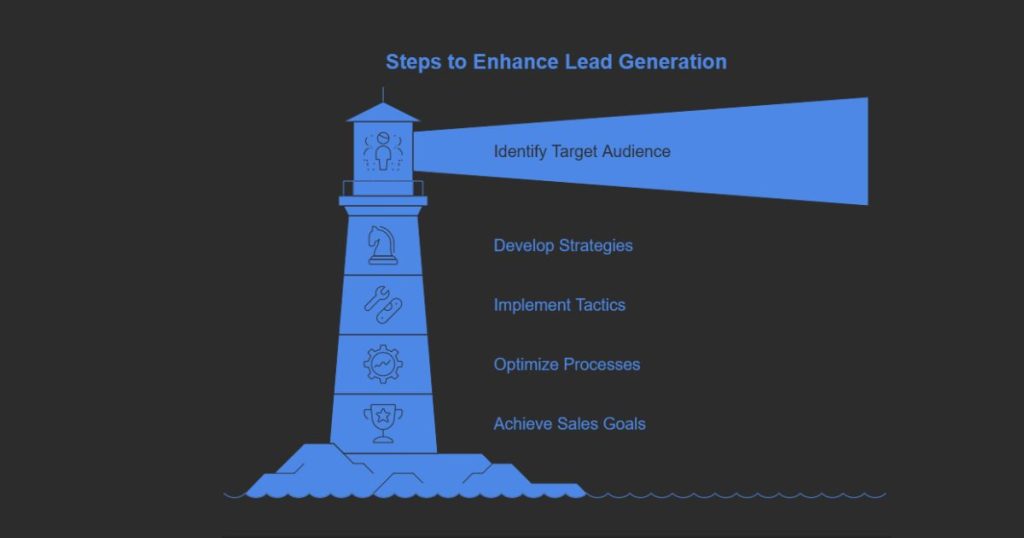
First, identify your target audience. Understand their needs and preferences. Create compelling content that addresses their pain points. Use multiple channels to reach a wider audience. Implement lead scoring to prioritize high-quality leads. Engage with leads through personalized communication. Track your progress using analytics tools. Adjust your strategies based on data insights.
Frequently Asked Questions
What Is Lead Generation Management?
Lead generation management involves tracking and nurturing potential customers to convert them into leads. It optimizes marketing efforts and sales processes.
Which Are The 4 Steps Of The Lead Generation Process?
The 4 steps of the lead generation process are: 1. Identify your target audience. 2. Create engaging content. 3. Promote your content. 4. Convert leads through follow-up strategies.
What Are The 3 Approaches Of Lead Generation?
The three approaches of lead generation are content marketing, email marketing, and social media marketing. Content marketing attracts prospects with valuable information. Email marketing nurtures leads through personalized communication. Social media marketing engages and captures potential customers through platforms like Facebook and LinkedIn.
How Much Do Companies Pay For Lead Generation?
Companies typically pay between $20 to $200 per lead. Costs vary by industry, target audience, and lead quality.
Conclusion
Effective lead generation management is crucial for business growth. Implementing the right strategies ensures a steady flow of potential clients. Always track and analyze your results. Adjust tactics as needed. Remember, understanding your audience is key. Engage with them consistently.
Stay proactive, and your efforts will pay off. Improve your processes regularly. Success in lead generation requires patience and persistence. Keep refining your approach. Your business will benefit significantly.