
IT security is the protection of computer systems from theft or damage. It ensures data stays private and safe from attacks.
In our digital world, protecting information is crucial. IT security covers various techniques to keep data secure. It involves safeguarding networks, devices, and programs from unauthorized access. As cyber threats grow, knowing IT security basics is vital. This post will explore key aspects of IT security.
Understanding these can help protect personal and business information. Dive in to learn why IT security matters and how it works.
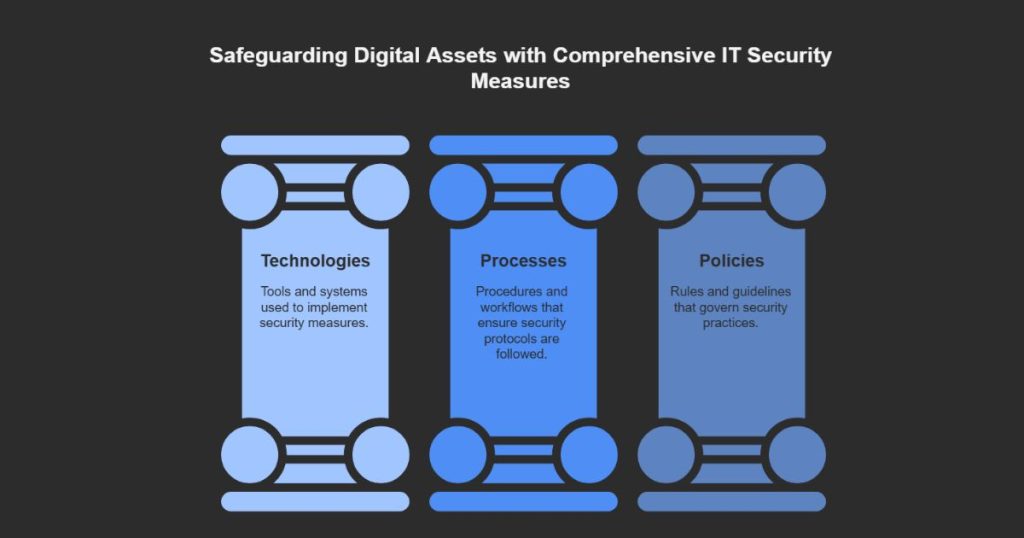
Introduction To It Security
IT security is crucial in today’s digital world. It protects sensitive data from threats. This includes hackers, malware, and viruses. Organizations rely on IT security to keep information safe. Without it, data breaches can occur. These breaches can cause significant harm. They can affect both individuals and companies.
Importance Of It Security
IT security is vital for several reasons. It safeguards personal information. This includes social security numbers and bank details. Companies also protect their intellectual property. This can be trade secrets and client data. Effective IT security helps in maintaining trust. Customers and clients feel safe. They know their data is secure. Furthermore, IT security ensures business continuity. It prevents disruptions caused by cyber-attacks.
Evolution Of It Security
IT security has evolved over the years. Initially, it focused on physical security. This included securing computer rooms and hardware. With the internet, new threats emerged. IT security then included software protection. Firewalls and antivirus programs became common. Today, the focus is on advanced threats. This includes ransomware and phishing attacks. Modern IT security uses AI and machine learning. These technologies detect and respond to threats faster.
Common Threats
In the world of IT Security, understanding common threats is crucial. These threats can cause significant damage to individuals and organizations. Awareness helps in taking preventive measures. Let’s dive into some of the most common threats.
Malware
Malware stands for malicious software. It includes viruses, worms, and trojans. These programs harm your computer or steal your data. Viruses attach to files and spread when opened. Worms replicate themselves and spread across networks. Trojans disguise as legitimate software but perform harmful actions. Always use antivirus software and keep it updated.
Phishing Attacks
Phishing attacks trick you into giving personal information. Attackers often use email or fake websites. These emails look like they come from trusted sources. They ask for sensitive data like passwords or credit card numbers. Always verify the source before sharing personal information. Avoid clicking on suspicious links or attachments. Use multi-factor authentication for added security.
Security Measures
In today’s world, protecting your digital life is crucial. IT security helps shield your personal and professional data from cyber threats. But how do we achieve this? Let’s explore some key security measures that can keep your information safe.
Antivirus Software
Antivirus software is like a guard dog for your computer. It scans and detects any malicious software trying to sneak in. Once it finds a threat, it removes or quarantines it. This ensures your system stays clean and safe.
Consider antivirus software as a must-have tool. It provides:
- Real-time protection: Constantly scans your system for threats.
- Automatic updates: Keeps virus definitions up-to-date.
- System scans: Regularly checks your computer for issues.
Using antivirus software can prevent many common cyber attacks. It is a simple yet powerful way to protect your data.
Firewalls
Imagine a firewall as a bouncer at a club. It decides who gets in and who stays out. In the digital world, firewalls control the traffic that enters and leaves your network. This helps block unauthorized access and keeps your system secure.
Firewalls offer several benefits:
- Network protection: Shields your network from unwanted traffic.
- Access control: Determines which programs can connect to the internet.
- Monitoring: Keeps an eye on incoming and outgoing data.
Setting up a firewall is crucial for maintaining a secure network environment. It acts as the first line of defense against cyber threats.
By using both antivirus software and firewalls, you can significantly enhance your IT security. These measures work together to provide comprehensive protection for your digital assets.
Network Security
When we talk about IT security, network security is one of the most crucial elements. It involves protecting your network from unauthorized access, misuse, and theft. Imagine your network as a fortress; network security is the sturdy walls, the watchtowers, and the vigilant guards ensuring no intruders get in. In this blog post, we’ll dive into some important aspects of network security, such as securing Wi-Fi networks and using Virtual Private Networks (VPNs).
Securing Wi-fi Networks
Wi-Fi networks are everywhere, from homes to coffee shops, making our lives easier. But with convenience comes risk. An unsecured Wi-Fi network is like leaving your front door open. So, how can you secure your Wi-Fi network?
- Change Default Settings: Most routers come with default usernames and passwords. Always change these to something unique.
- Enable Encryption: Use WPA3 (Wi-Fi Protected Access 3) for strong encryption. If your router doesn’t support WPA3, use WPA2.
- Hide Your Network: You can hide your network name (SSID) so it’s not visible to everyone.
- Use a Strong Password: Ensure your Wi-Fi password is complex and hard to guess.
By taking these steps, you can make it much harder for unauthorized users to access your network.
Virtual Private Networks (VPNS)
Another layer of network security is using Virtual Private Networks (VPNs). A VPN creates a secure, encrypted connection over the internet. It’s like sending a letter in a sealed envelope instead of a postcard. Here are some benefits of using a VPN:
- Privacy: VPNs hide your IP address, making your online activity more private.
- Security: Data sent through a VPN is encrypted, protecting it from hackers.
- Access: VPNs can help you access content that is restricted in your region.
Imagine you are sipping coffee at your favorite café and using their Wi-Fi. With a VPN, your data is secure even on public networks.
In conclusion, securing your Wi-Fi networks and using VPNs are essential steps in fortifying your network security. Just like you wouldn’t leave your front door open, don’t leave your network unprotected. Stay safe online!
Data Protection
Data protection is a crucial aspect of IT security. It ensures sensitive information remains confidential and safe from unauthorized access. Effective data protection involves several strategies, including encryption and backup methods. These approaches help maintain the integrity and availability of data, ensuring business continuity even during cyber threats or system failures.
Encryption
Encryption converts data into a coded format. Only authorized users can decode it. This method protects data both at rest and in transit. Strong encryption algorithms make it challenging for hackers to access sensitive information. Many organizations use encryption to safeguard financial records, personal data, and intellectual property.
Backup Strategies
Backup strategies involve creating copies of data. These copies are stored in separate locations. Regular backups ensure data recovery in case of data loss. Several types of backups exist, including full, incremental, and differential. Each type offers different benefits. Full backups copy all data, while incremental and differential backups save only changes since the last backup. Choosing the right strategy depends on the organization’s needs and resources.
User Education
Understanding IT security is crucial for everyone. It’s not just for IT professionals. User education is a key part of IT security. It helps people recognize threats and manage their passwords safely.
Password Management
Passwords are the first line of defense. They protect your accounts from unauthorized access. Many people use simple passwords. This is risky. Strong passwords should be long and unique. Avoid using common words or easily guessed information. A good practice is using a mix of letters, numbers, and symbols.
Another important aspect is password management. Never reuse passwords across different sites. If one site is hacked, all your accounts are at risk. Consider using a password manager. It helps you store and generate strong passwords. This way, you only need to remember one master password.
Recognizing Threats
Threats come in many forms. Phishing emails are common. They look like they come from a trusted source. But they aim to steal your information. Be cautious with unsolicited emails. Do not click on unknown links or download attachments from strangers.
Malware is another threat. It can infect your computer through malicious downloads or compromised websites. Keep your antivirus software up to date. Always scan downloads before opening them. Avoid visiting suspicious websites.
Education is the best defense. Stay informed about the latest threats. Regular training sessions can help. They keep everyone aware and vigilant. Remember, the more you know, the safer you are.
It Security Policies
IT security policies play a crucial role in safeguarding an organization’s digital assets. These policies define the rules and procedures for ensuring IT security. They guide employees on how to handle data, use devices, and protect sensitive information. Effective IT security policies can prevent data breaches and ensure compliance with regulations.
Creating Policies
Creating IT security policies involves several steps. First, identify the assets that need protection. These can include data, software, and hardware. Next, assess the risks associated with these assets. Understand the potential threats and vulnerabilities. Then, draft the policies. Use clear and concise language. Specify the acceptable use of resources and outline security measures. Also, include guidelines for incident response.
Once the policies are drafted, review them with stakeholders. This ensures that the policies align with business goals. It also helps in gaining support from various departments. Finally, document the policies. Make them easily accessible to all employees. Regularly update the policies to address new threats and changes in technology.
Enforcing Policies
Enforcing IT security policies is as important as creating them. Start by educating employees about the policies. Conduct training sessions to explain the rules and their importance. Use real-life examples to make the sessions engaging. Provide employees with resources to help them follow the policies.
Monitor compliance with the policies. Use tools and software to track adherence. Regular audits can also help in identifying gaps. Address non-compliance immediately. Implement corrective actions and provide additional training if necessary. Encourage employees to report security incidents. Create a culture where security is a shared responsibility.
Reward compliance to reinforce positive behavior. Recognize employees who follow the policies diligently. Use incentives to motivate others. Remember, consistent enforcement builds a strong security culture. It minimizes risks and protects the organization’s assets.
Future Of It Security
The future of IT security is rapidly evolving. As technology advances, so do the threats and challenges. Staying ahead in this field is crucial. Protecting sensitive data is more important than ever. Let’s explore the emerging technologies and ongoing challenges in IT security.
Emerging Technologies
New technologies are shaping IT security. Artificial Intelligence (AI) can detect threats faster. AI learns from past data to predict future attacks. Blockchain technology offers secure transactions. It creates an unchangeable record of data. Quantum computing will bring new encryption methods. Stronger encryption means better security. These technologies aim to protect data more effectively.
Ongoing Challenges
Despite advancements, challenges remain. Cybercriminals are becoming more sophisticated. They find new ways to bypass security measures. Keeping up with these threats is a constant battle. Human error also poses a risk. Employees might fall for phishing scams. Training staff on security practices is vital. Another challenge is balancing security with usability. Strong security measures can sometimes hinder user experience. Finding a balance is key to effective IT security.
Frequently Asked Questions
What Do You Mean By It Security?
IT security means protecting computer systems, networks, and data from unauthorized access, cyberattacks, and damage. It ensures confidentiality, integrity, and availability of information.
What Are The Four Types Of It Security?
The four types of IT security are network security, information security, endpoint security, and cloud security. Network security protects data during transfer. Information security safeguards data storage. Endpoint security secures devices like computers and smartphones. Cloud security protects data stored online.
What Is The Role Of It Security?
IT security protects digital information from unauthorized access, theft, and damage. It ensures data integrity and confidentiality.
What Does An It Security Person Do?
An IT security person protects computer systems and networks from cyber threats. They implement security measures, monitor for breaches, and respond to incidents. They also ensure compliance with security policies and conduct regular audits to identify vulnerabilities. Their goal is to safeguard sensitive data and maintain system integrity.
Conclusion
IT security is crucial in today’s digital age. It protects data and systems. Implementing strong IT security measures prevents cyber threats. Regular updates and training enhance your defense. Stay vigilant and informed. Your digital safety depends on it. Embrace IT security to safeguard your information.