
Augmented Reality (AR) is changing how we learn. It brings lessons to life.
Imagine a world where textbooks turn into 3D models. Augmented Reality in education does just that. It offers interactive and engaging learning experiences. Students can explore the solar system, dissect virtual frogs, and visit historical sites, all from their classrooms.
This technology helps to make learning more interesting and fun. It also caters to different learning styles, making education more inclusive. With AR, lessons become memorable and easier to understand. Dive into this exciting topic to discover how AR is shaping the future of education.
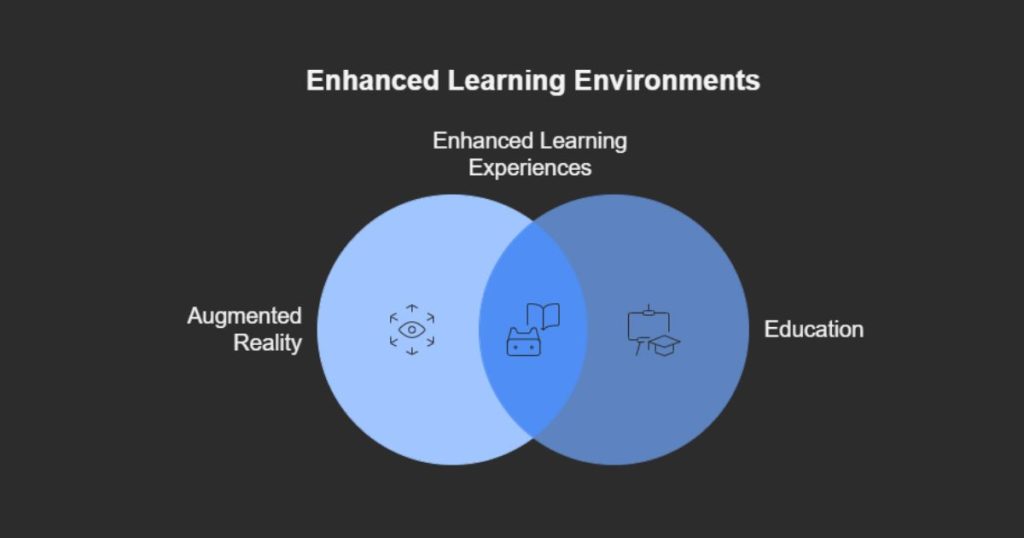
Introduction To Augmented Reality
Augmented Reality (AR) is changing the way we learn. Imagine a classroom where lessons come to life. With AR, students can interact with 3D models, see historical events unfold, and explore virtual worlds. This technology bridges the gap between theoretical knowledge and practical experience.
AR in education offers immersive experiences. Students can visualize complex concepts. This can lead to better understanding and retention of information. Teachers can use AR to make lessons more engaging. It can transform ordinary lessons into extraordinary learning experiences.
What Is Augmented Reality?
Augmented Reality overlays digital content on the real world. It uses devices like smartphones and tablets. AR enhances what we see and hear. For example, a student can point their device at a book and see animations or videos related to the content.
AR is different from Virtual Reality (VR). VR creates a completely virtual environment. AR adds digital elements to the real environment. This makes it easier for users to interact with both digital and real-world objects simultaneously.
Brief History Of Ar In Education
AR has been around for decades. Its roots trace back to the 1960s. Early forms of AR were used in military training and simulations. In the 1990s, AR started to appear in consumer technology. This included gaming and entertainment.
In the 2000s, AR began to enter the educational field. Schools started experimenting with AR applications. These included interactive textbooks and educational games. Today, AR is becoming more common in classrooms worldwide. It is used to teach subjects ranging from science to history.
AR’s growth in education continues. New applications and tools are developed regularly. This ensures that students benefit from the latest advancements in technology.
Benefits Of AR In Education
Augmented Reality (AR) is changing the face of education. It brings a digital layer to the real world, making learning more interactive. Students can now experience lessons in a 3D space. This method has many benefits for learners.
Enhanced Engagement
AR makes lessons more engaging. Students interact with 3D models and animations. This interaction captures their attention. Learning becomes fun and exciting. This high level of engagement keeps students interested. They are more likely to stay focused during lessons.
Improved Retention
AR helps students remember information better. Seeing and interacting with 3D objects aids memory. It makes abstract concepts easier to understand. Students can visualize complex ideas. This hands-on approach enhances retention.
AR Applications In Classrooms
Augmented Reality in education brings interactive learning to classrooms. Students explore 3D models and virtual environments. This technology makes lessons more engaging and memorable.
Augmented Reality (AR) applications in classrooms are transforming traditional teaching methods. Teachers use AR to create dynamic and engaging learning environments. This technology makes lessons more interactive and captivating for students.
Interactive Lessons
AR makes lessons interactive and fun. Teachers use AR apps to bring subjects to life. For instance, in a biology class, students can explore the human body in 3D. They can see organs, muscles, and bones in detail. This hands-on experience helps students understand complex concepts better.
Teachers can also use AR in history lessons. AR apps can recreate historical events. Students can see battles, ancient cities, and famous speeches. This visual learning helps students remember information. It also makes learning more exciting.
Virtual Field Trips
AR allows students to go on virtual field trips. They can visit places they could never go in real life. For example, students can explore the surface of Mars. They can walk through the Great Wall of China. They can even visit the Louvre Museum.
These virtual trips are not just fun. They are educational. Students learn about different cultures and places. They also develop a sense of curiosity and wonder. Teachers can guide these trips and provide additional information. This makes learning more comprehensive and enjoyable.
In summary, AR applications in classrooms are making education more engaging and effective. Interactive lessons and virtual field trips are just the beginning. The possibilities are endless.
AR For Special Education
Augmented Reality (AR) is transforming education, making learning more interactive and immersive. But have you ever thought about its potential in special education? AR can be a game-changer for students with unique needs, providing tailored support and learning experiences. Let’s explore how AR can enhance special education.
Assistive Technologies
AR can serve as an excellent assistive technology for students with disabilities. Imagine a student with visual impairments. AR glasses can read text aloud and describe surroundings, making the classroom more accessible.
For students with hearing impairments, AR can display real-time captions of what the teacher is saying. This ensures they don’t miss out on any information. Assistive AR tools can bridge gaps and foster inclusivity in learning.
Personalized Learning
Every student is unique, and AR allows for personalized learning experiences. Students with autism, for instance, can benefit from AR apps that teach social skills through interactive scenarios. They can practice conversations and receive instant feedback in a safe environment.
AR can also adapt to different learning paces. If a student struggles with math, AR apps can offer additional practice and step-by-step guidance. This personalized approach ensures that no student is left behind.
How do you think AR can further tailor the learning experience for students with special needs? Share your thoughts and ideas in the comments below.
Challenges Of Implementing AR
Integrating augmented reality in education faces significant hurdles. Schools often lack the necessary technology and funding. Teachers require training to effectively use AR tools.
Augmented Reality (AR) in education offers exciting possibilities but also presents several challenges. Before diving into the benefits, it’s crucial to understand these hurdles to better navigate the path to successful implementation.
Cost And Accessibility
One of the primary challenges is the cost. AR technology can be expensive to develop and maintain. Schools with limited budgets may struggle to afford AR devices and software.
Accessibility is another issue. Not all students have access to the necessary technology. This can create a digital divide, where some students are left behind.
Consider rural areas where internet access is limited. Implementing AR in such regions becomes a logistical nightmare. How do you ensure every student benefits equally?
Technical Limitations
Technical limitations also pose significant challenges. AR requires robust hardware and software. Older devices may not support AR applications, leading to compatibility issues.
Software glitches can disrupt the learning process. Imagine a lesson being interrupted by a malfunctioning app. It’s frustrating for both teachers and students.
Moreover, technical support is crucial. Schools need IT staff to manage and troubleshoot AR technology. This adds another layer of complexity and cost.
Despite these challenges, AR has immense potential in education. Addressing these hurdles can pave the way for more immersive and interactive learning experiences. Are you ready to tackle these challenges head-on?
Case Studies Of AR In Schools
Augmented Reality (AR) is transforming education. It offers interactive and engaging learning experiences. Many schools have adopted AR to enhance student learning. Let’s explore some case studies that highlight its impact.
Successful Implementations
One notable example is the use of AR in a primary school in California. Teachers used AR to teach science. Students could see 3D models of the human body. This made learning anatomy more interactive and fun. The students’ engagement levels increased significantly.
Another successful implementation is in a high school in Japan. The school integrated AR in history lessons. Students could explore ancient civilizations through AR glasses. This immersive experience made history come alive. Students showed a deeper understanding of historical events.
Lessons Learned
From these case studies, several lessons emerged. First, AR needs proper planning. Schools must train teachers to use AR tools effectively. Without training, the technology can be underutilized.
Second, content quality matters. AR applications should be well-designed and relevant to the curriculum. Poor quality content can distract rather than educate. Schools should choose AR apps that align with their learning goals.
Lastly, student feedback is crucial. Regular feedback helps in refining AR experiences. It ensures the technology meets student needs and enhances learning.
Future Of AR In Education
The future of Augmented Reality (AR) in education looks bright. AR is transforming classrooms into interactive learning spaces. Students engage with content in ways never before possible. This technology bridges the gap between theory and practice.
As AR tools advance, they become more accessible. Schools can use them to enhance learning experiences. Teachers can provide real-time feedback, making lessons more dynamic. Let’s explore some emerging trends and potential developments in this field.
Emerging Trends
AR apps are becoming more user-friendly. Developers are creating educational content tailored to different age groups. This makes learning more personalized and effective.
AR is also moving beyond the classroom. Field trips can now include AR elements, providing students with immersive experiences. This helps them understand complex concepts in a practical context.
Another trend is the integration of AR with other technologies. For example, AR combined with Artificial Intelligence (AI) can offer adaptive learning. This means the content adjusts to each student’s learning pace.
Potential Developments
Future AR tools could feature more advanced simulations. These would allow students to experiment in a virtual lab. Such tools can enhance subjects like chemistry, biology, and physics.
There is also potential for AR to support remote learning. Students could access AR content from home, making education more inclusive. This is especially useful for students in remote areas.
Lastly, AR could help in special education. Custom AR applications can cater to different learning needs. This ensures all students have equal learning opportunities.

Frequently Asked Questions
How Is Augmented Reality Used In Education?
Augmented reality enhances education by creating interactive, immersive learning experiences. It helps visualize complex concepts, making lessons engaging and easier to understand.
What Is An Example Of Augmented Reality In Teaching?
An example of augmented reality in teaching is using AR apps to visualize 3D models in subjects like biology or history.
What Are The 4 Difficulties In Using Augmented Reality Ar In Education?
High costs, limited technical expertise, insufficient hardware, and lack of content are key challenges in using AR in education.
What Is An Example Of Augmentation In Education?
An example of augmentation in education is using tablets for interactive learning. These devices enhance traditional teaching methods, making lessons more engaging.
Conclusion
Augmented Reality in education offers exciting opportunities for students and teachers alike. It makes learning interactive and engaging. Students can visualize complex concepts easily. Teachers can create immersive lessons. This technology can bridge gaps in understanding. It encourages curiosity and exploration.
AR can transform traditional classrooms into dynamic learning environments. As AR continues to evolve, its impact on education will grow. Embracing this technology can enhance educational experiences. The future of learning looks bright with AR.