
Investing can be a smart way to grow your money. It may also seem confusing at first.
With the right guidance, you can make wise choices and watch your wealth expand. In today’s world, many people want to invest but feel unsure where to begin. Investing is not just for the rich; anyone can start. Understanding the basics can help you avoid mistakes and make better decisions.
From stocks to real estate, there are many ways to invest. This blog will offer simple tips to help you get started. These tips will be easy to follow and can make investing less intimidating. By the end, you’ll feel more confident about where to put your money. So, let’s dive in and explore the world of investing together.
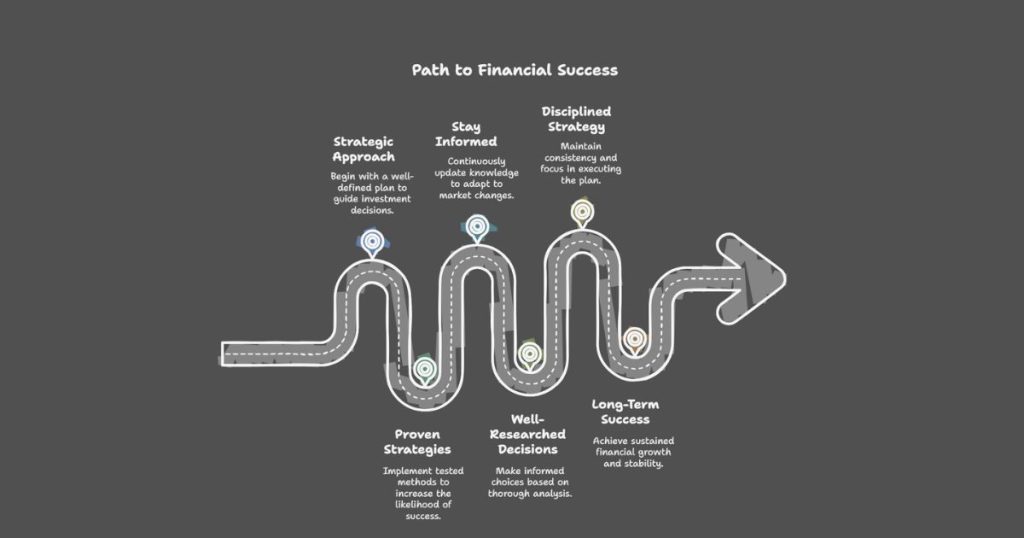
Setting Financial Goals
Investing can be overwhelming without clear financial goals. Setting financial goals helps you understand why you are investing and what you hope to achieve. This clarity can guide your decisions and help you stay focused.
Short-term Goals
Short-term goals are objectives you want to achieve within a year or two. These could include saving for a vacation, buying a new gadget, or building an emergency fund. Short-term investments should be low-risk to ensure your money is safe. Consider options like savings accounts or short-term bonds.
Long-term Goals
Long-term goals are financial targets set for the future, such as retirement, buying a house, or funding your child’s education. These goals usually span several years or decades. Long-term investments can be more aggressive, including stocks, mutual funds, or real estate. The key is to diversify and stay patient. Over time, these investments can grow significantly.
Understanding Risk
Investing can be a great way to build your wealth, but it’s crucial to understand the risks involved. By comprehending the nature of investment risks, you can make more informed decisions and avoid unnecessary losses. Let’s dive into the concept of risk in investing and how you can navigate it effectively.
Risk Tolerance
Your risk tolerance is essentially how much risk you are comfortable taking on. It’s important to assess this before making any investment decisions. Ask yourself: Can you handle the potential loss of your investment?
Everyone’s risk tolerance is different. Some people can stomach high volatility, while others prefer safer, more predictable returns. Reflect on your financial goals, investment horizon, and emotional capacity to handle ups and downs.
For instance, if you are young and investing for retirement, you might have a higher risk tolerance. This is because you have more time to recover from potential losses. On the other hand, if you are nearing retirement, you might prefer conservative investments to protect your nest egg.
Risk Management
Once you understand your risk tolerance, the next step is to manage those risks. Diversification is one of the most effective ways to do this. By spreading your investments across different asset classes, you reduce the impact of any single investment’s poor performance.
Think of it as not putting all your eggs in one basket. If one investment fails, others may still perform well, balancing your portfolio. You can diversify by investing in stocks, bonds, real estate, and more.
Another key aspect of risk management is setting stop-loss orders. These are automatic sell orders that execute when an investment’s price drops to a certain level. This helps you limit losses and protect your capital.
Lastly, stay informed and keep learning. The investment landscape changes rapidly. By staying updated, you can make timely adjustments to your portfolio and manage risks more effectively.
Understanding and managing risk is a continuous process. How do you plan to assess your risk tolerance and manage your investments? Share your thoughts and experiences in the comments!
Diversifying Investments
Investing in different assets reduces risk and increases potential returns. Mix stocks, bonds, and real estate for balance. Spread your investments across industries to avoid heavy losses.
Investing can seem daunting, but one of the most effective strategies to maximize returns and minimize risks is diversifying your investments. Diversification means spreading your money across various assets to ensure you are not reliant on the success of a single investment. This approach can help you weather market volatility and create a more stable portfolio.
Asset Classes
Diversifying across different asset classes is crucial. Asset classes include stocks, bonds, real estate, and commodities.
Each asset class behaves differently under market conditions. For instance, when stock markets are down, bonds might perform better. You can balance your portfolio by including a mix of these assets.
If you’re heavily invested in tech stocks, consider adding some bonds or real estate investments. This way, you are less exposed to the risks of a single sector.
Geographic Diversification
Investing in different geographical regions is another powerful diversification strategy. Economic cycles vary across countries. While one country might be in a recession, another could be experiencing growth.
You can invest in international stocks or mutual funds that focus on global markets. This will spread your risk across various economies.
Imagine having all your investments in one country. A political event could impact the entire portfolio. By investing globally, you reduce this risk.
Have you considered how geopolitics can affect your investments? Geographic diversification can help you navigate these uncertainties.
Diversifying investments is not just about spreading your money; it’s about being smart with your choices. Use these tips to build a robust and resilient investment portfolio.
Research And Analysis
Effective research and analysis are key tips for investing. Understand market trends and study financial statements before making decisions.
Investing can be a rewarding journey if you have the right tools and knowledge. A critical part of this journey is Research and Analysis. This process helps you make informed decisions and mitigate risks. Let’s dive into some essential tips, focusing on fundamental and technical analysis.
Fundamental Analysis
Fundamental analysis is about evaluating a company’s intrinsic value. This means looking at financial statements, earnings reports, and market conditions. Are you checking the company’s revenue growth?
Companies with consistent revenue growth often signal stability.
Look at the profit margins. Higher profit margins can indicate efficient management.
Examine the debt levels. Companies with lower debt are generally safer investments.
Don’t forget the P/E ratio. A lower P/E ratio might mean the stock is undervalued.
Consider how these factors align with your investment goals.
Technical Analysis
Technical analysis is all about patterns and charts. This method focuses on the price movements and trading volumes.
Do you watch the stock’s moving averages? These can help you identify trends.
Support and resistance levels are key. They can indicate when to buy or sell.
Use indicators like the Relative Strength Index (RSI). This helps you understand if a stock is overbought or oversold.
Candlestick patterns can offer insights into market sentiment.
How do you feel about using these tools? They might seem complex at first, but with practice, they become second nature.
Both fundamental and technical analysis have their strengths. Combining them can give you a more comprehensive view.
So, what’s your next step in mastering these analyses? Start small, stay curious, and keep refining your approach. Happy investing!
Investment Tools
Investing can be both exciting and daunting. Having the right investment tools can make a big difference. They can help you make informed decisions and maximize your returns. Whether you are new or experienced, the right tools can simplify the process.
Online Platforms
Online platforms have become popular for investing. They offer easy access to a wide range of assets. You can invest in stocks, bonds, and mutual funds. These platforms are user-friendly. They provide real-time data and analysis. You can start with a small amount of money. Many platforms offer educational resources. They help you understand market trends and make better choices.
Financial Advisors
Financial advisors offer personalized advice. They help you create a tailored investment plan. Advisors consider your financial goals and risk tolerance. They provide guidance on asset allocation. This helps diversify your portfolio and reduce risk. Advisors also monitor your investments. They make adjustments as needed. This ensures that your plan stays on track. Working with a financial advisor can provide peace of mind.
Monitoring Investments
Monitoring your investments is crucial to ensure your financial growth and stability. By keeping a close eye on your investments, you can make informed decisions and avoid potential losses. Below are some practical tips to help you stay on top of your investment game.
Regular Reviews
Make it a habit to review your investments regularly. Set a specific time each month or quarter to go over your portfolio. This helps you stay informed about your investments’ performance and make necessary adjustments.
During these reviews, check if your investments align with your financial goals. Are they performing as expected? If not, consider reallocating your funds to better-performing assets.
Regular reviews also help you identify any potential risks. By spotting issues early, you can take action to mitigate them, protecting your investments from significant losses.
Performance Metrics
Use performance metrics to evaluate your investments effectively. Metrics like return on investment (ROI), earnings per share (EPS), and price-to-earnings (P/E) ratio can provide valuable insights.
For example, ROI helps you understand how much profit you’re making from an investment relative to its cost. If your ROI is lower than expected, it might be time to reassess that investment.
Similarly, the P/E ratio can indicate whether a stock is overvalued or undervalued. A high P/E ratio might suggest that a stock is overpriced, while a low P/E ratio could indicate a potential bargain.
By using these metrics, you can make more informed decisions and optimize your investment strategy.
How often do you review your investments? Are you using the right metrics to gauge their performance?
Stay proactive and keep learning. Your financial future depends on it.
Tax Considerations
Consider tax implications before investing. Different investments have varying tax treatments. Understanding these can help optimize returns and minimize tax liabilities.
Investing can be a complex journey, especially when you start considering the tax implications of your decisions. Understanding tax considerations can significantly impact your overall investment returns. Navigating through these can seem daunting, but with the right strategies, you can optimize your investments for tax efficiency.
Tax-efficient Investing
When you think about tax-efficient investing, focus on minimizing the taxes you pay on your investments.
Utilize tax-advantaged accounts like IRAs or 401(k)s. These accounts can help you defer taxes until you withdraw the funds, potentially in a lower tax bracket.
Consider investing in tax-efficient funds like index funds or ETFs. These typically generate fewer taxable events compared to actively managed funds.
Be mindful of asset location. Place tax-inefficient investments, such as bonds, in tax-advantaged accounts. Keep tax-efficient investments, like stocks, in taxable accounts.
Capital Gains
Capital gains are the profits you make when you sell an asset for more than you paid for it.
Short-term capital gains are taxed at your regular income tax rate. If you hold an investment for less than a year, you could face a higher tax bill.
Long-term capital gains, on the other hand, are taxed at a lower rate. Holding onto your investments for over a year can significantly reduce your tax liability.
Think about timing your sales to manage capital gains. If you have losses from other investments, use them to offset gains and reduce your taxable income.
Have you ever sold an investment only to face an unexpected tax bill? Planning ahead for capital gains can help you avoid such surprises.
By paying attention to tax considerations, you can make smarter investment decisions and keep more of your hard-earned money. What strategies do you use to manage the tax impact on your investments?
Retirement Planning
Investing for retirement is essential for financial security. A well-thought-out plan ensures you can enjoy your later years without financial stress. Understanding different retirement strategies helps you maximize your savings and achieve your goals.
Retirement Accounts
Retirement accounts are crucial for retirement planning. Popular options include 401(k), IRA, and Roth IRA. Each has unique benefits and tax implications. 401(k) accounts often offer employer matching, which boosts your savings. Traditional IRAs provide tax-deferred growth, while Roth IRAs allow tax-free withdrawals in retirement.
Choosing the right account depends on your financial situation. Consider your current income, tax bracket, and future goals. Diversifying your investments within these accounts helps balance risk and reward. Regular contributions and employer matching can significantly grow your retirement fund.
Withdrawal Strategies
Withdrawal strategies are vital for managing your retirement funds. Proper planning ensures you don’t outlive your savings. One common strategy is the 4% rule. Withdraw 4% of your retirement savings annually. This method aims to provide a steady income while preserving your principal.
Another approach is the bucket strategy. Divide your savings into different buckets based on short-term, mid-term, and long-term needs. This method helps manage cash flow and investments. Consider the timing of withdrawals to minimize tax impact. Consult a financial advisor to tailor strategies to your unique needs.
Building A Portfolio
Start with clear goals for your investments. Diversify assets to reduce risk. Regularly review and adjust your portfolio.
Investing can be a rewarding journey, but the first crucial step is building a solid portfolio. Your portfolio acts like a personal roadmap, guiding you through market ups and downs. The right mix of investments can help you achieve your financial goals while managing risk effectively.
Balanced Portfolio
A balanced portfolio is all about diversity. It includes a mix of stocks, bonds, and other assets to spread out risk. Think of it like a balanced diet—too much of one thing is never good.
Adding stocks can provide growth. Bonds can offer stability. Consider including some real estate or mutual funds for extra variety.
Your risk tolerance matters. If you’re risk-averse, lean more towards bonds. If you can handle more risk, add more stocks. Balance is key.
Growth Portfolio
A growth portfolio focuses on assets with the potential for high returns. It’s ideal if you’re aiming for significant growth over time.
Stocks are the main ingredient here. Look for companies with strong growth potential. Tech companies are a popular choice, given their rapid innovation.
You might include some high-risk, high-reward investments. Think startups or emerging markets. These can boost your returns, but they come with more risk.
Remember, a growth portfolio isn’t just about high returns. It’s about patience and long-term vision. Are you ready to ride out the market’s highs and lows for big future gains?
Building the right portfolio can seem daunting, but the rewards are worth it. Start with these tips, and you’ll be on your way to smarter investing. What’s your next move in building your portfolio?
Avoiding Common Mistakes
Investing wisely requires avoiding common mistakes like emotional decisions and not diversifying your portfolio. Research thoroughly and stay informed to make better choices.
Investing can be a lucrative way to grow your wealth, but it’s easy to make mistakes that can cost you dearly. Avoiding common mistakes is crucial to ensuring a successful investment journey. Here are some practical tips to help you steer clear of the most common pitfalls.
Emotional Investing
Emotional investing is one of the biggest mistakes you can make. It’s easy to get excited when the market is up or panic when it’s down. But basing your decisions on emotions can lead to poor choices.
I once bought a stock because everyone else seemed to be buying it. The hype made me feel like I was missing out. But as soon as the excitement died down, the stock plummeted, and I lost a significant amount of money.
Instead, make decisions based on research and logic. Create a plan and stick to it. If you feel emotional, take a step back and reassess.
Market Timing
Trying to time the market is another common mistake. Many believe they can predict the perfect time to buy low and sell high. However, this strategy rarely works.
I tried to time the market during a downturn, thinking I could buy at the lowest point. But the market continued to drop, and I ended up buying too early. Conversely, I missed out on gains because I sold too soon, fearing another drop.
Focus on long-term investments instead. Invest regularly, regardless of market conditions. This approach, known as dollar-cost averaging, can reduce the impact of market volatility.
Have you ever let emotions drive your investment decisions? Or tried to time the market? Reflect on these experiences to improve your strategy.
Invest wisely and learn from past mistakes. This way, you can build a more secure financial future.
Frequently Asked Questions
What Is The 50 30 20 Rule For Investing?
The 50 30 20 rule suggests allocating 50% of income to needs, 30% to wants, and 20% to savings or investments. This budgeting method helps manage finances effectively and ensures a balanced approach to spending and saving.
What Is The Best Advice For Investing?
Diversify your portfolio to spread risk. Invest for the long term and avoid trying to time the market. Conduct thorough research before investing. Keep emotions in check and stay patient. Regularly review and adjust your investments as needed.
What Is The 5 Rule In Investing?
The 5 rule in investing advises diversifying, setting long-term goals, understanding risks, keeping costs low, and staying informed.
Is $1000 Enough To Start Investing?
Yes, $1000 is enough to start investing. Begin with low-cost index funds or ETFs to diversify your portfolio.
Conclusion
Investing wisely can secure your financial future. Start by setting clear goals. Research various investment options. Diversify your portfolio to manage risks. Stay informed about market trends. Regularly review your investments. Seek professional advice when needed. Patience and discipline are key to success.
Avoid making impulsive decisions. Consistent effort can lead to rewarding outcomes. Follow these tips to build a strong financial foundation. Happy investing!