
Personal finance investing is a crucial part of managing your money. It involves using your funds wisely to grow your wealth over time.
Investing can seem intimidating at first, but it doesn’t have to be. By understanding the basics, you can make informed decisions that align with your financial goals. Whether you are saving for retirement, a home, or education, investing can help you reach these milestones.
This guide will provide you with essential knowledge to get started on your investment journey. We will cover the different types of investments, the risks involved, and strategies to maximize your returns. Let’s dive into the world of personal finance investing and learn how to make your money work for you.
Introduction To Personal Finance Investing
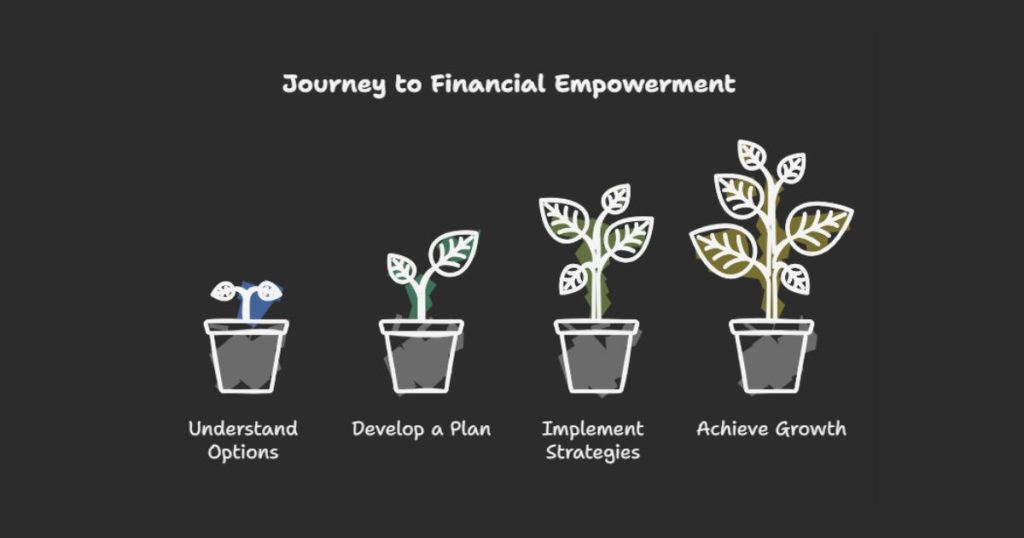
Investing in personal finance is like planting a tree. It starts small, but with time and care, it can grow into something significant. Understanding the basics of personal finance investing can provide you with financial security and growth.
Importance Of Investing
Investing is crucial because it helps you build wealth over time. By putting your money to work, you can generate additional income through interest, dividends, or capital gains. This extra income can help you achieve financial goals like buying a home, funding education, or retiring comfortably.
Consider this: if you save $100 a month in a regular savings account, you might end up with just $1,200 at the end of the year. However, if you invest that same $100 in a diversified portfolio, your money could grow significantly more, depending on the rate of return. That’s the power of investing.
Investing also helps you beat inflation. Inflation erodes the purchasing power of your money over time. By investing, you can earn returns that outpace inflation, ensuring your money retains its value.
Basic Concepts
Understanding some basic concepts can make investing less intimidating. Start with the idea of risk and return. Generally, the higher the potential return, the higher the risk. Stocks, for example, can offer high returns but come with high volatility. On the other hand, bonds are typically safer but offer lower returns.
Diversification is another key concept. By spreading your investments across different asset classes (like stocks, bonds, and real estate), you reduce your risk. If one investment performs poorly, others might perform well, balancing your overall portfolio.
Consider the time value of money. Money invested today has the potential to grow more than money invested later. This is due to compounding, where you earn returns not just on your initial investment but also on the returns that investment generates over time. The sooner you start investing, the more you can benefit from compounding.
Lastly, think about your investment goals. Are you saving for a short-term goal like a vacation, or a long-term goal like retirement? Your goals will influence your investment strategy. For short-term goals, you might prefer safer investments, while for long-term goals, you can afford to take on more risk.
Have you started investing yet? If not, what’s holding you back? Understanding these basic concepts can give you the confidence to start. Remember, every small step you take today can lead to significant financial growth in the future.
Setting Financial Goals
Setting financial goals is crucial to successful personal finance investing. Without clear goals, it’s easy to lose track of your progress and miss opportunities. Whether you’re saving for a vacation or planning for retirement, having specific targets helps you stay focused and motivated.
Short-term Goals
Short-term goals are usually targets you aim to achieve within a year. These could be saving for a new gadget, a vacation, or building an emergency fund. The key is to be specific and realistic. Instead of saying “I want to save money,” set a clear target like “I want to save $1,000 in six months.”
Personally, I found setting short-term goals incredibly motivating. Seeing your savings grow each month can be a huge morale booster. Try breaking down your goal into monthly or weekly targets. For instance, save $100 a month or $25 a week. This makes the goal feel more manageable.
What short-term goals can you set that will make a noticeable difference in your life?
Long-term Goals
Long-term goals are typically set for periods longer than a year. These could include buying a house, retirement planning, or funding your child’s education. Long-term goals require more planning and commitment. They often involve larger amounts of money and longer time frames.
When setting long-term goals, think about your future needs and aspirations. For example, I started a retirement fund early to ensure a comfortable life after work. You might decide to invest in a diversified portfolio or start a college fund for your kids.
What long-term goals will help you build the future you dream of?
Setting financial goals is not just about making plans; it’s about creating a roadmap to your financial success. Take the time to define what you want to achieve both in the short and long term. Your future self will thank you.
Budgeting For Investments
Creating a budget for investments helps manage personal finances effectively. Allocate funds wisely to maximize returns and minimize risks.
Budgeting for Investments is a crucial step to secure your financial future. It ensures that you have a clear plan on how to allocate your funds, making sure your investments are consistent with your financial goals. This section will guide you through creating a budget and allocating funds effectively.
Creating A Budget
Creating a budget is the first step towards successful investment. Start by listing your income sources. This includes your salary, side hustle earnings, and any other regular income.
Next, list all your monthly expenses. Separate them into fixed expenses like rent, and variable expenses like groceries and entertainment. This will help you understand where your money is going.
Once you have a clear picture of your income and expenses, subtract your total expenses from your total income. This will give you an idea of how much money you can allocate towards investments.
Allocating Funds
Allocating funds for investments requires careful consideration. Start by setting aside a portion of your income for an emergency fund. This should cover 3-6 months of living expenses. It’s crucial for unexpected situations.
After securing your emergency fund, decide what percentage of your income you want to invest. A common approach is the 50/30/20 rule. Allocate 50% for needs, 30% for wants, and 20% for savings and investments.
Consider diversifying your investments. You can invest in stocks, bonds, real estate, or mutual funds. Diversification reduces risk and increases potential returns.
Think about long-term and short-term goals. Are you saving for retirement or a vacation next year? Your investment choices should align with your goals.
Allocating funds wisely ensures that you are not putting all your eggs in one basket. It also helps you manage risk while aiming for higher returns.
How much are you willing to invest in your future? Start budgeting today to find out!
Understanding Investment Options
Explore various investment options to grow your personal finances. Choose between stocks, bonds, mutual funds, and real estate. Each option offers different benefits and risks.
Investing can be overwhelming, especially with so many options available. Understanding different investment choices helps you make informed decisions. This section breaks down some common investment options, making it easier for you to navigate the financial landscape.
Stocks And Bonds
Stocks represent ownership in a company. When you buy a stock, you own a piece of that company. Stocks can offer high returns, but they come with higher risk. They can be volatile, meaning their value can go up and down frequently.
Bonds are different. They are loans you give to a company or government. In return, you receive interest payments. Bonds are generally safer than stocks, but they usually offer lower returns.
Stocks suit those who are comfortable with risk and seek higher returns. Bonds are ideal if you prefer stability and regular income.
Mutual Funds And Etfs
Mutual funds pool money from many investors to buy a diversified portfolio of stocks, bonds, or other assets. They are managed by professionals, making them a good choice if you lack time or expertise. Mutual funds can be actively or passively managed. Actively managed funds aim to outperform the market but come with higher fees.
ETFs, or Exchange-Traded Funds, are similar to mutual funds but trade like stocks on an exchange. They often have lower fees and offer flexibility. You can buy and sell ETFs throughout the trading day.
Mutual funds are great for long-term investors who prefer a hands-off approach. ETFs offer flexibility and cost savings, appealing to more active traders.
Choosing the right investment depends on your goals, risk tolerance, and investment horizon. Consider what matters most to you. Is it growth, income, or a balance of both? Understanding these investment options can guide you to make choices that fit your financial journey.
Risk Management Strategies
Managing risk in personal finance investing involves diversifying investments and setting clear financial goals. Regularly review and adjust your portfolio to stay on track.
Managing risk is a crucial part of personal finance investing. You need to protect your investments from market volatility and financial downturns. Let’s dive into some effective risk management strategies.
Diversification
Diversification is key. Don’t put all your money in one investment. Spread it across different asset classes—stocks, bonds, and real estate.
Consider investing in various industries too. If one sector tanks, others might perform better. This way, you can balance potential losses.
Think about geographic diversification as well. Investing in international markets can provide a hedge against local economic issues.
Risk Assessment
Know your risk tolerance. How much risk are you willing to take? This depends on factors like your age, financial goals, and investment horizon.
Use tools to assess risk. Many online platforms offer risk assessment questionnaires. These can help you understand your risk profile.
Regularly review your investments. The market changes, and so might your financial situation. Adjust your portfolio to align with your current risk tolerance.
Have you considered how much you can afford to lose? This question can guide you in setting limits on your investments.
Effective risk management in personal finance investing involves continuous learning and adjusting. It’s not a set-it-and-forget-it approach. Stay engaged and proactive in managing your investments.
Building An Investment Portfolio
Crafting an investment portfolio involves selecting diverse assets to grow your wealth. Balance risk and reward to achieve financial goals.
Building an Investment Portfolio
Creating a solid investment portfolio is crucial for achieving your financial goals. Whether you’re saving for retirement, a vacation, or just want to grow your wealth, a well-structured investment portfolio can make all the difference. Let’s dive into the key aspects of building an effective portfolio.
Asset Allocation
Asset allocation is the process of spreading your investments across different asset classes like stocks, bonds, and cash. This helps to minimize risk and maximize returns.
Imagine you put all your money in stocks. If the stock market crashes, so does your portfolio. Diversifying into bonds and cash can cushion the impact.
Think of asset allocation as the recipe for your financial success. The right mix depends on your risk tolerance, investment goals, and time horizon.
Rebalancing Your Portfolio
Rebalancing your portfolio is like tuning a musical instrument. Over time, some investments grow faster than others, distorting your desired asset allocation.
Rebalancing involves periodically adjusting your investments to maintain your original asset allocation. This keeps your portfolio in harmony with your financial goals.
For instance, if stocks outperform bonds, you may need to sell some stocks and buy more bonds. This ensures you’re not taking on more risk than you’re comfortable with.
When was the last time you checked your portfolio’s balance? Regular rebalancing can protect your investments from market fluctuations.
Building an investment portfolio requires thoughtful planning and ongoing adjustments. Asset allocation and rebalancing are essential steps that keep your investments aligned with your goals. What steps will you take today to ensure your portfolio is on track?
Tax-efficient Investing
Tax-efficient investing can help you keep more of your returns. By understanding tax rules, you can minimize the taxes you owe. This means more money stays in your pocket. Let’s explore some key strategies.
Tax-advantaged Accounts
Tax-advantaged accounts offer benefits to investors. Examples include 401(k)s, IRAs, and Roth IRAs. Contributions to these accounts may reduce your taxable income. In a 401(k) or traditional IRA, you defer taxes until withdrawal. Roth IRAs work differently. Contributions are taxed upfront, but withdrawals in retirement are tax-free.
Health Savings Accounts (HSAs) are another option. They offer triple tax benefits. Contributions are tax-deductible. Growth is tax-free. Withdrawals for medical expenses are also tax-free. These accounts can be powerful tools for tax-efficient investing.
Capital Gains Strategies
Capital gains tax applies to profits from selling investments. Holding investments for over a year can lead to lower tax rates. This is known as long-term capital gains. Short-term gains, from investments held less than a year, are taxed at higher rates.
Tax-loss harvesting is another strategy. It involves selling investments at a loss to offset gains. This can reduce your taxable income. Reinvesting the proceeds in similar assets can help maintain your portfolio balance.
Understanding these strategies can help you invest more efficiently. By minimizing taxes, you can grow your wealth more effectively.
Monitoring And Adjusting Investments
Investing in personal finance requires ongoing attention. You can’t just set it and forget it. Monitoring and adjusting investments ensures they align with your financial goals. This process involves tracking performance and making necessary adjustments.
Performance Tracking
Tracking the performance of your investments is crucial. Regularly check how your investments are doing. Compare their performance against your goals. Use tools and apps to help with this. Many financial institutions offer these for free.
Look at the returns over different periods. This could be monthly, quarterly, or yearly. Analyze the risk and return. Understand if the returns justify the risks taken. Keep an eye on market trends. They can affect the performance of your investments.
Making Adjustments
Sometimes, adjustments are needed. If an investment is not performing well, consider selling it. Reinvest in something more promising. Diversify your portfolio. This reduces risk. Balance between high-risk and low-risk investments.
Adjustments are not just about selling underperforming assets. Sometimes, you need to buy more of a good investment. Rebalance your portfolio to maintain your desired asset allocation. Set a routine to review and adjust your investments. This could be quarterly or annually.
Leveraging Financial Advisors
Financial advisors offer valuable insights for personal finance investing. They help plan, manage, and grow your investments smartly. Trust their expertise for better financial decisions.
Leveraging financial advisors can be a game-changer in your personal finance journey. They bring expertise and insights that can help you make informed decisions and avoid costly mistakes. But how do you find the right advisor and what benefits do they offer? Let’s dive into these questions.
Choosing An Advisor
Choosing the right financial advisor is crucial. Start by asking friends or family for recommendations. A trusted referral can give you confidence in their abilities.
Look for advisors with proper credentials. Certified Financial Planners (CFP) are held to high standards. They have the education and experience necessary to guide you effectively.
Interview potential advisors. Ask about their experience with situations similar to yours. Make sure they understand your goals and are willing to communicate regularly.
Benefits Of Professional Guidance
Professional guidance can save you time and stress. Advisors keep up with market trends and regulations, so you don’t have to. This allows you to focus on other important aspects of your life.
They offer personalized advice tailored to your specific needs. Whether you’re planning for retirement, saving for a child’s education, or looking to buy a home, a financial advisor can create a plan that fits your goals.
Additionally, advisors can provide an objective perspective. Sometimes emotions can cloud our judgment, especially when it comes to money. An advisor can help you stay on track and make decisions based on logic rather than impulse.
Have you ever felt overwhelmed by the sheer amount of financial information out there? An advisor can sift through this information and provide you with clear, actionable steps. This can be incredibly empowering and give you peace of mind.
In essence, leveraging financial advisors can help you navigate your financial journey with confidence. Are you ready to take the next step and find the right advisor for you?
Staying Informed And Educated
Understand the basics of personal finance investing to make smart decisions. Stay informed on trends to grow your wealth. Educate yourself regularly for financial success.
Personal finance investing can be a powerful tool to grow your wealth. But to make the best decisions, you need to stay informed and educated. This means keeping up with the latest trends, news, and strategies in the financial world. Let’s break down some practical ways to keep yourself updated.
Reading Financial News
Reading financial news is crucial. It keeps you aware of market trends and economic changes that impact your investments. Make it a habit to read reputable sources like The Wall Street Journal, Bloomberg, and Financial Times.
You can also subscribe to newsletters from financial experts. They often provide insights and analysis that can help you make informed decisions. Set aside a few minutes each day to skim through the headlines.
Don’t just read, but also understand the implications of the news. Ask yourself how a particular event or trend affects your portfolio. This active engagement sharpens your investment skills.
Continuous Learning
Continuous learning is essential for personal finance investing. The financial world is always evolving. New investment opportunities and strategies emerge regularly.
Consider taking online courses on platforms like Coursera or Udemy. Many of these courses are affordable and offer valuable insights. You can learn about stock market basics, cryptocurrency, real estate, and more.
Join investment forums and groups on social media. They provide a platform to discuss ideas and ask questions. Learning from others’ experiences can be incredibly beneficial.
Reading books by financial experts is another great way to expand your knowledge. Books like “Rich Dad Poor Dad” by Robert Kiyosaki and “The Intelligent Investor” by Benjamin Graham offer timeless advice.
Have you ever thought about why continuous learning matters? It helps you stay ahead of the curve and make smarter investment choices. When you stop learning, you risk missing out on opportunities.
Staying informed and educated requires effort and time. But the payoff is worth it. You’ll make better decisions and grow your wealth more effectively. Remember, the key to successful investing is knowledge. Are you ready to start your journey to financial literacy?
Frequently Asked Questions
What Is Investing In Personal Finance?
Investing in personal finance means allocating money to assets like stocks, bonds, or real estate to grow wealth. This strategy helps achieve financial goals and secure future financial stability.
How Much Money Do I Need To Invest To Make $3,000 A Month?
To make $3,000 a month, you need to invest around $120,000 at a 6% annual return rate. This is a general estimate and actual returns may vary.
What Is The 50/30/20 Rule In Finance?
The 50/30/20 rule is a budgeting guideline. Allocate 50% of income to needs, 30% to wants, and 20% to savings or debt repayment. This approach helps manage finances effectively.
What Are The 5 Main Areas Of Personal Finance?
The 5 main areas of personal finance are budgeting, saving, investing, debt management, and retirement planning.
Conclusion
Investing in personal finance can change your life. Start small and stay consistent. Track your progress and adjust your strategy. Remember, patience is key. Educate yourself regularly. Seek advice from reliable sources. Avoid impulsive decisions. Stay informed about market trends.
Keep your goals in mind. Invest wisely and stay committed. Your financial future depends on the choices you make today. Happy investing!