
In today’s digital age, cloud security is crucial. Protecting data is a top priority.
Cloud security solutions help safeguard your information from threats. As more businesses move to the cloud, they face new risks. This blog will explore the best strategies to keep your data safe. We’ll look at essential tools and practices in cloud security.
By understanding these solutions, you can protect your business and clients. Stay tuned to learn how to secure your cloud environment effectively.
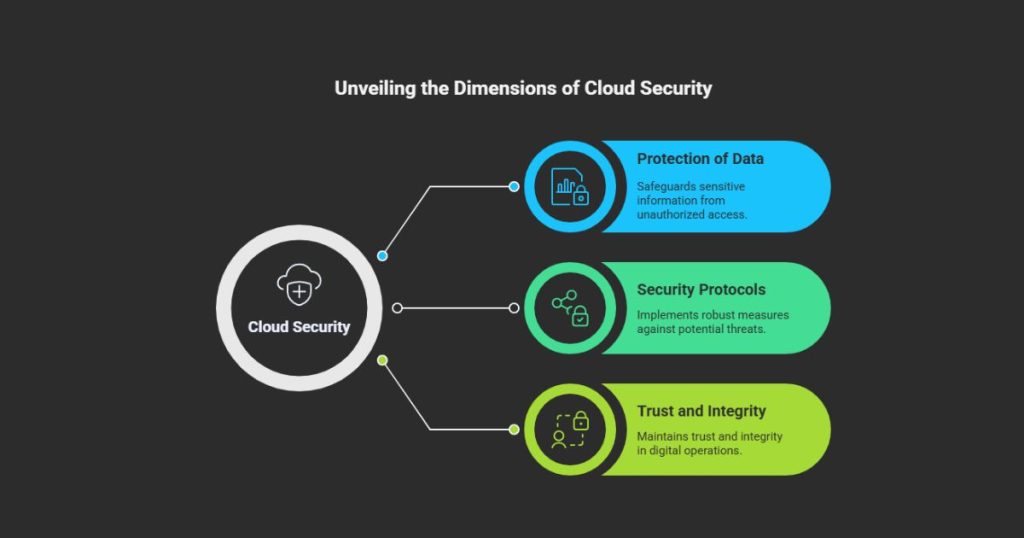
Importance Of Cloud Security
The importance of cloud security cannot be overstated. As businesses move to cloud environments, securing data becomes crucial. Effective cloud security safeguards sensitive information and ensures regulatory compliance. This section explores why cloud security is vital, focusing on protecting data and meeting regulations.
Protecting Sensitive Data
Data breaches can lead to severe consequences. Cloud security solutions help protect sensitive data from unauthorized access. They use encryption to keep data safe. This ensures that only authorized users can access the information.
Data loss prevention tools also play a role. They monitor and control data transfer. These tools help prevent accidental leaks of sensitive information.
Compliance And Regulations
Many industries have strict regulations regarding data security. Cloud security solutions help businesses comply with these regulations. They provide the necessary tools and features to meet legal requirements. This is essential to avoid fines and legal issues.
Compliance also builds trust with customers. They feel secure knowing their data is protected. This trust is vital for maintaining customer relationships and business reputation.
Common Cloud Security Threats
Cloud security threats include data breaches, insecure interfaces, and account hijacking. Effective solutions involve encryption, multi-factor authentication, and regular security audits.
When you move your data to the cloud, security becomes a top priority. However, it’s not always easy to spot the various threats that can compromise your cloud environment. Understanding these common cloud security threats is your first line of defense.
Data Breaches
Data breaches are a significant threat to your cloud security. They can expose sensitive information and damage your company’s reputation. A breach might happen if your cloud service provider’s security measures are inadequate or if there are vulnerabilities in your own security practices.
Imagine you store customer data in the cloud. If a hacker gains access, they could steal this information and sell it. This scenario is not just a loss of data but a loss of trust.
To prevent breaches, ensure your data is encrypted both in transit and at rest. Regularly update your security protocols and train your employees on best practices.
Malware And Ransomware
Malware and ransomware are other common threats you must watch out for. These malicious programs can infect your cloud systems and hold your data hostage.
Picture this: one day, you find that all your files are encrypted and a ransom note appears, demanding payment for their release. This is a typical ransomware attack. It can halt your operations and cost you a lot of money.
To protect against malware and ransomware, use robust antivirus software and regularly scan your cloud environment. Educate your team about phishing scams and other tactics used by cybercriminals.
Are you doing enough to safeguard your cloud data from these threats? Assess your current security measures and make improvements where necessary. Your vigilance can make all the difference.
Cloud Security Best Practices
Cloud security is critical for protecting data and ensuring the integrity of your systems. Adopting best practices helps you stay ahead of potential threats. Here, we discuss two essential practices: regular security audits and strong access controls.
Regular Security Audits
Regular security audits help identify vulnerabilities. These audits ensure your cloud environment is secure. They involve checking for outdated software and weak passwords. Addressing these issues reduces the risk of breaches.
Conducting audits helps maintain compliance with industry standards. It also builds trust with clients. Make audits a regular part of your security strategy. This proactive approach keeps your data safe.
Strong Access Controls
Strong access controls prevent unauthorized access. They ensure only authorized users can access sensitive data. Use multi-factor authentication (MFA) to add an extra layer of security.
Limit permissions based on job roles. This minimizes the risk of internal threats. Regularly review access controls to ensure they remain effective. This practice helps in safeguarding your cloud environment.
Role Of Encryption In Cloud Security
Encryption plays a crucial role in cloud security solutions. It ensures that your data remains safe from unauthorized access. Whether you’re storing sensitive information or transferring data, encryption acts as a formidable shield.
Types Of Encryption
There are two primary types of encryption: symmetric and asymmetric.
Symmetric encryption uses the same key for both encryption and decryption. It’s fast and suitable for large amounts of data.
Asymmetric encryption uses a pair of keys—one public and one private. It provides higher security for smaller amounts of data.
Understanding these types can help you choose the best method for your needs.
Benefits Of Encryption
Encryption offers several benefits.
First, it protects your data from unauthorized access. Even if someone intercepts your data, they won’t be able to read it without the key.
Second, encryption helps comply with regulatory requirements. Many industries mandate encryption to safeguard sensitive information.
Third, encryption builds trust with your customers. Knowing their data is secure can enhance your reputation and customer loyalty.
Have you ever worried about the safety of your data in the cloud? Encryption can ease that worry significantly.
Consider using encryption as a part of your cloud security strategy. It’s a practical step towards ensuring your data’s safety.
Identity And Access Management
Securing your cloud environment goes beyond just encrypting data. It’s crucial to control who accesses your cloud resources and what they can do once inside. Identity and Access Management (IAM) ensures that only authorized users can access specific resources, protecting your data from unauthorized access and potential breaches.
Multi-factor Authentication
Imagine someone guessing your password; it happens more often than you think. Multi-Factor Authentication (MFA) adds an extra layer of security.
It’s not just about passwords anymore. MFA requires users to provide two or more verification factors to gain access. This could be something you know (password), something you have (smartphone), or something you are (fingerprint).
Think of it as locking your front door and then setting an alarm system. Even if someone gets past the first lock, the alarm will catch them. This way, your cloud resources stay secure, even if your password is compromised.
Role-based Access Control
Ever felt overwhelmed by too many permissions? Role-Based Access Control (RBAC) simplifies this by assigning permissions based on user roles.
Instead of granting individual permissions to each user, you create roles with specific access rights. For example, an admin role might have access to all resources, while a guest role has limited access.
Think of it like different keys for different doors. An admin key opens every door, but a guest key only opens the lobby. This ensures users only access what they need, reducing the risk of unauthorized actions.
Have you ever considered how many people have access to your sensitive data? By implementing IAM, you control and monitor access, ensuring your cloud environment stays secure.
Are you ready to strengthen your cloud security? Implementing Multi-Factor Authentication and Role-Based Access Control are practical steps you can take today.
Securing Cloud Applications
Cloud applications offer flexibility and scalability. This makes them attractive to businesses. But, they also come with security risks. Securing cloud applications is crucial. It ensures data protection and maintains user trust.
In this section, we will discuss key strategies for securing cloud applications. This includes application firewalls and secure software development.
Application Firewalls
Application firewalls play a vital role. They protect cloud applications from various threats. These firewalls monitor incoming and outgoing traffic. They block suspicious activities and prevent unauthorized access.
Web Application Firewalls (WAFs) are common. They help to filter and monitor HTTP traffic. WAFs can block SQL injection attacks and cross-site scripting (XSS). This ensures your cloud application remains secure.
Secure Software Development
Secure software development is essential. It involves writing code with security in mind. Developers must follow best practices. This reduces vulnerabilities in the code.
Use secure coding guidelines. Conduct regular code reviews. Perform security testing throughout the development cycle. This helps identify and fix issues early. A secure development lifecycle ensures robust cloud applications.
Training developers on secure coding is also important. This keeps them updated on the latest security threats. It equips them to handle these threats effectively.
Choosing The Right Cloud Security Provider
Selecting the right cloud security provider ensures data protection and peace of mind. Choose providers with strong encryption and compliance standards. Reliable support and robust security measures are essential for safeguarding sensitive information.
Choosing the right cloud security provider can be a daunting task. With so many options available, it’s easy to get overwhelmed. However, by knowing what to look for and how to compare providers, you can find a solution that meets your needs.
Key Features To Look For
When evaluating cloud security providers, focus on key features that align with your security goals. First and foremost, ensure the provider offers comprehensive data encryption. This secures your data both at rest and in transit.
Look for providers that offer multi-factor authentication (MFA). This adds an extra layer of security beyond just passwords.
Consider providers that offer 24/7 monitoring and incident response. Knowing that someone is always watching and ready to act if something goes wrong can give you peace of mind.
Comparing Providers
Comparing providers involves more than just looking at prices. Make a list of your must-have features and rank them in order of importance.
Create a comparison table. This can help you visually see which providers meet your needs.
| Feature | Provider A | Provider B | Provider C |
|——————————|————|————|————|
| Data Encryption | Yes | Yes | Yes |
| Multi-Factor Authentication | Yes | No | Yes |
| 24/7 Monitoring | Yes | Yes | No |
| Incident Response | Yes | Yes | Yes |
Don’t forget to check customer reviews. Real user feedback can provide insights that you might not find in marketing materials.
Lastly, consider scalability. As your business grows, your security needs will too. Choose a provider that can grow with you.
Have you ever chosen a provider based on cost alone, only to find out later that they couldn’t meet your needs? Share your experiences in the comments below.
Future Of Cloud Security
The future of cloud security is more important than ever. As businesses rely on cloud services, protecting data becomes critical. This section explores what lies ahead for cloud security.
Emerging Technologies
Artificial intelligence plays a big role in cloud security. AI can identify threats quickly. It improves response time and accuracy. Machine learning also helps. It learns from data to predict future attacks. Blockchain technology offers another layer of security. It ensures data integrity and prevents tampering. These technologies make cloud security stronger.
Evolving Threat Landscape
Cyber threats are constantly changing. Hackers find new ways to attack. They use advanced techniques to breach systems. Phishing and ransomware are common threats. Insider threats also pose risks. Employees may unintentionally expose data. This evolving landscape requires ongoing vigilance. Regular updates and training help keep systems secure. Understanding these threats is key to future cloud security.
Frequently Asked Questions
What Are The Cloud Security Solutions?
Cloud security solutions include encryption, firewalls, identity and access management, intrusion detection, and security information and event management. These tools protect data, prevent breaches, and ensure compliance with regulations.
What Are The Top 5 Security In Cloud Computing?
The top 5 security measures in cloud computing are data encryption, identity and access management, regular security audits, secure APIs, and compliance with standards.
What Are The 3 Categories Of Cloud Security?
The 3 categories of cloud security are: 1. Data protection: Ensures data integrity and confidentiality. 2. Identity and access management: Controls user access to cloud resources. 3. Security monitoring: Detects and responds to security threats.
What Is The Best Cloud Security Company?
The best cloud security company is subjective. Leading companies include Palo Alto Networks, McAfee, and Symantec. Choose based on specific needs.
Conclusion
Securing data in the cloud is crucial. Effective cloud security solutions protect your information. They ensure data integrity and privacy. Choose reliable solutions for peace of mind. Protect sensitive data from threats and breaches. Strong security measures safeguard your business.
Stay updated with the latest security technologies. Ensure compliance with industry standards. Investing in cloud security saves time and resources. Make informed decisions to protect your digital assets. The right security approach guarantees safe and smooth cloud operations.