
E-commerce is reshaping the business landscape. It offers endless opportunities for growth.
As businesses shift online, understanding successful e-commerce models becomes crucial. From small startups to global giants, e-commerce businesses thrive by adopting unique strategies and innovations. This blog explores diverse e-commerce business examples that inspire and educate. Each example showcases different approaches to online success, highlighting the creativity and adaptability required in the digital marketplace.
Whether you’re an entrepreneur, a student, or someone curious about online business, these examples provide valuable insights. Learn how these businesses harness technology, understand customer needs, and create compelling online experiences. Dive in to discover what makes these e-commerce ventures stand out in a crowded digital world.
Introduction To E-commerce
In today’s digital age, e-commerce is essential for businesses worldwide. It has transformed how companies sell products and services. The convenience of online shopping appeals to millions globally. With just a click, consumers access a wide range of products. This shift from physical stores to online platforms is remarkable. Understanding e-commerce is crucial for businesses looking to thrive.
Evolution And Growth
E-commerce has evolved significantly over the years. Initially, it started with simple online sales. Today, it encompasses complex systems and technologies. The growth of the internet fueled this evolution. Businesses adapted by creating user-friendly websites. These platforms offer seamless shopping experiences. Mobile commerce emerged, allowing purchases via smartphones. Innovations like AI and chatbots enhance customer service. Secure payment options build trust among users. E-commerce continues to grow rapidly, shaping the future of shopping.
Impact On Global Markets
E-commerce has a profound impact on global markets. It breaks geographical barriers, enabling cross-border trade. Small businesses reach international audiences effortlessly. This expands market opportunities significantly. Global competition increases, driving innovation. Prices become more competitive, benefiting consumers. E-commerce influences economic growth in many regions. It creates jobs and boosts local industries. As a result, economies adapt to digital transformations. Understanding this impact helps businesses strategize effectively.
Amazon: A Retail Revolution
Amazon stands out as a leader in the e-commerce world. It transformed shopping forever. This giant company changed how we buy things online. Learn about Amazon’s journey and what makes it special. Discover its unique strategies and successes.
Founding Story
Amazon began in 1994. Jeff Bezos started it in his garage. He saw the internet’s potential for selling books. Bezos wanted to offer more options than a physical store. The idea was simple: sell books online. It quickly grew. By 1995, Amazon sold its first book. The company expanded fast, adding more products. Soon, it became an online marketplace. Bezos’s vision was clear. He wanted to create the “everything store.”
Innovative Strategies
Amazon uses many strategies to succeed. One is its customer-first approach. It focuses on user experience. Easy returns and fast delivery are key. Another strategy is technology use. Amazon invests in AI and data analysis. This helps in understanding customer needs. It also offers personalized recommendations. Amazon Prime is another strategy. It offers quick shipping and exclusive deals. This builds customer loyalty. These strategies set Amazon apart. They keep it ahead of competitors.
Alibaba: Connecting East And West
Alibaba stands as a bridge between the East and the West. Founded by Jack Ma, Alibaba transformed global e-commerce. It connected businesses and customers from different continents. This platform offers a vast marketplace for goods and services. Its success story inspires many entrepreneurs around the world. Let’s explore how Alibaba started and grew.
Early Beginnings
Alibaba began in a small apartment in China. Jack Ma founded it in 1999. He saw the potential of the internet. His vision was to help small businesses reach global markets. Alibaba started as a B2B platform. It connected Chinese manufacturers with overseas buyers. The initial team faced many challenges. Funding was scarce, and the internet was new in China. But Jack Ma persisted with determination. His leadership was crucial in those early days.
Expansion And Influence
Alibaba expanded rapidly in the 2000s. It launched new platforms like Taobao and Tmall. These platforms targeted domestic consumers. Alibaba’s reach grew beyond China. It attracted international attention. The company went public in 2014. This was one of the largest IPOs in history. Alibaba’s influence extends beyond e-commerce. It has investments in cloud computing and digital entertainment. The company supports small businesses globally. It helps them access new markets with ease.
Shopify: Empowering Entrepreneurs
Shopify stands out in e-commerce for its support of entrepreneurs. It offers a simple way to set up online stores. Entrepreneurs can easily manage and grow their businesses. Shopify provides tools to help with marketing and sales. Its user-friendly interface makes it accessible to everyone. Many small business owners choose Shopify for its flexibility and ease of use.
Platform Development
Shopify continually improves its platform. It offers new features to enhance user experience. Developers focus on creating robust tools for business growth. The platform supports various payment gateways and shipping options. Customizable templates allow businesses to create unique store designs. Users can integrate apps to extend functionality. This makes Shopify a versatile choice for different business needs.
User Success Stories
Many entrepreneurs share their success stories with Shopify. They have grown from small startups to successful brands. Shopify provides the resources needed to expand their reach. Users enjoy the platform’s reliability and customer support. Some have doubled their sales using Shopify’s marketing tools. Others appreciate the ease of managing inventory and orders. These stories inspire new entrepreneurs to choose Shopify for their ventures.
Etsy: Crafting A Niche Market
Etsy stands out as a unique e-commerce platform. It focuses on handmade and vintage items. Sellers on Etsy create a niche market, setting it apart from other giants. This niche approach attracts both buyers and sellers looking for something special. Let’s dive into what makes Etsy’s marketplace tick.
Community Focus
Etsy thrives on a strong community spirit. Sellers support one another through forums and teams. This fosters a sense of belonging among creators. Buyers feel connected to the artisans behind the products. This community focus builds trust and loyalty. It enhances the buying experience for users.
Marketplace Dynamics
Etsy’s marketplace is dynamic and diverse. Each shop offers unique products tailored to specific tastes. The platform’s search algorithm helps users find exactly what they need. This ensures that sellers reach their target audience effectively. Etsy also provides tools for marketing and analytics. These tools help sellers understand trends and customer preferences. The marketplace encourages creativity and innovation. It supports small businesses and independent creators.
Zappos: Customer-centric Approach
Zappos is famous for its customer-centric approach in the e-commerce world. The company believes in delivering happiness to its customers. They focus on providing excellent service and unique shopping experiences. This dedication sets Zappos apart from other online retailers.
Unique Business Model
Zappos operates with a unique business model. They offer a vast selection of shoes and apparel. Their inventory includes thousands of brands and styles. Customers can explore a diverse range of products on one platform. This expansive selection keeps customers returning for more.
Free shipping is a key feature of their model. They offer free shipping both ways, which encourages purchases. This policy removes the risk of buying online. Customers feel more confident shopping with Zappos.
Building Brand Loyalty
Zappos excels in building brand loyalty. They prioritize customer satisfaction above all else. Their customer service team is available 24/7. This level of support builds trust and loyalty.
The company also offers a 365-day return policy. Customers appreciate this flexibility and peace of mind. Such policies help Zappos maintain a loyal customer base. Happy customers often become brand advocates, spreading positive word-of-mouth.
Warby Parker: Disrupting Retail
Warby Parker has reshaped the way people buy glasses. With stylish designs and affordable prices, it challenges traditional retail models. Warby Parker brings eyewear directly to consumers. Its approach cuts out middlemen, offering better prices and convenience. Let’s explore how Warby Parker has disrupted the retail scene.
Direct-to-consumer Model
The direct-to-consumer model is at the heart of Warby Parker’s success. By selling directly, it avoids retail markups. This means customers pay less for quality products. Warby Parker focuses on a seamless online shopping experience. Customers can try frames at home before buying. This flexibility boosts customer satisfaction and loyalty.
Innovative Marketing
Warby Parker uses creative marketing strategies to reach its audience. Social media plays a big role in its campaigns. Engaging content attracts followers and potential buyers. Warby Parker also hosts pop-up shops to connect with customers. These events create buzz and excitement around the brand. Word-of-mouth recommendations further enhance its reputation.
Lessons From Successful E-commerce
Learning from successful e-commerce businesses can guide new entrepreneurs. These businesses have thrived in the digital marketplace. They have adapted to changes and engaged their consumers effectively. By understanding their strategies, other businesses can improve their e-commerce operations.
Adaptation And Innovation
Successful e-commerce companies embrace change. They adapt to new technologies and market trends quickly. For example, Amazon started with books. Now, it sells almost everything online. This shift shows the power of adaptation. Innovation also plays a key role. Businesses often introduce new features to meet customer needs. Alibaba’s Singles’ Day sales event is an innovation in online shopping. It has become a global shopping festival.
Staying ahead means listening to market needs. Companies like Zappos offer free shipping and returns. This customer-centric approach sets them apart. Innovation isn’t just about products. It also involves improving processes and customer experiences.
Consumer Engagement
Engaging consumers is crucial for e-commerce success. Businesses use social media to connect with customers. This interaction builds brand loyalty and trust. For instance, Glossier utilizes Instagram effectively. It engages with its audience by sharing user-generated content.
Email marketing also plays an important role. E-commerce brands send personalized emails to their customers. These emails offer special deals and updates. This communication keeps customers informed and engaged. Many brands also use chatbots for immediate customer support. This ensures quick responses to customer queries. Engaging with consumers helps in building long-lasting relationships.
Future Of E-commerce
E-commerce is transforming with innovative business examples like subscription boxes and social media shops. Online marketplaces, such as Amazon and Etsy, thrive by connecting global buyers and sellers. Small businesses find new opportunities through dropshipping and personalized product offerings.
The future of e-commerce is a dynamic landscape, brimming with endless possibilities and growth opportunities. As technology advances, e-commerce platforms are becoming more accessible, efficient, and personalized. You might find yourself wondering, what will the next big change be? Let’s dive into some emerging trends and potential challenges that will shape the future of e-commerce.
Emerging Trends
One of the most exciting trends is the rise of Artificial Intelligence (AI) and machine learning in e-commerce. Imagine walking into a virtual store where every product is tailored to your preferences. AI can analyze your shopping habits and suggest items you didn’t even know you needed.
Social media platforms are also becoming integral to e-commerce. Have you ever bought something directly from an Instagram post? Integrating shopping features into social media allows brands to engage with you where you spend most of your time online.
Sustainability is gaining traction. More businesses are adopting eco-friendly practices, and you can expect to see more brands offering sustainable products. This trend not only benefits the planet but also attracts environmentally conscious shoppers like you.
Potential Challenges
Despite its promising future, e-commerce faces some hurdles. Privacy concerns are at the forefront. Are you comfortable with how much data companies collect about your shopping habits? Balancing personalization with privacy is a challenge that businesses must address.
Supply chain disruptions can affect product availability. Have you ever experienced delays in receiving your online orders? E-commerce companies need to build resilient supply chains to ensure products reach you on time.
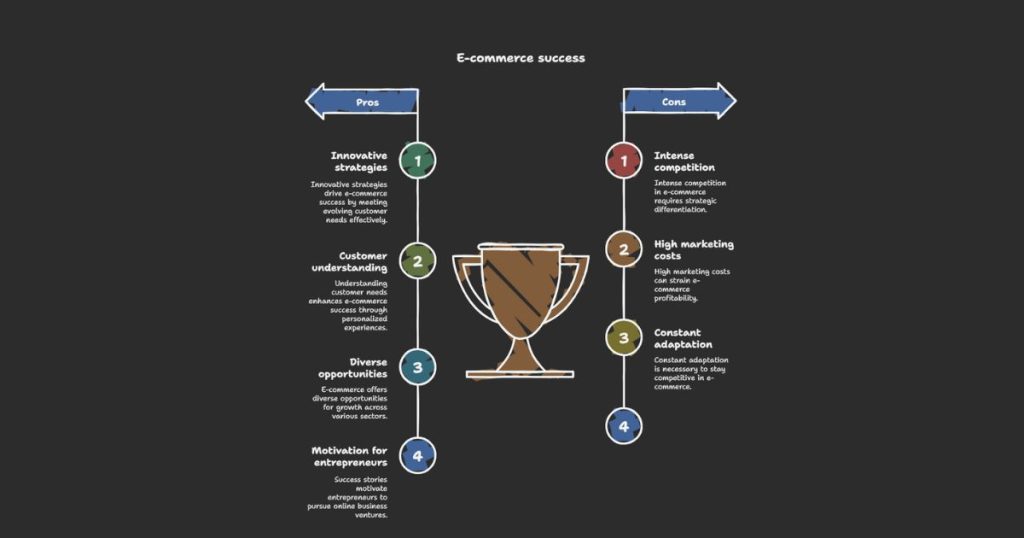
Competition is fierce. With so many online stores, how do businesses stand out? The need for unique selling propositions and exceptional customer service is more critical than ever. Brands must innovate continuously to capture your attention.
As you explore the future of e-commerce, keep an eye on these trends and challenges. They offer insights into how your shopping experience might evolve and what you can expect from the brands you love. What changes do you hope to see in the world of online shopping?
Frequently Asked Questions
What Are Some Examples Of E-commerce?
Examples of e-commerce include Amazon, eBay, and Alibaba. Shopify and Etsy offer platforms for online businesses. Zappos specializes in online shoe sales. Walmart and Target provide e-commerce options alongside physical stores.
What Is E-commerce And Examples?
E-commerce is the buying and selling of goods or services online. Examples include Amazon, eBay, and Shopify. Businesses use e-commerce platforms to reach customers globally. Consumers enjoy the convenience of shopping from home.
What Business Is E-commerce?
E-commerce is a business model that involves buying and selling goods or services online. It includes online retail, digital marketplaces, and electronic transactions. Businesses use e-commerce to reach global customers, reduce overhead costs, and increase sales. Common platforms include websites and apps for efficient online shopping experiences.
What Is The Most Successful E-commerce?
Amazon is the most successful e-commerce platform globally. It offers a vast range of products and services. Its user-friendly interface and efficient logistics contribute to its success. Amazon consistently innovates to enhance customer experience and expand its market reach, maintaining its leading position in the e-commerce industry.
Conclusion
E-commerce offers many opportunities for entrepreneurs. From online stores to digital services, examples abound. Businesses like Amazon and eBay showcase successful models. Smaller ventures also thrive, offering unique products. E-commerce growth is notable and promising. Starting an online business can be rewarding.
The key is to focus on customer needs. Adapt to market trends and technology. Success comes with persistence and innovation. Explore the e-commerce world and find your niche.