
Building community in the classroom enhances learning and fosters a sense of belonging. It creates an environment where students feel valued and connected.
A strong classroom community impacts students’ academic and social growth. When students feel part of a community, they are more likely to engage and participate. This connection helps them develop interpersonal skills and a positive attitude toward learning. Teachers play a crucial role in nurturing this sense of community.
By encouraging collaboration and open communication, they help students build relationships and trust. This supportive atmosphere not only boosts academic success but also promotes emotional well-being. As we explore the importance of building community in the classroom, we will uncover practical strategies to create a nurturing and inclusive educational environment.
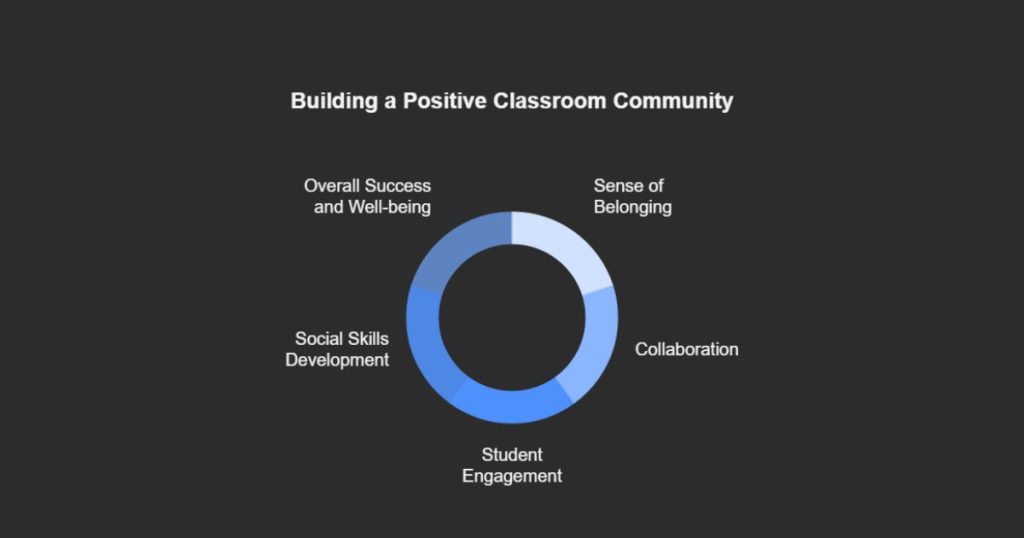
Importance Of Classroom Community
Building a sense of community in the classroom is more than just a nice-to-have. It’s essential. A strong classroom community helps students feel safe, respected, and included. This sense of belonging can significantly impact their academic performance and overall well-being.
Benefits For Students
When students feel like they are part of a community, their confidence grows. They are more willing to share their thoughts and ask questions. This leads to richer classroom discussions and deeper understanding.
Positive relationships with peers and teachers can also reduce anxiety. This makes the classroom a more enjoyable place to learn. Students are more likely to attend and participate when they feel connected to their classmates.
Consider this: a student who feels isolated might hesitate to join group activities. But in a supportive community, that same student feels encouraged and included. This can transform their entire learning experience.
Impact On Learning
A strong classroom community doesn’t just benefit students socially. It directly impacts their learning. Engaged students are more likely to retain information and stay motivated.
When students trust their teacher and peers, they are more open to feedback. They see mistakes as opportunities to learn rather than failures. This growth mindset can lead to significant academic improvements.
Think about your own experiences. Have you ever been part of a group where you felt truly supported? How did it affect your participation and performance? Encouraging such environments in classrooms can make a huge difference.
In conclusion, building a strong classroom community is crucial. It benefits students’ social and academic lives, creating a positive and productive learning environment. So, what steps will you take to foster community in your classroom?
Setting The Tone From Day One
Building community in the classroom starts on the first day. Setting the tone early makes a big difference. A positive environment encourages students to participate. It helps them feel comfortable and connected. Let’s explore how to make a good start.
First Impressions
First impressions matter a lot. Greet students with a smile. Learn their names quickly. Show enthusiasm for the subject. Make the classroom look inviting. Arrange the seats in a circle. This helps students see each other. It promotes open conversation.
Clear rules and expectations are key. Explain them on the first day. Be consistent with them. This builds trust and respect. Keep a positive attitude. This sets the tone for the whole year.
Icebreaker Activities
Icebreaker activities help students get to know each other. Start with simple games. “Two Truths and a Lie” is a fun option. Each student shares two true things and one lie. Others guess which is the lie. It sparks conversation and laughter.
Another activity is “Find Someone Who.” Give students a list of traits. They find classmates who match the traits. This encourages mingling. It helps students discover common interests. Icebreakers create a friendly atmosphere. They reduce first-day nerves.
Encouraging Student Interaction
Building a strong community in the classroom requires active student interaction. Engaging students in meaningful ways helps them connect with each other. This connection fosters a sense of belonging and teamwork. Here are some effective methods to encourage student interaction.
Group Projects
Group projects are a great way to promote teamwork. They require students to work together towards a common goal. Students learn to communicate and collaborate. They also share ideas and resources. This process helps build trust and mutual respect.
Assigning roles within the group can help manage tasks. Each student has a specific responsibility. This ensures everyone contributes and feels valued. Group projects also develop problem-solving skills. Students must navigate different opinions and find solutions together.
Class Discussions
Class discussions encourage students to share their thoughts. They provide a platform for every student to speak. This interaction helps students learn from each other. It also builds confidence in expressing their ideas.
Open-ended questions can spark engaging discussions. These questions have no right or wrong answers. They encourage critical thinking and deeper understanding. Teachers can guide the discussions to keep them on track. Creating a safe and respectful environment is key. Students should feel comfortable sharing their views without judgment.
Creating Inclusive Spaces
Fostering a sense of belonging in the classroom builds strong community ties. Inclusive spaces encourage every student to participate and feel valued. This approach promotes collaboration and mutual respect among students.
Creating Inclusive Spaces
Building a strong sense of community in the classroom starts with creating inclusive spaces. When students feel seen, heard, and valued, they are more likely to participate and engage. Inclusive spaces foster respect and belonging, essential for effective learning.
Respecting Diversity
Respecting diversity means acknowledging and celebrating the differences among your students. Encourage them to share their unique backgrounds and experiences. This can be done through activities like cultural sharing days or storytelling sessions.
Consider the language you use in the classroom. Be mindful of terms that might exclude or marginalize students. For instance, instead of saying “boys and girls,” try “everyone” to include all gender identities.
Respecting diversity also involves being aware of cultural holidays and observances. Make an effort to recognize and honor these in your classroom. It shows your students that their traditions matter.
Addressing Bias
Addressing bias is crucial for creating a fair and inclusive environment. Biases can be unconscious and often stem from stereotypes. Take time to reflect on your own biases and how they might affect your teaching.
Create an open dialogue about bias with your students. Use current events or relevant stories to spark discussions. This helps students recognize and challenge biases in their own lives.
Incorporate materials and resources that reflect diverse perspectives. This includes books, videos, and guest speakers. It not only enriches learning but also ensures that all students see themselves represented.
How can you make your classroom more inclusive today? Start small and build on your efforts. Your students will appreciate it, and your classroom community will thrive.
Building Trust And Respect
Building trust and respect in the classroom is vital for creating a supportive learning environment. When students feel trusted and respected, they are more likely to engage actively in their education. This foundation helps foster positive relationships among teachers and students, as well as among peers.
Teacher-student Relationships
Developing strong teacher-student relationships starts with genuine communication. Teachers should listen to students and show empathy. This helps students feel understood and valued. Setting clear expectations and being consistent also builds trust. When students know what to expect, they feel secure. Encouraging student participation and giving them a voice in the classroom boosts their confidence.
Respect is equally important. Teachers should treat each student fairly and acknowledge their efforts. Praising students for their achievements encourages them to strive for excellence. Providing constructive feedback, rather than criticism, helps students grow. Respecting students’ opinions and feelings creates a positive atmosphere.
Peer Relationships
Strong peer relationships contribute to a cohesive classroom community. Encouraging teamwork and collaboration helps students learn to trust and respect each other. Group activities and projects can foster a sense of camaraderie. Students learn to appreciate different viewpoints and skills.
Creating opportunities for students to socialize and connect outside of academic tasks can strengthen bonds. Class discussions and group work allow students to interact and build mutual respect. Encouraging kindness and inclusivity helps create a welcoming environment for all students.
Addressing conflicts and promoting conflict resolution skills are crucial. Teaching students to communicate effectively and resolve issues peacefully builds a respectful community. Students learn to handle disagreements with maturity and understanding.
Implementing Positive Reinforcement
Building a strong community in the classroom relies on positive reinforcement. Positive reinforcement encourages students to engage and participate. It creates an inclusive and supportive environment. Implementing positive reinforcement helps students feel valued and motivated. This section explores effective strategies to build a positive classroom culture.
Reward Systems
Reward systems play a vital role in promoting positive behavior. They offer students tangible incentives for their efforts. Rewards can be stickers, extra playtime, or small prizes. Consistent rewards help students understand the value of their actions. They also make learning fun and engaging.
Implement a point system for daily achievements. Students can earn points for completing tasks or helping others. Accumulated points can lead to larger rewards. This system promotes consistent positive behavior. It also teaches students the importance of working towards goals.
Celebrating Achievements
Celebrating achievements boosts student morale and confidence. Acknowledging both big and small successes makes students feel appreciated. It encourages them to continue striving for excellence. Public recognition, like praise in front of peers, is effective. It highlights positive behavior and sets an example for others.
Host regular achievement celebrations. These can be weekly or monthly events. Recognize students for their hard work and progress. Certificates, special mentions, or classroom displays can be used. Celebrations foster a sense of pride and accomplishment. They also strengthen the classroom community.
Resolving Conflicts
Building community in the classroom involves resolving conflicts effectively. Conflicts can disrupt learning. They can also harm relationships. Addressing them promptly is crucial. It helps maintain a positive learning environment. Two key methods for resolving conflicts are mediation techniques and promoting understanding.
Mediation Techniques
Mediation helps students manage conflicts. It involves a neutral third party. This person listens to both sides. They help students understand each other’s perspectives. This process encourages open communication. It leads to a fair resolution. The mediator ensures both parties feel heard. This helps build trust and respect.
Active listening is vital in mediation. It means giving full attention. Not interrupting. Showing empathy. Reflecting back what you hear. This shows respect. It also helps clarify misunderstandings. Teach students to use “I” statements. For example, “I feel hurt when you ignore me.” This reduces blame and aggression.
Promoting Understanding
Encouraging understanding among students is crucial. It helps prevent conflicts. Teach empathy in the classroom. Encourage students to see things from others’ perspectives. Role-playing can help. Students act out different roles. This helps them understand others’ feelings.
Another method is open dialogue. Create a safe space for students to share. Ask open-ended questions. Encourage respectful responses. This helps students express themselves. It also helps them understand their peers. Building empathy and understanding reduces conflicts. It also strengthens classroom community.
Sustaining Community Throughout The Year
Creating a strong classroom community helps students feel connected and supported. Regular activities and open communication encourage collaboration and trust. This foundation fosters a positive learning environment throughout the year.
Building a strong community in the classroom is essential, but sustaining it throughout the year is equally important. A classroom community doesn’t just happen; it needs to be nurtured and maintained. Here are some practical ways to keep the sense of community alive from the first day to the last.
Regular Check-ins
Regular check-ins can make a big difference in maintaining a classroom community. They give students a consistent opportunity to voice their feelings and share updates. This can be as simple as a quick morning meeting or a weekly circle time.
These check-ins can include questions about their week, any challenges they are facing, or something they are excited about. It’s a great way to show that you care about their well-being.
Don’t forget to share your own experiences too. It creates a reciprocal relationship and helps students see you as a part of the community.
Ongoing Activities
Ongoing activities help keep the community spirit alive. Group projects, class goals, and fun activities can keep students engaged and connected.
Consider setting up a classroom buddy system. Pair students together and encourage them to support each other academically and socially. This helps build trust and camaraderie.
Another effective approach is to have a class project that spans the entire year. It could be a garden, a class blog, or a community service project. These long-term activities give students a shared goal to work towards and help in building lasting connections.
Think about what activities have worked for you in the past. How can you adapt them to fit your current classroom?
Remember, maintaining a sense of community requires effort and creativity, but the rewards are worth it. A strong classroom community supports learning, fosters respect, and creates a positive environment for everyone.
What are your favorite ways to keep the classroom community thriving all year long? Share your thoughts in the comments!
Frequently Asked Questions
What Does It Mean To Build Community In The Classroom?
Building community in the classroom means fostering a supportive, inclusive environment where students collaborate, communicate, and build relationships.
How Do You Build A Community In Class?
Build a class community by encouraging teamwork, open communication, and mutual respect. Use group activities and collaborative projects. Foster a supportive environment where students feel valued and included. Regularly celebrate achievements and milestones together.
How Do You Bring Community Into The Classroom?
Invite local guest speakers, organize community projects, and encourage parental involvement to bring community into the classroom. Use technology for virtual interactions with community members. Foster a classroom culture that values collaboration and real-world connections.
What Are Examples Of Community Building Activities?
Examples of community building activities include organizing local events, hosting workshops, starting social clubs, planning volunteer projects, and creating online forums.
Conclusion
Building a community in the classroom fosters a sense of belonging. Students feel valued and included. This environment boosts their confidence. It also encourages collaboration and support. Teachers play a key role in this process. They can create engaging activities and open discussions.
Positive relationships develop naturally. A strong community leads to better learning outcomes. It makes the classroom a happier place. Start small, and watch the connections grow. Together, we can create a thriving classroom community.