
Community rebuilding plays a vital role in creating strong, resilient neighborhoods. It involves collective efforts to restore and enhance the social, economic, and physical aspects of a community.
Imagine a place where everyone feels safe and connected. Community rebuilding makes this possible. It’s about people coming together to fix what’s broken. This could mean repairing homes, starting new businesses, or organizing events that bring people closer. The goal is to make the community better for everyone.
This process takes time, but the results are worth it. By working together, communities can overcome challenges and build a brighter future. Let’s explore how community rebuilding can transform neighborhoods and create lasting positive change.
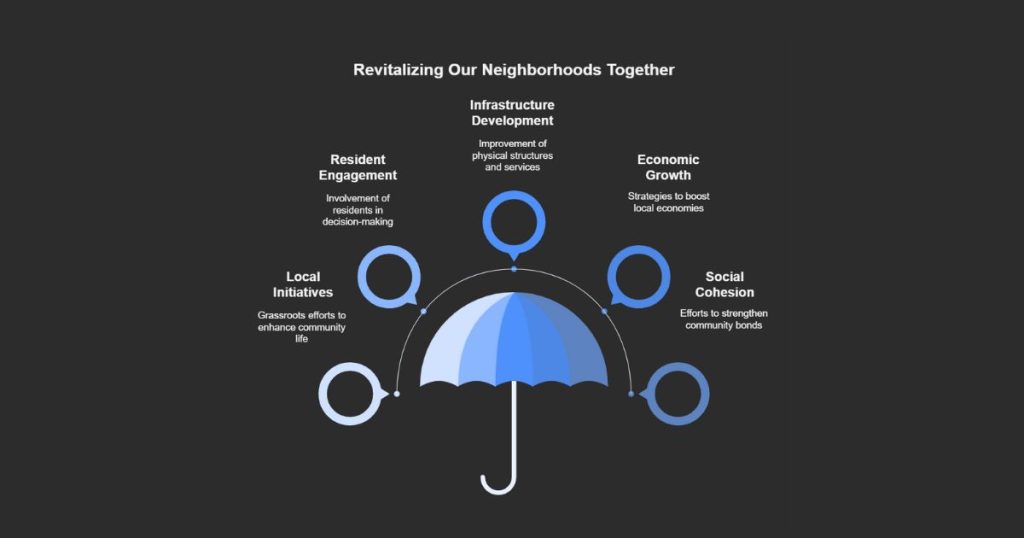
Importance Of Community Rebuilding
Rebuilding communities strengthens social bonds and fosters a sense of belonging. It also helps improve local infrastructure and boosts economic growth.
The importance of community rebuilding cannot be overstated. When we come together to rebuild our communities, we create stronger connections and improve the lives of those around us. Whether through volunteer work, local events, or simply supporting local businesses, each action contributes to a healthier, happier, and more resilient community.
Strengthening Social Bonds
Community rebuilding strengthens social bonds. By participating in community activities, you get to know your neighbors better. This creates trust and mutual support.
Imagine organizing a local clean-up event. Working side by side with others fosters friendship and a sense of belonging. These bonds make your community more united and supportive.
Economic Benefits
Rebuilding communities has significant economic benefits. Supporting local businesses keeps money within the community. This can lead to job creation and improved local services.
Think about buying from a local farmer’s market. This action helps local farmers thrive and boosts the local economy. Stronger communities attract investment, leading to overall growth.
Community rebuilding is a powerful way to enhance social and economic aspects of your surroundings. How can you contribute to your community’s growth today?
Identifying Community Needs
Identifying community needs is the first step in rebuilding. Understanding what the community requires helps create effective solutions. This process involves gathering accurate data and engaging with community members.
Conducting Surveys
Surveys are an essential tool for identifying community needs. They collect valuable information directly from residents. Well-designed surveys include questions about local issues and desired improvements. Simple and clear questions ensure better responses. Analyze the survey data to identify common themes and pressing needs. Use this information to prioritize projects and allocate resources wisely.
Hosting Town Hall Meetings
Town hall meetings provide a platform for open dialogue. Community members can voice their concerns and suggestions. These meetings encourage active participation and foster a sense of belonging. Facilitators should ensure that all voices are heard. Recording feedback from these meetings is crucial. This feedback guides decision-making and helps address community needs effectively.
Collaborative Planning
Collaborative planning is crucial for successful community rebuilding. It brings people together to create shared goals. This process ensures that everyone’s voice is heard and valued.
Involving Local Stakeholders
Engage local stakeholders early in the planning process. They know the community’s needs and challenges. By involving them, you gain valuable insights.
Hold regular meetings with local residents, business owners, and community leaders. Encourage open dialogue and active participation. This fosters a sense of ownership and commitment.
Use surveys and questionnaires to gather feedback. This helps to understand the community’s priorities. Make sure to address their concerns and suggestions.
Creating Action Plans
Develop clear and achievable action plans. Break down larger goals into smaller, manageable tasks. Assign responsibilities to different groups or individuals.
Set specific timelines for each task. This keeps the project on track. Regularly review progress and make adjustments as needed.
Use visual aids like charts and diagrams. These help to communicate plans more effectively. Ensure everyone understands their role and responsibilities.
Celebrate small victories along the way. This keeps the community motivated. Acknowledge everyone’s contributions and efforts.
Securing Funding And Resources
Securing funding and resources is crucial for community rebuilding efforts. Without proper funding, it becomes difficult to start or sustain projects. Communities need to explore various avenues to get the necessary support. Two primary sources of funding are government grants and private donations.
Government Grants
Government grants offer substantial support for community rebuilding. These grants are funds provided by the government for specific projects. They do not need to be repaid. Applying for these grants requires a detailed proposal. This proposal should outline the project’s goals and benefits to the community.
Start by researching available government grants. Local, state, and federal governments often have different grants. Look for grants that align with your community’s needs. Keep track of deadlines and application requirements. Many grants have strict guidelines. Make sure your proposal meets all the criteria.
Government grants can provide significant financial support. They can cover various costs. This includes infrastructure, education, and healthcare. Securing a grant can give your community the boost it needs to rebuild successfully.
Private Donations
Private donations are another essential source of funding. Individuals, businesses, and foundations often contribute to community projects. These donations can come in the form of money, supplies, or volunteer work.
To attract private donations, start by raising awareness. Share your community’s story. Use social media, local newspapers, and community events. Highlight the impact of the rebuilding efforts. Show potential donors how their contributions can make a difference.
Building relationships with local businesses is also important. Many businesses are willing to support community projects. They may offer financial donations or in-kind contributions. Establishing a good relationship can lead to long-term support.
Private donations can be flexible. They can be used for various needs. This can range from construction materials to community programs. Every contribution, no matter how small, can help your community rebuild and thrive.
Implementing Sustainable Practices
Implementing sustainable practices is crucial for community rebuilding. Sustainable practices ensure long-term success. They preserve resources and promote a healthy environment. Communities can thrive when they adopt green initiatives. This section explores how to implement sustainable practices effectively.
Green Spaces
Green spaces are vital for community health. Parks and gardens provide places for relaxation. They improve air quality by absorbing pollutants. Trees and plants also reduce urban heat. Residents can enjoy outdoor activities in these areas. Green spaces foster social interaction and community bonding.
Energy-efficient Buildings
Energy-efficient buildings save resources and reduce costs. They use less energy for heating and cooling. This reduces the carbon footprint. Solar panels and insulation are key features. Energy-efficient designs also improve indoor air quality. Sustainable buildings are more comfortable for residents. They contribute to a healthier community.
Promoting Local Businesses
Community rebuilding often starts with promoting local businesses. These businesses are the backbone of any town or city. They provide jobs and create a unique character for the area. Supporting local businesses helps in fostering a sense of pride and unity among residents.
Supporting Start-ups
Start-ups bring fresh ideas to the community. They drive innovation and create new job opportunities. Supporting start-ups can be done through various means. One way is providing financial incentives. Another way is offering mentorship programs. These initiatives help new businesses thrive. They ensure a vibrant and diverse local economy.
Encouraging Shop Local Initiatives
Shop local initiatives encourage residents to buy from local stores. These initiatives boost the local economy. They help local businesses grow and prosper. One effective way is organizing local fairs. These events showcase products and services from local vendors. Another method is through social media campaigns. These campaigns highlight the benefits of shopping locally. They remind residents of the unique offerings in their community.
Fostering Community Engagement
Rebuilding a community requires more than just physical infrastructure. It’s about fostering community engagement, which is the heartbeat of any thriving neighborhood. By encouraging people to participate in local activities, we can build stronger bonds, create a sense of belonging, and make our communities resilient. Let’s dive into some practical ways to foster community engagement.
Organizing Events
Events are a fantastic way to bring people together. Think about organizing local festivals, sports tournaments, or even simple neighborhood BBQs.
When I helped organize a local fair, I saw firsthand how such events can create lasting connections. People who had never met before started chatting and forming friendships.
These gatherings make it easier for people to bond over shared experiences and interests, breaking down barriers and fostering unity.
Volunteer Programs
Volunteer programs offer an excellent opportunity to engage community members. By encouraging people to volunteer, you not only help those in need but also create a sense of purpose and belonging.
Consider forming groups to clean up parks, assist elderly neighbors, or mentor local youth. These activities allow people to contribute their time and skills to the betterment of the community.
When you volunteer, you meet others who share your passion for helping, leading to strong, lasting connections. Have you ever participated in a volunteer program? What impact did it have on you and your community?
Fostering community engagement is all about creating opportunities for people to connect. Whether through organizing events or volunteer programs, the goal is to build a strong, unified community where everyone feels valued and included.
Measuring Success And Impact
Assessing progress and results is essential in community rebuilding. It helps identify areas of improvement and celebrate achievements. Accurate measurement ensures continued growth and development.
Measuring the success and impact of community rebuilding efforts is crucial. It ensures that the initiatives are meeting their goals and making a positive difference in the lives of residents. But how do you measure something as dynamic and multifaceted as community rebuilding? Let’s break it down.
Regular Progress Reports
Regular progress reports are essential. They help keep track of milestones and ongoing efforts. This can be done weekly or monthly, depending on the project’s scale.
Create a simple table to track key performance indicators (KPIs). These can include the number of houses rebuilt, community events held, or employment rates improved. You’ll find that seeing these numbers can be quite motivating.
Keep the reports accessible to everyone involved. Transparency builds trust and keeps everyone on the same page. Have you ever been part of a project where information was scarce? It can be frustrating and demotivating.
Feedback From Residents
Resident feedback is invaluable. It gives you direct insight into the community’s needs and perceptions. Surveys, suggestion boxes, and town hall meetings are great ways to gather this feedback.
Ask residents how they feel about the changes. Are their daily lives improving? Are there areas that still need attention? Listening to their voices can reveal gaps that data alone might miss.
Make adjustments based on this feedback. If residents feel that certain aspects are being overlooked, take action. Your willingness to adapt shows that you genuinely care about the community’s well-being.
Measuring success and impact in community rebuilding is a continuous process. Regularly evaluate and adjust your methods. This approach not only keeps the project on track but also fosters a sense of ownership and pride among residents. So, how will you measure the impact of your next community project?
Frequently Asked Questions
What Does Rebuild Community Mean?
Rebuild community means restoring and revitalizing a community’s social, economic, and physical structures, fostering growth and resilience.
What Is Christmas In April Called Now?
Christmas in April is now called “Rebuilding Together. ” This nonprofit organization focuses on repairing homes and revitalizing communities nationwide.
How Is Rebuilding Together Funded?
Rebuilding Together is funded through donations, grants, corporate sponsorships, and volunteer support. They also receive funding from community partners.
What Is The Rating Of The Charity Rebuilding Together?
Rebuilding Together holds a four-star rating on Charity Navigator. This rating indicates strong financial health and commitment to accountability.
Conclusion
Rebuilding a community requires effort, patience, and collaboration. Small steps make big changes. Each person plays a vital role. Focus on unity, kindness, and local support. Strong bonds create a resilient community. Stay committed and positive. Your actions can inspire others.
Together, we can achieve great things. Let’s work hand in hand for a better future. Every contribution matters. Keep striving and believing in the power of community.