
Managing money wisely is crucial for a stable life. Good personal finance habits can lead to a secure future.
Understanding personal finance is the first step to taking control of your money. From budgeting to saving, the basics can help you achieve financial goals. This guide will cover essential topics like managing debt, planning for retirement, and building an emergency fund.
Whether you are new to personal finance or looking to improve your money skills, this introduction will provide the foundation you need. Get ready to learn the key principles that can help you make smarter financial decisions and create a more secure future.
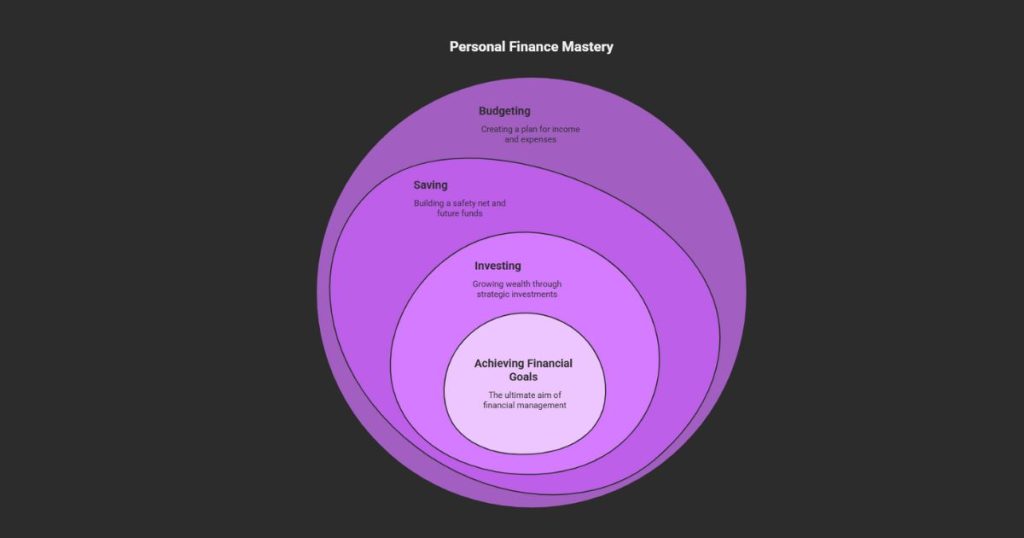
Introduction To Personal Finance
Personal finance is more than just managing money; it’s about creating a secure and fulfilling life. Whether you’re just starting out or looking to improve your financial situation, understanding the basics is essential. Let’s dive into the core elements that make up personal finance.
Importance Of Money Management
Money management is crucial for achieving financial stability and growth. Without it, you may find yourself living paycheck to paycheck, constantly stressed about bills. By managing your money well, you can ensure you’re prepared for emergencies and future goals.
Think about your daily expenses. Are you tracking where your money goes? Small, unnoticed purchases can add up quickly. By creating a budget, you can see exactly where your money is going and make adjustments as needed.
I remember a time when I didn’t track my spending. I was shocked to discover I spent hundreds on coffee each month. Realizing this helped me cut back and save more. What unexpected expenses could you find in your budget?
Setting Financial Goals
Setting financial goals gives you direction and purpose. Without clear goals, it’s easy to spend aimlessly. Define what you want to achieve financially in the short and long term.
Short-term goals could include building an emergency fund or paying off a credit card. Long-term goals might be saving for a house or retirement. Write these goals down and keep them visible to stay motivated.
Once, I set a goal to save for a vacation. By setting a specific amount and deadline, I was able to save consistently and enjoy my trip without debt. What financial goals can you set today?
Remember, personal finance is a journey. Start with small steps, and over time, you’ll see significant progress. What step will you take first?
Budgeting Essentials
When it comes to managing your money, budgeting is the cornerstone of personal finance. Without a solid budget, it’s easy to lose track of your spending and miss out on savings opportunities. Let’s dive into the essentials of budgeting to help you take control of your finances.
Creating A Budget
First, you need to create a budget that fits your lifestyle and financial goals. Start by listing all your sources of income. This could be your salary, side gigs, or any other money you receive regularly.
Next, make a list of your monthly expenses. Include everything from rent and utilities to groceries and entertainment. Don’t forget irregular expenses like annual subscriptions or car maintenance.
Subtract your total expenses from your income. If you have money left over, great! You can allocate it towards savings or debt repayment. If you’re in the red, you’ll need to find areas to cut back.
Consider using a budgeting app or a simple spreadsheet to help you organize your finances. Tools like these can make the process less daunting and more efficient.
Tracking Expenses
Creating a budget is just the beginning; you also need to track your expenses. This helps you stay on course and adjust as needed. Make it a habit to record your spending daily or weekly.
Use a notebook, an app, or even take photos of your receipts. Choose a method that you find easy to stick with. Consistency is key here.
Review your spending regularly. Are you sticking to your budget? If not, where are you overspending? Identifying these patterns can help you make better financial decisions.
Tracking expenses might seem tedious, but it’s worth the effort. You’ll gain a clearer picture of where your money goes and how you can save more.
Have you ever tracked your expenses and discovered unexpected costs? How did you adjust your budget to accommodate these findings?
Remember, budgeting is a skill that improves with practice. The more you work on it, the better you’ll get at managing your finances. Keep tweaking your budget and tracking your expenses to achieve your financial goals.
Saving Strategies
Effective saving strategies are essential for managing personal finances. Set clear goals and create a budget to track expenses. Automate savings to ensure consistent contributions.
Saving money can seem overwhelming, especially with so many expenses competing for your attention. However, with the right strategies, you can build a solid financial cushion. This guide breaks down two essential saving strategies: building an emergency fund and automating your savings. These tips will help you establish a strong financial foundation.
An emergency fund is your financial safety net. It covers unexpected expenses like medical bills, car repairs, or sudden job loss. Aim to save at least three to six months’ worth of living expenses.
Start small. Even setting aside $50 a month can make a difference. Consider this: if your car breaks down, you won’t need to resort to high-interest credit cards.
Keep your emergency fund in a separate, easily accessible account. This prevents you from dipping into it for non-emergencies. You might even earn a bit of interest over time.
Automating your savings is a game-changer. It removes the temptation to spend money you should be saving. Set up automatic transfers from your checking account to your savings account.
Most banks offer this service for free. You can schedule transfers to coincide with your payday. This way, you save before you even see the money.
Automating savings also helps you stay consistent. It’s easy to forget or procrastinate on manual transfers. When it’s automated, saving becomes a habit.
Imagine the relief of knowing your savings are growing effortlessly. You can focus on other financial goals, like investing or planning for retirement.
What saving strategies have worked for you? Have you tried automating your savings yet? Share your thoughts and tips in the comments below.
Investing Basics
Learn the basics of investing in Personal Finance 101. Discover simple ways to grow your money over time. Start with small investments for a secure financial future.
Investing Basics
Investing can be a powerful tool to grow your wealth. It allows you to put your money to work and potentially earn returns that outpace inflation. Understanding the basics of investing is crucial for anyone looking to build a secure financial future.
Types Of Investments
There are many types of investments available. Stocks, bonds, mutual funds, and real estate are just a few examples. Each type has its own benefits and risks.
Stocks represent ownership in a company. They can offer high returns but come with volatility. Bonds are loans you give to corporations or governments. They provide steady income but typically lower returns compared to stocks.
Mutual funds pool money from many investors to buy a diversified portfolio of stocks and bonds. They offer diversification but come with management fees. Real estate involves buying property, which can generate rental income and appreciate in value.
Risk Management
Investing involves risk, but you can manage it. Diversification is key. Spread your investments across different assets to reduce the impact of a poor-performing investment.
Understand your risk tolerance. Are you comfortable with the ups and downs of the stock market? Or do you prefer the stability of bonds? Knowing your comfort level helps in choosing the right investments.
Regularly review your portfolio. Adjust your investments based on your financial goals and market conditions. This proactive approach keeps your investment strategy aligned with your needs.
Investing basics are essential for anyone looking to grow their wealth. By understanding different types of investments and managing risk effectively, you can make informed decisions that support your financial goals. What’s your next step in your investment journey?
Managing Debt
Managing debt is an essential part of personal finance. Understanding how debt works and how to repay it effectively can improve financial health. Let’s explore key strategies to manage debt.
Understanding Debt
Debt is money borrowed from a lender. It can be a credit card balance, a loan, or a mortgage. Different debts have varied interest rates and repayment terms. Knowing the type of debt helps in planning repayment.
Interest rates are crucial. They determine how much extra money you pay over time. Higher interest rates mean more money spent on the debt. Understanding this helps prioritize repayments.
Debt Repayment Strategies
There are several strategies to repay debt. The most popular are the snowball and avalanche methods. The snowball method involves paying off the smallest debts first. It creates a sense of accomplishment.
The avalanche method focuses on debts with the highest interest rates first. This saves money on interest in the long run. Choose the method that suits your financial situation best.
Creating a budget is essential. Track income and expenses. Allocate a portion of your income to debt repayment. This discipline ensures consistent progress in reducing debt.
Consider consolidating debts. This combines multiple debts into a single payment. Often, this results in a lower interest rate. It simplifies the repayment process.
Seek professional advice if needed. Financial advisors can provide personalized strategies. They help navigate complex debt situations.
Credit Scores
Credit scores play a crucial role in your financial life. These three-digit numbers determine your creditworthiness. They impact your ability to borrow money, rent an apartment, or even get a job. Understanding credit scores can help you make better financial decisions.
Importance Of Credit Score
A high credit score offers several benefits. It can lead to lower interest rates on loans and credit cards. This means you pay less over time. It also increases your chances of approval for new lines of credit. Lenders trust you more when your score is high. A good score can also help with renting a home. Landlords look at credit scores to gauge reliability. Some employers check credit scores during the hiring process. A strong score can make a positive impression.
Improving Your Credit Score
Improving your credit score requires consistent effort. Start by paying your bills on time. Late payments can significantly lower your score. Keep your credit card balances low. High balances indicate higher risk. Avoid applying for too many new accounts at once. Each application triggers a hard inquiry. This can temporarily lower your score. Check your credit report regularly. Look for errors and dispute them. Mistakes can harm your score. Practice responsible credit habits. They will help you build a strong financial future.
Retirement Planning
Retirement planning is a crucial part of personal finance. It ensures financial stability during your golden years. With a solid plan, you can maintain your lifestyle without worries. Let’s dive into the essentials of retirement planning.
Retirement Accounts
Retirement accounts are vital for your future. They help you save and grow your money over time. Common types include 401(k) and IRAs. These accounts offer tax benefits and compound interest. Starting early maximizes these benefits.
A 401(k) is often provided by employers. Contributions are deducted from your paycheck before taxes. Employers may also match contributions, boosting your savings. IRAs, or Individual Retirement Accounts, are another option. They come in traditional and Roth forms. Each has different tax advantages.
Planning For Retirement
Planning for retirement involves setting goals and making a strategy. Determine your retirement age and desired lifestyle. Estimate your future expenses and income. Create a budget that aligns with your goals.
Save a portion of your income regularly. Aim for at least 15% of your earnings. Increase this percentage as you get closer to retirement. Diversify your investments to reduce risk. Consider stocks, bonds, and mutual funds.
Monitor your progress periodically. Adjust your plan as needed. Stay informed about market trends and financial news. Consult a financial advisor for personalized advice. They can help you navigate complex decisions.
By planning for retirement, you secure your financial future. Start early, stay consistent, and make informed choices. Your future self will thank you.
Financial Tools And Resources
Explore essential financial tools and resources for managing money. Learn budgeting, saving, and investing basics. Personal Finance 101 simplifies complex concepts, guiding you towards financial stability.
Managing personal finances can seem like a daunting task, but with the right tools and resources, it becomes much easier. Whether you’re just starting out or looking to improve your financial skills, there are plenty of options available to help you stay on track. Let’s dive into some essential financial tools and resources that can make managing your money a breeze.
Financial Apps
Using financial apps can simplify your financial management. These apps can help you track expenses, create budgets, and even invest.
One popular app is Mint. It links to your bank accounts and categorizes your transactions. You can see where your money goes and identify areas to cut back.
Another useful app is YNAB (You Need A Budget). It focuses on giving every dollar a job. This app helps you plan for future expenses and stay out of debt.
If you’re looking to invest, consider using Robinhood. It allows you to buy and sell stocks without paying commissions. This app is great for beginners looking to dip their toes into the stock market.
Educational Resources
Learning about personal finance can empower you to make better financial decisions. There are many educational resources available online to help you.
One excellent resource is Khan Academy. They offer free courses on various financial topics. You can learn about saving, investing, and managing debt.
Podcasts are also a great way to learn on the go. “The Dave Ramsey Show” and “ChooseFI” are popular among personal finance enthusiasts. They offer practical advice and real-life examples.
Books can also be a treasure trove of information. “Rich Dad Poor Dad” by Robert Kiyosaki and “The Total Money Makeover” by Dave Ramsey are must-reads. They provide insights into building wealth and achieving financial freedom.
Using these tools and resources can help you take control of your finances. What financial tools do you find most helpful? How have they changed your approach to managing money? Share your thoughts and let’s learn together.
Frequently Asked Questions
What Are The 5 Main Areas Of Personal Finance?
The 5 main areas of personal finance are budgeting, saving, investing, debt management, and retirement planning. Each area is crucial for achieving financial stability.
What Is The 30 30 30 Rule Personal Finance?
The 30 30 30 rule in personal finance allocates 30% of income to housing, 30% to savings, and 30% to discretionary spending. This helps maintain financial balance.
How Do I Teach Myself Personal Finance?
Start by reading personal finance books and blogs. Follow financial podcasts. Create a budget and track expenses. Use financial apps. Practice saving and investing regularly.
What Is The 50/30/20 Rule In Finance?
The 50/30/20 rule in finance allocates income into three categories: 50% for needs, 30% for wants, and 20% for savings or debt repayment. This budgeting strategy helps manage expenses effectively.
Conclusion
Personal finance is essential for everyone. Budgeting helps manage money wisely. Saving ensures future security. Investing can grow wealth over time. Paying off debt reduces financial stress. Learning these basics makes you financially confident. Start small, stay consistent. Track your progress regularly.
Use tools and resources available. Always seek advice when needed. Financial stability is within reach. Make informed decisions. Enjoy a better financial future.