
Managing money can be tricky. Personal finance blogs make it easier.
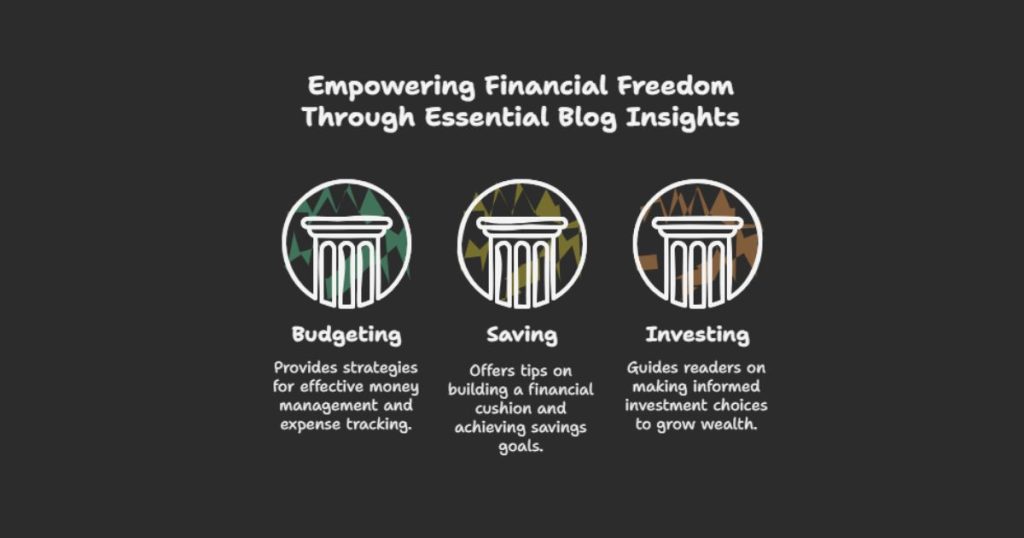
These blogs offer practical advice on budgeting, saving, and investing. In a world full of financial choices, it can be hard to know where to start. Personal finance blogs break down complex topics into simple steps. They help you make informed decisions with your money.
Whether you want to pay off debt, save for a big purchase, or plan for retirement, these blogs are full of useful tips. By following expert advice, you can take control of your finances and achieve your goals. So, let’s dive into the world of personal finance blogs and see how they can help you make smarter money choices.
Introduction To Personal Finance Blogs
Personal finance blogs are a great resource for those who want to learn about managing money. These blogs cover topics like budgeting, saving, investing, and debt management. They are often written by experts or individuals who have gained experience in financial matters.
Reading personal finance blogs can help you make better financial decisions. They offer practical tips and real-life examples. This can make complex topics easier to understand. Let’s explore what personal finance blogs are and why financial literacy is important.
What Are Personal Finance Blogs?
Personal finance blogs are websites or online journals. They focus on topics related to managing money. Bloggers share their insights, experiences, and advice. This helps readers improve their financial health.
These blogs often include articles on budgeting, saving money, and investing. They may also cover debt repayment strategies, retirement planning, and ways to increase income. The goal is to provide valuable information in an easy-to-understand format.
Importance Of Financial Literacy
Financial literacy means understanding how money works. It’s essential for making informed financial decisions. Many people struggle with managing money due to a lack of knowledge. Personal finance blogs help bridge this gap.
Learning about personal finance can lead to better money management. It can reduce stress and improve overall well-being. Readers can learn how to create a budget, save for emergencies, and invest wisely. This knowledge empowers individuals to take control of their financial future.
Benefits Of Reading Finance Blogs
Personal finance blogs have become a valuable resource for many. They offer practical advice and real-life experiences that can help readers manage their money better. Reading these blogs regularly can lead to a more informed and financially secure life.
Improve Financial Knowledge
Finance blogs cover a wide range of topics. From investing to saving, these blogs provide insights that can expand your understanding of money. They break down complex financial concepts into simple terms. This makes learning about finance less intimidating. Regular reading helps you stay updated with the latest trends and strategies in the financial world.
Learn Budgeting Tips
Budgeting is crucial for financial health. Finance blogs offer practical budgeting tips that are easy to implement. They share strategies for tracking expenses and setting realistic goals. You can also find templates and tools to help you create a budget. Learning to budget effectively can lead to better money management and financial stability.
Top Personal Finance Blogs To Follow
Finding the right personal finance blog can make a world of difference in how you manage your money. With so many options out there, it can be hard to know where to start. Below, you’ll find some of the top personal finance blogs that you should definitely check out.
Expert Blogs
Expert blogs are written by financial gurus who have years of experience in the field. They offer in-depth analysis and professional advice. One example is The Simple Dollar, run by Trent Hamm. He shares practical tips on budgeting, saving, and investing.
Another great expert blog is Mr. Money Mustache. This blog focuses on frugal living and early retirement. The author retired at 30 and shares his secrets to financial independence.
Check out Get Rich Slowly. J.D. Roth started this blog to document his journey from debt to wealth. It’s filled with valuable lessons on personal finance.
Community Blogs
Community blogs are written by everyday people who share their personal financial journeys. They offer relatable and practical insights. Budgets Are Sexy is one such blog, run by J. Money. He talks openly about his financial successes and failures.
Another great community blog is Frugalwoods. Liz and Nate live a frugal life in the woods of Vermont. Their blog is full of tips on living simply and saving money.
Millennial Money is another must-read. Grant Sabatier shares his journey to financial independence. His blog is especially useful for younger readers.
Which type of blog do you think would help you the most? Expert advice or community experiences? Dive in and discover the insights that resonate with you!
How To Choose The Right Finance Blog
Choosing the right finance blog can be a daunting task. With countless options available, it’s essential to find one that aligns with your needs. This section will guide you through the key factors in selecting the best personal finance blog for you.
Identify Your Financial Goals
First, think about your financial goals. Are you looking to save more money? Or do you want to learn about investing? Different blogs focus on various aspects of personal finance. Knowing your goals helps narrow your choices.
For example, if your goal is to pay off debt, find a blog that specializes in debt management. On the other hand, if you aim to invest, look for blogs that cover investment strategies.
Check Blog Credibility
Credibility is crucial. Ensure the blog is run by experts or experienced individuals. Look for blogs with author bios. These sections usually provide information about the author’s qualifications and experience. This helps you trust the advice given.
Read user reviews and comments. Positive feedback from readers can indicate the blog’s reliability. Additionally, check how often the blog is updated. Regular updates suggest that the blog provides current and relevant information.
Budgeting And Saving Tips
Mastering your finances can seem overwhelming. Budgeting and saving are key skills to gain control. Here are some effective strategies to help you manage your money better.
Effective Budgeting Strategies
Start by tracking your spending. Write down every expense for a month. This shows where your money goes. Use this data to create a budget. Allocate funds for essential needs first. Food, rent, and utilities should be priorities.
Set limits for non-essential spending. Entertainment and dining out can add up quickly. Stick to your budget to avoid overspending. Review and adjust your budget regularly. Your needs and income may change.
Smart Saving Methods
Saving money is crucial for financial security. Open a separate savings account. This helps keep your savings safe. Aim to save a portion of your income each month. Even small amounts add up over time.
Automate your savings. Set up automatic transfers from your checking to savings account. This makes saving effortless. Reduce unnecessary expenses. Cook at home instead of dining out. Buy generic brands instead of name brands.
Take advantage of discounts and sales. Use coupons and cashback apps to save on purchases. Consider setting specific savings goals. This keeps you motivated and focused.
Investing Advice From Finance Blogs
One of the most valuable resources on the internet today is finance blogs. They offer a wealth of knowledge, especially when it comes to investing advice. Whether you’re just starting or you’re looking to refine your strategy, finance blogs provide insights that can help you make informed decisions.
Beginner Investing Tips
Starting your investment journey can be overwhelming. But finance blogs break down complex concepts into simple, actionable steps. They often start with the basics:
- Understand Your Financial Goals: Determine what you want to achieve with your investments. Are you saving for retirement, a house, or a child’s education?
- Start Small: You don’t need a lot of money to start investing. Begin with a small amount and gradually increase as you become more comfortable.
- Diversify Your Portfolio: Spread your investments across different assets to reduce risk. Think of it as not putting all your eggs in one basket.
- Educate Yourself: Read books, take online courses, and follow reputable finance blogs. Knowledge is power in the world of investing.
When I first started investing, I found a blog that recommended using index funds. It was simple and low-cost, which was perfect for a beginner like me. Have you found any beginner tips that worked for you?
Advanced Investment Strategies
Once you’ve grasped the basics, it’s time to delve into more advanced strategies. Finance blogs often cover topics that can help you maximize your returns:
- Technical Analysis: Learn how to read charts and use indicators to predict market movements. This can help you make more informed buying and selling decisions.
- Options Trading: Explore the world of options to hedge your investments or generate additional income. It requires more knowledge but can be very rewarding.
- Real Estate Investment: Consider adding real estate to your portfolio. Blogs can guide you through the process of finding and managing investment properties.
- Tax Optimization: Use strategies to reduce your tax liability. This can significantly increase your overall returns.
I once read a blog post about the benefits of dividend investing. It highlighted the power of reinvesting dividends to grow your portfolio over time. Have you tried any advanced strategies that paid off?
Debt Management Techniques
Explore debt management techniques on personal finance blogs. Find practical tips to reduce debt, create budgets, and manage finances effectively. Learn to improve financial health with easy-to-follow advice.
Managing debt can be a challenging task, but it is crucial for achieving financial stability. By adopting effective debt management techniques, you can reduce stress and regain control of your finances. Let’s dive into some practical strategies you can use to tackle your debt effectively.
Understanding Debt
To manage debt effectively, first understand what debt is and how it affects your financial health. Debt can be classified into two main categories: secured and unsecured. Secured debt is backed by an asset, like a house or car, while unsecured debt is not backed by any collateral, such as credit card debt or personal loans.
Understanding the nature of your debt helps you prioritize repayment. Secured debts often have lower interest rates but come with the risk of losing your asset if you default. Unsecured debts typically have higher interest rates, making them more expensive in the long run.
Strategies To Reduce Debt
Reducing debt requires a strategic approach and commitment. Here are some actionable strategies to help you reduce your debt:
1. Create a Budget: Outline your income and expenses. Allocate funds to essential expenses, savings, and debt repayment. Stick to your budget to avoid unnecessary spending.
2. Debt Snowball Method: Pay off your smallest debt first while making minimum payments on other debts. Once the smallest debt is cleared, move to the next smallest. This method gives you quick wins, boosting your motivation.
3. Debt Avalanche Method: Focus on paying off the debt with the highest interest rate first. This method minimizes the amount of interest you pay over time, saving you money in the long run.
4. Consolidate Debt: Consider consolidating multiple debts into a single loan with a lower interest rate. This makes it easier to manage your payments and can reduce the overall interest you pay.
5. Negotiate with Creditors: Don’t hesitate to contact your creditors to negotiate lower interest rates or to discuss repayment plans. Creditors often prefer to work with you rather than risk default.
6. Increase Your Income: Look for ways to increase your income, such as taking on a part-time job or freelancing. Use the extra income to pay off your debt faster.
7. Avoid New Debt: Resist the temptation to take on new debt. Focus on clearing your existing debts before considering new financial obligations.
Every small step you take towards reducing your debt brings you closer to financial freedom. What are some strategies you’ve found effective in managing your debt? Share your thoughts and experiences in the comments below.
Implementing these techniques will not only help you reduce your debt but also improve your overall financial health. Remember, the journey to debt freedom is a marathon, not a sprint. Stay committed and celebrate your progress along the way.
Financial Planning And Retirement
Financial planning and retirement can seem daunting, but with the right strategies, it becomes manageable. The key is starting early and staying consistent. Whether you’re just beginning your career or nearing retirement, having a solid plan is essential.
Planning For Retirement
Retirement planning involves more than just saving money. You need to consider your future lifestyle. Will you travel, pursue hobbies, or move to a different location? Each choice affects your financial needs.
Start by setting a retirement age goal. This helps you understand how many years you have to save. Use retirement calculators to estimate how much you’ll need. Don’t forget to factor in inflation and healthcare costs, which can be significant.
Consider diversifying your investments. Relying solely on one type of investment can be risky. Mix stocks, bonds, and real estate to balance potential gains and losses. Regularly review your portfolio to ensure it aligns with your retirement goals.
Long-term Financial Goals
Long-term financial goals are crucial for securing your future. These goals give you direction and purpose. Start by listing your financial objectives. Do you want to buy a house, pay for your child’s education, or travel the world?
Break down these goals into smaller, manageable steps. If buying a house is your goal, start by saving for a down payment. Set monthly savings targets and track your progress. This makes large goals feel less overwhelming and more achievable.
Automate your savings to stay consistent. Set up automatic transfers to your savings or investment accounts. This ensures you save regularly without having to think about it. It’s a simple yet effective way to build your wealth over time.
Have you thought about what your life will look like in retirement? What goals do you need to set today to make that vision a reality?
Monetizing A Finance Blog
Monetizing a finance blog can be a rewarding journey. If you have built a blog that attracts a decent number of visitors, there are various ways to make money from it. Let’s dive into a few effective strategies for monetizing your finance blog.
Earning Through Ads
One of the easiest ways to start earning from your blog is through ads. You can use services like Google AdSense to display ads on your blog. Every time a visitor clicks on these ads, you earn a small fee.
It’s a simple and passive way to generate income. However, you need to balance the number of ads to avoid overwhelming your readers. Too many ads can make your blog look cluttered and may drive visitors away.
Affiliate Marketing
Affiliate marketing is another powerful way to monetize your finance blog. You promote products or services relevant to your readers and earn a commission for every sale made through your referral link.
For instance, if you write about credit cards, you can recommend specific cards and include affiliate links. Make sure you only promote products you trust. Your readers’ trust is invaluable and shouldn’t be compromised for quick earnings.
Have you tried any of these methods yet? If not, why not start today? The journey of monetizing your finance blog can be exciting and profitable!
Case Studies And Success Stories
Personal finance blogs often share inspiring case studies and success stories. These real-life examples show how individuals changed their financial lives. They offer practical lessons and motivation for readers. Let’s dive into a few of these transformations.
Real-life Financial Transformations
Meet Sarah, a single mom who was deep in debt. She started following personal finance blogs and took small steps to cut expenses. She tracked her spending daily. Over two years, Sarah paid off all her debt. Now, she saves $500 each month and plans for her future.
Another example is John. He was earning a modest salary and struggling to save. He read a blog on investment strategies. John began investing in index funds. Five years later, his investments grew significantly. John now has a solid financial cushion.
Lessons Learned
Sarah learned the importance of budgeting. By tracking expenses, she controlled her spending. This helped her pay off debt faster.
John discovered the power of compound interest. Regular investments in index funds boosted his savings. He learned patience and consistency are key.
These stories highlight valuable lessons. Budgeting, tracking expenses, and investing can transform financial health. Personal finance blogs offer practical advice and success stories. They inspire readers to take control of their finances.
Frequently Asked Questions
What Is The 30 30 30 Rule Personal Finance?
The 30 30 30 rule in personal finance suggests allocating 30% of income to needs, 30% to wants, and 30% to savings. This ensures a balanced budget, addressing essential expenses, discretionary spending, and future financial security. The remaining 10% can be used flexibly.
What Are The 4 Pillars Of Personal Finance?
The four pillars of personal finance are earning, saving, investing, and protecting. Earning involves generating income. Saving means setting money aside for future use. Investing helps grow your wealth. Protecting entails safeguarding assets and income through insurance and other measures.
What Are The 5 Main Areas Of Personal Finance?
The 5 main areas of personal finance are income, spending, saving, investing, and protection. Manage these areas to achieve financial stability.
Are Personal Finance Blogs Profitable?
Yes, personal finance blogs can be profitable. Monetize through ads, affiliate marketing, sponsored posts, or selling products and services.
Conclusion
Personal finance blogs offer valuable tips for managing money wisely. They help readers understand budgeting, saving, and investing. Regular visits can improve your financial skills. These blogs provide guidance tailored to different life stages. Start reading today to take control of your finances.
Learn at your own pace. Financial freedom is achievable with the right knowledge. Stay informed, stay prepared. Your future self will thank you. Happy reading!