
Project management techniques are essential for guiding projects to success. They help organize tasks, manage resources, and meet deadlines.
Understanding these techniques can improve efficiency and outcomes. Whether managing a small project or a large team effort, using the right methods is crucial. Different techniques suit various project types, making it important to choose wisely. This blog post will explore key project management techniques.
Learn how they can help streamline your projects, save time, and reduce stress. By mastering these methods, you can enhance productivity and achieve better results. Dive in to discover which techniques work best for you and your projects.
Introduction To Project Management
Project management is the discipline of planning, organizing, and managing resources. The goal is to achieve specific objectives. It involves processes, methods, skills, and experience. Effective project management ensures projects are completed on time and within budget. It also helps meet the desired quality standards. Understanding project management techniques is crucial for success in any project.
Importance Of Project Management
Project management provides a clear roadmap for achieving goals. It helps in setting realistic timelines and managing resources efficiently. This discipline reduces risks and prevents project failure. It ensures that all team members are aligned and working towards the same objectives. Good project management enhances communication and collaboration within the team.
Key Elements
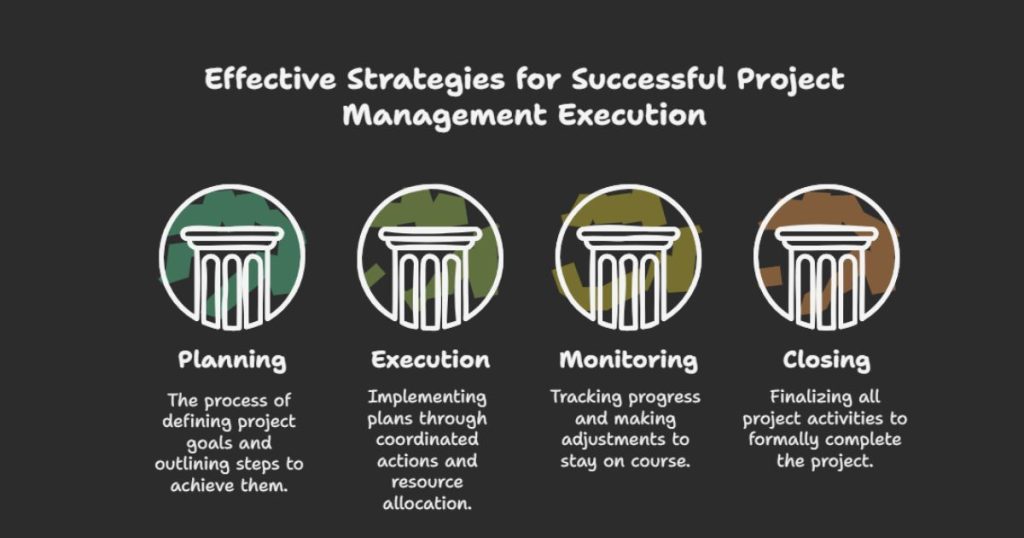
Successful project management relies on several key elements. These include defining the project scope, setting objectives, and identifying stakeholders. Planning is crucial for outlining tasks, timelines, and resources. Monitoring and controlling ensure the project stays on track. Finally, project closure involves reviewing and documenting the project outcomes.
Setting Clear Objectives
Successful project management starts with setting clear objectives. These objectives guide the team and ensure everyone works towards the same goal. Without clear objectives, projects can become chaotic and misaligned. Let’s explore how to set these objectives effectively.
Defining Goals
Defining goals is the first step in setting clear objectives. Goals should be specific and easy to understand. They should outline what the project aims to achieve. Clear goals help team members stay focused. They also provide a benchmark for success.
Smart Criteria
The SMART criteria help in setting effective goals. SMART stands for Specific, Measurable, Achievable, Relevant, and Time-bound. Each goal should meet these criteria to ensure clarity and feasibility.
Specific goals are clear and detailed. They leave no room for ambiguity. Measurable goals have clear metrics for tracking progress. Achievable goals are realistic and attainable. Relevant goals align with the project’s overall objectives. Time-bound goals have a clear deadline.
Using SMART criteria ensures goals are well-defined and actionable. This approach keeps the team on track and increases the chances of project success.
Effective Planning
Effective planning is a cornerstone of successful project management. It involves setting clear goals, defining tasks, and allocating resources. Without a solid plan, projects can easily go off track. Effective planning ensures that all team members are aligned and understand their roles. This section will cover essential planning tools that help in organizing and managing projects efficiently.
Work Breakdown Structure
A Work Breakdown Structure (WBS) is a key project planning tool. It breaks down a project into smaller, manageable parts. This makes it easier to assign tasks and track progress. A WBS helps in identifying all the tasks required to complete the project. It provides a clear picture of the project scope and helps in resource allocation. Teams can then focus on individual tasks without losing sight of the overall project goals.
Gantt Charts
Gantt charts are another vital tool for effective planning. They provide a visual timeline of the project schedule. Each task is represented by a bar, showing its start and end dates. This helps in tracking the progress of tasks and identifying any delays. Gantt charts also show dependencies between tasks. This means you can see which tasks need to be completed before others can start. It helps in managing the project timeline effectively.
Resource Allocation
Effective resource allocation is crucial in project management. It ensures that every task has the necessary resources. This leads to project success. Without proper allocation, projects can face delays and cost overruns.
Identifying Resources
First, identify all the resources needed for your project. This includes human resources, equipment, and materials. List everything to get a clear picture. Then, assess the availability of these resources.
Consider the skills and expertise of your team members. Match their abilities to the project tasks. This ensures that the right people are assigned to the right jobs. Also, check the availability of physical resources like tools and technology.
Optimizing Utilization
Once resources are identified, focus on optimizing their use. Track resource usage regularly. This helps in identifying underutilized or overburdened resources. Make adjustments as needed.
Use project management software for better tracking. These tools provide real-time data on resource allocation. This helps in making informed decisions. Efficient utilization prevents wastage and ensures project efficiency.
By following these steps, you can manage resources effectively. This leads to smoother project execution and successful outcomes.
Risk Management
Risk management is a crucial part of project management. It helps identify potential problems before they occur. By planning for risks, teams can avoid delays and save costs. This proactive approach ensures project success and smooth execution.
Identifying Risks
Identifying risks is the first step in risk management. Start by brainstorming with your team. Discuss all possible risks that could impact the project. Use historical data from past projects. This can help foresee common issues. Remember to consider both internal and external factors. Internal factors include team skills and resource availability. External factors include market changes and regulatory requirements.
Mitigation Strategies
Once risks are identified, the next step is creating mitigation strategies. Develop a plan for each identified risk. Think about ways to reduce the impact or likelihood of each risk. Assign team members to monitor specific risks. Create a response plan for each risk. This ensures quick action if a risk materializes. Regularly review and update your mitigation strategies. This keeps your project on track and within budget.
Communication Strategies
Effective project management relies heavily on robust communication strategies. Clear and consistent communication keeps everyone on the same page. It helps to avoid misunderstandings and ensures smooth project execution. Let’s explore two essential aspects of communication in project management.
Stakeholder Engagement
Engaging stakeholders is crucial for project success. Stakeholders include anyone affected by the project. Identify them early to understand their needs and expectations. Use various channels to communicate, such as emails, meetings, and reports. Keep them informed about project progress. Address their concerns promptly. This builds trust and support for the project.
Effective Meetings
Meetings are a vital part of project communication. They should be well-planned and purposeful. Create a clear agenda and share it beforehand. Ensure all relevant participants attend. Stick to the agenda to maintain focus. Encourage open communication and active participation. Summarize key points and action items at the end. Follow up with meeting minutes to keep everyone accountable.
Monitoring Progress
Monitoring progress is a crucial aspect of project management. It ensures that the project stays on track and meets its goals. By keeping an eye on the progress, you can identify issues early and make necessary adjustments. This section will cover key performance indicators and regular reporting.
Key Performance Indicators
Key performance indicators (KPIs) help measure the success of a project. They provide specific metrics to track progress. These metrics can be related to time, cost, and quality. KPIs should be clear and measurable. They should align with the project’s goals. For example, tracking the number of tasks completed on time can be a KPI. Monitoring KPIs helps in understanding if the project is on the right path.
Regular Reporting
Regular reporting keeps everyone informed about the project’s status. It involves sharing updates with stakeholders. These updates can be weekly or monthly. Reports should be concise and to the point. They should include important metrics and any issues faced. Regular reporting ensures transparency. It helps in making informed decisions. It also keeps the team accountable for their tasks.
Adapting To Changes
Adapting to changes is crucial in project management. Projects often face unexpected challenges. Being able to adapt ensures success. It involves understanding change management, flexibility, and adaptability.
Change Management
Change management is vital in project management. It involves planning for changes. This includes identifying potential changes early. It also requires developing strategies to handle these changes. A good change management plan reduces risks. It ensures the project stays on track.
Communication is key in change management. Keep all team members informed. Make sure everyone understands the changes. This helps in smooth transitions. It also boosts team morale. And keeps everyone on the same page.
Flexibility And Adaptability
Flexibility and adaptability are essential traits. They help teams respond to changes quickly. Flexible teams can adjust plans. Adaptable teams can find new solutions. These traits make the project more resilient.
Encourage a flexible mindset in your team. Promote creative thinking. Be open to new ideas. This fosters a culture of adaptability. And helps the team navigate changes effectively.
Incorporate feedback regularly. This helps in identifying areas of improvement. It also ensures the project evolves. And meets the changing requirements successfully.
Project Closure
Project closure is a vital phase in project management. It marks the official end of a project. Teams review all work and ensure all tasks are complete. This phase ensures the project meets its goals. It also helps in learning from the project experience.
Final Deliverables
Final deliverables are the project’s end products. These can be reports, software, or physical items. The project manager ensures these meet the set standards. They check if the deliverables meet the client’s needs. This step is crucial for client satisfaction. It also helps in maintaining quality.
Post-project Evaluation
Post-project evaluation involves reviewing the project’s success. Teams analyze what went well and what did not. They discuss the challenges faced during the project. This evaluation helps in learning for future projects. It also provides insights into improving processes. Teams document these lessons for future reference.
Lessons Learned
In the world of project management, every project, big or small, brings valuable lessons. These lessons help us improve and avoid making the same mistakes twice. We call this process “Lessons Learned”. It’s like looking back at a trip and figuring out what went well and what didn’t. Let’s dive into how we can capture these lessons effectively.
Documenting Insights
Documenting insights is crucial. Think of it as keeping a diary of your project’s journey. You write down what happened, what worked, and what didn’t. This helps in the future, so you don’t have to reinvent the wheel. Here are some simple steps to do it:
- Meet with your team: Gather everyone involved in the project. Discuss openly about what went well and what could be better.
- Write it down: Make sure to record these insights in a document. Use simple language so everyone can understand.
- Share it: Ensure that this document is accessible to all team members and stakeholders. This way, everyone learns and grows together.
By documenting insights, you build a treasure chest of knowledge. It’s like having a map for your future projects.
Continuous Improvement
Once you have your insights documented, the next step is continuous improvement. It’s not just about knowing what went wrong, but about finding ways to get better every time. Here’s how you can do it:
- Review regularly: Schedule regular meetings to review the lessons learned. Make it a habit.
- Implement changes: Based on your review, make necessary changes to your processes. It could be small tweaks or big shifts.
- Measure success: Track the impact of these changes. Are your projects running smoother? Are there fewer hiccups?
Continuous improvement is like tuning a musical instrument. The more you adjust, the better it sounds. By embracing this approach, your projects will hit all the right notes.
Remember, every project is a learning opportunity. By documenting insights and focusing on continuous improvement, you set the stage for success. So, what lessons have you learned from your last project?
| Step | Action |
|---|---|
| 1 | Meet with your team |
| 2 | Write it down |
| 3 | Share it |
| 4 | Review regularly |
| 5 | Implement changes |
| 6 | Measure success |
By following these steps, you can ensure that your projects not only succeed but also help you and your team grow smarter and more efficient with each new challenge.
Frequently Asked Questions
What Is A Project Management Technique?
A project management technique involves tools, methods, and strategies used to plan, execute, and monitor projects effectively. Popular techniques include Agile, Scrum, and Waterfall.
What Are The 5 C’s Of Project Management?
The 5 C’s of project management are Communication, Collaboration, Commitment, Competence, and Consistency. Effective communication ensures clarity. Collaboration fosters teamwork. Commitment drives dedication. Competence guarantees skill. Consistency maintains reliability.
What Are The 5 P’s Of Project Management?
The 5 P’s of project management are: People, Product, Process, Power, and Performance. These elements ensure project success.
What Are The Top 5 Project Management Methodologies?
The top 5 project management methodologies are Agile, Waterfall, Scrum, Lean, and Kanban. Each offers unique approaches for project success.
Conclusion
Effective project management techniques ensure success. They streamline processes and boost team productivity. Using these methods, you can handle challenges better. Your projects will finish on time. You will meet your goals. Remember to adapt techniques to your team’s needs.
Keep learning and improving your skills. This way, you can lead projects with confidence. Happy managing!