
Privacy is the right to keep personal information safe. It ensures that your data is protected from misuse.
In today’s digital age, understanding privacy is crucial. With the rise of social media, online shopping, and smart devices, our personal information is more accessible than ever. Privacy involves safeguarding this data from unauthorized access and ensuring it remains confidential.
It’s about having control over who sees your information and how it is used. Privacy isn’t just a concern for tech-savvy individuals; it’s essential for everyone. Whether you’re browsing the internet or sharing photos, knowing what privacy means can help you make informed decisions. Let’s explore the concept of privacy and why it matters in our everyday lives.
Introduction To Privacy
Privacy is a term you hear often, but what does it really mean? In our digital age, understanding privacy is crucial. It impacts every aspect of our lives—from the way we communicate to how we shop online. Let’s dive into what privacy is and why it matters.
Definition Of Privacy
Privacy is the right to keep your personal information secure and free from unauthorized access. It’s about controlling who can see and use your data. This could be anything from your financial details to your private messages.
Think about how you lock your phone or use a password for your email. These actions are all about maintaining your privacy. Without privacy, your personal life could be exposed to strangers or even misused.
Historical Perspective
Privacy wasn’t always a hot topic. In earlier times, people lived in tight-knit communities where everyone knew everyone else. There was little room for secrets.
As societies grew and technology advanced, privacy became more important. The invention of the telephone and later, the internet, changed everything. Suddenly, your personal information could travel far and wide.
Remember the early days of the internet when people were excited about sharing everything? Now, we are more cautious. We know the risks of oversharing and how it can impact our lives.
So, what does privacy mean to you? Have you ever had a moment where you felt your privacy was invaded? Understanding these concepts helps you navigate the complexities of modern life. Take control of your privacy; it’s your right.
Privacy In The Digital Age
Privacy in the digital age means keeping personal information safe online. It involves protecting data from unauthorized access and control.
Privacy in the Digital Age is a topic that affects everyone. The world is more connected than ever, and our personal information is constantly shared online. This raises important questions about how we protect our privacy.
Digital Footprint
Each time you go online, you leave a digital footprint. This includes everything from social media posts to search engine queries. It’s like a trail of breadcrumbs that can be traced back to you.
Your digital footprint can be used to build a profile of your interests, habits, and even your location. This information can be valuable to marketers and advertisers. But it can also be used for less savory purposes, such as identity theft.
To manage your digital footprint, consider what you share online. Think about the privacy settings on your accounts. Be mindful of the websites you visit and the information you provide.
Online Tracking
Online tracking is another significant aspect of privacy in the digital age. Websites and apps often track your activity. They collect data on what you click, how long you stay on a page, and even what device you’re using.
This data is used to create targeted ads and improve user experience. While it can be convenient, it also means your online behavior is constantly monitored. This can feel intrusive and raise concerns about how your data is used.
To reduce online tracking, you can use privacy-focused browsers and tools. Look into browser extensions that block trackers. Regularly clear your cookies and browsing history.
How comfortable are you with the amount of information you share online? What steps can you take to protect your privacy? These are questions worth considering as you navigate the digital world.
Types Of Personal Data
Privacy involves safeguarding various types of personal data. This includes names, addresses, and social security numbers. It also covers phone numbers and email addresses.
When we talk about privacy, understanding the types of personal data is crucial. Personal data can be broadly classified into sensitive and non-sensitive information. Knowing the difference helps you manage your data more effectively and safeguard your privacy.
Sensitive Information
Sensitive information includes data that could cause harm if disclosed. Think about your social security number, medical records, or financial information. This type of information requires a higher level of protection.
Imagine someone getting access to your bank account details. They could not only steal your money but also your identity. Always be cautious about where and how you share such information.
Non-sensitive Information
Non-sensitive information is data that is less risky if exposed. This includes your name, age, or public social media profiles. While it’s still personal, it doesn’t usually lead to significant harm if disclosed.
However, don’t underestimate the importance of non-sensitive data. Even these details can be pieced together to create a fuller picture of you. Think about how marketers use your browsing history to target ads.
Have you ever wondered how much information you share unknowingly? Next time you fill out a form, consider what type of data you’re sharing and who will have access to it.
Data Collection Methods
Understanding data collection methods is crucial for grasping the concept of privacy. Different techniques gather data about users, often without their explicit consent. These methods impact how personal information is stored, shared, and used.
Cookies And Trackers
Cookies are small files stored on your device by websites you visit. They remember your preferences and login details. Trackers, on the other hand, monitor your online behavior. They collect data on the websites you visit, the links you click, and your browsing habits. This data helps companies create detailed profiles about you. They use these profiles for targeted advertising and personalized content.
Social Media Platforms
Social media platforms collect vast amounts of personal data. They track your likes, shares, and comments. They also analyze your interactions with other users. This data helps them understand your interests and preferences. Social media companies use this information to show you relevant ads and content. They also share this data with third-party advertisers.
Risks Of Data Breaches
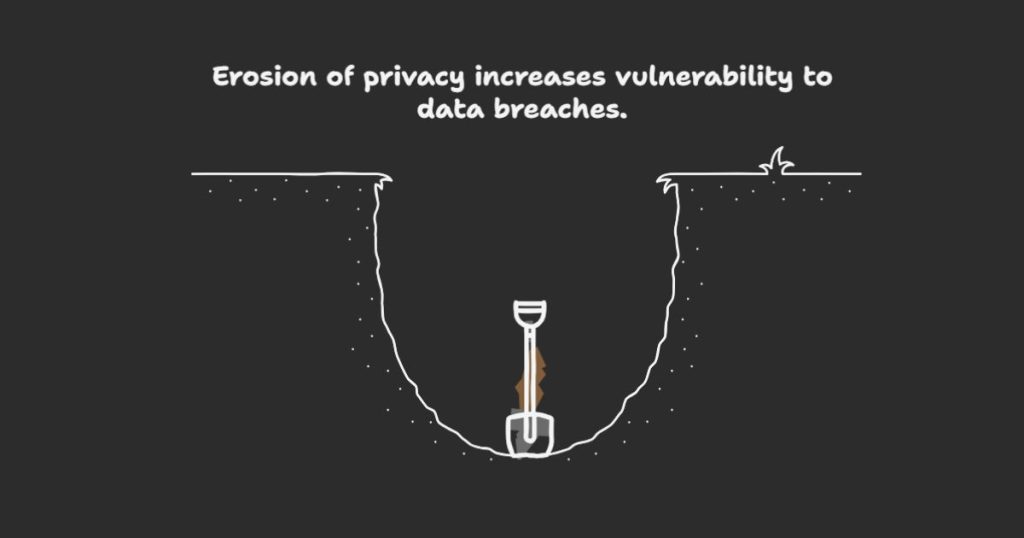
Data breaches pose serious risks. These incidents can have far-reaching consequences. Understanding these risks helps us protect our information better.
Identity Theft
Identity theft is a major risk of data breaches. Criminals steal personal information. They use this data to pose as someone else. This can lead to many problems for victims.
Stolen information includes names, addresses, and social security numbers. Thieves can open new accounts in your name. This can ruin your credit score. It can also cause stress and financial loss.
Financial Fraud
Financial fraud is another serious risk. Hackers gain access to financial accounts. They can steal money directly from bank accounts. They might also make unauthorized purchases using credit cards.
Victims often face complex legal challenges. Recovering stolen funds can be difficult. This type of fraud can impact your financial stability for years. It is crucial to protect financial data with strong passwords and other security measures.
Privacy Laws And Regulations
Privacy laws and regulations are essential in today’s digital world. They protect personal data from misuse and unauthorized access. Governments worldwide have enacted various laws to safeguard privacy. Two key regulations are the GDPR and CCPA. These laws set standards for data protection and user rights.
GDPR
The General Data Protection Regulation (GDPR) is a law in the European Union. It came into effect on May 25, 2018. GDPR aims to give people control over their personal data. It applies to all companies that process data of EU citizens. The regulation mandates clear consent from users. Companies must inform users about data collection and usage. Non-compliance can result in heavy fines. GDPR has influenced privacy laws globally.
CCPA
The California Consumer Privacy Act (CCPA) is a state law in California. It was enacted on January 1, 2020. CCPA gives California residents rights over their personal data. Users can request to know what data is collected. They can also ask for their data to be deleted. Companies must disclose data collection practices. They must offer an opt-out option for data selling. CCPA has set a precedent for other states in the US.
Protecting Your Privacy
In today’s digital age, protecting your privacy has become more important than ever. As we spend more time online, the risk of our personal information being exposed increases. By taking simple steps, you can safeguard your privacy and stay secure. Let’s dive into some practical measures you can use.
Using VPNS
One effective way to protect your privacy is by using a Virtual Private Network (VPN). A VPN hides your IP address, making your online actions virtually untraceable. It encrypts your internet connection, ensuring that your data remains private even on public Wi-Fi networks.
Think of a VPN as a secure tunnel between your device and the internet. This tunnel keeps your information safe from hackers and prying eyes. If you’re traveling or working remotely, a VPN can be a lifesaver.
Setting up a VPN is straightforward. Many services offer user-friendly apps that you can install on your devices. Once installed, it only takes a few clicks to activate. Make sure to choose a reputable VPN provider with strong encryption standards.
Strong Passwords
Another critical aspect of protecting your privacy is using strong passwords. Weak passwords are easy targets for hackers. A strong password should be at least 12 characters long and include a mix of letters, numbers, and symbols.
Don’t use easily guessable information, like your name or birthdate. Instead, opt for a random combination of characters. You can use a password manager to generate and store complex passwords for you. This way, you only need to remember one master password.
Regularly updating your passwords adds another layer of security. Set reminders to change them every few months. It might seem like a hassle, but it significantly reduces the risk of unauthorized access.
How do you currently protect your online privacy? Have you tried using a VPN or a password manager? Share your experiences and tips in the comments below!
Future Of Privacy
The future of privacy is a topic of growing importance. As the world advances, so does the technology that can both protect and invade our privacy. Understanding the trends and challenges in this area is crucial for everyone.
Evolving Technologies
New technologies are emerging every day. These technologies can greatly impact our privacy. For example, artificial intelligence can track and analyze our behavior. This can lead to both positive and negative outcomes. While it can make services more personalized, it can also invade our personal space.
Blockchain technology promises to enhance privacy. It offers secure and transparent transactions. But it is still new and developing. The Internet of Things (IoT) connects everyday devices to the internet. This connectivity can expose our data to potential threats.
Privacy Advocacy
Privacy advocacy is becoming more important. Many organizations are working to protect our data. They are pushing for stronger laws and regulations. These advocates play a key role in raising awareness about privacy issues.
They educate the public on how to protect their data. They also lobby for better privacy protections. Their efforts help create a safer digital environment. Privacy advocacy is essential in the digital age. It ensures that our rights are protected.
Frequently Asked Questions
What Is The Definition Of Privacy?
Privacy is the right to control personal information and protect it from unauthorized access. It ensures confidentiality and security.
What Is A Good Definition Of Privacy?
Privacy is the right to control personal information and protect it from unauthorized access. It ensures individuals’ data remains confidential.
What Is Simply Defined Privacy?
Privacy is simply defined as the right to keep personal information secure and free from unauthorized access.
What Are The 5 Types Of Privacy?
The 5 types of privacy are informational, communication, bodily, territorial, and financial privacy. Each type protects different personal aspects.
Conclusion
Privacy is essential in our digital age. Protecting personal information matters. Respect others’ boundaries online and offline. Stay informed on privacy practices. Your data security is your responsibility. Privacy tools can help safeguard your information. Make conscious decisions about sharing details.
Awareness is key. Prioritize privacy in daily life. Stay safe and protect your data.