
In today’s digital age, privacy is a top concern. A website privacy notice is essential.
Understanding what a privacy notice is and why it’s important can help protect your data. This document informs users about how their personal information is collected, used, and safeguarded on a website. It builds trust and ensures compliance with laws like GDPR and CCPA.
Without it, users might feel uneasy sharing their details, and businesses could face legal issues. In this blog, we’ll explore the key elements of an effective privacy notice, why it’s crucial for your website, and how it can benefit both users and businesses. Stay tuned to learn how to create a clear and transparent privacy notice for your site.
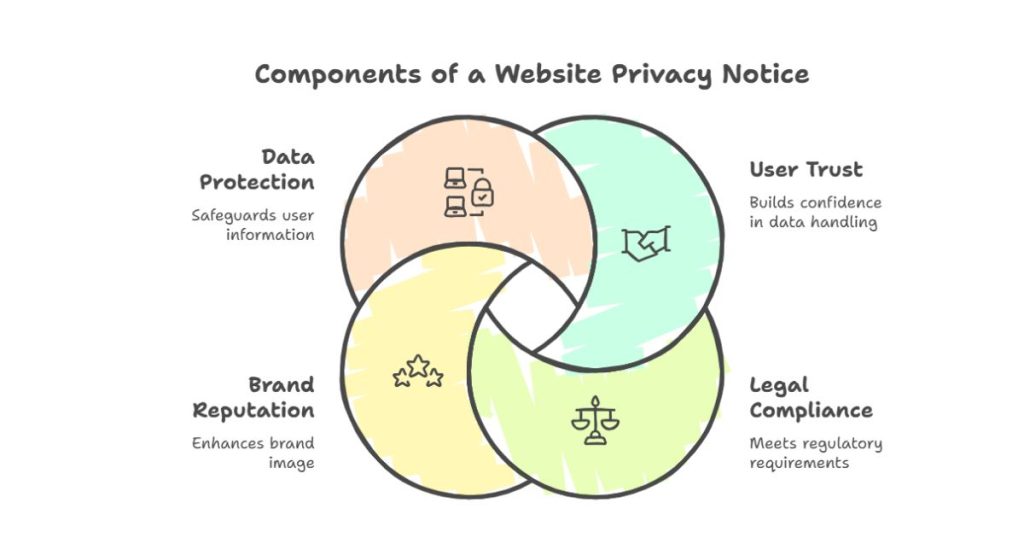
Credit: termly.io
Importance Of Privacy Notice
A privacy notice is crucial for any website. It informs users about how their data is collected and used. This builds trust and ensures compliance with laws.
Building Trust With Users
Users want to know their data is safe. A clear privacy notice shows your commitment to protecting their information. This builds trust and improves user satisfaction.
Include details on what data you collect. Explain how you use and protect it. Users feel more secure when they understand these points. A transparent privacy notice strengthens your relationship with them.
Compliance With Laws
Many countries have laws about data privacy. A privacy notice helps you comply with these regulations. For example, the GDPR in Europe and CCPA in California.
Non-compliance can lead to severe penalties. It can harm your reputation. Ensure your privacy notice meets legal requirements. This protects your business from legal trouble.
| Law | Region |
|---|---|
| GDPR | Europe |
| CCPA | California, USA |
| PIPEDA | Canada |
Keep your privacy notice updated. Laws can change. Your data practices might evolve. Regular updates ensure you remain compliant and continue to build user trust.
Key Elements Of A Privacy Notice
A website privacy notice is crucial for building trust with users. It informs them about data collection, usage, and protection practices. Understanding the key elements of a privacy notice helps ensure compliance and transparency. Let’s explore the essential components of a privacy notice.
Data Collection Practices
Data collection practices outline what information the website gathers. This includes personal details like names, email addresses, and payment information. It also covers data collected through cookies and tracking technologies. Users should know what data is collected and how it is obtained. This builds trust and transparency.
Data Usage Policies
Data usage policies explain how the collected data is used. This could involve processing orders, improving services, or marketing purposes. The policies should specify if data is shared with third parties. Users need to know how their information is utilized and protected. Clear data usage policies enhance user confidence.
Transparency And Clarity
A website privacy notice should embody transparency and clarity. It’s crucial that users understand how their data is collected, used, and protected. This builds trust and ensures compliance with legal requirements. Let’s explore how simple language and accessible format contribute to this goal.
Simple Language
Using simple language in a privacy notice makes it easier for users to comprehend. Avoid technical jargon and legalese. Instead, opt for words and phrases that a 7th grader can understand. Keep sentences short and to the point. This practice ensures that all users, regardless of their language proficiency, can grasp the information.
For example, instead of saying “We utilize cookies to enhance user experience,” you can say, “We use cookies to make your visit better.”
Accessible Format
An accessible format is crucial for a clear privacy notice. Structure your content with headings, bullet points, and tables where necessary. This helps users quickly find the information they need.
Here’s an example of how to present data collection practices in a table:
| Data Collected | Purpose | Retention Period |
|---|---|---|
| Email Address | Send updates and offers | Until user opts out |
| IP Address | Security and analytics | 30 days |
This format is not only user-friendly but also visually appealing. It breaks down complex information into manageable parts, making it easier for users to understand their data rights and your practices.
Credit: juro.com
User Consent And Rights
Ensuring user consent and rights is crucial for any website handling personal data. Users need to know how their data will be used, and they must have control over it. In this section, we will explore how to obtain user consent and what rights users have regarding their data.
Obtaining Consent
To collect personal data, you must first obtain user consent. This involves informing users about the data you will collect and its purpose. Make sure to:
- Provide clear and concise information.
- Use simple language.
- Allow users to opt-in actively.
A checkbox or a similar mechanism works well for this. Ensure it is not pre-checked.
User Access To Data
Users have the right to access their data. This means they can:
- Request a copy of their data.
- Ask for corrections.
- Request data deletion.
Make this process easy. Provide contact details or a form on your website. Respond to requests promptly to ensure compliance.
By respecting user consent and rights, you build trust and comply with legal requirements. This benefits both your website and your users.
Security Measures
Ensuring the security of your website is crucial. Implementing robust security measures can protect sensitive user data and maintain trust. This section will discuss key security practices: Data Protection Strategies and a Breach Response Plan.
Data Protection Strategies
Effective data protection strategies are essential to safeguard personal information. Here are some key practices:
- Encryption: Encrypt data both in transit and at rest to prevent unauthorized access.
- Access Control: Use strong authentication methods like multi-factor authentication (MFA).
- Regular Updates: Keep software and plugins updated to fix vulnerabilities.
- Firewalls: Implement firewalls to block malicious traffic.
- Data Minimization: Only collect and retain necessary data to reduce risk.
Breach Response Plan
A breach response plan is vital for managing security incidents. Here’s a basic outline:
- Detection: Use monitoring tools to detect breaches early.
- Containment: Isolate affected systems to prevent further damage.
- Assessment: Evaluate the scope and impact of the breach.
- Notification: Inform affected users and authorities promptly.
- Remediation: Fix vulnerabilities and restore systems.
- Review: Analyze the incident and update security measures.
Implementing these security measures can help protect user data and ensure compliance with privacy regulations.
Regular Updates
Maintaining a current website privacy notice is essential for protecting user data. Regular updates ensure that users always have access to the latest information. This section covers the importance of keeping information current and notifying users of changes.
Keeping Information Current
Regular updates help keep your privacy notice accurate. Changes in data collection practices or legal requirements need immediate attention. Outdated information can confuse users and lead to mistrust.
- Review your privacy notice quarterly.
- Update changes in data policies.
- Ensure compliance with new laws.
An updated privacy notice shows your commitment to transparency. Users appreciate knowing their data is handled responsibly.
Notifying Users Of Changes
Informing users about updates builds trust. Transparency about changes in data practices is crucial. Use various channels to notify users:
| Channel | Details |
|---|---|
| Send a detailed email about the changes. | |
| Website Banner | Display a banner with a link to the updated notice. |
| App Notifications | For app users, send a push notification. |
Clear communication helps users understand what has changed. This reduces confusion and builds trust. Users feel informed and valued.
Global Considerations
In today’s digital world, website privacy notices must address global considerations. Different countries have their own data protection laws. This means websites must adapt to ensure compliance across borders. Adhering to international privacy standards can be complex. But it is crucial for protecting user data and maintaining trust.
Gdpr Compliance
The General Data Protection Regulation (GDPR) is a significant privacy law. It applies to businesses handling data of EU citizens. Even if your website is not based in the EU, GDPR may still apply. This is important for websites with global visitors. To comply, you must clearly state how you collect, use, and store data. Users must consent to data collection.
You must also provide options to access, correct, or delete their data. Failure to comply with GDPR can result in hefty fines. Therefore, understanding and implementing GDPR requirements is essential. This ensures you respect user privacy and avoid legal issues.
Cross-border Data Transfers
Cross-border data transfers involve moving data between countries. This often happens when businesses use international servers or services. Different countries have varying data protection standards. This can create challenges in ensuring data security. It is vital to understand the laws of the countries where data is stored or processed.
To manage this, you may need to implement standard contractual clauses. These clauses ensure data protection standards are met. Another option is to use services that comply with international data protection laws. This helps in maintaining user trust and safeguarding their data.
Best Practices
Creating a comprehensive and user-friendly Website Privacy Notice is essential for building trust with your audience. Following best practices ensures that your privacy notice not only complies with legal requirements but also enhances user experience. Here are some key best practices to consider:
Clear And Concise Content
Your privacy notice should be easy to read and understand. Use simple language and avoid legal jargon. Break down the information into short paragraphs or bullet points. This approach helps users quickly grasp the essential details.
- Use headings and subheadings to organize the content.
- Highlight key points in bold for emphasis.
- Provide explanations for technical terms or legal phrases.
Regular Audits And Reviews
Regularly auditing and reviewing your privacy notice is crucial. It ensures that the content remains accurate and up-to-date. Set a schedule for periodic reviews and updates.
- Review the notice every six months or after major changes.
- Update information about data collection, usage, and sharing practices.
- Ensure compliance with new privacy laws and regulations.
| Action | Frequency |
|---|---|
| Content Review | Every 6 months |
| Legal Compliance Check | Annually |
| Update Contact Information | As needed |
Credit: www.privacypolicygenerator.info
Frequently Asked Questions
What Is A Website Privacy Notice?
A website privacy notice explains how a website collects, uses, and protects user data. It informs users about their privacy rights and how their data will be handled.
Why Is A Privacy Notice Important?
A privacy notice is important because it ensures transparency and builds trust with users. It also helps comply with legal requirements for data protection.
What Information Is Included In A Privacy Notice?
A privacy notice includes details on data collection, usage, storage, and sharing practices. It also outlines users’ rights and how they can exercise them.
How Does A Privacy Notice Protect Users?
A privacy notice protects users by informing them about data practices and their rights. It ensures that users are aware of how their personal information is handled.
Conclusion
Respecting user privacy is essential for building trust. Clear, concise privacy notices matter. They help users understand data handling. Transparent communication fosters confidence and loyalty. Regularly update your privacy policy. Ensure it complies with current laws. Make it easy to find and read.
User-friendly language is key. Address privacy concerns promptly. Your website’s privacy notice reflects your commitment to user protection. Prioritize it to maintain credibility and trust.