
Privacy of information means protecting personal data from unauthorized access. It ensures sensitive details remain confidential.
In today’s digital age, the concept of privacy has become more crucial than ever. With the internet and technology evolving rapidly, personal data is constantly at risk. Understanding privacy of information is vital for everyone. It involves knowing how your data is collected, stored, and used.
Businesses and individuals alike need to prioritize data protection. This practice helps in safeguarding personal and professional information from breaches and misuse. In this blog post, we will explore the importance of information privacy. We will also look at ways to ensure your data remains secure. By the end, you’ll understand why protecting your information is essential in our connected world.
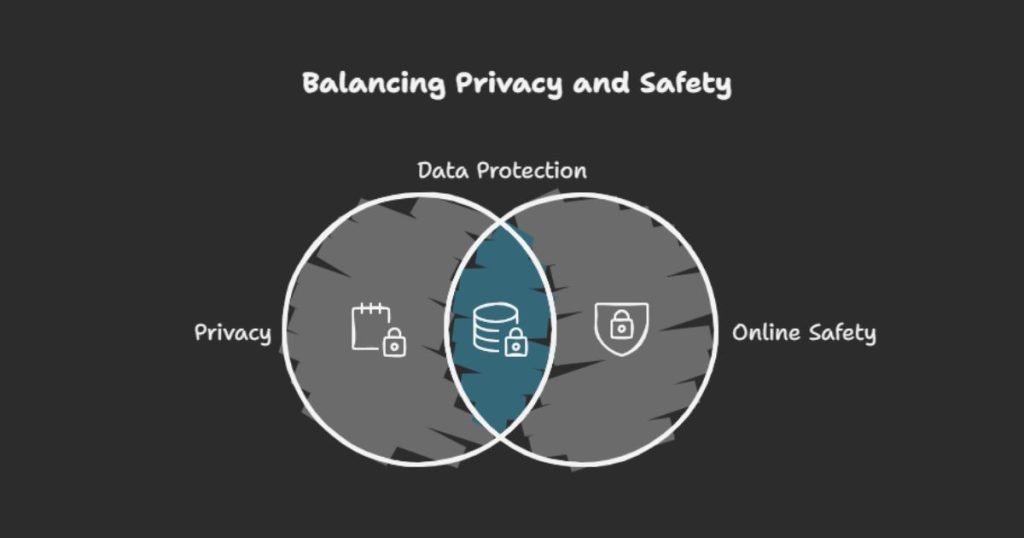
Introduction To Information Privacy
In our digital age, information privacy is more crucial than ever. It’s the practice of protecting personal data from unauthorized access and misuse. This involves safeguarding your name, address, social security number, and other sensitive information.
Imagine sharing your personal details with a trusted friend, only to find out they’ve shared it with others without your permission. This is why information privacy matters. It ensures your personal data remains safe and your trust intact.
Importance Of Privacy
The importance of privacy cannot be overstated. Your personal information is a valuable asset. When protected, it prevents identity theft, fraud, and other malicious activities.
Consider your email account. If someone gains unauthorized access, they can read your emails, steal sensitive information, and even impersonate you. This is why securing your data is paramount.
Moreover, privacy allows you to maintain your individuality. It protects your freedom to think, communicate, and act without unnecessary interference. This is especially vital in a world where data is constantly being collected and analyzed.
Historical Perspective
Privacy has always been a concern, even before the digital era. In the past, people protected their information through physical means like locked doors and private conversations.
With the advent of the internet, the need for robust privacy measures increased. Early data breaches and misuse of personal information highlighted the importance of digital privacy.
Over time, laws and regulations have evolved to protect individuals. The introduction of policies like GDPR in Europe and CCPA in California reflects the growing recognition of privacy as a fundamental right.
How do you ensure your information stays private? What steps do you take to protect your data? Reflecting on these questions can help you understand the importance of privacy and the measures needed to maintain it.
Types Of Information To Protect
Protect personal data like names, addresses, and phone numbers. Safeguard financial details such as bank accounts and credit card information. Keep medical records and passwords secure.
When you think about the privacy of information, it’s crucial to understand the different types of information that need protection. Not all information is created equal, and knowing what to safeguard can help you stay secure. Let’s dive into the types of information you should protect.
Personal Information
Personal information includes details that can identify you as an individual. This can be your full name, address, phone number, and date of birth.
Imagine someone using your name and address to steal your identity. It’s scary but preventable. Always be cautious about where you share this information.
Your email address also falls under this category. It can be a gateway to more sensitive data. Use strong, unique passwords and change them regularly.
Sensitive Data
Sensitive data is a step up in terms of privacy. This includes your social security number, bank account details, and medical records.
Think about the damage someone could do with your social security number. They could open bank accounts or apply for loans in your name. Keep this information under lock and key.
Your medical records are another example. They contain personal health information that you probably want to keep private. Only share them with trusted medical professionals and institutions.
What if someone got hold of your bank account details? They could drain your savings in minutes. Always monitor your bank statements and report any suspicious activity immediately.
In summary, protecting both personal and sensitive information is crucial for your privacy. Be vigilant about where and how you share this data. Your future self will thank you.
Common Threats To Privacy
Privacy of information protects personal data from misuse. Common threats include data breaches, phishing attacks, and unauthorized access. Safeguarding personal information ensures security and trust.
Privacy of information is a critical concern in today’s digital world. Understanding the common threats to your privacy can help you take steps to protect your personal data. Let’s dive into some of the most prevalent threats to your privacy.
Cyber Attacks
Cyber attacks are a significant threat to your privacy. Hackers can use various methods to gain unauthorized access to your personal information. Phishing is a common technique where hackers send fake emails to trick you into revealing sensitive data.
Another method is malware, which can be installed on your device without your knowledge. This software can track your online activity and steal your information. To protect yourself, always use strong passwords and update your software regularly.
Data Breaches
Data breaches are another major threat to privacy. When a company or organization experiences a data breach, your personal information could be exposed. This can include your name, address, and even financial details.
For instance, if you’ve ever received an email from a company informing you of a data breach, you know how unsettling it can be. You might have to change passwords, monitor your credit reports, or even deal with identity theft.
To minimize the risks, be selective about the information you share online and with whom. Also, consider using services that alert you if your data has been compromised.
Protecting your privacy is crucial in this digital age. By being aware of these common threats and taking proactive measures, you can better safeguard your personal information. What steps will you take today to enhance your privacy?
Online Privacy Principles
Online Privacy Principles play a vital role in protecting our data. These principles ensure our information stays secure while we use the internet. They help us understand how our data is collected, stored, and used.
Data Minimization
Data minimization means collecting only the necessary information. Websites should not ask for more data than they need. This reduces the risk of data breaches. It also protects users’ privacy. For example, a website may only need your email, not your home address.
Transparency
Transparency ensures that websites clearly state their data practices. Users should know what data is collected and why. Privacy policies should be easy to find and understand. This builds trust between users and websites. When users know how their data is used, they feel more secure.
Tools For Enhancing Privacy
Privacy of information is crucial in today’s digital age. Many tools can help enhance privacy. These tools ensure your personal data stays safe. Let’s explore some of the most effective tools.
Encryption Tools
Encryption tools are essential for protecting data. They convert your information into a secure code. Only authorized users can decode it. This ensures that even if data is intercepted, it remains unreadable. Popular encryption tools include VeraCrypt and BitLocker. They offer strong protection for files and entire drives.
Secure Browsers
Secure browsers help keep your online activities private. They block trackers and ads that monitor your behavior. Browsers like Brave and Tor are popular choices. Brave offers built-in ad blocking and privacy features. Tor provides anonymity by routing your browsing through multiple servers. Using secure browsers can greatly enhance your online privacy.
Best Practices For Online Safety
Protecting personal information online is crucial. Privacy of information means safeguarding your data from unauthorized access. Stay safe by using strong passwords and avoiding sharing sensitive information.
Privacy of Information is crucial in today’s digital age. With increasing online activities, safeguarding your personal data is more important than ever. Here are some best practices for online safety to help you protect your information effectively.
Strong Passwords
Creating strong passwords is the first step to securing your online accounts. Use a mix of letters, numbers, and special characters. Avoid using easily guessable information like birthdays or common words.
Consider using a password manager to generate and store complex passwords. It can save you from the hassle of remembering multiple passwords and adds an extra layer of security.
Regularly update your passwords. Changing them every few months minimizes the risk of unauthorized access.
Two-factor Authentication
Two-Factor Authentication (2FA) provides an additional layer of security. It requires not only a password but also a second form of verification. This could be a code sent to your phone or an app like Google Authenticator.
2FA can significantly reduce the risk of unauthorized access. Even if someone knows your password, they can’t access your account without the second factor.
Enable 2FA on all your accounts that support it. This simple step can make a big difference in protecting your personal information.
Online safety is essential in protecting your privacy. By using strong passwords and enabling two-factor authentication, you can greatly enhance your online security. Taking these steps today can save you from potential headaches in the future. Are you ready to secure your digital life?
Legal Aspects Of Information Privacy
Understanding the legal aspects of information privacy can help you protect your personal data and navigate the digital world more confidently. Laws and regulations are designed to safeguard your privacy, ensuring that your information is handled responsibly. Let’s dive into the specifics of privacy laws and regulations.
Privacy Laws
Privacy laws are established to protect your personal information from misuse. These laws vary from country to country, but they all aim to give you control over your data.
For example, the General Data Protection Regulation (GDPR) in Europe provides strict guidelines on how companies should handle your data. It ensures transparency and requires consent before collecting personal information.
In the United States, the California Consumer Privacy Act (CCPA) grants you the right to know what personal data is being collected and to request its deletion. These laws empower you to make informed decisions about your privacy.
Regulations
Regulations are rules set by authorities to enforce privacy laws. They provide detailed instructions on how organizations should comply with these laws.
Consider the GDPR again. It requires companies to appoint Data Protection Officers to oversee compliance. It also mandates regular data audits to ensure privacy practices are up to standard.
These regulations are not just about penalties. They encourage businesses to adopt privacy-friendly practices, benefiting you as a consumer. Have you ever wondered how secure your data is when you shop online? Regulations ensure that companies take necessary steps to protect your information.
As you navigate the digital landscape, remember that understanding privacy laws and regulations can empower you. By staying informed, you can make better choices and safeguard your personal information. Do you feel confident about your data privacy now?
Future Of Information Privacy
The future of information privacy is a topic that concerns everyone. As technology advances, the ways in which our data can be accessed and used also evolve. It’s essential to stay informed and proactive about protecting your personal information.
Emerging Technologies
New technologies are constantly emerging that impact information privacy. Think about the rise of AI and machine learning. These tools can analyze vast amounts of data quickly, but they also pose risks.
Have you ever wondered how much data your smart devices collect? From your smartphone to your home assistant, these gadgets are always listening and learning. It’s crucial to understand the privacy settings and controls available to you.
Consider blockchain technology. It promises enhanced security and privacy through decentralization. However, even blockchain is not foolproof and understanding its limitations is key.
Privacy Trends
Privacy trends are shifting towards more user control. Companies are increasingly offering tools that let you manage your data. This is a positive trend but requires you to be proactive.
Have you noticed more websites asking for your consent to use cookies? This is part of a broader trend towards transparency. It’s important to read these notices and understand what you’re agreeing to.
Another trend is the growing importance of data encryption. Encrypting your data can protect it from unauthorized access. Are you using encryption tools for your communications and storage?
As information privacy continues to evolve, staying informed and proactive is the best way to protect yourself. What steps are you taking to safeguard your personal information?
Frequently Asked Questions
What Do You Mean By Privacy Information?
Privacy information refers to personal data that identifies an individual. This includes names, addresses, phone numbers, emails, and financial details. Protecting this information is crucial.
What Is The Meaning Of Private Information?
Private information refers to personal data that can identify an individual, such as name, address, or social security number. It includes sensitive details not intended for public disclosure. Protecting private information is crucial to prevent identity theft and maintain privacy.
What Is The Privacy Of Personal Information?
Privacy of personal information involves protecting sensitive data from unauthorized access. It ensures confidentiality and security, safeguarding personal details.
What Are The 4 Types Of Privacy?
The four types of privacy are information privacy, communication privacy, bodily privacy, and territorial privacy. Each type protects personal data, private conversations, physical autonomy, and personal space, respectively.
Conclusion
Privacy of information protects personal data from misuse and unauthorized access. Staying informed about privacy laws helps safeguard sensitive information. Regular updates on security settings are essential. Choose strong passwords and enable two-factor authentication for extra safety. Share personal details cautiously online to reduce risks.
Educate yourself and others on privacy best practices. Respecting privacy builds trust and secures valuable data. Be proactive about privacy to ensure a safer digital experience.