
Web hosting services and cloud computing are vital in today’s digital world. They help businesses and individuals manage online presence efficiently.
Web hosting services provide the infrastructure to store websites and make them accessible online. Cloud computing, on the other hand, offers flexible and scalable resources over the internet. Both are essential, yet they serve different needs. Understanding the distinctions and benefits of each can help you make informed decisions.
This blog will explore the core concepts, advantages, and how they complement each other. Stay tuned to learn how web hosting and cloud computing can power your online endeavors.
Introduction To Web Hosting
Web hosting is an essential part of having a website. It involves storing your website files on a server so people can access it online. This service allows your website to be available 24/7.
What Is Web Hosting?
Web hosting is a service that provides space on a server to store your website files. When someone types your website URL in their browser, the web host delivers your site to their screen. Web hosting is vital for any online presence.
Types Of Web Hosting
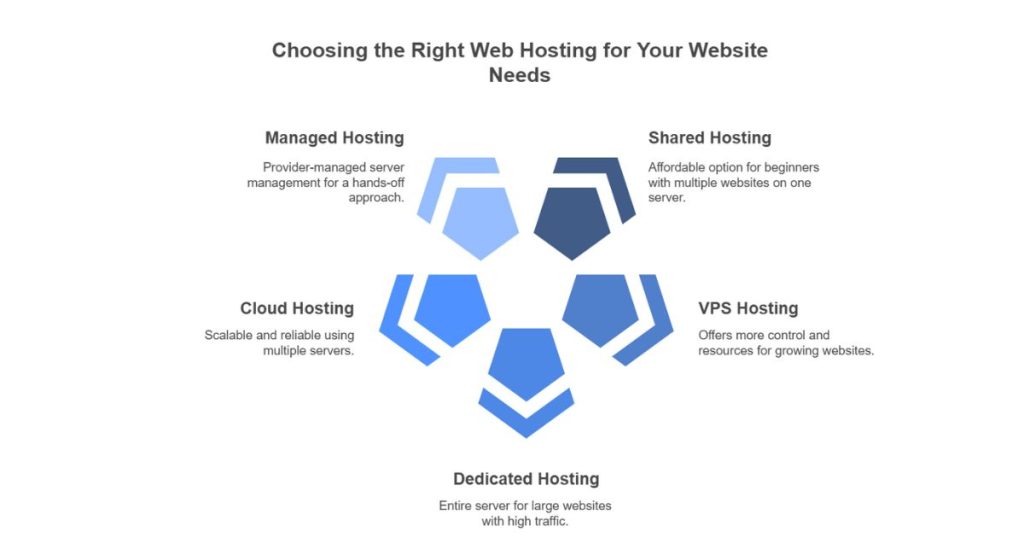
There are different types of web hosting services. Each type has its own benefits. The main types include:
- Shared Hosting: Multiple websites share one server. This is an affordable option for beginners.
- VPS Hosting: Virtual Private Server hosting offers more control and resources. It is suitable for growing websites.
- Dedicated Hosting: You get an entire server for your website. This option is best for large websites with high traffic.
- Cloud Hosting: Uses multiple servers to balance the load and maximize uptime. It is scalable and reliable.
- Managed Hosting: The hosting provider takes care of server management. Ideal for those who prefer a hands-off approach.
Choosing the right type of web hosting depends on your needs. Consider factors like site traffic, budget, and technical skills. The right hosting service ensures your website runs smoothly and efficiently.
Introduction To Cloud Computing
Cloud computing has become a fundamental part of the digital world. It allows businesses to store and access data over the internet. This technology offers flexibility, scalability, and cost savings. Understanding cloud computing is essential for leveraging its benefits.
What Is Cloud Computing?
Cloud computing delivers various services over the internet. These services include storage, databases, networking, and software. Instead of owning physical servers, businesses rent space in the cloud. This on-demand availability makes it easier to manage resources. Cloud computing also provides automatic updates and security features.
Types Of Cloud Services
There are three main types of cloud services. These are Infrastructure as a Service (IaaS), Platform as a Service (PaaS), and Software as a Service (SaaS). Each type offers different levels of control and flexibility.
IaaS provides virtualized computing resources. Users can rent servers, storage, and networking components. This service offers the most control over the infrastructure.
PaaS delivers a platform allowing developers to create applications. It includes tools and frameworks that simplify the development process. Users do not need to manage the underlying infrastructure.
SaaS offers software applications over the internet. These applications are accessible through web browsers. Users can access features without installing software on their devices.
Comparing Web Hosting And Cloud Computing
Choosing between web hosting services and cloud computing can be confusing. Both have unique features and benefits. Understanding their differences can help you make an informed decision.
Key Differences
Web hosting involves storing your website on a single server. This server can be shared or dedicated. Cloud computing uses multiple servers, working together as a single system. If one server fails, others take over.
Web hosting is usually easier to manage. It is ideal for small websites. Cloud computing offers more flexibility. It can handle larger websites and complex applications.
Advantages And Disadvantages
Web hosting is often cheaper. It provides a simple setup process. It is suitable for beginners. However, it has limited scalability. Traffic spikes can cause downtime.
Cloud computing offers higher scalability. It can handle sudden traffic increases. It ensures better uptime. Yet, it can be more expensive. It may require technical knowledge to manage.
Credit: stock.adobe.com
Choosing The Right Service For Your Needs
Finding the right web hosting or cloud computing service can be tough. Your choice affects your website’s performance and cost. Let’s break down how to choose the right service.
Assessing Your Requirements
First, assess your website’s requirements. Identify the type of website you have. Is it a blog, e-commerce site, or a portfolio? Each type has different needs.
| Type of Website | Basic Needs |
|---|---|
| Blog | Low storage, moderate bandwidth |
| E-commerce | High storage, high bandwidth, security |
| Portfolio | Moderate storage, low bandwidth |
Next, think about your technical skills. Do you need a managed service or can you handle basic server tasks? Managed services offer ease but come at a higher cost.
- Basic HTML and CSS knowledge
- Ability to use FTP clients
- Experience with CMS like WordPress
Scalability And Flexibility
Scalability is key for growing websites. Choose a service that can grow with you. Look for flexible plans that allow for easy upgrades.
Cloud computing often offers better scalability. It allows you to add resources like storage and RAM as needed. This prevents downtime and keeps your site running smoothly.
Consider the flexibility of the service. Can you easily switch between different plans? Can you add features or resources without hassle?
- Check the upgrade process
- Look for pay-as-you-go options
- Evaluate customer support
Remember, your choice should align with your long-term goals. A good web hosting or cloud service can help your website succeed.
Top Web Hosting Services In 2025
In 2025, the world of web hosting services has evolved dramatically. With more websites demanding speed, security, and reliability, choosing the right service is crucial. Here, we will explore the top web hosting services of 2025 that stand out for their performance and features.
Leading Providers
The competition among web hosting providers is fierce. Here are some of the top names that have made a mark:
- Bluehost: Known for its excellent uptime and customer support.
- HostGator: Offers flexible plans and robust performance.
- SiteGround: Praised for its security features and fast loading times.
- InMotion Hosting: Ideal for small businesses with its scalable solutions.
- A2 Hosting: Famous for its speed and developer-friendly options.
Key Features To Look For
While choosing a web hosting service, certain features are essential. Here’s what you should consider:
| Feature | Importance |
|---|---|
| Uptime Guarantee | Ensures your website is always accessible. |
| Speed | Affects user experience and SEO rankings. |
| Security | Protects your site from threats and attacks. |
| Customer Support | Provides help when you need it most. |
| Scalability | Accommodates the growth of your website. |
These features ensure your website runs smoothly and efficiently. Prioritize them to make an informed decision.
Top Cloud Computing Providers In 2025
As we step into 2025, the landscape of cloud computing is more advanced than ever. Businesses are increasingly relying on cloud services for their operations. With many providers vying for attention, it’s crucial to know the top players and what sets them apart. Let’s dive into the major cloud computing providers to look out for in 2025.
Major Players
Several key players dominate the cloud computing market. Here are some of the top providers:
- Amazon Web Services (AWS): AWS remains a leader with its wide range of services and strong infrastructure.
- Microsoft Azure: Azure is known for its excellent integration with Microsoft products and services.
- Google Cloud Platform (GCP): GCP stands out for its strong data analytics and machine learning capabilities.
- IBM Cloud: IBM Cloud focuses on enterprise solutions and hybrid cloud services.
- Oracle Cloud: Oracle Cloud is preferred for its database services and enterprise applications.
Important Considerations
When choosing a cloud provider, keep these important factors in mind:
- Service Offerings: Ensure the provider offers services that align with your needs.
- Pricing: Compare pricing models to find the most cost-effective solution.
- Scalability: Look for providers that allow easy scaling of resources.
- Security: Prioritize providers with robust security measures and compliance certifications.
- Support: Consider the level of customer support and service level agreements (SLAs).
Choosing the right cloud provider can significantly impact your business operations. Evaluate your options carefully and make an informed decision.
Security And Reliability
Security and reliability are crucial factors for web hosting services and cloud computing. Businesses need assurance that their data is safe and accessible. This section explores the measures taken to protect data and ensure uptime.
Security Measures
Web hosting services implement various security measures to protect user data. These include firewalls, intrusion detection systems, and regular security audits. Firewalls act as a barrier between your website and potential threats. Intrusion detection systems monitor network traffic for suspicious activity. Regular security audits help identify and fix vulnerabilities.
Cloud computing providers also prioritize data security. They use encryption to protect data in transit and at rest. Encryption ensures that only authorized users can access the data. Multi-factor authentication adds an extra layer of security. Users must verify their identity through multiple means.
Ensuring Uptime
Uptime is critical for maintaining a website’s availability. Web hosting services strive for high uptime percentages. They use redundant servers and data centers. If one server fails, another takes over. This minimizes downtime and ensures continuous access to your website.
Cloud computing offers scalability to handle traffic spikes. Resources can be added or removed as needed. This flexibility helps maintain performance during peak times. Many providers also offer Service Level Agreements (SLAs). SLAs guarantee a certain level of uptime, giving businesses peace of mind.
Credit: www.hostarmada.com
Future Trends In Web Hosting And Cloud Computing
The digital landscape is evolving. Web hosting and cloud computing are at the forefront of this change. Understanding future trends is crucial. This helps businesses stay competitive and efficient. Below are the key areas to watch.
Emerging Technologies
New technologies will shape the future. Here are some to consider:
- AI Integration: AI will optimize server management. It will predict issues before they occur.
- Edge Computing: Data processing will move closer to the source. This will reduce latency and improve speed.
- Quantum Computing: Still in its infancy, but it promises faster and more secure data processing.
- Serverless Architecture: It will reduce the need for traditional servers. This means more cost-effective and scalable solutions.
Predictions For 2025
By 2025, several trends will dominate:
| Trend | Impact |
|---|---|
| Increased Cloud Adoption | More businesses will move to the cloud. This offers greater flexibility and scalability. |
| Enhanced Security Measures | Security will be a top priority. Expect advancements in encryption and threat detection. |
| Green Hosting | Eco-friendly hosting solutions will gain popularity. This helps reduce the carbon footprint. |
| 5G Technology | 5G will enhance data transfer speeds. This will improve overall user experience. |
The future of web hosting and cloud computing is bright. Staying updated with these trends is essential. It helps businesses optimize their operations and stay ahead.
Frequently Asked Questions
What Is Web Hosting?
Web hosting is a service that allows websites to be accessible on the internet. It provides storage space and resources for website files.
How Does Cloud Computing Work?
Cloud computing delivers computing services over the internet. It offers on-demand access to resources like servers, storage, and applications.
What Are The Benefits Of Cloud Hosting?
Cloud hosting offers scalability, flexibility, and cost-efficiency. It provides high performance, reliability, and supports disaster recovery.
Is Cloud Hosting Better Than Traditional Hosting?
Cloud hosting is often better due to its scalability and flexibility. It can handle traffic surges and offers better uptime.
Conclusion
Choosing the right web hosting and cloud computing service is crucial. It impacts your site’s speed, security, and reliability. Cloud computing offers flexibility and scalability. Web hosting provides dedicated resources. Evaluate your needs and budget carefully. Both options can help your business grow.
Make an informed decision for the best results.