
Lead generation is vital for business growth. It helps attract potential customers.
Generating leads can be challenging. Many businesses struggle to find new prospects. This is where creative lead generation ideas come in handy. By implementing effective strategies, you can boost your customer base. In this blog post, we will explore various lead generation ideas.
These ideas will help you attract more prospects and grow your business. Whether you are a small startup or a large corporation, these tips will be useful. Stay tuned to discover practical and easy-to-implement lead generation ideas. Let’s get started!
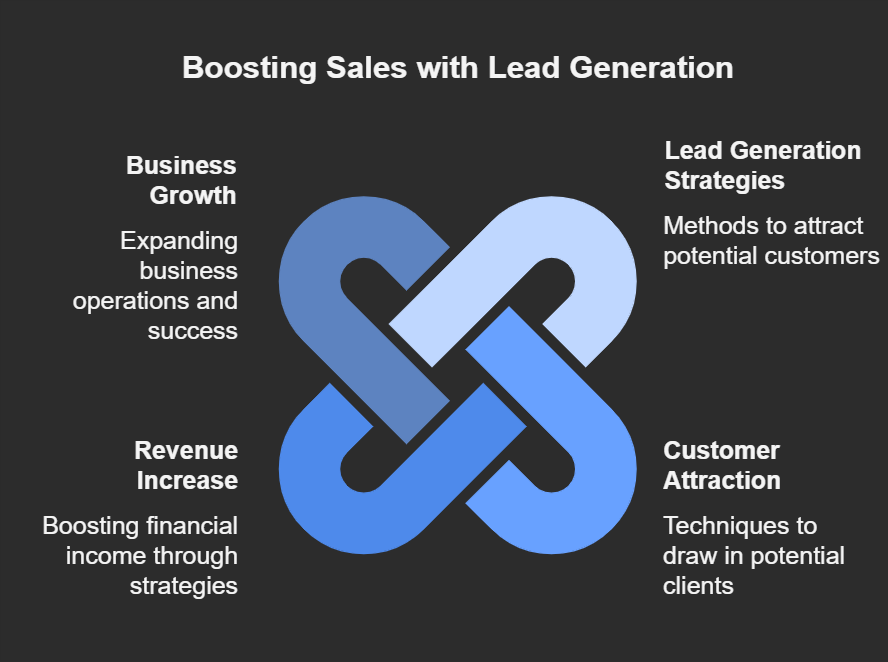
Introduction To Lead Generation
Welcome to the world of lead generation! If you’re wondering what lead generation is all about, think of it as the process of attracting and capturing interest in your product or service. It’s like fishing – you need the right bait to catch the best fish. But instead of fish, you’re catching potential customers, known as leads. These leads are the people who show interest in what you offer and could become your future customers.
Importance Of Leads
Why are leads so important, you ask? Well, leads are the lifeblood of any business. Without them, your business may struggle to grow or even survive. Here’s why:
- Revenue Growth: More leads often mean more sales opportunities, which can lead to increased revenue.
- Customer Base Expansion: Leads can turn into loyal customers who not only buy from you but also refer others.
- Market Insights: Engaging with leads helps you understand what your target market wants, enabling you to improve your offerings.
In short, generating leads is essential for business growth and sustainability. It’s like planting seeds for your business’s future harvest.
Common Lead Generation Challenges
Of course, lead generation isn’t always a walk in the park. Businesses often face several hurdles, such as:
- Finding the Right Audience: Imagine casting a wide net in the ocean, hoping to catch a specific type of fish. It’s not easy! Similarly, identifying and reaching the right audience can be tricky.
- Creating Engaging Content: Let’s face it, not all content is captivating. Crafting content that grabs attention and converts visitors into leads requires creativity and effort.
- Managing Leads: Once you have leads, you need a system to manage and nurture them. Without proper management, leads can slip through the cracks.
But don’t let these challenges discourage you. With the right strategies and tools, you can overcome them and create a robust lead generation process.
In the upcoming sections, we’ll dive deeper into various lead generation ideas that can help you attract and convert leads effectively. Stay tuned, and let’s turn those challenges into opportunities!
Optimizing Your Website
Optimizing your website is crucial for effective lead generation. A well-optimized site attracts more visitors and converts them into leads. This section explores various strategies to enhance your website’s performance.
Effective Landing Pages
Landing pages play a vital role in lead generation. They focus on a single goal. Keep them simple and direct. Highlight the benefits of your offer. Use clear and concise language. Include eye-catching visuals that support your message. Ensure the page loads quickly. A slow page can deter visitors.
Form placement is critical. Position it above the fold. Ask only for essential information. Too many fields can be off-putting. Use a strong headline that grabs attention. It should be relevant to the visitor’s interest.
Ctas That Convert
Calls to Action (CTAs) guide visitors to take the next step. They should be prominent and clear. Use action-oriented words. For example, “Download Now” or “Get Started.” Avoid generic terms like “Click Here.” The design of the CTA matters too. Use contrasting colors to make it stand out.
Place CTAs strategically. They should appear in multiple locations. Top of the page, middle, and at the end. Test different versions to see what works best. A/B testing can provide valuable insights. Always keep the user experience in mind. Simplify the process to encourage action.
Content Marketing Strategies
When it comes to generating leads, content marketing is like striking gold. It’s a powerful way to attract potential clients and nurture them through the sales funnel. But what exactly are the best content marketing strategies for lead generation? Let’s dive into two effective approaches: Blogging for Leads and Creating Gated Content.
Blogging For Leads
Blogging is not just for sharing your thoughts on the latest trends. It’s a strategic tool for lead generation. When done right, it can draw in your target audience and convert them into leads. Here’s how:
- Consistent Posting: Keep a regular schedule. Consistency builds trust and keeps your audience engaged.
- SEO Optimization: Use relevant keywords to make your posts easily discoverable on search engines.
- Call-to-Actions (CTAs): Include clear CTAs in your posts. Prompt readers to subscribe, download a resource, or contact you.
- Engaging Content: Write about topics that interest your audience. Provide value, solve problems, and answer common questions.
Take, for instance, a small business owner who started a blog about DIY marketing tips. By sharing practical advice and relatable stories, they attracted a loyal following. Over time, this blog became a steady source of leads, proving the power of good content.
Creating Gated Content
Gated content is like the VIP section of your website. It’s exclusive, valuable, and only accessible in exchange for contact information. This tactic is perfect for capturing leads. Here’s how you can create effective gated content:
- Identify Valuable Content: Think of eBooks, whitepapers, or exclusive webinars that your audience would find irresistible.
- Design Attractive Landing Pages: Create simple but compelling landing pages where users can sign up to access your gated content.
- Use Forms Wisely: Keep your sign-up forms short. Ask for essential details only to avoid scaring off potential leads.
Imagine offering a free eBook on ’10 Secrets to Boost Your Sales’ on your website. Visitors who find the title intriguing will gladly provide their email addresses to download it. Just like that, you have new leads to nurture.
In conclusion, content marketing strategies like blogging and creating gated content are invaluable for lead generation. They not only attract potential clients but also build lasting relationships. So, get creative with your content and watch your leads grow!
Leveraging Social Media
In today’s digital age, leveraging social media for lead generation is not just an option; it’s a necessity. Social media platforms are bustling with potential customers, and tapping into this vast pool can skyrocket your lead generation efforts. But how do you make the most out of social media to generate leads? Let’s dive into some effective strategies.
Engaging Content
Creating engaging content is the cornerstone of successful social media lead generation. It’s like fishing; you need the right bait to attract the fish. Here are some tips:
- Visual Content: Use images, infographics, and videos. People are more likely to engage with visual content. Think of it as the eye candy of social media.
- Storytelling: Share stories that resonate with your audience. It could be customer success stories or behind-the-scenes looks at your business. Stories connect on a personal level and build trust.
- Interactive Posts: Create polls, quizzes, and surveys. These not only engage but also provide valuable insights into your audience’s preferences and opinions.
Social Media Ads
Investing in social media ads can significantly boost your lead generation efforts. With the right targeting, you can reach a highly specific audience. Here’s how:
- Define Your Audience: Use the targeting options to narrow down your audience based on demographics, interests, and behaviors. This ensures that your ads reach the people most likely to be interested in your offerings.
- Compelling Ad Copy: Your ad copy should be clear, concise, and compelling. Include a strong call-to-action (CTA) that tells people exactly what you want them to do.
- A/B Testing: Run multiple versions of your ads to see which ones perform best. This helps you optimize your ad campaigns for better results over time.
Leveraging social media for lead generation isn’t rocket science, but it does require a strategic approach. By creating engaging content and running targeted ads, you can effectively attract and convert leads. So, are you ready to harness the power of social media for your business?
Email Marketing Tactics
Email marketing remains a powerful tool for lead generation. It helps businesses reach potential customers directly. With the right tactics, email marketing can boost engagement and conversions. Let’s explore some effective email marketing tactics.
Building An Email List
Start by creating an email list. Offer something of value in exchange for email addresses. This could be a free eBook, a discount, or a newsletter subscription. Use signup forms on your website and social media platforms. Ensure the form is simple and easy to fill out. The easier it is, the more signups you’ll get.
Promote your signup form through blog posts, pop-ups, and social media ads. Always get permission before adding someone to your email list. This keeps your list clean and engaged. A quality email list is better than a large, unengaged one.
Personalized Email Campaigns
Personalized emails perform better than generic ones. Use the recipient’s name in the subject line and body of the email. Segment your email list based on interests, past purchases, or location. This helps send relevant content to each group.
Create tailored content for each segment. For example, send product recommendations based on previous purchases. Include dynamic content that changes based on the recipient’s preferences. Personalized emails make recipients feel valued and understood. This increases the chances of engagement and conversion.
Utilizing Seo Techniques
Lead generation is vital for any business. Utilizing SEO techniques can significantly enhance your lead generation efforts. SEO helps your content appear in search engine results, attracting potential customers. This section explores how to use SEO for effective lead generation.
Keyword Research
Keyword research is the foundation of SEO. It involves identifying words and phrases your target audience uses. Tools like Google Keyword Planner can help. Focus on long-tail keywords. They are specific and have less competition. This increases your chances of ranking higher in search results.
On-page Optimization
On-page optimization is crucial for making your content search engine friendly. Start with your title tag. It should include your primary keyword. Keep it under 60 characters. Next, optimize your meta description. It should be compelling and under 160 characters. Use your primary keyword here too.
Headings and subheadings are important. Use them to break up your content. This makes it easier to read. Include your keywords in headings and subheadings. This helps search engines understand your content. Internal linking is also important. Link to other relevant content on your site. This keeps users engaged and improves your SEO.
Finally, optimize your images. Use descriptive file names and alt text. This helps search engines understand your images. It also improves your chances of appearing in image search results.
Hosting Webinars And Events
In the digital age, hosting webinars and events has become one of the most effective lead generation strategies. These platforms offer businesses the opportunity to showcase their expertise, engage with potential clients, and establish a solid online presence. But how do you make sure your webinar or event is not just another drop in the ocean? Let’s dive into some practical tips to make your efforts truly shine.
Planning A Webinar
Before you dive headfirst into hosting a webinar, a solid plan is crucial. Start by defining your goals. What do you want to achieve? Is it to educate your audience, generate leads, or perhaps promote a new product? Whatever your objectives, clarity is key.
Next, choose a topic that resonates with your target audience. Think about their pain points and interests. What’s keeping them up at night? Addressing these concerns will ensure your content is relevant and engaging. Now, let’s not forget about the technical aspects. Select a reliable platform that supports your needs, whether it’s Zoom, GoToWebinar, or another tool. Test your equipment beforehand to avoid any hiccups during the live event.
Finally, prepare engaging content. Use a mix of slides, videos, and interactive elements to keep your audience hooked. Remember, the more value you provide, the more likely attendees will become leads.
Promoting Your Event
You’ve planned your webinar, but how do you get people to attend? Promotion is the magic word here. Start by leveraging your existing channels. Use email marketing to reach out to your subscribers with an invitation. Keep the email concise, and highlight the benefits of attending.
Social media is another powerful tool. Create eye-catching posts and share them across your platforms. Use relevant hashtags and consider running a targeted ad campaign to reach a broader audience. Collaborate with influencers or industry experts to amplify your reach. Their endorsement can lend credibility and attract more attendees.
Don’t forget about partnerships. Partner with other businesses or organizations that share your audience. This can help you tap into new networks and boost your reach.
Lastly, create a sense of urgency. Use phrases like “Limited spots available” or “Don’t miss out” to encourage quick sign-ups. And always include a clear call-to-action, guiding your audience on how to register.
Hosting webinars and events can be a game-changer for lead generation. With careful planning and effective promotion, you’ll not only attract leads but also build lasting relationships with your audience. So, why wait? Start planning your next webinar today, and watch your business grow!
Networking And Partnerships
Networking and partnerships play a crucial role in lead generation. Building connections within your industry can open doors to new opportunities. Partnering with other businesses can expand your reach and credibility. Below, we explore some effective strategies for leveraging networking and partnerships for lead generation.
Industry Networking
Industry events are great for meeting potential leads. Attend conferences, trade shows, and seminars. Engage in meaningful conversations with others. Exchange business cards and follow up after the event. Social media platforms like LinkedIn can also be useful. Join industry-specific groups and participate in discussions. This helps you stay visible and relevant.
Collaborations And Partnerships
Collaborating with other businesses can be beneficial. Find companies that offer complementary products or services. Partnering with them can create mutual benefits. Co-host webinars or workshops to reach a larger audience. Share each other’s content on social media. This can attract new leads from their followers. Guest blogging on each other’s websites also works well. It provides fresh content and exposes you to a new audience.
Analyzing And Improving Results
Lead generation is the lifeblood of any business aiming to grow. However, generating leads is only half the battle. To truly thrive, you must analyze and improve your results continuously. By carefully examining your lead generation efforts, you can identify what’s working, what isn’t, and how to make smarter decisions moving forward. Let’s dive into the essential steps for analyzing and improving your lead generation results.
Tracking Key Metrics
First things first, tracking key metrics is crucial. Without the proper data, you’ll be flying blind. Here are some key metrics you should keep an eye on:
- Conversion Rate: How many visitors turn into leads?
- Cost per Lead: How much are you spending to acquire each lead?
- Lead Quality: Are the leads converting into paying customers?
- Source of Leads: Where are your leads coming from?
By monitoring these metrics, you can gain a clearer picture of your lead generation performance. For instance, if your cost per lead is high, you might need to tweak your advertising strategies. Or, if your conversion rate is low, perhaps your landing page needs an overhaul.
Adjusting Strategies
Once you have your data, it’s time to adjust your strategies. Think of it like cooking; you need to taste the dish and add more salt if it’s bland. Here’s how you can do it:
- Experiment with Different Channels: If one source isn’t working, try another. Social media, email marketing, and PPC ads can all be tested.
- Refine Your Messaging: Make sure your message resonates with your audience. Use simple language that speaks directly to their needs and desires.
- Optimize Landing Pages: A/B test your landing pages to find what works best. Sometimes a small change can lead to significant improvements.
- Follow Up Quickly: Lead response time is crucial. The faster you follow up, the higher the chances of conversion.
Remember, there’s no one-size-fits-all approach. What works for one business might not work for another. So, be prepared to test, fail, learn, and try again.
In conclusion, analyzing and improving your lead generation efforts is a continuous process. By tracking key metrics and adjusting your strategies accordingly, you can ensure your business stays on the path to success. And who knows? You might even discover some hidden gems along the way. So, roll up your sleeves and start analyzing!
Conclusion And Next Steps
As we wrap up our exploration of lead generation ideas, it’s time to put everything into perspective. While discovering new tactics is exciting, knowing how to implement them effectively is key. Let’s dive into our conclusion and next steps to ensure you’re ready to boost your lead generation efforts.
Summary Of Strategies
Here’s a quick rundown of the lead generation strategies we discussed:
- Content Marketing: Create valuable content that addresses your audience’s needs and interests.
- Email Marketing: Build and nurture relationships through targeted email campaigns.
- Social Media: Engage with your audience on platforms where they spend their time.
- SEO: Optimize your website to attract organic traffic and generate leads.
- Webinars and Workshops: Offer educational sessions that provide value and capture leads.
Each of these strategies has its own strengths and can work wonders when combined effectively.
Implementing Your Plan
Now that you have a clear understanding of the strategies, it’s time to put them into action. Here’s a step-by-step guide to help you:
- Set Clear Goals: Define what you want to achieve with your lead generation efforts. This could be growing your email list, increasing website traffic, or boosting sales.
- Create a Content Calendar: Plan your content in advance to ensure consistency. Include blog posts, social media updates, and email newsletters.
- Use Tools and Analytics: Utilize tools like Google Analytics, email marketing platforms, and social media schedulers to track your progress and optimize your efforts.
- Test and Tweak: Continuously monitor your results and make necessary adjustments. What works today might not work tomorrow, so stay agile.
Remember, consistency is key. Rome wasn’t built in a day, and neither is a successful lead generation strategy. Stay patient and persistent.
Lead generation is a marathon, not a sprint. By now, you should have a solid understanding of various strategies and a plan to implement them. Don’t be afraid to experiment and find what works best for you.
Here are your next steps:
- Review Your Current Efforts: Assess what’s working and what’s not.
- Choose Your Strategies: Select a few strategies to start with based on your goals and resources.
- Create a Timeline: Set realistic deadlines for each step of your plan.
- Measure and Adjust: Regularly review your progress and make adjustments as needed.
Lead generation isn’t a one-size-fits-all approach. It requires creativity, effort, and a willingness to adapt. So, roll up your sleeves and get started. Your future leads are waiting!
Frequently Asked Questions
What Is The Best Example Of Lead Generation?
The best example of lead generation is offering a valuable eBook in exchange for contact details through a landing page.
How Can I Generate Leads Fast?
Generate leads fast by optimizing your website for SEO, using social media ads, and leveraging email marketing. Offer valuable content, use lead magnets, and network at industry events.
What Are The 4 L’s Of Lead Generation?
The 4 L’s of lead generation are Lead Capture, Lead Magnets, Landing Pages, and Lead Scoring.
How Do You Generate A Lot Of Leads?
Generate leads by optimizing your website for SEO, creating valuable content, leveraging social media, using email marketing, and running targeted ads.
Conclusion
Generating leads requires creativity and persistence. The right strategies can boost success. Focus on understanding your audience. Offer value through content and interactions. Utilize social media and email marketing. Track results and adjust tactics as needed. Consistency is key. Remember, effective lead generation builds relationships.
Keep experimenting and stay adaptable. With these ideas, your lead generation efforts will thrive.