
Augmented reality (AR) is changing the way we interact with the world. It blends digital elements with our physical surroundings, creating amazing experiences.
Imagine seeing virtual objects in your real-life space or playing games that mix with your environment. AR is not just for fun; it has practical uses too. Businesses use AR for training, marketing, and customer support. Education gets a boost with AR, making learning interactive and engaging.
This blog explores various augmented reality ideas that can inspire you. Whether you are a developer, educator, or business owner, there’s something here for everyone. Get ready to discover how AR can enhance your world in incredible ways.
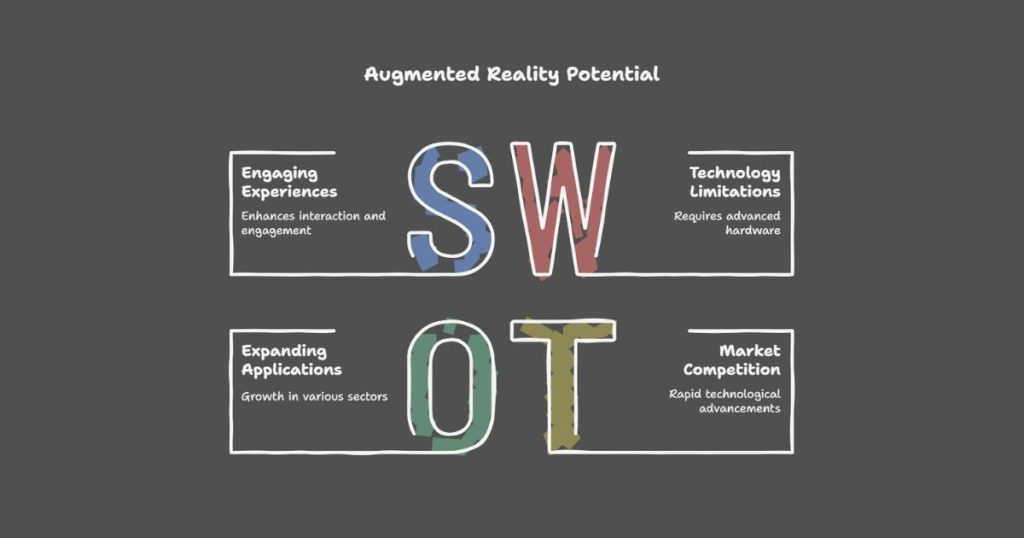
Introduction To Augmented Reality
Augmented Reality (AR) is transforming the way we interact with the digital world. You might have already experienced it without even realizing it. Remember Pokémon Go? Yes, that’s AR in action! This technology blends digital elements with the real world, creating immersive experiences.
What Is Augmented Reality?
AR overlays digital information onto the physical world. Think of it as adding virtual objects to your surroundings through your smartphone or AR glasses. Unlike Virtual Reality, which creates an entirely digital environment, AR enhances your real-world experience.
Imagine pointing your phone at a painting and seeing a detailed description or historical context pop up. Or, visualize trying on clothes virtually before buying them online. These are just a few ways AR can be used to make your life easier and more interesting.
Brief History Of AR
The concept of AR dates back to the 1960s. Ivan Sutherland created the first head-mounted display system, laying the groundwork for AR. Fast forward to the 1990s, and Boeing started using AR for aircraft assembly, showcasing its practical applications.
In recent years, AR has gained significant traction. With the rise of smartphones, apps like Snapchat and Instagram have made AR mainstream. You’ve probably used AR filters to add funny glasses or animal ears to your selfies. These simple applications are just the tip of the iceberg.
AR’s journey from a futuristic idea to a daily tool is fascinating. Think about how far it has come and where it might go next. What new possibilities could AR unlock for you and your everyday experiences?
Have you ever tried an AR app? How did it change your perception of the digital world around you? Share your thoughts and let’s discuss the future of AR together!
AR In Education
Augmented Reality (AR) is transforming the educational landscape by making learning more interactive and engaging. It brings abstract concepts to life, providing students with a hands-on experience that traditional methods can’t offer. Let’s dive into some compelling ways AR is reshaping education.
Interactive Learning
Imagine learning about the human body by seeing it in 3D right in front of you. With AR, students can visualize complex systems like never before. This makes abstract concepts tangible and easier to understand.
Interactive AR apps allow students to dissect virtual frogs, explore the solar system, or even travel back in time. These experiences are not just fun; they also improve retention and comprehension. Hands-on learning has never been this accessible.
Parents and teachers can also benefit. You can better explain difficult topics with AR models. It’s like having a lab in your pocket, always ready to use. This makes learning a shared, enjoyable experience.
Virtual Classrooms
AR can turn any space into a virtual classroom. Whether you’re at home or in a park, AR can project a classroom environment around you. This flexibility is a game-changer for remote learning.
Imagine attending a history class and seeing ancient Rome come to life around you. Or, participating in a chemistry lab without the risk of spills and accidents. Virtual classrooms make learning immersive and engaging.
Teachers can use AR to create interactive lessons that capture students’ attention. This keeps students motivated and eager to learn. It’s not just about absorbing information; it’s about experiencing it.
Have you ever thought about how AR could change your learning experience? The possibilities are endless and exciting. Share your thoughts and let’s discuss how we can make education more dynamic together.
Ar In Healthcare
Augmented Reality (AR) is transforming various industries, including healthcare. AR in healthcare offers innovative solutions for medical training, patient care, and more. This technology enhances the way professionals learn and interact with patients. Let’s explore some exciting AR applications in healthcare.
Medical Training
AR provides immersive learning experiences for medical students and professionals. They can practice surgeries in a virtual environment. This reduces the risk of errors in real-life procedures. Students can also visualize 3D models of human anatomy. This helps them understand complex structures better. AR makes learning interactive and engaging.
Patient Care
AR improves patient care by providing real-time information. Doctors can use AR glasses during surgeries. This allows them to access patient data without looking away. AR also helps in vein detection. It makes drawing blood easier and less painful. Patients can use AR apps to understand their treatment plans. This empowers them to take control of their health.
AR In Retail
Augmented reality in retail offers unique shopping experiences. Virtual try-ons help customers visualize products. Interactive displays provide more product information.
Augmented Reality (AR) is transforming the retail sector in exciting ways. Imagine walking into a store, and instead of guessing if a piece of furniture fits your living room or if a new jacket matches your style, you can see it all through AR. This technology enriches your shopping experience, making it more interactive and personalized.
Virtual Try-ons
Virtual try-ons are a game-changer in retail. With AR, you can see how clothes, accessories, or even makeup look on you without physically trying them on.
Think about the time saved during a busy shopping day. No more long fitting room queues. You simply use your smartphone or in-store AR mirrors to visualize products in real-time.
This not only enhances convenience but also reduces returns. Have you ever bought something online only to find it doesn’t suit you? Virtual try-ons tackle this issue head-on.
Enhanced Shopping Experiences
AR can turn ordinary shopping into an adventure. Imagine you are in a store, and by scanning a product with your phone, you get detailed information, reviews, or even a demonstration video.
This instant access to information helps you make informed decisions. It’s like having a personal shopping assistant guiding you through the aisles.
Moreover, AR can create immersive brand experiences. Brands can set up interactive displays or games that engage you while you shop. Picture yourself exploring a virtual showroom, finding hidden deals or learning about the brand’s story in a fun way.
How often do you feel overwhelmed by choices in a store? AR can simplify this by providing personalized recommendations based on your preferences. This tailored approach makes shopping enjoyable and stress-free.
In conclusion, AR in retail is not just a trend. It’s a practical tool that enhances your shopping journey, making it more efficient and enjoyable. How do you see AR changing your shopping habits?
AR In Entertainment
Augmented Reality (AR) transforms entertainment by creating immersive experiences. Imagine interactive concerts or engaging games right in your living room.
Augmented Reality (AR) has taken the entertainment world by storm, offering experiences that were once the stuff of science fiction. Whether you’re a gamer, a music lover, or just someone who enjoys innovative entertainment, AR can elevate your experience to new heights.
Immersive Gaming
AR in gaming isn’t just about playing; it’s about living the game. Imagine stepping into your living room and turning it into a battlefield. You can see enemy troops hiding behind your sofa and power-ups on your dining table.
Games like Pokémon Go have already shown how thrilling AR can be. They blend real-world locations with virtual elements, making your neighborhood a playground. It’s like your surroundings are a part of the game, and you are the character.
Have you tried any AR games? What did you think? The integration of physical space and virtual elements can make gaming more engaging and fun. It’s not just about visuals; it’s about experiencing the game in a whole new way.
Augmented Concerts
Concerts have also embraced AR to give you a more immersive experience. Imagine being at a live concert where your favorite band members appear as holograms on stage, or when special effects unfold in the air around you.
Artists like Eminem have used AR in their shows to add layers of visual effects, making the concert not just a musical experience but a visual spectacle. It feels like you are inside a music video.
Are you a concert-goer? What if your next concert included a light show visible only through AR glasses? The idea is to make each concert unique and unforgettable. You don’t just watch; you participate.
AR is reshaping entertainment, making it more interactive and engaging. Whether you’re a gamer or a music lover, AR offers something exciting and new. How will you explore AR in your entertainment? The possibilities are endless.
AR In Tourism
Augmented reality in tourism offers exciting ideas. Visitors can explore historical sites with virtual guides. Museums can showcase interactive exhibits through AR.
Augmented Reality (AR) is transforming the tourism industry by providing immersive and engaging experiences. Imagine walking through a historical site and seeing it come to life on your smartphone. AR makes this possible, enhancing the way we explore new places.
Virtual Tours
Virtual tours offer a new way to explore destinations from the comfort of your home. Imagine planning your next vacation and being able to walk through the streets of Paris or the beaches of Bali virtually. This not only helps in making travel decisions but also excites you about the upcoming trip.
Many museums offer AR virtual tours where you can interact with exhibits. You can learn about the artifacts in a more engaging way. This is especially useful if you can’t visit the location physically.
Businesses in tourism can use virtual tours to attract more visitors. By providing a glimpse of what to expect, potential tourists are more likely to book. It also allows you to explore hidden gems that you might miss otherwise.
Historical Reconstructions
One of the most exciting uses of AR in tourism is historical reconstructions. Picture standing in front of the Colosseum in Rome and seeing it as it was during ancient times. AR can reconstruct historical sites and show you their original glory.
This adds a new layer of understanding and appreciation for history. You can see the details that have been lost over time and understand the context better. It’s like having a time machine in your pocket.
Historical reconstructions can make history lessons more engaging for kids and adults alike. Imagine learning about the Battle of Gettysburg while standing on the actual battlefield, watching the events unfold through AR. It turns learning into a memorable experience.
Have you ever used AR while traveling? How did it change your experience? Share your thoughts in the comments below!
AR In Real Estate
Augmented Reality (AR) is transforming various industries, and real estate is no exception. The innovative technology offers a new level of interaction for potential buyers and real estate agents alike. AR in real estate not only enhances the property viewing experience but also allows for a deeper understanding of spaces without needing to be physically present.
Virtual Property Tours
Imagine you’re looking to buy a new home but can’t visit the property in person. Virtual property tours powered by AR come to your rescue. With a smartphone or an AR headset, you can walk through a property from anywhere.
These tours provide a 360-degree view, making you feel as if you’re actually inside the house. You can even see detailed textures and finishes, all from the comfort of your current location. It’s like having an open house at your fingertips.
This is particularly useful for buyers relocating from distant areas. I once had a friend who found her dream home while she was still living in another state. Thanks to AR, she was able to tour multiple properties and make an informed decision without the travel hassle.
Interactive Floor Plans
Interactive floor plans take traditional blueprints to the next level. With AR, you can visualize how a room will look with different layouts and furniture arrangements. This helps you get a better sense of the space and its potential.
For example, you might wonder if your current furniture will fit into a new living room. AR allows you to place virtual furniture in the room to see how it fits and looks. It’s a practical way to plan your move.
Real estate agents can also benefit from this. They can showcase different renovation options to clients, making it easier to visualize changes. Have you ever struggled to understand a floor plan on paper? AR makes it much clearer and more interactive.
So, how would you like to explore your next property? With virtual tours and interactive floor plans, AR is making real estate more accessible and engaging than ever before.
Future Of Augmented Reality
Augmented reality ideas are shaping the future. Imagine interactive shopping experiences or virtual home tours. These innovations promise to change daily activities.
Augmented Reality (AR) is reshaping how we interact with the world. Its potential extends beyond gaming and entertainment. AR is ready to impact education, healthcare, and retail. The future of AR promises exciting developments and opportunities.
Upcoming Innovations
AR glasses will soon become more common. These glasses will overlay digital information on the real world. Imagine navigating a new city with AR directions in your view. Companies are working on more advanced AR headsets. These will be lighter and more comfortable. They will also have better battery life and higher resolution.
AR in education will create interactive learning environments. Students will explore historical events in 3D. They can also practice science experiments in a safe, virtual lab. Medical professionals will use AR for training. They will perform virtual surgeries to hone their skills.
Retail will also see AR growth. Virtual try-ons will let customers see products on themselves. This enhances the shopping experience. AR will also aid in product demonstrations. Customers will see how furniture looks in their homes before buying.
Potential Challenges
Despite the excitement, AR faces challenges. Privacy is a major concern. AR devices collect a lot of data. This data needs protection from misuse. Developers must create secure systems. They need to ensure user data remains private.
Technical limitations are another hurdle. AR devices require high processing power. This can drain batteries quickly. Developers must find ways to optimize power usage. They also need to improve graphics quality without increasing power consumption.
User experience is vital. AR must be intuitive and user-friendly. Complex interfaces can frustrate users. Designers need to create simple, effective interactions. AR should enhance, not complicate, daily life.
Lastly, AR adoption depends on cost. High prices can limit accessibility. Affordable AR devices are crucial for widespread use. Developers must balance features and affordability.
AR holds great promise for the future. By addressing these challenges, its full potential can be realized.
Frequently Asked Questions
What Are Some Examples Of Augmented Reality?
Examples of augmented reality include Pokémon Go, IKEA Place, Snapchat filters, Google AR Search, and Microsoft HoloLens.
What Are The 3 Types Of Augmented Reality?
The three types of augmented reality are marker-based AR, markerless AR, and location-based AR. Marker-based AR uses physical images. Markerless AR relies on cameras and sensors. Location-based AR uses GPS and other location data.
How To Make Augmented Reality Projects?
To create augmented reality projects, choose a suitable AR platform. Develop 3D models, write code, and test thoroughly. Ensure compatibility with target devices.
How Is Ar Used In Daily Life?
AR is used in daily life for navigation, virtual try-ons in shopping, gaming, education, and interactive user manuals. It enhances real-world experiences with digital overlays.
Conclusion
Augmented reality offers endless possibilities for creativity and innovation. Businesses can enhance customer experiences. Education can become more interactive and engaging. Healthcare can benefit from better training tools. Even daily tasks can become more fun and efficient. Embrace these ideas to stay ahead.
Explore the potential of augmented reality in your field. Make your projects more exciting and effective. Keep experimenting and see where AR can take you. The future is bright with augmented reality.