
Creating a mobile website is essential for modern businesses. It ensures users have a seamless experience on any device.
In today’s digital age, having a mobile-friendly website is crucial. More people access the internet via smartphones than ever before. A mobile website ensures your content is easy to view and interact with on smaller screens. This is not just about user convenience; it impacts your online visibility too.
Search engines prioritize mobile-friendly sites, meaning better rankings and more traffic. In this blog, we will dive into the importance of mobile website creation. We will also explore some key steps and tips to help you create an effective mobile website. Let’s get started on making your site mobile-friendly!
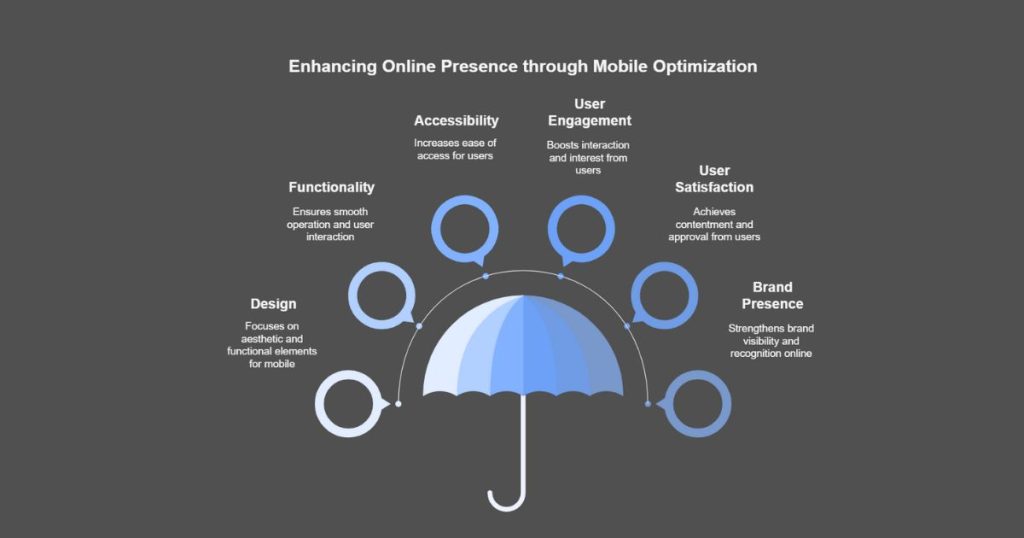
Importance Of Mobile Websites
Creating mobile websites is crucial for reaching users on their smartphones. Mobile-friendly sites enhance user experience and boost search engine rankings. Ensure your website loads quickly and is easy to navigate on smaller screens.
Mobile websites have become essential in our digital age. With the majority of internet users accessing content through their phones, having a mobile-friendly website is no longer optional. It’s a necessity for reaching a broader audience and staying competitive.
User Behavior Trends
People are glued to their smartphones. Think about your own habits. You probably check your phone multiple times a day for news, shopping, or social media. Statistics show that more than 50% of global web traffic comes from mobile devices.
Is your website ready to meet this demand? If not, you could be missing out on significant traffic and potential customers.
Benefits For Businesses
A mobile website can dramatically boost your business. Firstly, it improves user experience. A site that loads quickly and looks good on mobile keeps visitors engaged longer. They are more likely to stay, browse, and make purchases.
Secondly, search engines like Google prioritize mobile-friendly websites. This means better SEO rankings. Higher rankings lead to more visibility, which can translate to more business opportunities.
Additionally, mobile websites can increase local traffic. Many people search for local services on their phones. If your business shows up with a user-friendly site, you’re more likely to attract local customers.
In a nutshell, investing in a mobile website is investing in your business’s future. Don’t fall behind. Make the change and watch your business thrive.
Design Principles
Crafting a mobile website involves simplicity and ease of use. Focus on responsive design, intuitive navigation, and fast loading times.
Creating a mobile website involves a lot more than just shrinking your desktop site. It requires a thoughtful approach to design principles to ensure that users have a seamless and enjoyable experience. Let’s dive into some key aspects: Responsive Design and Intuitive Navigation.
Responsive Design
Responsive design is crucial. It ensures that your website looks great on any device, whether it’s a smartphone, tablet, or desktop.
Imagine visiting a site on your phone and having to constantly zoom in and out to read the text. Frustrating, right? A responsive design automatically adjusts the layout, images, and text to fit any screen size.
Use flexible grids and media queries to create a fluid layout. This way, your site adapts to the screen without compromising on the user experience.
Intuitive Navigation
Navigation should be simple and straightforward. Users should find what they need without getting lost in a maze of links.
Think about your own experience. If you’ve ever left a site because you couldn’t find the information you needed, you understand the importance of intuitive navigation.
Use clear labels for menu items. A hamburger menu (the three horizontal lines) is a popular choice for mobile sites. It keeps your site clean while providing easy access to different sections.
Consider adding a search bar. It helps users quickly find specific content, enhancing their overall experience.
By focusing on these design principles, you not only improve your website’s usability but also keep your visitors engaged and happy. So, ask yourself, is your mobile site designed with the user in mind?
Optimizing For Speed
Optimizing your mobile website for speed is crucial. Users expect fast-loading pages. If your site is slow, they may leave before it even loads. Let’s dive into some practical ways to enhance your mobile site’s speed.
Image Compression
Large images can significantly slow down your website. Compressing images reduces their size without compromising quality. Use tools like TinyPNG or ImageOptim for this task.
Consider the format of your images too. JPEG is great for photos, while PNG works well for graphics with transparent backgrounds. Smaller images will load faster and improve user experience.
Minimize Http Requests
Each element on your web page, like images, scripts, and stylesheets, requires an HTTP request. The more requests, the slower your site. Combining files is a smart approach. Merge CSS and JavaScript files where possible.
Another tip is to use CSS sprites. This technique combines multiple images into one file, reducing the number of requests. Your site will load faster, and users will have a smoother experience.
Have you ever left a site because it took too long to load? Don’t let that happen to your visitors. Speed is crucial. Optimize your mobile website and keep your audience engaged.
Mobile SEO Best Practices
Creating a mobile website? Ensure it’s fast, user-friendly, and optimized for search engines. Focus on responsive design and clear navigation.
Creating a mobile website is essential in today’s digital world. However, just having a mobile-friendly website isn’t enough. You need to optimize it for search engines to ensure it reaches your audience. Let’s dive into some Mobile SEO Best Practices to help you get started.
Keyword Strategy
Keywords are the backbone of SEO. When optimizing your mobile website, focus on short, precise keywords. Mobile users often use shorter queries compared to desktop users.
Use tools like Google Keyword Planner to find relevant keywords. Look for high search volume but low competition keywords. This can give you an edge over your competitors.
Don’t stuff keywords into your content. Make sure they fit naturally. Your content should be easy to read and engaging. Think about what your audience might be searching for on the go.
Local SEO
Local SEO is crucial for mobile websites. Many mobile searches have local intent. If you have a physical location, optimize your website for local search.
Ensure your business name, address, and phone number (NAP) are consistent across your website and local directories. This builds credibility with search engines.
Add your business to Google My Business. It can help you appear in local searches and Google Maps. Encourage your customers to leave reviews. Positive reviews can boost your local rankings.
Remember to use location-based keywords. For instance, if you own a bakery in New York, use keywords like “best bakery in New York” or “New York bakery”. This helps attract local customers searching for your services.
Have you considered how your mobile website performs in local searches? If not, now is the time to start. Your local audience is searching for you on their mobile devices. Make sure they can find you easily.
Optimizing your mobile website for SEO doesn’t have to be complicated. Focus on keyword strategy and local SEO to improve your visibility. Engage your audience with relevant, easy-to-read content. Your mobile website can be a powerful tool in reaching your target audience.
Content Strategy
Creating a mobile website involves designing for small screens. It ensures easy navigation and fast loading times. A good mobile site improves user experience and boosts engagement.
Creating a mobile website is essential in today’s digital world. People are increasingly using their smartphones to browse and shop online. Therefore, your content strategy must be tailored to mobile users. Let’s dive into two vital elements: concise text and engaging media.
Concise Text
Your mobile users are often on the go. They don’t have the time or patience to read long paragraphs. Keep your sentences short and to the point.
For example, instead of saying, “Our company has been in the industry for over a decade, providing top-notch services,” you can say, “We have 10+ years of experience in top-notch services.” This saves time and space.
Use bullet points to list features or benefits. It makes your content easy to skim. Remember, white space is your friend. Break up text to avoid overwhelming your readers.
Engaging Media
Images and videos can capture attention quickly. A picture is worth a thousand words, but make sure your images are optimized for mobile. Large images can slow down your site.
Embed videos that explain your product or service. A short, engaging video can convey information faster than text. Users are more likely to watch a 30-second video than read a lengthy article.
Use infographics to present data visually. This can make complex information easier to understand. Remember, keep it simple and relevant.
Are you using enough engaging media to keep your users interested? Think about how you can make your content not just informative, but also visually appealing.
By focusing on concise text and engaging media, you can create a mobile website that is both user-friendly and effective. How will you implement these strategies in your content?
Testing And Analytics
Testing and analytics play a crucial role in mobile website creation. They help you understand how users interact with your site. This information helps you make informed decisions to improve user experience. Let’s delve into the importance of A/B testing and performance metrics.
A/b Testing
A/B testing is a method to compare two versions of a webpage. You show one version to one group and another version to another group. The goal is to see which version performs better. This helps you make data-driven decisions. For example, you can test different button colors. Or you can test various headlines. The results show which changes improve user engagement.
Performance Metrics
Performance metrics are vital for understanding your mobile website’s effectiveness. Key metrics include page load time, bounce rate, and user session length. Page load time affects user experience. A slow site can drive users away. Bounce rate shows the percentage of visitors who leave after viewing one page. A high bounce rate indicates potential issues. User session length measures how long visitors stay on your site. Longer sessions usually mean higher engagement. Tracking these metrics can help you identify areas for improvement. Use tools like Google Analytics to monitor these metrics.
Security Measures
Creating a mobile website involves more than just design and functionality. Security measures are crucial for protecting your users and your site. Proper security ensures trust and compliance with regulations. Let’s dive into essential security measures for your mobile website.
SSl Certificates
SSL certificates encrypt data between your server and the user’s browser. This encryption keeps sensitive information safe from hackers. An SSL certificate also boosts your website’s credibility. Users see the padlock icon and feel secure. Search engines rank SSL-secured sites higher. So, it’s a win-win situation.
User Data Protection
User data protection is vital for any website. Collect only necessary information from users. Store data securely to prevent breaches. Use strong passwords and update them regularly. Implement two-factor authentication for added security. Inform users how their data will be used. Transparency builds trust and loyalty.
Future Trends
Mobile website creation is evolving rapidly. Future trends highlight the importance of staying updated. These trends will shape how users interact with mobile websites. Let’s explore some key trends to keep an eye on.
Voice Search
Voice search is growing in popularity. More people use voice assistants like Siri and Google Assistant. This shift means mobile websites need to be optimized for voice queries. Questions are often longer and more conversational. Ensure your content answers common questions directly. This improves the chance of your site appearing in voice search results.
AI Integration
Artificial Intelligence (AI) is transforming mobile websites. AI can analyze user behavior and offer personalized content. Chatbots are an example of AI integration. They can assist users in real-time, answering queries and guiding them. AI also helps in predicting user needs and tailoring the experience. Integrating AI can enhance user satisfaction and retention.
Frequently Asked Questions
Can I Create A Website On Mobile?
Yes, you can create a website on mobile. Many website builders offer mobile-friendly platforms and apps. Use tools like Wix, Weebly, or WordPress for easy mobile website creation.
How Much Does It Cost For Someone To Build A Website For Me?
The cost to build a website varies. Basic websites can cost $500-$5,000. Complex websites may range from $10,000-$50,000.
Is Google Create Website Free?
Yes, Google Sites is free. Users can create and host websites without any cost. Premium features may have charges.
How Do I Get The Mobile Version Of A Website?
To get the mobile version of a website, use a mobile device or resize your desktop browser. Some sites also have a mobile app.
Conclusion
Building a mobile-friendly website is essential today. It helps reach a wider audience. A responsive design ensures a smooth user experience. Remember to optimize images and content for faster loading. Test your site on different devices regularly. Keep navigation simple and intuitive.
Prioritize mobile SEO to improve search rankings. With these steps, you’ll create a user-friendly mobile website. Stay updated with latest trends to keep your site relevant. Happy website building!