
Investing can be a powerful way to grow your wealth. The investments business is a vast field with many opportunities.
Are you curious about the world of investments? This blog will guide you through the essentials of starting an investments business. From stocks to real estate, there are many paths to explore. Understanding the basics can help you make informed decisions.
Whether you are a beginner or looking to expand your knowledge, this guide is for you. We’ll cover key concepts, strategies, and tips to get you started. Join us as we delve into the exciting world of investments and discover how you can make your money work for you.
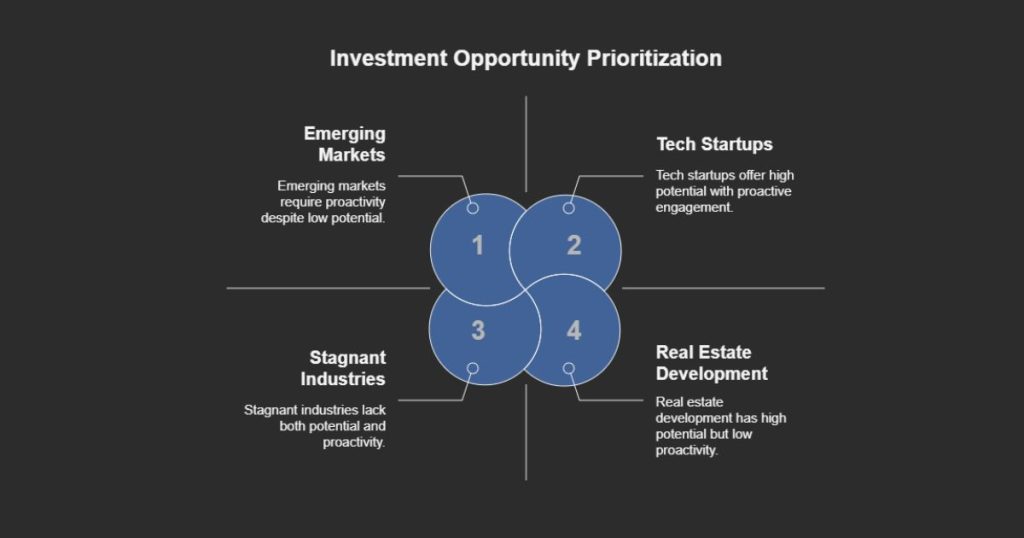
Introduction To Investments Business
Investing is a way to grow your money. It’s a smart choice for anyone wanting financial security. Investing allows your money to work for you. It opens doors to new opportunities. It also helps build wealth over time.
Importance Of Investments
Investments are crucial for financial growth. They provide a source of passive income. This means your money earns money. Investments also offer a safety net for the future. They help you prepare for unexpected expenses. Through investments, you can achieve your financial goals. This includes buying a house, funding education, or retiring comfortably. Investing also helps in beating inflation. It ensures that your money retains its value over time.
Current Market Trends
The investment market is always changing. Knowing the current trends is important. Today, technology stocks are popular. Companies in health and renewable energy are also on the rise. Cryptocurrencies have gained attention too. They offer high returns but come with risks. Real estate remains a stable choice for many. Understanding these trends can help you make informed decisions. Staying updated can maximize your returns.
Types Of Investment Opportunities
Investing is a way to grow wealth over time. There are various types of investment opportunities available. Each type offers different benefits and risks. Understanding these options can help you make informed decisions.
Stocks And Bonds
Stocks are shares in a company. When you buy a stock, you own a part of that company. Stocks can increase in value. They can also provide dividends. Dividends are payments made to shareholders from company profits. Stocks can be volatile. Their value can go up and down quickly.
Bonds are loans you give to a company or government. In return, they promise to pay back with interest. Bonds are generally safer than stocks. They provide regular income through interest payments. The value of bonds can change. Interest rates affect bond prices.
Real Estate Investments
Real estate investments involve buying property. This can be residential or commercial. You can earn money through renting out the property. Property values can increase over time. This can provide profit when you sell.
Real estate can be a stable investment. It can provide steady income. It requires management and maintenance. Real estate markets can fluctuate. They are affected by economic conditions.
Building A Diversified Portfolio
Building a diversified portfolio is essential for any investment business. It helps mitigate risks and maximize potential returns. By spreading investments across various asset types, investors can balance risk and reward effectively.
Balancing Risk And Reward
Risk and reward go hand in hand in investments. Balancing them is crucial. A diversified portfolio spreads risk across different assets. This means that if one investment performs poorly, others might perform well. This reduces the impact of any single loss.
Investors should assess their risk tolerance. This depends on factors like age, financial goals, and market knowledge. High-risk investments can offer high returns. Low-risk investments provide stability. Balancing these helps achieve a steady growth.
Asset Allocation Strategies
Asset allocation is the process of dividing investments among different categories. Common categories include stocks, bonds, real estate, and cash. Each category has its own risk and reward profile.
Stocks can provide high returns but come with high risk. Bonds are safer but offer lower returns. Real estate can be stable and provide income through rentals. Cash is the safest but offers minimal growth.
Investors should decide how much to invest in each category. This depends on their risk tolerance and financial goals. For example, younger investors might prefer more stocks. Older investors might lean towards bonds and cash for stability.
Regularly review and adjust asset allocation. Market conditions change. Personal financial situations evolve. Adjusting allocation ensures the portfolio remains aligned with goals.
Analyzing Market Conditions
Assessing market conditions is crucial in the investment business. It helps investors identify trends, risks, and opportunities. Accurate analysis leads to informed decisions and better outcomes.
Analyzing market conditions is crucial for any investments business. Understanding the various factors that influence the market can help you make informed decisions. Let’s dive into some key aspects to consider when analyzing market conditions.
Economic Indicators
Economic indicators are essential tools. They help predict market trends. You should pay attention to indicators like GDP growth, unemployment rates, and inflation.
For instance, a rising GDP often signals a healthy economy. This can mean more opportunities for investment. Conversely, high unemployment rates can indicate economic troubles ahead.
Keep track of these indicators regularly. They can provide valuable insights into the market’s direction. This can help you adjust your investment strategy accordingly.
Industry Analysis
Industry analysis involves looking at specific sectors. It’s not just about the overall market. Different industries can perform differently under the same economic conditions.
Examine the industry you are interested in. Look at growth rates, competition, and regulatory changes. These factors can significantly affect your investment.
For example, the tech industry may thrive during economic downturns. This is because companies invest in technology to improve efficiency. On the other hand, industries like tourism might suffer.
Stay informed about industry trends. This will help you spot potential opportunities and risks. It can be the difference between a successful investment and a costly mistake.
In conclusion, understanding market conditions is not a one-time activity. It requires continuous learning and adaptation. By focusing on economic indicators and industry analysis, you can make more informed investment decisions.
Risk Management In Investments
Managing risks is a crucial part of investing. It can be the difference between a successful portfolio and one that fails. Understanding how to identify and mitigate risks is essential for any investor.
Identifying Risks
Identifying risks is the first step in risk management. You need to know what could go wrong before you can plan for it. Common risks include market volatility, economic downturns, and company-specific issues.
Market volatility can be unpredictable. You might remember the 2008 financial crisis, which affected many investors. Economic downturns, like recessions, can also impact your investments negatively.
Company-specific issues are another concern. Think about the scandals that have brought down once-thriving businesses. It’s essential to research the companies you invest in thoroughly.
Mitigation Strategies
Once you identify risks, you need to mitigate them. Diversification is a primary strategy. By spreading your investments across various sectors, you reduce the impact of any one investment’s poor performance.
Another strategy is setting stop-loss orders. This means you set a predetermined sell price for your stocks. It helps you limit losses by selling off investments before they drop too much.
Investing in stable assets like bonds or real estate can also provide a cushion. These investments are generally less volatile. They can help balance the riskier parts of your portfolio.
Do you have an emergency fund? It’s wise to have one to cover unexpected expenses. This way, you won’t need to dip into your investments during tough times.
Risk management in investments is about being proactive and prepared. By identifying and mitigating risks, you safeguard your financial future. What steps will you take to manage risks in your investments today?
Technological Impacts On Investments
Investment strategies evolve rapidly with technological advancements. Digital platforms and AI tools transform market analysis and decision-making processes. Investors now access real-time data effortlessly, enhancing efficiency.
Investments have evolved significantly with the rapid advancements in technology. It’s fascinating to see how digital innovations have transformed traditional investment methods, making them more accessible and efficient. If you are keen on understanding how technology is reshaping the investment landscape, keep reading.
Role Of Fintech
Fintech, short for financial technology, has revolutionized the way we manage money. It has introduced tools that streamline everything from budgeting to investing.
Apps like Robinhood and Acorns have democratized investing. They allow you to start with just a few dollars, making it easy for anyone to enter the market.
Fintech also offers advanced analytics. These tools help you make informed decisions based on real-time data.
Have you tried using a robo-advisor? These AI-driven platforms provide personalized advice, often at a lower cost than traditional advisors.
Emerging Investment Platforms
New investment platforms are emerging every day, offering unique opportunities. These platforms are designed to cater to various investment preferences and risk tolerances.
Crowdfunding sites like Kickstarter and Indiegogo allow you to invest in startups and creative projects. It’s a great way to support innovative ideas while potentially earning a return.
Real estate investment has also gone digital. Platforms like Fundrise enable you to invest in property with minimal capital. This opens up a market that was once limited to wealthy individuals.
Cryptocurrency exchanges are another exciting development. If you’re interested in digital currencies like Bitcoin or Ethereum, these platforms make it easy to buy and trade.
How do you feel about these technological advancements in investments? Are you ready to explore these new avenues, or do you prefer sticking with traditional methods?
Technology has undeniably made investing more accessible and diversified. It’s an exciting time to be an investor, with countless opportunities at your fingertips.
Sustainable And Ethical Investing
Investing in a sustainable and ethical way is more important than ever. Investors seek opportunities that not only promise returns but also align with their values. This shift has given rise to sustainable and ethical investing. It’s a way to support businesses that care about people and the planet.
ESG Criteria
ESG stands for Environmental, Social, and Governance. These criteria help investors judge a company’s impact. Environmental factors consider a company’s green practices. Social criteria look at how a company treats its employees and customers. Governance deals with a company’s leadership and ethics. Companies with high ESG scores often perform better in the long run. They attract more investors who care about sustainability.
Impact Investing
Impact investing aims to generate positive social or environmental effects. It goes beyond just financial returns. Investors fund projects that make a difference. These can include renewable energy, affordable housing, or clean water initiatives. Impact investing offers a way to do good while earning money. It meets the growing demand for investments that benefit society. This form of investing continues to gain popularity worldwide.
Future Trends In Investments Business
The investment business is evolving rapidly. Future trends promise exciting changes. These changes will reshape how we invest and grow wealth. Investors must stay ahead of these trends. They can then make informed decisions and seize new opportunities.
Ai And Automation
AI and automation are transforming investments. They offer faster and more accurate analysis. This technology can process vast amounts of data. It can identify patterns and predict market trends. This helps investors make better decisions. AI tools can also manage portfolios more efficiently. They can reduce human errors and biases. Automated trading systems are becoming popular. They execute trades at optimal times. This maximizes profits and minimizes risks.
Global Investment Opportunities
Global investment opportunities are expanding. Emerging markets offer high growth potential. Countries like India and Brazil are attracting investors. They have growing economies and young populations. Investors can diversify portfolios by exploring these markets. Developed countries also present opportunities. They have stable economies and mature markets. Technology and globalization make it easier to invest worldwide. Investors can access information and make transactions easily. This opens up a world of possibilities.
Conclusion And Key Takeaways
Investing in a business involves careful planning and strategy. Understanding the key aspects can lead to significant gains. In this section, we summarize the main points and provide actionable steps for investors.
Summary Of Key Points
Investments require thorough research. Analyze market trends and potential risks. Diversify your portfolio to reduce risk. Stay informed about the industry and economic changes. Consistent monitoring of investments is crucial.
Actionable Steps For Investors
Start by setting clear investment goals. Determine your risk tolerance. Conduct detailed research before making any decisions. Diversify your investments across different sectors. Regularly review and adjust your portfolio. Stay updated with market news.
Consider consulting a financial advisor. They can provide expert guidance. Stay disciplined and patient. Avoid making impulsive decisions. Focus on long-term gains rather than short-term profits.
Frequently Asked Questions
What Are Business Investments?
Business investments involve allocating funds to assets or projects to generate profit or growth. They include stocks, bonds, real estate, and startups.
What Are The 4 Types Of Investments?
The four types of investments are stocks, bonds, real estate, and mutual funds. Stocks offer ownership in companies. Bonds are loans to entities. Real estate involves property investments. Mutual funds pool money to invest in various assets.
How Much Is $1000 A Month For 5 Years?
$1000 a month for 5 years totals $60,000. This is calculated by multiplying $1000 by 60 months.
Is $5000 Enough To Start Investing?
Yes, $5000 is enough to start investing. Diversify your investments to minimize risks and maximize returns. Consider stocks, ETFs, or mutual funds.
Conclusion
Investing in business can be challenging yet rewarding. Careful planning is crucial. Diversify your investments to minimize risks. Research and stay updated on market trends. Build relationships with trusted advisors. Consistent effort brings long-term success. Small steps lead to significant growth.
Always stay focused on your goals. Adapt to changes for continuous improvement. Your investment journey starts with knowledge. Make informed decisions and stay committed. Success is within reach. Happy investing!