
Augmented Reality (AR) is changing the way we learn. It blends real-world experiences with digital information.
This technology is making education more interactive and engaging. Imagine history lessons where ancient civilizations come to life or biology classes with 3D models of the human body. AR is not just fun; it helps students understand complex concepts better.
With AR, lessons become more dynamic and memorable. Teachers can create immersive experiences that capture students’ attention. This makes learning not only easier but also more enjoyable. As AR technology becomes more accessible, its impact on education will continue to grow. This blog will explore the many ways AR is transforming classrooms and enhancing the learning experience.
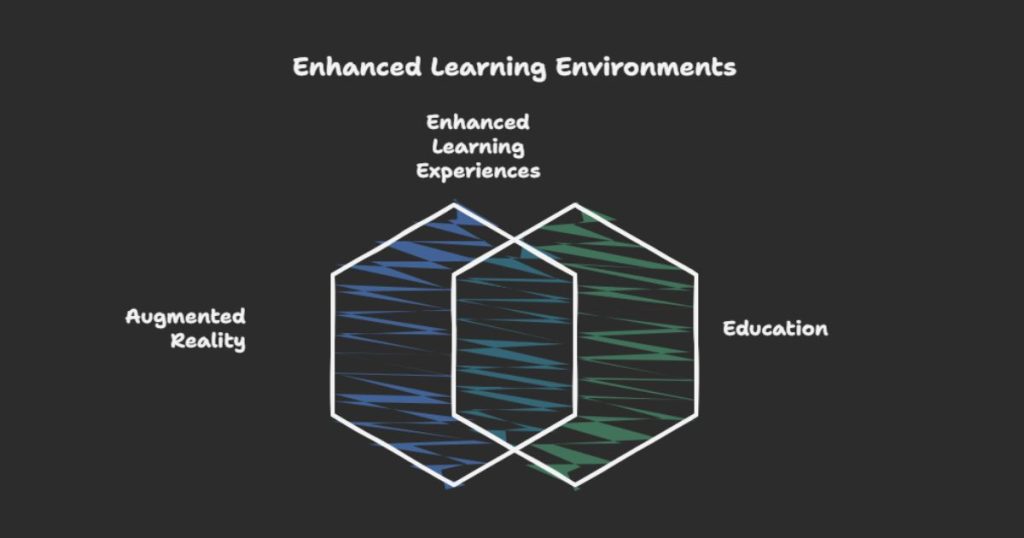
Introduction To Augmented Reality
Augmented Reality (AR) in education is transforming the way students learn and interact with information. Imagine being able to see a 3D model of the human heart right in front of you during a biology lesson. Not only does this make learning more engaging, but it also helps in understanding complex concepts with ease.
Definition And Basics
AR is a technology that overlays digital information onto the real world. You use devices like smartphones, tablets, or AR glasses to see and interact with these digital elements. Unlike Virtual Reality, which immerses you in a completely digital world, AR enhances your real-world experience.
Think of AR as adding layers to your reality. These layers can be anything from text and images to 3D models and interactive features. This makes learning more interactive and fun. Imagine studying geometry and being able to manipulate shapes in 3D right in your classroom!
Brief History
The concept of AR has been around for a while, but it gained traction in the 1990s. Early AR applications were mostly in the military and aviation sectors. However, the technology has evolved significantly and is now accessible to the general public.
In recent years, AR has found its way into education. Schools and universities are increasingly using AR tools to enrich their curriculum. For example, AR apps now allow students to explore historical sites virtually or conduct science experiments safely.
How amazing would it be to learn about ancient civilizations and actually see their artifacts in your classroom? AR makes this possible, bridging the gap between textbook knowledge and real-world experience.
What do you think? Could AR be the future of education? Imagine the possibilities and how it could change your learning experience.
Benefits For Students
Augmented Reality (AR) is transforming education. It offers many benefits for students. AR can make learning more engaging and interactive. This new technology helps students understand complex topics better. Let’s explore the benefits of AR in education.
Enhanced Engagement
AR makes lessons more interesting. Students can see and interact with 3D models. This visual aid keeps their attention. They feel more involved in their studies. Engaged students are more likely to remember what they learn.
Using AR, students can explore historical sites or dive into the human body. These experiences are more memorable than reading a textbook. Engaging lessons can spark curiosity. Curious students are more likely to explore topics further.
Interactive Learning
AR allows hands-on learning. Students can manipulate objects and see immediate results. This makes learning more dynamic. Interactive lessons help students understand abstract concepts. They can see how things work in real-time.
In science, students can conduct virtual experiments. In geography, they can explore different terrains. This makes learning fun and effective. Interactive learning helps students develop problem-solving skills. They learn by doing, not just watching.
Impact On Teaching Methods
The integration of Augmented Reality (AR) in education is changing teaching methods. It brings new ways to engage students and make learning fun. Teachers can now create lessons that were once impossible.
Innovative Lesson Plans
Augmented Reality allows teachers to design unique lesson plans. Students can explore 3D models of historical landmarks. They can interact with virtual science experiments. AR makes abstract concepts more concrete. This hands-on approach enhances understanding. It keeps students interested and eager to learn.
Real-time Feedback
AR offers real-time feedback to students. It helps them correct mistakes immediately. For example, in a math lesson, AR can show errors on the spot. This instant feedback boosts confidence. Students can learn at their own pace. Teachers can monitor progress and adjust teaching methods as needed.
Technological Requirements
Augmented Reality (AR) in education offers immersive learning experiences. To implement AR successfully, specific technological requirements are essential. These include hardware and software components that work together seamlessly. Understanding these requirements ensures that AR technology is used effectively in classrooms.
Necessary Hardware
AR in education needs certain hardware. The most common devices include smartphones and tablets. These devices must have cameras and sensors for AR functionality. High-resolution screens are also important for a clear AR experience.
For a more advanced setup, AR headsets can be used. These headsets offer hands-free interaction and a more immersive experience. Some popular models include Microsoft HoloLens and Magic Leap. Schools may also invest in interactive whiteboards and projectors. These tools help in displaying AR content to larger groups.
Software Solutions
AR software solutions are crucial for creating and viewing AR content. Several AR apps are available for educational purposes. These apps are compatible with smartphones, tablets, and AR headsets. Examples include Google Expeditions and Aurasma.
Some schools use AR development platforms like Unity or Vuforia. These platforms allow educators to create custom AR experiences. Educators can tailor content to match their curriculum. Additionally, AR content management systems help organize and distribute AR lessons. These systems ensure that AR content is easily accessible for both teachers and students.
Challenges And Limitations
Augmented Reality (AR) in education offers many benefits. Yet, it faces several challenges and limitations. These obstacles impact its effectiveness and adoption in classrooms. Let’s explore some of these challenges.
Cost And Accessibility
AR technology can be expensive. Not all schools can afford it. Many schools have tight budgets. They prioritize basic needs over new technology. The cost of AR devices and software adds up. It can be a barrier for many institutions.
Accessibility is another issue. Not all students have access to AR. Some may not have the necessary devices at home. This creates a gap between students. Equal learning opportunities become a challenge. Bridging this gap is crucial for fair education.
Technical Issues
Technical problems are common with AR. The software may crash. Devices may not work properly. These issues disrupt learning. They can frustrate both teachers and students. Reliable technology is essential for smooth lessons.
AR requires high-speed internet. Not all schools have this. Slow internet can hinder the AR experience. It affects the quality of learning. Technical support is also necessary. Many schools lack the resources for this support.
Case Studies
Augmented Reality (AR) has made a significant impact in education. It offers immersive and interactive experiences. Let’s explore some case studies. These show how AR is transforming the learning environment.
Successful Implementations
Several schools have successfully implemented AR in their classrooms. For instance, a primary school in New York uses AR to teach history. Students can see historical events unfold in 3D. This makes learning more engaging and memorable.
Another example is a high school in California. They use AR in science classes. Students can explore the human body in detail. They can see organs and their functions in real-time. This hands-on learning approach helps them understand complex concepts easily.
In the UK, a university has integrated AR into their architecture program. Students can visualize and interact with 3D models of buildings. This enhances their spatial awareness and design skills.
Lessons Learned
These case studies provide valuable insights. Firstly, training teachers is crucial. They need to understand how to use AR effectively. Proper training ensures they can integrate AR seamlessly into their lessons.
Secondly, the content must be relevant and engaging. AR tools should align with the curriculum. This makes the learning experience meaningful for students.
Lastly, technical support is essential. Schools must ensure they have the necessary infrastructure. This includes hardware, software, and a reliable internet connection. These elements are critical for smooth implementation of AR in education.
Future Prospects
As we look ahead, the future prospects of augmented reality (AR) in education are incredibly exciting. The technology promises to transform how you learn, making education more interactive and engaging. Let’s dive into some emerging trends and potential developments that could shape the future of AR in education.
Emerging Trends
One of the most notable trends is the increased use of AR in STEM subjects. Imagine visualizing complex chemical reactions in 3D right in your classroom. This not only makes learning more fun but also easier to understand.
Another trend is the use of AR for remote learning. With more students learning from home, AR can bring virtual classrooms to life. You can explore historical sites, conduct virtual lab experiments, and more—all from the comfort of your home.
Gamification is also gaining popularity. Educators are using AR to create interactive games that make learning a more immersive experience. These games can help you retain information better and make studying less of a chore.
Potential Developments
Looking ahead, AR could personalize learning in ways we’ve never seen before. Imagine a virtual tutor that adapts to your learning pace and style. This could help you grasp difficult concepts more quickly and effectively.
Another exciting possibility is AR-enhanced textbooks. These could include interactive 3D models, videos, and quizzes that help reinforce what you’re learning. This could make studying more engaging and less monotonous.
Furthermore, AR could play a significant role in special education. Tailored AR experiences could help students with learning disabilities grasp concepts that are challenging in a traditional classroom setting. This would create a more inclusive educational environment.
What do you think about these future prospects? How do you see AR changing the way you learn? The possibilities are endless, and the future looks bright for AR in education.
Frequently Asked Questions
How Is Augmented Reality Used In Education?
Augmented reality enhances education by providing interactive 3D models, visualizing complex concepts, and creating immersive learning experiences for students.
What Is An Example Of Augmented Reality In Teaching?
An example of augmented reality in teaching is using AR apps to visualize 3D models of the human body. This helps students understand anatomy better.
What Are The 4 Difficulties In Using Augmented Reality Ar In Education?
The four difficulties in using augmented reality in education are high costs, technical issues, lack of teacher training, and limited content.
What Is An Example Of Augmentation In Education?
An example of augmentation in education is using augmented reality (AR) apps to visualize complex scientific concepts in 3D.
Conclusion
Augmented Reality is transforming education. It makes learning interactive and engaging. Students enjoy visual and hands-on experiences. Lessons become memorable and fun. Teachers find new ways to explain complex topics. Schools see improved student participation. AR bridges the gap between theory and practice.
It offers endless possibilities for innovation. Education evolves with technology. Embracing AR prepares students for the future.