
Navigating the legal landscape of business can be daunting. From contracts to compliance, legal issues are everywhere.
Understanding the need for business legal help is crucial for any entrepreneur or business owner. Legal challenges can arise at any time, and it’s vital to be prepared. Whether you’re starting a new venture or managing an existing company, knowing when and how to seek legal assistance can save you time and money.
This blog post will explore various aspects of business legal help, from understanding the basics to knowing when to call a professional. Stay with us to ensure you’re well-equipped to handle any legal matters that come your way.
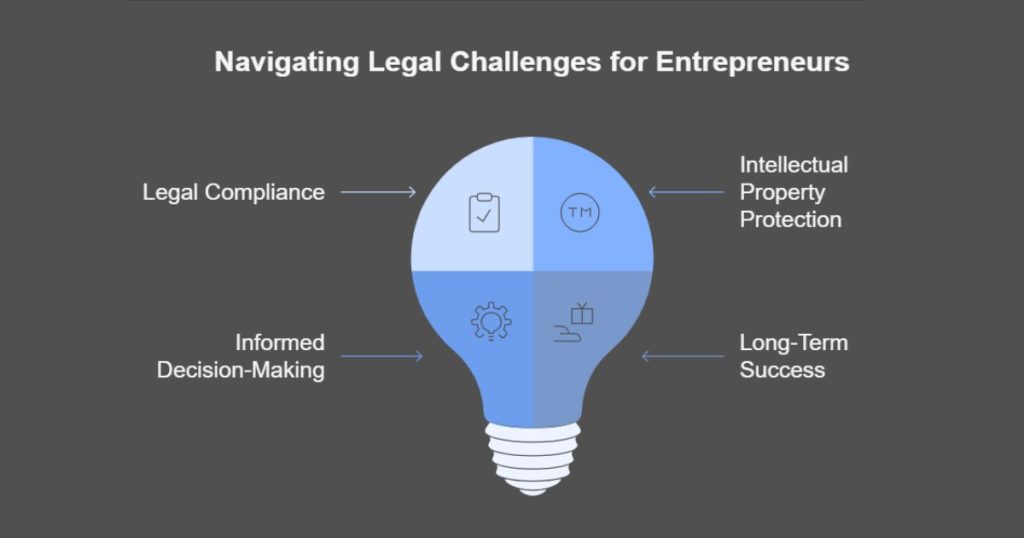
Starting Your Business
Starting a business is an exciting adventure, but it can also be daunting. There are many legal aspects to consider, and it’s crucial to get them right from the beginning. This section will guide you through some essential steps, including choosing a business structure and registering your business.
Choosing A Business Structure
One of the first decisions you’ll need to make is selecting the right business structure. This choice will impact everything from daily operations to taxes and legal responsibilities. Here are some common types:
- Sole Proprietorship: This is the simplest form, where you own and operate the business alone. It’s easy to set up, but you’re personally liable for all debts.
- Partnership: If you’re starting with one or more partners, this might be the way to go. Partnerships can be general or limited, depending on the level of liability and involvement.
- Corporation: A more complex structure, a corporation is a separate legal entity. This means it provides limited liability, but it involves more regulations and higher costs.
- Limited Liability Company (LLC): An LLC offers a mix of partnership and corporation benefits. It provides limited liability while being easier to manage than a corporation.
Each structure has its pros and cons. Take your time to research and possibly consult a legal expert to determine the best fit for your business.
Registering Your Business
Once you’ve chosen a structure, it’s time to register your business. This step ensures that your business is legally recognized and can operate within your state or country. Here are the general steps:
- Choose a Business Name: Your business name should be unique and reflect what your business does. Check for availability in your state’s business registry.
- Register with State Authorities: Depending on your structure, you may need to register with your state government. For example, corporations and LLCs often need to file articles of incorporation or organization.
- Obtain Necessary Permits and Licenses: Some businesses require specific permits or licenses to operate legally. This could include health permits, zoning permits, or professional licenses.
- Get an Employer Identification Number (EIN): An EIN is like a social security number for your business. It’s necessary for tax purposes and is obtained from the IRS (or your country’s tax authority).
Registering your business might seem overwhelming, but it’s a crucial step to ensure your business runs smoothly and legally. Don’t hesitate to seek help from a legal professional if you’re unsure about any part of the process.
Protecting Intellectual Property
Protecting intellectual property is crucial for businesses. It safeguards unique ideas, products, and services. Proper protection prevents others from using your innovations without permission. This section will explore various methods of protecting intellectual property.
Trademarks And Copyrights
Trademarks protect brand names, logos, and slogans. They distinguish your business from others. Registering a trademark provides legal protection. It helps prevent others from using similar marks.
Copyrights protect original works like music, books, and software. They grant the creator exclusive rights to use and distribute their work. Registering a copyright ensures the creator’s rights are legally recognized.
Patents And Trade Secrets
Patents protect new inventions. They grant the inventor exclusive rights to use, make, and sell the invention for a set period. Applying for a patent involves a detailed process. It ensures your invention is protected by law.
Trade secrets protect confidential business information. This includes formulas, practices, and designs. Keeping this information secret gives your business a competitive edge. Legal measures can be taken if someone discloses or uses your trade secrets without permission.
Drafting Contracts
Drafting contracts is a critical aspect of business operations. A well-drafted contract can help prevent disputes and protect your interests. It outlines the roles and responsibilities of each party involved. Let’s explore some key elements to consider when drafting contracts.
Essential Contract Clauses
Every contract should include essential clauses. These clauses set the foundation of the agreement. For instance, the identification of parties involved is crucial. Clearly state who is entering the contract. Define the scope of work or services. This helps avoid misunderstandings.
Payment terms are another vital clause. Specify how and when payments will be made. Include details about late fees or penalties. Confidentiality clauses protect sensitive information. They prevent unauthorized disclosure of business secrets.
Termination clauses are also important. They outline how the contract can be ended. This can include conditions under which either party can terminate the agreement. Having these in place ensures both parties know their exit options.
Avoiding Common Pitfalls
Avoiding common pitfalls in contract drafting is essential. One major pitfall is vague language. Ensure every clause is clear and specific. Ambiguity can lead to disputes. Always use precise language.
Another common mistake is overlooking legal requirements. Ensure the contract complies with relevant laws. This includes local, state, and federal regulations. Non-compliance can render a contract void.
Failing to include dispute resolution clauses is also a pitfall. These clauses outline how disputes will be handled. This can save time and money if disagreements arise. Specify if disputes will be resolved through mediation or arbitration.
Lastly, ensure all parties fully understand the contract. Legal jargon can be confusing. Use simple language where possible. This ensures everyone is on the same page.
Navigating Employment Law
When it comes to running a business, understanding employment law is crucial. Whether you are hiring your first employee or expanding your team, knowing the ins and outs of employment law can save you from potential legal headaches. In this section, we will explore key aspects of navigating employment law with a focus on hiring employees and understanding employee rights and obligations.
Hiring Employees
Hiring employees can be both exciting and daunting. It’s essential to follow legal guidelines to ensure a smooth process. Here are some steps to keep in mind:
- Job Descriptions: Clearly define the roles and responsibilities. This helps attract the right candidates and sets expectations from the start.
- Interview Process: Ensure your interview questions are relevant and non-discriminatory. Avoid asking about age, race, religion, or marital status.
- Background Checks: Conduct thorough background checks but respect privacy laws. Always inform candidates about the checks and get their consent.
- Offer Letters: Draft clear and concise offer letters outlining salary, benefits, and job terms. This helps prevent misunderstandings later on.
Employee Rights And Obligations
Understanding employee rights and obligations is fundamental to creating a fair and compliant workplace. Here are some key points to consider:
- Minimum Wage: Ensure all employees are paid at least the minimum wage as per local laws. This varies by state and industry.
- Working Hours: Adhere to regulations regarding maximum working hours and mandatory breaks. Overworking employees can lead to burnout and legal issues.
- Anti-Discrimination Laws: Foster an inclusive workplace by adhering to anti-discrimination laws. This includes avoiding any biased behavior based on race, gender, age, or disability.
- Health and Safety: Provide a safe working environment. Regularly conduct safety drills and ensure all equipment is in good condition.
Remember, a happy employee is a productive employee. Respecting their rights and clearly communicating their obligations builds a positive work culture.
Need a personal anecdote? Here’s one for you: A few years back, I hired my first employee without knowing much about employment law. I skipped the background check and ended up with a problematic situation that could have been avoided. Lesson learned! Since then, I’ve been meticulous about following the legal steps, and it has made a world of difference.
In conclusion, navigating employment law might seem overwhelming, but taking the time to understand it will pay off in the long run. It protects your business and ensures a fair and safe workplace for all.
Complying With Regulations
Running a business is a thrilling endeavor, but let’s face it, navigating the maze of regulations can be daunting. However, complying with regulations is crucial to keep your business on the right track. Whether you are just starting out or have been in the game for a while, understanding the rules and staying compliant can save you from hefty fines and legal troubles.
Industry-specific Rules
Every industry has its own set of rules and regulations. These rules are designed to ensure safety, fairness, and transparency. For example, if you run a food business, you need to follow health and safety regulations. If you are in the financial sector, there are strict guidelines on data protection and customer privacy.
It’s important to do your homework and understand the specific regulations that apply to your industry. Ignorance is not an excuse in the eyes of the law. You might want to consider hiring a legal expert who specializes in your industry to help you navigate these waters. This way, you can focus on growing your business while ensuring that you stay compliant.
General Compliance Tips
While industry-specific rules are critical, there are general compliance tips that every business should follow. Here are some practical steps to keep your business compliant:
- Stay Informed: Laws and regulations change frequently. Make it a habit to stay updated on any changes that might affect your business.
- Keep Records: Maintain accurate and detailed records of all your business transactions. This can be crucial if you ever face an audit or legal challenge.
- Train Your Staff: Ensure that your employees are aware of the regulations that affect their roles. Regular training can help prevent unintentional breaches.
- Consult Professionals: Don’t hesitate to seek advice from legal and financial experts. Their insights can be invaluable in ensuring your compliance.
Compliance might seem like a chore, but it’s essential for the longevity and success of your business. By staying informed and proactive, you can avoid unnecessary legal hassles and focus on what you do best – running your business.
Handling Disputes
Handling disputes is a critical aspect of managing a business. Disagreements can arise from various sources, such as contracts, employees, or partners. Knowing how to handle these disputes effectively can save time and resources. Let’s explore some common methods for resolving business disputes.
Mediation And Arbitration
Mediation involves a neutral third party helping both sides reach an agreement. It is less formal and allows for open communication. Mediation can be a quick and cost-effective way to resolve issues.
Arbitration is more formal than mediation but less so than court. An arbitrator listens to both sides and makes a decision. The decision is usually binding. Arbitration can be faster and less expensive than litigation.
Litigation Strategies
Litigation involves taking the dispute to court. It is the most formal method and can be time-consuming. Having a clear strategy is essential. You need to gather all relevant documents and evidence. Legal representation is crucial. A lawyer can guide you through the process.
Understanding your rights and obligations can lead to a better outcome. Always consider the costs and benefits before deciding to litigate. Sometimes, settling out of court can be the best option. Weigh all possibilities carefully.
Managing Finances
Managing finances is crucial for any business. Proper financial management ensures stability and growth. It’s not just about tracking income and expenses. It involves dealing with taxes, securing funding, and making wise investments.
Taxation Issues
Taxes can be complex and overwhelming. Understanding tax obligations helps avoid legal trouble. Every business must file taxes annually. Missing deadlines can lead to penalties. Seek advice from a tax professional. They can help you navigate the tax landscape. Stay updated with tax law changes.
Funding And Investments
Securing funding is vital for business growth. There are various funding options available. Loans, grants, and investors are common sources. Prepare a solid business plan. It helps attract potential investors. Clear financial projections build confidence in your business.
Investments should be strategic. Analyze risks and returns before investing. Diversify your investments to spread risk. Consult with a financial advisor. They provide valuable insights and recommendations. Smart investments lead to long-term success.
Planning For The Future
Planning for the future is a crucial step for every business owner. It means setting your business on a path of continued success, even when you’re not at the helm. Whether it’s ensuring a smooth transition of leadership or having a clear plan for exiting the business, proper legal guidance can make all the difference. Let’s delve into the key aspects of future planning for your business.
Succession Planning
Succession planning is all about preparing for tomorrow. Imagine if you had to step down suddenly – who would take over? Without a plan, the future of your business could be uncertain. Here’s where a solid succession plan comes in.
- Identify Potential Leaders: Spot employees who have the skills and potential to lead.
- Training and Development: Invest in their growth through training programs.
- Legal Documents: Ensure you have the right legal documents in place, like a will or a trust.
Think of this as grooming the next generation. It’s like planting a tree today so it can give shade tomorrow.
Exit Strategies
Exit strategies are your game plan for leaving the business. Maybe you want to retire, or perhaps you’re looking to move on to new ventures. Whatever your reason, having an exit strategy is vital.
- Sell the Business: This could mean selling to a competitor or a new owner.
- Family Succession: Passing the business down to a family member.
- Management Buyout: Letting your management team take over ownership.
Think of exit strategies as your business’s safety net. They ensure that your hard work doesn’t go to waste and provide a clear path forward.
Planning for the future might seem daunting, but with the right legal help, it becomes manageable. After all, it’s about securing the legacy of what you’ve built. So, take a deep breath, and start planning today. Your future self will thank you!
Frequently Asked Questions
What Is Business Legal Help?
Business legal help refers to professional legal services provided to businesses. It includes advice on compliance, contracts, disputes, and more.
Why Is Business Legal Help Important?
Business legal help ensures your business complies with laws. It helps avoid legal issues, protects your interests, and supports growth.
When Should A Business Seek Legal Help?
A business should seek legal help when starting, signing contracts, facing disputes, or navigating complex regulations.
How Can Legal Help Protect My Business?
Legal help can protect your business by ensuring contracts are fair, resolving disputes, and maintaining compliance with laws.
Conclusion
Getting business legal help can save you time and stress. It ensures your business complies with the law. This brings peace of mind. Legal experts guide you through complex issues. They help prevent costly mistakes. Protect your business with the right legal support.
Your business will thrive with professional assistance. Stay ahead by being legally sound.