
Privacy is a critical business issue. It impacts trust, reputation, and legal compliance.
Privacy in business goes beyond protecting data. It’s about building trust with customers, partners, and employees. Companies must manage and safeguard personal information. This is crucial in today’s digital age. Breaches can lead to financial loss and damaged reputation. Additionally, legal penalties can be severe.
Understanding privacy helps in creating robust policies. These policies ensure data is handled correctly. This introduction will explore why privacy matters in business. We will discuss the importance of privacy and how it affects various aspects of a company. Stay tuned to learn how to protect your business and maintain trust.
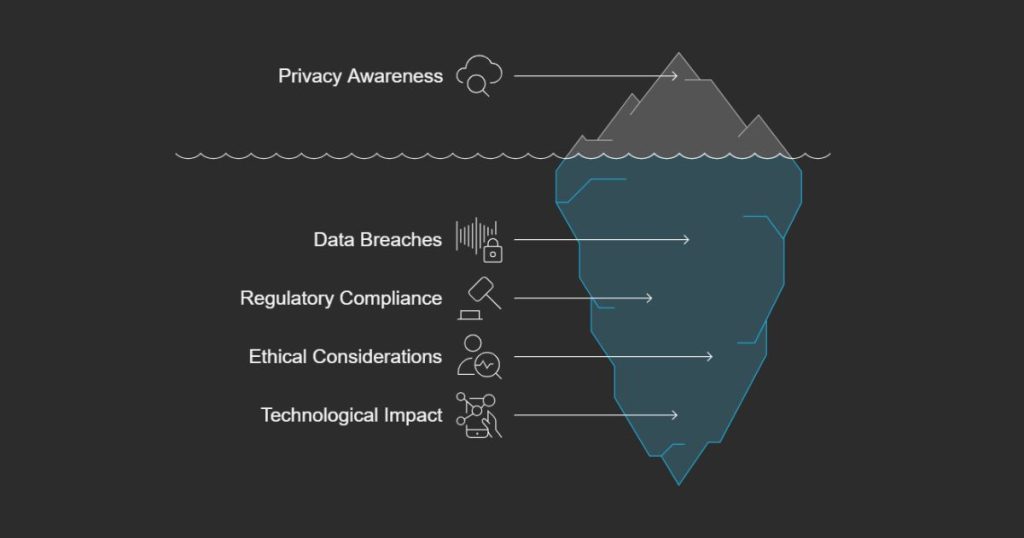
Importance Of Privacy
Privacy is crucial for businesses. It affects customer trust, regulatory compliance, and overall reputation. As technology advances, protecting data becomes more important. Businesses must understand why privacy matters and how it impacts their operations.
Customer Trust
Customer trust is vital for any business. When customers share their data, they expect it to be safe. If a business fails to protect this data, trust is lost. Trust is hard to regain once lost. Secure data handling builds confidence and loyalty. Customers feel safe sharing information. This leads to long-term relationships. Trust can differentiate your business from competitors.
Regulatory Compliance
Regulatory compliance is essential. Governments have strict privacy laws. Businesses must follow these regulations. Failure to comply can lead to fines and penalties. Compliance protects your business from legal issues. It also shows your commitment to privacy. Customers appreciate businesses that respect laws. Meeting regulatory standards boosts your credibility. It ensures smooth operations without legal hurdles.
Financial Implications
Privacy in business is not just about keeping secrets. It has real financial impacts that can make or break your company. Ignoring privacy issues can cost a lot of money. Let’s explore these financial implications, starting with the cost of data breaches and fines and penalties.
Cost Of Data Breaches
When a data breach happens, it’s not just about the loss of information. It costs money. A lot of money. Think of it like this: if a thief breaks into your store, you lose products, and you also have to fix the broken windows. According to a report by IBM, the average cost of a data breach in 2021 was $4.24 million. That’s a huge hit to any business’s bottom line.
Here’s what contributes to this cost:
- Immediate Response Costs: Hiring experts to stop the breach and fix the damage.
- Notification Costs: Informing customers, regulators, and the public.
- Legal Fees: Dealing with lawsuits and legal claims.
- Lost Business: Customers losing trust and taking their business elsewhere.
- Operational Costs: The cost of downtime and lost productivity.
These costs add up quickly, and often, small businesses can’t recover from such a financial blow.
Fines And Penalties
Governments around the world are getting strict about data privacy. If your business fails to protect data, you might face hefty fines and penalties. For instance, the General Data Protection Regulation (GDPR) in Europe can fine companies up to 4% of their annual global turnover or €20 million, whichever is higher. That’s a huge penalty!
Here are some examples:
- GDPR: Up to €20 million or 4% of annual global turnover.
- CCPA (California Consumer Privacy Act): Up to $7,500 per intentional violation.
- HIPAA (Health Insurance Portability and Accountability Act): Up to $1.5 million per year for violations.
These fines are not just for show. Many companies, big and small, have been hit with these penalties. And it’s not just the money. The reputation damage can be even worse.
So, next time someone says privacy is just a tech issue, remind them of these financial implications. It’s about protecting your business and your bottom line.
Competitive Advantage
In today’s business world, privacy is not just a regulatory or ethical issue; it’s also a key competitive advantage. Companies that prioritize privacy can differentiate themselves from the competition, build strong brand loyalty, and ultimately drive business success. Let’s dive into how privacy can set your business apart under the subheading: Competitive Advantage.
Differentiating Factor
Privacy can be a powerful differentiating factor in a crowded market. When customers know that their data is secure with you, they are more likely to choose your products or services over competitors. Imagine you’re shopping online and you find two similar products, but one company has a solid privacy policy while the other does not. Which one would you trust?
Here are some key points to consider:
- Transparency: Clear communication about how customer data is collected, used, and protected.
- Control: Giving customers control over their own data and the option to opt out of data collection.
- Security: Implementing robust security measures to protect data from breaches.
By emphasizing these aspects, your business can stand out as a trusted and reliable choice, making privacy a unique selling point.
Building Brand Loyalty
Privacy is not just about protecting data; it’s about building trust and loyalty. Customers want to feel safe and valued. When a business shows that it respects and protects their privacy, it builds a deeper connection with them. This trust translates into loyalty, repeat business, and positive word-of-mouth.
Consider the following steps to build brand loyalty through privacy:
- Communicate Clearly: Use simple language to explain your privacy policies. Avoid legal jargon.
- Be Honest: If a data breach occurs, be transparent about it and take immediate action to mitigate the damage.
- Show Empathy: Understand and address customer concerns regarding their privacy.
These steps show that you value your customers, which can turn them into loyal advocates for your brand. After all, who doesn’t appreciate a company that genuinely cares about their well-being?
In conclusion, treating privacy as a business issue gives you a competitive edge. It differentiates you from the competition and fosters brand loyalty. Remember, in the digital age, trust is currency. Invest in privacy, and watch your business thrive.
Operational Efficiency
Operational efficiency is a key concern for any business aiming to stay competitive in today’s fast-paced environment. When discussing privacy as a business issue, it is crucial to consider how maintaining privacy can directly impact your company’s operational efficiency. Proper handling of privacy not only ensures compliance with regulations but can also streamline processes and lead to significant cost savings. Let’s dive into how privacy ties into operational efficiency through streamlined processes and cost savings.
Streamlined Processes
Imagine a well-oiled machine, where every cog and wheel works in perfect harmony. That’s what streamlined processes can do for your business. When privacy measures are integrated into your operations, it can simplify workflows and reduce the need for redundant checks and manual interventions. For instance, implementing automated data handling systems can ensure that sensitive information is securely managed without constant human oversight.
Consider this scenario: A customer service team that handles data manually might spend hours verifying and securing information. By automating these tasks, not only is the data protected, but the team can also focus on more critical tasks like improving customer relations. It’s like having a superpower for your operations!
Cost Savings
Now, let’s talk money. Yes, maintaining privacy can save your business a significant amount of cash. How, you ask? Well, think about the potential costs of data breaches – fines, legal fees, and loss of customer trust. Preventing these issues through robust privacy measures can save you from these hefty expenses. Additionally, streamlined processes reduce the need for excessive manual labor, cutting down on operational costs.
For example, a company that invests in a secure data management system might initially spend more on technology. However, in the long run, this investment pays off by reducing costs associated with data breaches and manual data handling. It’s like putting money in a piggy bank for a rainy day – small sacrifices now lead to big savings later.
In summary, addressing privacy as a business issue is not just about compliance or avoiding fines. It’s about enhancing your operational efficiency, which can lead to streamlined processes and substantial cost savings. So, why not give your business the gift of privacy? It might just be the secret ingredient to your success.
Legal Obligations
When we talk about privacy, many businesses might not immediately think of it as a legal matter. However, privacy is a significant legal issue that companies must address. If you’re running a business, understanding your legal obligations concerning privacy is crucial. Not only will this keep you out of trouble, but it will also help you build trust with your customers. Let’s dive into some key areas where legal obligations come into play.
Data Protection Laws
Data protection laws are the backbone of privacy legal obligations. These laws vary by country, but their core goal is the same: to protect personal data. For instance, the General Data Protection Regulation (GDPR) in Europe is one of the most stringent regulations. It mandates businesses to handle personal data with care and transparency. Failure to comply can result in hefty fines. In the US, there are laws like the California Consumer Privacy Act (CCPA) which aims to protect consumers’ personal information.
So, what does this mean for your business? Here are a few things you must do:
- Obtain clear consent from users before collecting their data.
- Provide users with access to their data and the ability to delete it.
- Ensure data is stored securely to prevent breaches.
- Be transparent about how you use the data.
By adhering to these principles, you not only comply with the law but also show your customers that you respect their privacy.
Industry-specific Regulations
Beyond general data protection laws, there are industry-specific regulations that businesses must follow. Different industries handle different types of data, which means the privacy requirements can vary.
For example:
- Healthcare: In the US, the Health Insurance Portability and Accountability Act (HIPAA) sets standards for protecting sensitive patient information.
- Finance: Financial institutions must comply with the Gramm-Leach-Bliley Act (GLBA) which requires them to explain their information-sharing practices to their customers and safeguard sensitive data.
- Education: The Family Educational Rights and Privacy Act (FERPA) protects the privacy of student education records.
Understanding and adhering to these industry-specific regulations is vital. It ensures you’re not only legally compliant but also trustworthy in the eyes of your clients and customers. Ignoring these can lead to legal consequences and damage your reputation.
In conclusion, privacy is not just a buzzword; it’s a critical business issue with legal implications. By understanding and following data protection laws and industry-specific regulations, you can safeguard your business and earn your customers’ trust.
Reputation Management
Understanding privacy as a business issue is crucial, not just for compliance, but for managing your reputation. In today’s digital age, a company’s reputation can be its most valuable asset. Let’s explore why reputation management is intertwined with privacy, focusing on public perception and crisis management.
Public Perception
Public perception shapes how customers view your business. If people think you respect their privacy, they will trust you more. Trust is a foundation stone for any business. After all, would you buy from a company you don’t trust? Probably not.
Consider a simple table to illustrate this:
| Positive Perception | Negative Perception |
|---|---|
| Increased Trust | Decreased Trust |
| Higher Customer Loyalty | Higher Customer Attrition |
| Better Brand Image | Poor Brand Image |
When customers see that you value their privacy, they are more likely to stay loyal. This positive perception can lead to increased sales and customer recommendations. On the flip side, a negative perception can harm your brand, leading to lost customers and revenue.
Crisis Management
Now, let’s talk about crisis management. Imagine this: your company suffers a data breach. What’s the first thing you do? Panic is not an option. Effective crisis management is key.
- Acknowledge the Issue: Admit there is a problem. Hiding it will only make things worse.
- Communicate Transparently: Keep your customers informed. They need to know what happened and what steps you are taking to fix it.
- Implement Immediate Solutions: Take swift action to protect affected customers and prevent future breaches.
- Learn and Adapt: Use the experience to improve your security measures.
Handling a privacy issue well can save your reputation. It shows you are responsible and care about your customers. It’s like the saying goes, “It’s not about the fall, but how you get up.” A business that manages a crisis effectively can emerge stronger and more respected.
So, remember, privacy is not just about avoiding fines. It’s about building and maintaining a trustworthy reputation. And in the world of business, reputation is everything.
Employee Engagement
In the modern business world, privacy isn’t just about keeping secrets; it’s a critical business issue that impacts every aspect of an organization. When employees understand the importance of privacy, they become more engaged and committed to protecting sensitive information. Let’s dive into how we can foster this understanding through effective training programs and internal policies.
Training Programs
Engaging employees with the concept of privacy starts with training programs. These sessions should be designed to be interactive and relatable. Instead of bombarding them with technical jargon, use real-life scenarios that they can connect with. For example, a simple exercise could involve identifying potential privacy breaches in everyday office activities.
Here’s a quick outline of what an effective training program might include:
- Introduction to Privacy: What it is and why it matters.
- Real-World Examples: Case studies of privacy breaches and their consequences.
- Company Policies: Specific rules and guidelines employees must follow.
- Interactive Activities: Role-playing exercises to identify and mitigate privacy risks.
Remember, the goal is to make privacy second nature to your team. A well-designed training program can turn a boring topic into something engaging and memorable.
Internal Policies
While training is crucial, it’s only the first step. Internal policies are the backbone of your privacy strategy. These policies provide clear guidelines on how employees should handle sensitive information. Think of them as the rulebook that everyone in the company must follow.
Here are a few key elements your internal policies should cover:
- Data Access: Who can access what information and under what circumstances.
- Data Handling: Procedures for managing and storing sensitive data securely.
- Incident Reporting: Steps employees should take if they suspect a privacy breach.
- Regular Audits: Routine checks to ensure compliance with privacy policies.
Creating these policies isn’t just about laying down the law. It’s about building a culture where privacy is respected and valued. Engage your employees in the policy-making process. This not only makes them feel involved but also helps them understand the rationale behind the rules.
By investing in comprehensive training programs and robust internal policies, you’re not just protecting your business; you’re empowering your employees. They’ll feel more confident and committed to safeguarding the company’s most valuable asset: its data. And who doesn’t want a team that’s both informed and engaged?
Future Trends
Understanding privacy as a business issue is more critical now than ever. Future trends in privacy will shape how businesses operate and protect data. With technology and regulations evolving, staying informed is key.
Emerging Technologies
Emerging technologies like AI and IoT are changing the privacy landscape. These technologies collect vast amounts of data. Businesses must adapt to manage this data responsibly. Encryption and secure data storage will be essential. Companies must invest in these technologies to protect user privacy.
Blockchain is another technology impacting privacy. It offers a secure way to handle transactions and data. Businesses adopting blockchain can enhance trust with their customers. This technology can provide transparency while safeguarding sensitive information.
Evolving Regulations
Privacy regulations are becoming stricter globally. Laws like GDPR and CCPA set high standards for data protection. Businesses must comply with these laws to avoid fines. Non-compliance can lead to significant penalties and loss of customer trust.
New regulations are also emerging. These laws will demand even more from businesses. Staying updated with these changes is crucial. Companies need to implement robust data protection policies. Regular audits and employee training can help in maintaining compliance.
Frequently Asked Questions
What Is The Definition Of Privacy In Business?
Privacy in business refers to protecting personal and sensitive information from unauthorized access. It ensures data confidentiality and compliance with legal standards.
How Would You Define Privacy Issue?
A privacy issue involves unauthorized access, use, or disclosure of personal information, leading to potential harm or misuse.
Is Privacy A Business Ethics Issue?
Yes, privacy is a business ethics issue. Companies must protect customer data to maintain trust and comply with legal standards.
How Do You Explain Privacy?
Privacy means protecting personal information from unauthorized access. It ensures individuals control their data and maintain confidentiality.
Conclusion
Privacy is crucial for every business. Protecting customer data builds trust. Strong privacy policies reduce risks. They ensure compliance with laws. Customers value their personal information. Businesses must prioritize data security. Neglecting privacy harms reputation. It can lead to financial losses.
Proper privacy practices enhance customer loyalty. Privacy is not optional. It’s a business necessity. Businesses that value privacy thrive. They create a secure environment. Invest in privacy today. It will pay off tomorrow.