
Want to boost your ecommerce sales? You’re in the right place.
Increasing ecommerce sales is crucial for any online business. In today’s competitive market, standing out can be challenging. But with the right strategies, you can attract more customers and drive more sales. This blog will guide you through practical steps to enhance your online store’s performance.
From optimizing your website to leveraging social media, we’ll cover essential tips to help you grow. Let’s dive in and explore effective ways to increase your ecommerce sales and achieve your business goals.
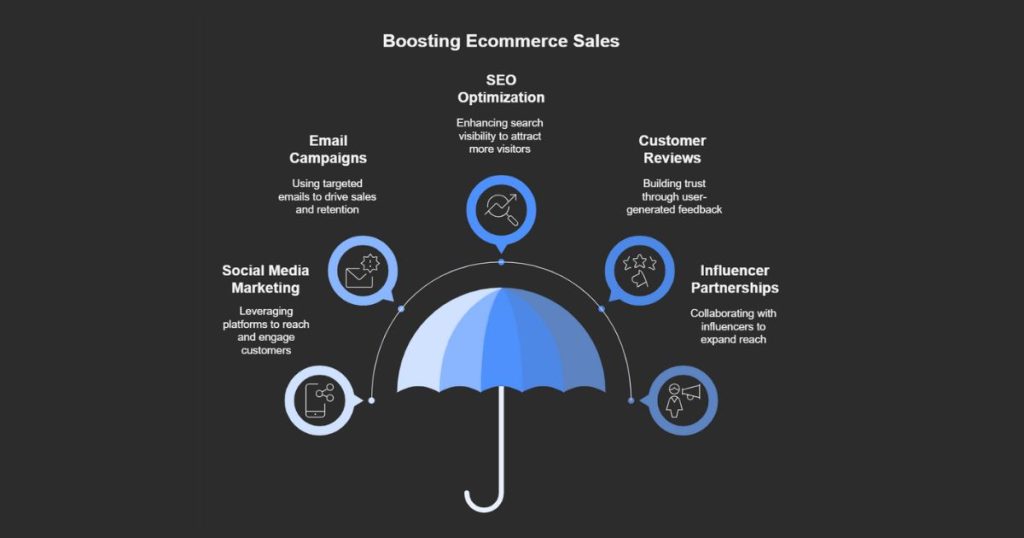
Optimize Your Website
Are you looking to boost your ecommerce sales? One of the most critical steps you can take is to optimize your website. A well-optimized site can significantly enhance user experience, leading to higher conversion rates. Here’s how you can get started.
Improve Loading Speed
Did you know that a one-second delay in page load time can result in a 7% reduction in conversions? That’s a lot! Speeding up your website is crucial. Here are some tips:
- Compress images: Large images can slow down your site. Use tools like TinyPNG to reduce their size without losing quality.
- Enable browser caching: This allows your site to store static files, so returning visitors experience faster load times.
- Minimize HTTP requests: Fewer requests mean faster loading. Combine files like CSS and JavaScript to reduce the number of requests.
Mobile-friendly Design
Ever tried shopping on a website that didn’t work well on your phone? Frustrating, right? More than half of all internet traffic now comes from mobile devices. Here’s how to make your site mobile-friendly:
- Responsive design: Ensure your site adjusts to fit any screen size. This is essential for providing a seamless user experience.
- Simplify navigation: Mobile users appreciate easy-to-use menus and buttons. Keep it simple and intuitive.
- Avoid pop-ups: Pop-ups can be especially annoying on small screens. If you must use them, make sure they are easy to close.
Optimizing your website is like setting the stage for a great performance. When your site is fast and mobile-friendly, you make it easier for customers to shop, which can lead to increased sales. So, roll up your sleeves and start optimizing!
Leverage Social Media
Social media can boost your ecommerce sales significantly. It connects you directly with your customers. You can showcase your products and engage with your audience. This helps build trust and loyalty.
Using social media effectively can set your store apart. Let’s look at some strategies to leverage social media for ecommerce sales.
Create Engaging Content
Content is key to capturing attention. Post high-quality images and videos of your products. Show them in use. Make your content relatable and valuable. Share customer testimonials and reviews. This builds credibility.
Start conversations with your audience. Ask questions and respond to comments. This interaction fosters a community around your brand.
Use Paid Advertising
Paid advertising can reach a broader audience. Platforms like Facebook and Instagram offer targeted ads. You can reach specific demographics interested in your products.
Start with a small budget. Test different ad formats and messages. Track the performance of each ad. Use the data to refine your strategy and increase sales.
Enhance Product Listings
When it comes to boosting your ecommerce sales, one of the most effective strategies is to enhance your product listings. Think of your product listings as the storefront of your online shop. If they look dull or are missing key information, potential customers might just walk on by. But, if your listings are compelling and informative, you’re far more likely to turn browsers into buyers. Here’s how you can make your product listings shine.
High-quality Images
A picture is worth a thousand words, especially in the world of ecommerce. High-quality images can make all the difference in attracting customers and persuading them to make a purchase. Why settle for mediocre when you can dazzle?
- Use multiple angles: Show your product from different perspectives. This helps customers get a complete view of what they’re buying.
- Zoom in: High-resolution images allow customers to zoom in and see details clearly. This can be the difference between a sale and a missed opportunity.
- Include lifestyle shots: Show your product in use. This helps customers imagine how they would use it in their own lives.
Detailed Descriptions
Imagine walking into a store and finding products without any tags or labels. Frustrating, right? The same applies online. Detailed descriptions are crucial for providing customers with the information they need to make informed decisions.
- Be specific: Include size, color, material, and any other relevant details. The more information, the better.
- Highlight benefits: Don’t just list features; explain how they benefit the customer. For example, instead of saying “water-resistant,” you might say “perfect for rainy days.”
- Keep it simple: Use short sentences and common words. Avoid jargon that might confuse non-native speakers.
Remember, your product descriptions are your chance to communicate directly with your customers. Make every word count!
Improving your product listings isn’t just about adding a few extra words or snapping a couple of pictures. It’s about creating a more engaging and informative shopping experience for your customers. And trust me, they’ll notice the effort.
Implement Seo Strategies
Implementing SEO strategies can significantly boost your ecommerce sales. SEO helps your website appear higher in search engine results, making it easier for customers to find you. By focusing on key SEO strategies, you can drive more traffic to your site and increase sales.
Keyword Optimization
Keyword optimization is essential for improving your search engine ranking. Start by researching relevant keywords for your products. Use tools like Google Keyword Planner to find popular search terms. Incorporate these keywords naturally into your product titles, descriptions, and meta tags. Avoid keyword stuffing; it can harm your ranking.
Backlink Building
Backlinks are links from other websites to your site. They act as votes of confidence for your content. Quality backlinks can improve your site’s authority and ranking. Reach out to bloggers and influencers in your niche. Ask them to review your products or write guest posts. Ensure the backlinks come from reputable sites. This helps build trust with search engines.
Offer Promotions And Discounts
Offering promotions and discounts is a powerful way to boost ecommerce sales. Shoppers love deals, and discounts attract new customers while retaining existing ones. It creates a sense of urgency and can lead to quick sales spikes. Implementing effective promotions requires strategic planning and careful execution. Below are some key strategies to consider.
Seasonal Sales
Seasonal sales are a great way to attract shoppers during specific times of the year. Plan sales around holidays like Christmas, Thanksgiving, and Black Friday. Offer discounts on popular products to draw in more customers. Create eye-catching banners and advertisements to promote these sales. This can significantly increase traffic and sales on your site.
Loyalty Programs
Loyalty programs reward repeat customers and encourage them to make more purchases. Offer points for every purchase that can be redeemed for discounts or free products. This keeps customers coming back to your store. Personalized offers based on past purchases can also boost engagement. Make the loyalty program easy to join and understand.
Utilize Email Marketing
Utilizing email marketing can significantly boost your ecommerce sales. It allows you to connect with customers directly in their inbox. This method helps build relationships and encourages repeat purchases. Below are some effective strategies for email marketing.
Personalized Campaigns
Personalized campaigns make customers feel valued. Use their names in emails. Recommend products based on past purchases. This increases the chances of a sale. Personalized emails often have higher open rates. They also lead to more conversions. Remember to segment your email list. Group customers by their interests and buying behavior. Send relevant offers to each segment. This way, your emails won’t end up in the spam folder.
Abandoned Cart Reminders
Abandoned cart reminders can recover lost sales. Many shoppers leave items in their carts. They may forget about them or get distracted. Sending a reminder email can bring them back. Include a clear call-to-action. Offer a small discount or free shipping. This encourages them to complete the purchase. Timing is crucial. Send the first reminder within a few hours. Follow up with another email after a day or two. This gentle nudge can convert hesitant shoppers into buyers.
Improve Customer Service
When it comes to boosting your ecommerce sales, one of the most critical factors is customer service. Think about it: would you buy from a store where you felt ignored or misunderstood? Of course not! Excellent customer service not only ensures happy customers but also encourages repeat business and positive word-of-mouth. Here, we’ll explore two key aspects of customer service that can significantly impact your sales: Live Chat Support and Easy Return Policies.
Live Chat Support
Imagine you’re shopping online, and you hit a snag. Maybe you’re unsure about the size, or perhaps you need more details about the product. What do you do? If there’s a Live Chat Support option, you can get immediate help. This feature is a game-changer for ecommerce businesses. It offers real-time assistance, which can make or break a sale.
- Instant Solutions: Customers love quick answers. Live chat provides instant solutions, enhancing the shopping experience.
- Personal Touch: It’s like having a friendly store assistant right there with you. Personalized interactions build trust and loyalty.
- Proactive Engagement: You can use live chat to proactively engage with customers, offering help before they even ask for it.
Take, for instance, my friend John. He was trying to buy a laptop online but had some doubts about the specifications. Thanks to live chat, he got his answers in minutes and proceeded with the purchase. Now, he swears by that store!
Easy Return Policies
Let’s be honest, returns can be a hassle. But a store with an Easy Return Policy can turn this inconvenience into a positive experience. Clear and simple return policies not only make customers feel secure but also encourage them to buy without hesitation.
- Clear Instructions: Provide clear, step-by-step instructions on how to return items. This reduces confusion and frustration.
- Free Returns: Offering free returns can be a big draw. It shows customers you’re confident in your products.
- Flexible Time Frame: Allow a reasonable time frame for returns. A 30-day policy is standard, but more generous policies can set you apart.
Here’s a tip from my own shopping experience: I once bought a pair of shoes that didn’t fit right. The store had a straightforward return policy, and I was able to exchange them easily. That positive experience made me a loyal customer.
In conclusion, improving your customer service through live chat support and easy return policies can significantly increase your ecommerce sales. Your customers will feel valued and confident, leading to more purchases and repeat business. So, why wait? Start enhancing your customer service today!
Analyze And Adapt
To boost your ecommerce sales, it’s crucial to continually analyze and adapt your strategies. By keeping a close eye on your sales data and adjusting your approach accordingly, you can stay ahead of the competition and meet your customers’ ever-changing needs. In this section, we’ll break down how to effectively analyze and adapt through two main steps: tracking sales data and adjusting strategies.
Track Sales Data
First things first, you need to track your sales data meticulously. Data is the backbone of any successful ecommerce business. Without it, you’re essentially flying blind. Here are some key metrics to keep an eye on:
- Conversion Rate: The percentage of visitors who make a purchase.
- Average Order Value (AOV): How much a customer spends on average per transaction.
- Customer Lifetime Value (CLV): The total revenue you can expect from a single customer over their entire relationship with your business.
- Cart Abandonment Rate: The percentage of customers who add items to their cart but leave without purchasing.
Tracking these metrics can help you understand where you’re doing well and where there’s room for improvement. For instance, a high cart abandonment rate may indicate issues with your checkout process.
Adjust Strategies
Once you have your data, it’s time to adjust your strategies. This is where the magic happens. Think of it like cooking; you taste your dish and then add a pinch of salt or a dash of pepper to make it perfect. Here are a few strategies you might consider tweaking:
- Improve User Experience (UX): Simplify your website navigation and make sure your site is mobile-friendly. A seamless UX can significantly boost conversion rates.
- Optimize Pricing: Test different pricing strategies to see what resonates best with your audience. Sometimes a small discount can make a big difference.
- Enhance Product Descriptions: Clear, concise, and compelling product descriptions can help persuade potential buyers.
- Run Targeted Promotions: Use your sales data to identify trends and run promotions that cater to your audience’s preferences.
Adapting your strategies based on data can lead to significant sales increases. Remember, it’s all about continuous improvement. Every change you make should be monitored to see if it has the desired effect.
| Metric | Importance | How to Improve |
|---|---|---|
| Conversion Rate | High | Enhance UX, optimize checkout process |
| Average Order Value | Medium | Upsell and cross-sell products |
| Customer Lifetime Value | High | Engage with loyalty programs, personalized offers |
| Cart Abandonment Rate | High | Streamline checkout, offer incentives |
In conclusion, analyzing and adapting is not a one-time task but an ongoing process. By continuously tracking your sales data and making necessary adjustments, you can ensure your ecommerce business remains competitive and profitable.
Frequently Asked Questions
How To Maximize Ecommerce Sales?
Maximize ecommerce sales by optimizing your website, using targeted marketing, providing excellent customer service, offering promotions, and analyzing data to improve strategies.
How Does Ecommerce Increase Sales?
Ecommerce boosts sales by offering 24/7 accessibility, reaching global audiences, and providing personalized shopping experiences. It reduces operational costs and enhances customer convenience.
What Is The Ecommerce Sales Strategy?
An ecommerce sales strategy involves optimizing your online store, enhancing customer experience, using targeted marketing, and analyzing sales data. This boosts sales and customer loyalty.
How Can E-commerce Increase A Business’s Revenues?
E-commerce boosts revenues by expanding market reach, offering convenience, reducing operational costs, and providing data-driven marketing insights.
Conclusion
Boosting ecommerce sales requires focus on several key areas. Optimize your website for user experience. Improve product descriptions with clear, concise language. Use high-quality images and videos. Offer competitive pricing and promotions. Engage with customers through social media and email marketing.
Provide excellent customer service to build trust. Analyze data to understand customer behavior. Implement these strategies consistently. Watch your ecommerce sales grow steadily over time. With dedication and attention to detail, success is within reach.