
Personal finance is managing your money wisely. It involves budgeting, saving, and investing.
Understanding personal finance is vital for your financial well-being. It helps you control your spending and avoid debt. Managing money smartly can improve your life quality. With good financial habits, you can handle emergencies better. Personal finance also helps you plan for the future.
It can lead to a secure and comfortable retirement. Learning personal finance is not just about money. It’s about peace of mind and freedom. You can make informed decisions and reach your goals. Let’s explore why personal finance is crucial for everyone.
Introduction To Personal Finance
Understanding personal finance is vital for managing your money effectively. It helps you plan for the future and avoid financial stress. This blog post will guide you through the basics of personal finance, its importance, and how it impacts your daily life.
Defining Personal Finance
Personal finance is about managing your money. It includes budgeting, saving, investing, and planning for the future. It involves understanding your income, expenses, debts, and investments. By mastering personal finance, you can make informed financial decisions.
Importance In Daily Life
Personal finance affects your everyday life in many ways. Here’s why it matters:
- Budgeting: Helps you track income and expenses.
- Savings: Prepares you for emergencies.
- Investing: Grows your wealth over time.
- Debt Management: Keeps you out of financial trouble.
- Financial Planning: Ensures a secure future.
Let’s break it down further:
| Aspect | Impact |
|---|---|
| Budgeting | Controls spending and saves money |
| Savings | Provides a safety net for emergencies |
| Investing | Increases wealth over time |
| Debt Management | Reduces financial stress and interest payments |
| Financial Planning | Secures a comfortable future |
By paying attention to personal finance, you ensure a balanced and secure life. Start today. Make small changes for a big difference in your future.
Building A Budget
Managing personal finance involves building a budget. It helps track spending and saves money. Essential for achieving financial goals.
Creating a budget is crucial for personal finance. It helps you manage money and avoid debt. A budget shows where your money goes. It helps you plan for the future and save for your goals.
Steps To Create A Budget
First, list your income. This includes your salary, bonuses, and any other sources. Next, list all your expenses. This includes rent, utilities, groceries, and entertainment.
Subtract your expenses from your income. The remaining amount is your disposable income. Allocate this towards savings or paying off debt.
Tracking Expenses
Tracking expenses is vital. It shows you how you spend your money. Use a notebook, spreadsheet, or app to track every expense.
Review your expenses weekly. Look for patterns and areas to cut costs. Adjust your budget as needed.
Remember, budgeting is a skill. It takes time to master. But with patience and discipline, it can lead to financial freedom.
“`
Saving For The Future
Saving for the future is crucial for financial stability. It ensures you can handle unexpected expenses and achieve long-term goals. Let’s explore why building an emergency fund and retirement savings is essential.
Emergency Fund
An emergency fund acts as a financial safety net. It covers unexpected expenses like medical bills or car repairs. Aim to save three to six months’ worth of living expenses. This cushion prevents you from relying on credit cards or loans. Start small and gradually increase your savings. Consistency is key. Every little bit adds up over time.
Retirement Savings
Retirement savings ensure you have money for your later years. Start saving early to benefit from compound interest. Utilize retirement accounts like 401(k)s or IRAs. These accounts offer tax advantages and grow your money over time. Contribute regularly to build a substantial nest egg. Even small contributions make a big difference in the long run.
Managing Debt
Managing debt is crucial for personal finance health. Debt can be overwhelming and stressful. Effective debt management can improve your financial stability. It can also increase your ability to save and invest.
Types Of Debt
There are different types of debt. Each type affects your finances differently. Credit card debt is common and often carries high interest rates. Student loans are another type of debt. They usually have lower interest rates but can take years to repay. Mortgages are long-term loans for buying a home. They often have lower interest rates but involve larger amounts of money. Personal loans can be used for various needs. They usually have fixed interest rates and repayment terms.
Strategies To Reduce Debt
Start by creating a budget. Track your income and expenses. This helps you see where your money goes. Cut unnecessary expenses to free up money for debt payments. Focus on paying high-interest debt first. This reduces the total interest paid. Consider debt consolidation. This combines multiple debts into one with a lower interest rate. Use windfalls like tax refunds to pay off debt faster. Stay disciplined and avoid new debt. Your efforts will pay off in the long run.
Investing Wisely
Investing wisely is a crucial part of personal finance. It helps grow your money over time. Instead of letting your money sit idle, investing puts it to work. This can lead to financial stability and freedom in the long run.
Understanding how to invest wisely involves knowing your options. It also means managing risks properly. Let’s explore these aspects in detail.
Investment Options
There are many investment options available. Stocks are a common choice. They offer high returns but come with risks. Bonds are safer but usually offer lower returns. Mutual funds pool money from many investors. They invest in a mix of stocks and bonds.
Real estate is another option. It involves buying property to rent or sell later. Cryptocurrencies are a new and risky option. They can offer high returns but are very volatile. Each option has its pros and cons. Choose based on your goals and risk tolerance.
Risk Management
Risk management is key in investing. It protects your money from big losses. Diversification is one way to manage risk. This means spreading your money across different investments. If one fails, others can still perform well.
Set clear financial goals. Know how much risk you can handle. Invest only what you can afford to lose. Stay updated with market trends. Educate yourself on economic factors. These steps help in managing risks effectively.
Investing wisely is not just about making money. It’s about making informed decisions. Choose the right investment options. Manage risks properly. This will lead to long-term financial success.
Protecting Your Assets
Securing your financial future involves more than just saving money. Protecting your assets is crucial for long-term financial stability. This means safeguarding your property, investments, and valuable possessions. Effective asset protection ensures that unexpected events do not derail your financial plans.
Insurance Basics
Insurance is a key part of asset protection. It provides a safety net for unforeseen circumstances. Health insurance covers medical expenses, reducing out-of-pocket costs. Home insurance protects against damage and theft. Auto insurance shields you from financial burdens after accidents. Life insurance supports your family in case of your untimely death. Each type of insurance serves a specific purpose. Understanding what you need is essential.
Importance Of Estate Planning
Estate planning involves preparing for the transfer of your assets after your death. It ensures your wishes are honored. It also minimizes taxes and legal fees. A will is a fundamental part of estate planning. It outlines how your assets should be distributed. Trusts provide more control and can reduce tax liabilities. Power of attorney grants someone authority to make decisions if you are incapacitated. Proper estate planning gives peace of mind. It protects your loved ones from financial and legal complications.
Increasing Your Income
Increasing your income is crucial for better personal finance. It helps you achieve financial goals, build savings, and reduce debt. By exploring various ways to earn more, you can secure a more stable financial future.
Side Hustles
Side hustles are excellent for boosting your income. They offer flexibility and can fit around your main job. Common side hustles include:
- Freelancing: Use your skills to offer services online.
- Ride-sharing: Drive for services like Uber or Lyft.
- Online tutoring: Teach subjects you are good at.
- Delivery services: Work with companies like DoorDash or Postmates.
Side hustles can turn into significant income streams. Choose ones that align with your interests and skills.
Career Advancement
Advancing in your career can also increase your income. Here are some effective ways to achieve this:
- Skill Development: Learn new skills relevant to your field.
- Networking: Build connections with industry professionals.
- Professional Certifications: Obtain certifications to boost your resume.
- Performance Excellence: Consistently perform well to earn promotions.
Invest in your growth and take advantage of opportunities. It will lead to higher pay and better job prospects.
Financial Freedom
Financial freedom is a goal many aspire to achieve. It means having enough resources to cover your expenses without constant worry. Attaining financial freedom provides peace of mind and opens up new opportunities.
Defining Financial Freedom
Financial freedom means having control over your finances. It allows you to make decisions without stress about money. You can pursue your passions and enjoy life without financial constraints.
Steps To Achieve It
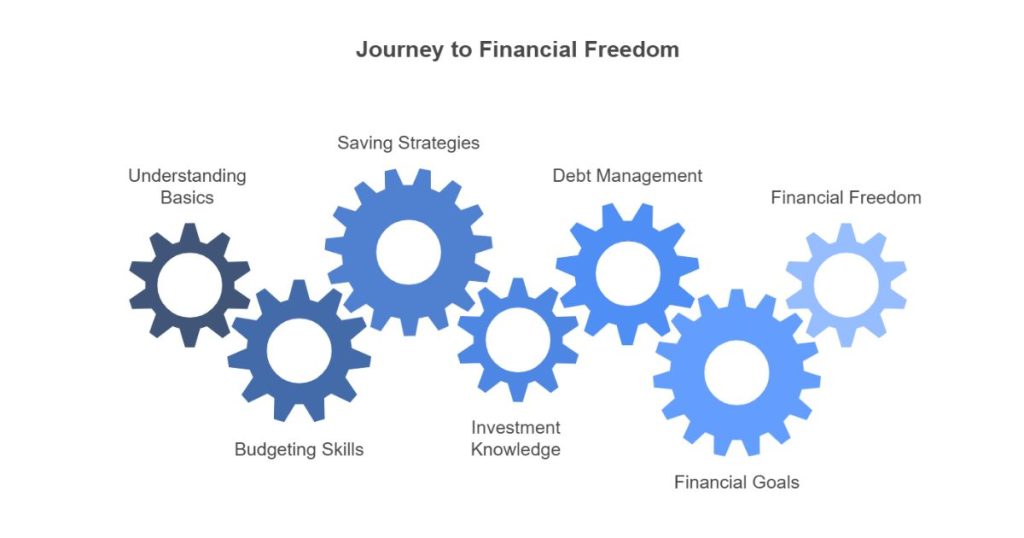
Start by setting clear financial goals. Know what you want to achieve. Create a budget to track income and expenses. This helps you see where your money goes.
Save regularly by setting aside a portion of your income. Even small amounts add up over time. Invest wisely to grow your savings. Choose investments that match your risk tolerance and time horizon.
Pay off debt as soon as possible. High-interest debts can drain your resources. Build an emergency fund to cover unexpected expenses. This prevents you from relying on credit cards in emergencies.
Continuously educate yourself about personal finance. Knowledge is power. Stay disciplined and stick to your plan. Over time, you will move closer to financial freedom.
Frequently Asked Questions
What Is Personal Finance?
Personal finance involves managing your money, including budgeting, saving, investing, and planning for retirement. It’s essential for achieving financial stability and security. Understanding personal finance helps you make informed decisions and reach your financial goals.
Why Is Personal Finance Important?
Personal finance is crucial for managing your income, expenses, and savings. It helps you achieve financial independence, reduce debt, and plan for the future. Good financial habits lead to a stress-free life and a secure financial future.
How Can I Start Budgeting?
Start budgeting by tracking your income and expenses. Create categories for different spending areas and set limits. Use tools or apps to simplify the process. Regularly review and adjust your budget to stay on track and achieve your financial goals.
What Are The Benefits Of Saving Money?
Saving money provides financial security and peace of mind. It allows you to handle emergencies, invest, and achieve long-term goals. Regular saving helps build wealth over time and reduces financial stress.
Conclusion
Personal finance is vital for a secure and stress-free life. It helps manage expenses, save for the future, and avoid debt. Good financial habits lead to financial freedom and peace of mind. Start small, stay consistent, and watch your financial health improve.
Remember, every little step counts. Financial literacy empowers you to make informed decisions. Embrace the journey, and take control of your personal finance today.