
Every business aims to grow and maintain strong relationships with its customers. A CRM system helps achieve this goal.
It stands for Customer Relationship Management and offers many advantages. In today’s competitive market, understanding and managing customer interactions is crucial. A CRM system acts as a central hub for all customer-related information. It helps businesses stay organized and efficient.
From tracking customer interactions to analyzing data, a CRM system provides valuable insights. These insights allow businesses to make informed decisions. The benefits of a CRM system go beyond just managing contacts. It enhances customer satisfaction and boosts sales. By integrating a CRM system, businesses can streamline their processes and improve overall performance. Ready to learn more about how a CRM system can benefit your business? Let’s dive in.
Introduction To CRM Systems
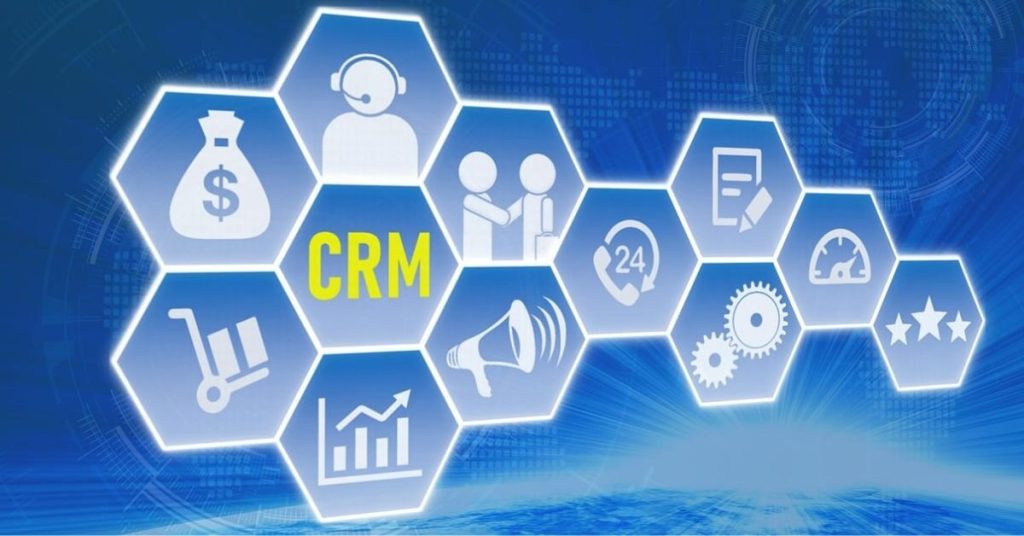
Customer Relationship Management (CRM) systems have become a vital tool for businesses. They help companies manage customer interactions, streamline processes, and improve profitability. In this section, we will explore the basics of CRM systems and their importance in modern business practices.
What Is A CRM?
A CRM system is a technology used to manage a company’s relationships and interactions with customers and potential customers. It helps companies stay connected to their customers, streamline processes, and improve profitability.
CRM systems can be used to store customer contact information, identify sales opportunities, record service issues, and manage marketing campaigns. The goal is to improve business relationships to grow the business.
Importance Of CRM In Modern Business
In today’s competitive market, CRM systems are essential. They help businesses understand their customers better. They also allow businesses to provide personalized experiences and improve customer satisfaction.
Here are some key benefits of using a CRM system:
- Improved customer relationships: CRM systems help businesses understand their customers’ needs and preferences.
- Increased sales: By managing customer interactions effectively, businesses can close deals faster and increase sales.
- Enhanced customer service: CRM systems provide a 360-degree view of customers, enabling businesses to resolve issues quickly and efficiently.
- Better marketing: Businesses can use CRM data to create targeted marketing campaigns that resonate with their audience.
- Streamlined processes: CRM systems automate routine tasks, freeing up time for employees to focus on more important activities.
Enhanced Customer Relationships
A CRM system transforms how businesses engage with their customers. It helps in building strong and lasting relationships. This is done by providing detailed insights and personalized solutions. Let’s explore how a CRM system enhances customer relationships.
Personalized Interactions
With a CRM system, businesses can store and access detailed information about each customer. This includes their preferences, purchase history, and interactions. This data allows for personalized interactions. Customers feel valued when they receive tailored messages and offers. Here are some benefits:
- Better understanding of customer needs
- Customized marketing campaigns
- Improved customer satisfaction
Personalized interactions lead to higher engagement. Customers are more likely to respond positively to communications that reflect their preferences.
Improved Customer Retention
A CRM system helps in tracking customer behavior and feedback. It provides insights into what keeps customers coming back. Retaining existing customers is often more cost-effective than acquiring new ones. Here are some key benefits:
| Benefit | Description |
|---|---|
| Increased loyalty | Regular follow-ups and personalized offers increase loyalty. |
| Timely support | Quick resolution of issues leads to higher satisfaction. |
| Proactive engagement | Anticipating needs and addressing them enhances relationships. |
Improved customer retention means long-term business growth. Loyal customers often refer new clients, which helps in expanding the customer base.
Streamlined Communication
Effective communication is vital for any business. A CRM system enhances communication by streamlining processes, providing quick access to customer data, and enabling efficient team collaboration.
Centralized Customer Data
With a CRM system, all customer information is in one place. This centralized customer data ensures that everyone has access to the same information. No more searching through emails or spreadsheets.
Team members can view contact details, past interactions, and purchase history. This unified view helps in understanding customer needs better. Consequently, response times improve, and customer satisfaction increases.
Efficient Team Collaboration
A CRM system allows teams to work together more effectively. It provides tools for sharing information and tracking progress on tasks. Teams can easily assign tasks and follow up on them.
- Task management features
- Shared calendars
- Automated reminders
These features help teams stay organized. They ensure that nothing falls through the cracks. As a result, projects are completed on time, and customers receive better service.
Increased Sales And Revenue
Implementing a CRM system can significantly increase sales and revenue for businesses. By streamlining processes and providing valuable insights, a CRM system helps companies optimize their sales strategies and improve customer relationships. Let’s explore how CRM systems can enhance sales and revenue through sales process automation and accurate sales forecasting.
Sales Process Automation
One of the key benefits of a CRM system is sales process automation. This feature allows businesses to automate repetitive tasks, freeing up time for sales teams to focus on more critical activities. For example, CRM systems can automate:
- Email follow-ups
- Lead scoring
- Data entry
- Task reminders
Automation helps ensure that no lead is overlooked and all follow-ups are timely. This increased efficiency leads to more closed deals and higher sales productivity.
Accurate Sales Forecasting
Another advantage of a CRM system is its ability to provide accurate sales forecasting. By analyzing historical data and current sales trends, CRM systems can predict future sales performance with high accuracy. This information is crucial for:
- Setting realistic sales targets
- Managing inventory levels
- Allocating resources effectively
- Making informed business decisions
Accurate forecasting helps businesses anticipate market demand and adjust their strategies accordingly. This proactive approach leads to better revenue management and sustained business growth.
Better Data Management
Effective data management is crucial for business success. A CRM system streamlines data collection and organization. It ensures better data management for improved decision-making.
Real-time Data Access
With a CRM system, you get real-time access to customer data. This means you can view and update information instantly. No more outdated records. This leads to better customer interactions.
Real-time data access helps in making quick decisions. It ensures you always have the latest information at your fingertips.
Data-driven Decision Making
A CRM system provides insights from data analysis. It helps in data-driven decision making. You can identify trends and patterns. Use this data to make informed choices. This leads to better business outcomes.
Data-driven decisions reduce guesswork. They improve business strategies. You can focus on what works and adjust what doesn’t.
Below is a simple comparison table showing the benefits:
| Without CRM | With CRM |
|---|---|
| Manual data entry | Automated data collection |
| Outdated records | Real-time updates |
| Guesswork in decisions | Data-driven insights |
Improved Customer Service
A Customer Relationship Management (CRM) system enhances customer service. It helps businesses manage interactions and relationships. This leads to higher customer satisfaction. Let’s dive into how a CRM system improves customer service.
Faster Response Times
A CRM system stores customer information in one place. This enables quick access to customer history. Support teams can answer queries faster. No need to search through multiple databases. Time saved means happier customers.
Consider the following table that shows the difference a CRM system can make:
| Without CRM | With CRM |
|---|---|
| 10 minutes to find customer info | 2 minutes to find customer info |
| Inconsistent responses | Consistent and accurate responses |
Proactive Support
CRM systems provide insights into customer behavior. Support teams can anticipate issues before they arise. This allows for proactive support. Problems are solved before customers even notice.
The benefits of proactive support include:
- Increased customer loyalty
- Reduced support tickets
- Enhanced customer satisfaction
In summary, a CRM system improves customer service. Faster response times and proactive support lead to happier customers. Implementing a CRM can transform your customer service experience.
Marketing Efficiency
Marketing efficiency is crucial for businesses to thrive in today’s competitive landscape. A CRM system greatly enhances marketing efficiency by streamlining processes, targeting the right audience, and nurturing leads effectively. Let’s delve into how CRM systems contribute to marketing efficiency through targeted marketing campaigns and lead management.
Targeted Marketing Campaigns
A CRM system allows businesses to create targeted marketing campaigns based on customer data. This data includes demographics, purchase history, and interaction records. By segmenting customers into specific groups, marketers can tailor messages to suit each group’s needs and preferences. This approach ensures higher engagement and better conversion rates.
For example, a CRM can help identify customers who frequently purchase a particular product. Marketers can then send personalized offers or information about related products. This not only increases the chances of repeat purchases but also enhances customer satisfaction.
Additionally, CRM systems provide valuable insights through analytics. Marketers can track the performance of their campaigns in real time. This helps in making necessary adjustments and optimizing future campaigns for better results.
Lead Management
Effective lead management is another area where CRM systems excel. The system captures and organizes leads from various sources such as websites, social media, and email campaigns. This ensures no potential customer is overlooked.
CRM tools assign scores to leads based on their level of engagement. Sales teams can then prioritize leads that are more likely to convert. This improves the efficiency of the sales process and maximizes revenue opportunities.
The system also allows for automated follow-ups. This feature ensures timely communication with leads and keeps them engaged throughout their journey. Automated workflows can trigger personalized emails or reminders, ensuring that leads are nurtured consistently.
Furthermore, CRM systems provide a centralized database that all team members can access. This promotes collaboration and ensures everyone is on the same page. Teams can track the progress of leads, share notes, and update information in real-time.
| Benefits of CRM in Marketing Efficiency | Impact |
|---|---|
| Targeted Campaigns | Higher engagement, better conversion rates |
| Lead Scoring | Prioritized leads, optimized sales efforts |
| Automated Follow-ups | Consistent nurturing, improved lead conversion |
| Centralized Database | Enhanced collaboration, real-time updates |
Scalability And Growth
In the fast-paced business world, scalability and growth are critical factors. A Customer Relationship Management (CRM) system plays a key role in ensuring these. CRM systems help businesses adapt to changing needs and support expansion efforts.
Adapting To Business Needs
A CRM system adapts to your business needs. As businesses grow, their needs change. A CRM system evolves with these changes. This helps keep the business processes smooth and efficient.
- Customizable features
- Integration with other tools
- Automated workflows
Customizable features allow businesses to tweak the CRM as needed. Integration with other tools helps in seamless operations. Automated workflows save time and reduce errors.
Supporting Expansion
Supporting expansion is another benefit of a CRM system. As a business expands, it needs to manage more data. A CRM system handles this data efficiently. This helps in scaling operations without hitches.
| Feature | Benefit |
|---|---|
| Data Management | Efficient handling of large data sets |
| Resource Allocation | Optimal use of resources |
| Scalability | Growth without disruption |
Data management ensures that all customer information is organized. This helps in making informed decisions. Resource allocation is optimized with a CRM system. This ensures that resources are used efficiently, supporting growth.
Scalability is crucial for any growing business. A CRM system supports growth without disruption. This ensures that the business can keep up with the increasing demands.
Frequently Asked Questions
What Is A CRM System?
A CRM system is a software that manages customer relationships. It helps businesses streamline processes, improve customer service, and increase profitability.
How Does CRM Improve Customer Service?
CRM improves customer service by centralizing customer information. It allows quick access to customer history, enabling personalized and efficient support.
Why Is CRM Important For Sales?
CRM is important for sales as it tracks customer interactions. It provides insights into customer behavior, helping sales teams close deals faster.
Can CRM Systems Automate Tasks?
Yes, CRM systems can automate repetitive tasks. This includes email marketing, follow-ups, and data entry, saving time and reducing errors.
Conclusion
A CRM system offers many benefits for businesses. It improves customer relationships and streamlines processes. Teams can collaborate better with shared information. Data-driven decisions become simpler. Sales and marketing efforts become more effective. Customer satisfaction rises with personalized interactions. CRM systems save time and reduce errors.
They grow with your business needs. Investing in a CRM system can lead to long-term success. Embrace the advantages and watch your business thrive.