
Client onboarding is a vital part of business operations. It’s the process of welcoming new clients and setting the stage for a successful relationship.
Effective client onboarding ensures smooth transitions and helps build strong connections. It involves understanding client needs, clear communication, and proper documentation. Good onboarding can lead to lasting partnerships, increased trust, and client satisfaction. It’s more than just paperwork; it’s about creating a positive first impression.
Investing time in this process can save you from future misunderstandings and conflicts. Whether you’re a small business or a large corporation, mastering client onboarding can significantly impact your success. Let’s explore how you can streamline this process and ensure every client feels valued from day one.
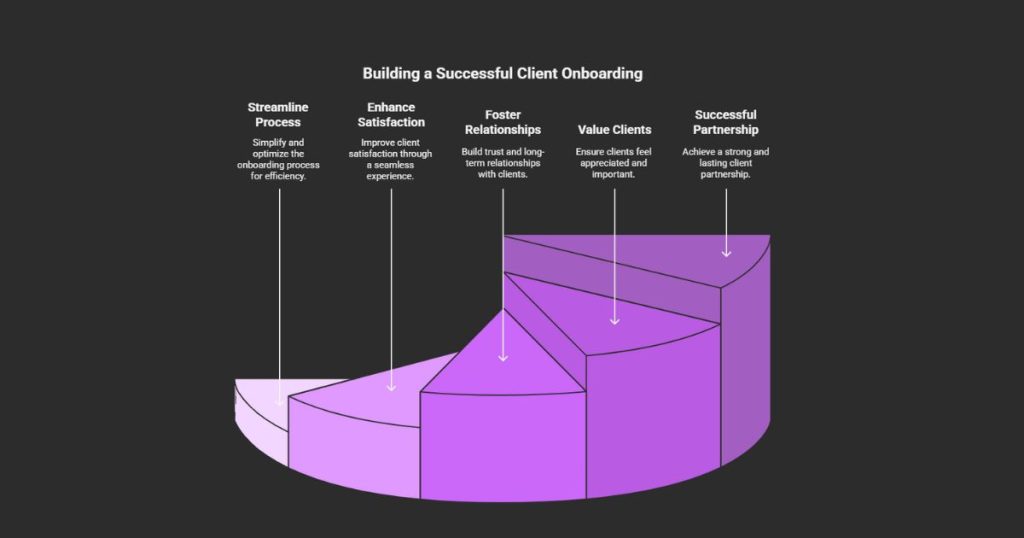
Introduction To Client Onboarding
Client onboarding is the process of welcoming new clients to your business. It’s the first step to building a strong relationship. A good onboarding experience can set the tone for future interactions. It ensures clients feel valued and understood from the start. This section will explore why client onboarding matters and the initial steps to take.
Why It Matters
Client onboarding is crucial for many reasons. First, it helps clients understand your services. They learn what to expect and how to use your products. This reduces confusion and boosts satisfaction. Happy clients are more likely to stay loyal and refer others.
Second, onboarding helps you gather important information. You learn about clients’ needs and preferences. This data allows you to tailor your services. Personalized services lead to better results. Clients feel that you care about their specific needs.
Initial Steps
The first step is to welcome your new client. A personalized welcome message can make a big difference. It shows that you value their business. Include key contact information in the message. Clients should know who to reach out to with questions.
Next, provide a clear outline of the onboarding process. Clients should know what to expect. This can include timelines, key milestones, and important documents. A clear plan helps clients feel prepared and confident.
Finally, set up an initial meeting or call. This is a great chance to learn about the client’s goals. It also allows you to address any concerns right away. A good first meeting can lay the foundation for a successful partnership.
Setting Clear Expectations
Setting clear expectations is crucial during client onboarding. It ensures both parties are on the same page. Clear expectations help prevent misunderstandings. They lead to a smoother working relationship. Clients feel more confident. They know what to expect. This builds trust and sets the stage for success.
Goals And Objectives
Start by defining the client’s goals and objectives. Understand their needs and desires. This helps tailor your services to meet their expectations. Make sure these goals are specific and measurable. Clear goals guide the project’s direction. They provide a benchmark for success. Regularly review and adjust them as needed.
Timeline And Milestones
Establish a clear timeline with milestones. This keeps the project on track. Break down the project into smaller tasks. Set deadlines for each task. Share this timeline with the client. It helps manage their expectations. They will know what to expect and when.
Regular updates are essential. They keep the client informed. Address any delays promptly. This maintains trust and transparency. A clear timeline with milestones ensures steady progress. It helps achieve the client’s goals on time.
Effective Communication Strategies
Effective communication strategies play a crucial role in client onboarding. Clear and consistent communication helps build trust. It ensures clients understand each step of the process. This section explores strategies for effective communication during onboarding.
Regular Updates
Provide clients with regular updates on their progress. Share a timeline with key milestones. Keep them informed about upcoming tasks. Regular updates prevent misunderstandings and foster trust. Clients appreciate knowing what to expect next.
Feedback Mechanisms
Establish feedback mechanisms to understand client needs. Create surveys or feedback forms. Encourage clients to share their thoughts. Act on feedback to improve the onboarding process. Responsive actions show clients their opinions matter.
Creating A Comprehensive Onboarding Plan
Creating a comprehensive onboarding plan ensures new clients feel welcomed and informed. This plan sets the stage for a successful partnership. It provides clarity, structure, and support. A well-defined onboarding process improves client satisfaction and retention. Let’s explore key elements to include.
Documentation
Proper documentation is crucial for effective onboarding. It provides new clients with necessary information. This includes contracts, company policies, and project timelines. Clear and organized documents prevent confusion. They also serve as a reference point. Make sure all documents are accessible and easy to understand.
Training Sessions
Training sessions help clients understand your services better. They provide an opportunity to address questions and concerns. These sessions can be in-person or virtual. Interactive training boosts client confidence. It also fosters a stronger relationship. Tailor the training to meet specific client needs. Regular sessions keep clients engaged and informed.
Utilizing Technology
Utilizing technology in client onboarding is essential for efficiency and client satisfaction. It simplifies processes, reduces errors, and saves time. This section explores the tools and automation methods that can enhance client onboarding.
Software Tools
Software tools streamline onboarding processes and keep everything organized. They help track progress and ensure all steps are completed. These tools also provide a central location for storing client information.
Many software solutions offer templates. This makes it easier to create consistent and professional documents. Some tools even allow collaboration, enabling teams to work together smoothly.
Automation
Automation can handle repetitive tasks, freeing up time for more important work. It ensures tasks are done correctly and on time. Automated emails, for example, can keep clients informed throughout the onboarding process.
Workflow automation tools can assign tasks to the right team members. This ensures everyone knows their responsibilities. Automating document signing can also speed up the process and reduce delays.
Using technology effectively can greatly improve the client onboarding experience. It makes the process smoother and more efficient for everyone involved.
Building Strong Relationships
Client onboarding sets the stage for building strong relationships. Clear communication and understanding foster trust and satisfaction. Consistent support ensures long-term client loyalty.
Building Strong Relationships
Building strong relationships during client onboarding is crucial. It sets the tone for future interactions and ensures long-term loyalty. Strong relationships are built on personal connections and trust.
Personal Connections
Making personal connections with clients fosters loyalty. Use their names and remember personal details they share. This shows you care beyond business.
Regular communication is key. Schedule check-ins to discuss progress and address concerns. This helps clients feel valued and heard.
Share your experiences to build rapport. Mention a similar challenge you faced and how you overcame it. This creates a bond and shows you’re relatable.
Trust Building
Trust is the backbone of strong relationships. Be transparent about processes and timelines. This sets realistic expectations and reduces anxiety.
Deliver on your promises. Consistency builds trust over time. If you say you’ll follow up next week, do it.
Be honest about mistakes. Address issues promptly and offer solutions. Clients appreciate honesty and accountability.
Ask for feedback regularly. It shows you value their opinion and are committed to improvement. This collaborative approach strengthens trust.
How do you ensure trust with your clients? What personal touches have you found most effective in building strong relationships? Your experiences could inspire others!
Measuring Success
Measuring success in client onboarding is crucial. It helps understand how well the process works. Tracking success ensures that clients are happy and stay with the company longer. This section will explore key performance indicators and client satisfaction.
Key Performance Indicators
Key performance indicators (KPIs) provide valuable insights. They measure the efficiency of the onboarding process. Common KPIs include the time taken to onboard a client. Tracking this helps identify areas to improve. Another important KPI is client retention rate. A higher retention rate shows successful onboarding.
Conversion rate is also vital. It shows the percentage of potential clients who become actual clients. Monitoring these KPIs ensures that the onboarding process is effective and efficient.
Client Satisfaction
Client satisfaction is a key measure of onboarding success. Happy clients are more likely to stay and refer others. Surveys and feedback forms are useful tools. They help gather client opinions about the onboarding experience.
Net Promoter Score (NPS) is another valuable metric. It measures the likelihood of clients recommending the company. A high NPS indicates strong client satisfaction. Regularly reviewing client feedback helps refine the onboarding process. This ensures a positive experience for all clients.
Continuous Improvement
Continuous improvement is vital for a successful client onboarding process. It ensures that your methods remain effective and efficient. By focusing on continuous improvement, you can enhance the client experience. This can lead to higher client satisfaction and loyalty.
Feedback Loop
Gathering feedback from clients is essential. It helps you understand their needs and preferences. Encourage clients to share their experiences with your onboarding process. Use surveys, interviews, and feedback forms. Analyze the feedback to identify areas of improvement. Implement changes based on client suggestions. This will show clients that you value their input.
Adapting To Change
The business environment is always changing. Your onboarding process must adapt to these changes. Stay updated with industry trends and best practices. Regularly review and update your onboarding process. This ensures it remains relevant and effective. Train your team to handle new tools and technologies. This will help them deliver a seamless onboarding experience. Being adaptable will keep your process efficient and client-focused.
Frequently Asked Questions
What Are The 4 Steps In Onboarding?
The 4 steps in onboarding are: 1. Pre-boarding: Prepare paperwork and workspace before the new hire’s first day. 2. Orientation: Introduce company culture, policies, and team members. 3. Training: Provide job-specific training and resources. 4. Integration: Offer ongoing support and feedback to ensure a smooth transition.
What Are The 7 Steps Of Client Process Or Client Onboarding Process?
The 7 steps of the client onboarding process are: Initial contact, Needs assessment, Proposal, Contract signing, Project planning, Implementation, and Follow-up.
What Is Customer Onboarding?
Customer onboarding is the process of guiding new clients to effectively use your product or service. It ensures a smooth transition, boosts satisfaction, and fosters long-term loyalty.
What Is Another Name For Client Onboarding?
Another name for client onboarding is customer onboarding. It involves welcoming new clients and integrating them into your business processes efficiently.
Conclusion
Effective client onboarding builds strong relationships. It sets clear expectations and ensures satisfaction. Make communication a priority. Personalize the experience for each client. Provide necessary resources and support. Regular check-ins maintain engagement. A seamless onboarding process boosts client retention. Invest time in this crucial phase.
Happy clients lead to long-term partnerships. Solid onboarding lays the foundation for success.