
Client onboarding is crucial for businesses. It sets the stage for long-term relationships.
A smooth onboarding process can make or break a client’s experience. It ensures clients understand your services and feel valued. Effective onboarding builds trust and sets clear expectations. This leads to higher satisfaction and retention rates. It’s not just about welcoming new clients; it’s about setting them up for success.
Let’s explore why client onboarding is essential and how to do it right. Understanding this process can transform client relationships and drive business growth. Dive in to learn the key elements of successful client onboarding.
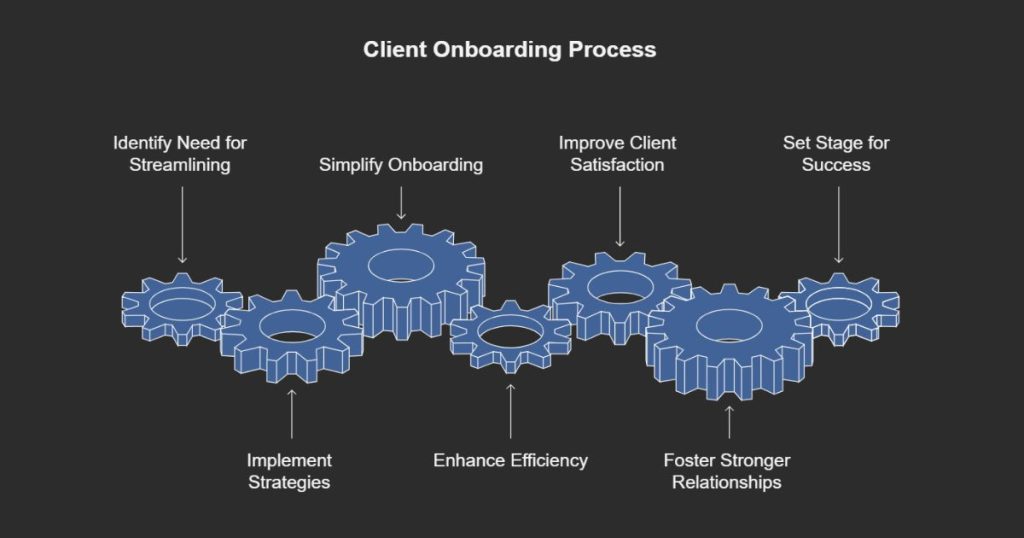
Introduction To Client Onboarding
Client onboarding is the initial process that new clients go through. It helps them understand and engage with your services. This process sets the tone for the client relationship. A smooth onboarding process leads to a successful partnership. It ensures that clients feel valued and understood.
Importance Of Onboarding
Onboarding is crucial for many reasons. It helps clients get familiar with your services quickly. It also builds trust and confidence. When clients feel informed, they are more likely to stay loyal. Proper onboarding can reduce misunderstandings and errors. It also sets clear expectations from the start.
First Impressions Matter
First impressions are lasting. The onboarding process is your chance to make a good one. A positive start can lead to a long-term relationship. Clients will feel more comfortable and confident. They will trust your services more. A well-structured onboarding process can set the stage for future success.
Setting Clear Expectations
Setting clear expectations is a critical step in client onboarding. It ensures both parties understand their roles and responsibilities. This clarity helps avoid misunderstandings. It builds trust and lays a solid foundation for a successful partnership.
Defining Goals
The first step in setting clear expectations is defining goals. Both the client and the service provider need to agree on what they want to achieve. This alignment helps ensure everyone is working towards the same objectives. Clearly defined goals provide a roadmap for the project. They make it easier to measure progress and success.
Outlining Processes
Outlining processes is another key aspect of setting clear expectations. Clients need to understand how the project will unfold. This includes timelines, milestones, and deliverables. A detailed process map helps clients know what to expect at each stage. It also clarifies the steps involved in achieving the defined goals.
Processes should be transparent and easy to follow. This helps clients feel confident and informed. It also allows for smoother communication and fewer surprises. A clear process outline can make the entire onboarding experience more efficient and pleasant.
Effective Communication
Effective communication is the cornerstone of successful client onboarding. When you bring a new client on board, clear and consistent communication helps to build trust and set the foundation for a strong working relationship. Misunderstandings can lead to delays and dissatisfaction, but with the right approach to communication, you can ensure a smooth and positive experience. Let’s delve into some key aspects of effective communication during client onboarding.
Regular Updates
Regular updates are essential to keep your clients in the loop. This doesn’t mean bombarding them with information, but rather providing timely and relevant updates. For instance, you can share a weekly progress report, outlining what has been accomplished and what the next steps are.
- Weekly Progress Reports: These can be sent via email or shared in a scheduled meeting.
- Milestone Notifications: Inform clients when key milestones are reached or when there are significant changes.
- Transparency: Be honest about any challenges and how you plan to address them.
By maintaining regular contact, you reassure your clients that their project is on track and that you are actively managing their needs.
Feedback Mechanisms
Creating effective feedback mechanisms is crucial for understanding your client’s perspective and ensuring their satisfaction. Feedback can be gathered through various methods, and it’s important to choose the ones that best suit your client’s preferences.
- Surveys: Short, focused surveys can provide valuable insights into your client’s experience.
- One-on-One Meetings: Personal meetings allow for more detailed feedback and a deeper understanding of client concerns.
- Feedback Forms: Include feedback forms at the end of significant phases or deliverables.
Implementing these mechanisms shows that you value your client’s opinions and are committed to improving their experience. Plus, it can help you identify areas for improvement that you might not have noticed otherwise.
Effective communication during client onboarding is not just about exchanging information. It’s about building a relationship based on trust and transparency. By providing regular updates and establishing robust feedback mechanisms, you can ensure that your clients feel valued and understood. And remember, a happy client is a loyal client.
Utilizing Technology
In the world of client onboarding, leveraging the power of technology can make a significant difference. Technology simplifies processes, reduces errors, and ensures a seamless experience for both the client and the team. In this section, we’ll dive into the pivotal role of technology in client onboarding, focusing on Automation Tools and CRM Systems.
Automation Tools
Imagine a world where repetitive tasks are handled by machines, freeing up valuable time for your team to focus on what truly matters—building strong relationships with your clients. Automation tools can turn this into reality. These tools are designed to streamline processes, ensuring that no step is missed and everything runs like clockwork.
- Email Automation: Sending welcome emails, follow-ups, and reminders can be automated. This ensures timely communication without manual effort.
- Task Management: Automate task assignments and notifications. This helps in keeping the team aligned and on track.
- Document Management: Automatically generate, store, and share documents with clients. This reduces the hassle of manual document handling.
Consider this: You’ve just closed a deal with a new client. Instead of manually sending out a series of emails and documents, an automation tool can handle it all. It sends a personalized welcome email, followed by a series of onboarding steps. The client feels valued, and your team can focus on delivering exceptional service.
CRM Systems
Customer Relationship Management (CRM) systems are the backbone of effective client onboarding. These systems store and manage client information in one centralized location, making it easily accessible for your team. Let’s break down the key benefits of using CRM systems:
- Centralized Information: All client data, from contact details to communication history, is stored in one place. This ensures that everyone on the team is on the same page.
- Improved Communication: CRMs often come with built-in communication tools. This makes it easy to track interactions and ensure timely follow-ups.
- Data Analysis: CRMs provide valuable insights into client behavior and preferences. This helps in tailoring the onboarding process to meet specific client needs.
Take, for example, a scenario where a client has a question about their onboarding process. With a CRM system, any team member can quickly access the client’s information and provide an informed response. This not only improves client satisfaction but also builds trust.
In conclusion, utilizing technology in client onboarding is not just a luxury—it’s a necessity. Automation tools and CRM systems enhance efficiency, reduce errors, and ensure a smooth onboarding experience. By embracing these technologies, you can create a streamlined process that delights your clients and empowers your team.
Personalized Approach
When it comes to client onboarding, a personalized approach can make all the difference. Every client is unique, and understanding their specific needs and preferences can help build a strong, lasting relationship. In this section, we’ll explore how tailored solutions and client-specific needs play a crucial role in creating an effective onboarding experience.
Tailored Solutions
Imagine walking into a store and finding a product made just for you. Feels special, right? That’s what tailored solutions in client onboarding aim to achieve. By customizing your services to fit the individual requirements of each client, you’re not just offering a product or service; you’re offering an experience. Here’s how you can implement tailored solutions:
- Detailed Initial Consultation: Spend time understanding the client’s goals and challenges.
- Customized Onboarding Plans: Develop plans that address the specific needs of each client.
- Regular Check-ins: Stay in touch to ensure the solutions are working as intended.
This approach shows clients that you value their business and are committed to their success. It’s like having a suit tailored to your exact measurements – it just fits better!
Client-specific Needs
We all have that one friend who remembers our coffee order to the tiniest detail. That’s the level of attention you want to give to your clients. Understanding and addressing client-specific needs is vital for a successful onboarding process. Here’s a simple breakdown:
- Listen Actively: Pay attention to what the client says and even what they don’t say.
- Ask the Right Questions: Questions like “What are your main pain points?” or “How do you measure success?” can provide valuable insights.
- Offer Relevant Solutions: Based on the information gathered, provide solutions that specifically target the client’s needs.
By focusing on client-specific needs, you’re not just providing a service; you’re building a partnership. Think of it as being a trusted advisor rather than just a vendor.
In conclusion, a personalized approach in client onboarding can set the stage for a successful and long-lasting client relationship. Remember, the goal is to make each client feel valued and understood. And who doesn’t love a bit of special attention?
Training And Support
Client onboarding is a crucial step in building strong client relationships. Proper training and support ensure clients feel confident and valued. This section covers key aspects of training and support during client onboarding.
Onboarding Sessions
Onboarding sessions help new clients understand your products or services. These sessions can be held in person or online. They provide a chance to answer any questions clients may have. Sessions should be interactive and engaging. Use real-life examples to explain concepts. Make sure clients leave the session feeling informed and supported.
Resource Materials
Resource materials are essential for ongoing support. Provide clients with easy-to-understand guides and manuals. Create video tutorials for visual learners. Ensure resources are accessible and user-friendly. A comprehensive FAQ section can address common questions. Regularly update materials to keep them relevant and accurate. These resources empower clients to find answers on their own.
Monitoring Progress
Once the initial excitement of onboarding a new client settles, the real work begins. Monitoring progress isn’t just about keeping tabs; it’s about ensuring that the client’s journey is smooth and successful. This part of the process is crucial as it helps in identifying what’s working and what needs tweaking. Let’s dive into how you can effectively monitor progress during client onboarding.
Tracking Success
Tracking success is essential to measure the effectiveness of the onboarding process. It’s like having a roadmap that shows you where you’ve been and where you’re headed. Here’s how you can do it:
- Set Clear Goals: Define what success looks like for your client. Is it a certain number of completed tasks? Increased engagement? Higher satisfaction scores?
- Use Analytics Tools: Tools like Google Analytics, HubSpot, or custom dashboards can help in tracking key performance indicators (KPIs).
- Regular Check-ins: Schedule regular meetings or calls to discuss progress. This helps in maintaining transparency and addressing any issues promptly.
Remember, tracking success isn’t a one-time task. It requires continuous effort and attention to detail.
Adjusting Strategies
Even the best-laid plans can go awry. That’s why adjusting strategies is a critical part of monitoring progress. Sometimes, what worked for one client may not work for another. Here are some tips to keep your strategies flexible:
- Gather Feedback: Regularly ask for feedback from your clients. This can be through surveys, direct questions during meetings, or feedback forms.
- Analyze Data: Look at the data collected from your tracking tools. Identify patterns and areas that need improvement.
- Be Proactive: Don’t wait for problems to arise. If you see something isn’t working, adjust your approach immediately.
- Stay Updated: Keep up with industry trends and best practices. What worked last year might not be effective today.
Adjusting strategies is not a sign of failure; it’s a sign of growth and adaptability. It shows that you are committed to your client’s success.
To sum it up, monitoring progress during client onboarding is about being vigilant, responsive, and adaptable. By tracking success and adjusting strategies, you can ensure that your clients feel supported and valued. And who doesn’t want to feel like they’re in good hands?
Building Long-term Relationships
Client onboarding is not just about the initial handshake and getting the paperwork signed. It’s about sowing the seeds for a fruitful, long-term relationship. A successful onboarding process is the foundation upon which trust and loyalty are built. Let’s delve into some key strategies to ensure your clients stick around for the long haul.
Ongoing Engagement
Engaging with your clients shouldn’t stop after the initial onboarding phase. Regular communication is crucial. Here are some simple ways to keep your clients engaged:
- Regular Check-ins: Schedule periodic calls or meetings to discuss progress and address any concerns.
- Newsletters: Send out monthly or quarterly newsletters to keep clients updated on new services, products, or industry news.
- Feedback Surveys: Regularly ask for feedback to show that you value their opinions and are committed to improving their experience.
By maintaining a consistent line of communication, you can ensure that your clients feel valued and heard, which is essential for building long-term relationships.
Loyalty Programs
Loyalty programs are an excellent way to reward your clients for their continued business. They not only help in retaining customers but also encourage them to refer new clients. Here are a few loyalty program ideas:
- Discounts and Offers: Provide exclusive discounts or special offers to your long-term clients as a token of appreciation.
- Referral Bonuses: Offer incentives for clients who refer new customers. This could be in the form of discounts, free services, or even gift cards.
- Membership Tiers: Create different membership levels with increasing benefits. This encourages clients to stay longer and reach higher tiers for better rewards.
Loyalty programs can significantly boost client retention and foster a sense of community and belonging among your clients.
In conclusion, building long-term relationships with clients is essential for the sustained growth of your business. By engaging clients regularly and offering loyalty programs, you can ensure that your clients not only stay but also become advocates for your brand. Remember, a happy client is your best marketing tool!
Case Studies And Examples
Case studies and examples offer valuable insights into the client onboarding process. Real-world experiences highlight effective strategies. They also show potential pitfalls to avoid. Through these stories, you can see practical applications of onboarding principles.
Successful Onboarding Stories
One notable example is from a software company. They implemented a personalized onboarding program. Each client received a dedicated account manager. The manager guided them through the setup process. This approach boosted client satisfaction by 30% within six months.
Another success story comes from a marketing agency. They created a detailed welcome package for new clients. The package included a step-by-step guide and a video tutorial. These resources reduced the initial learning curve. Clients felt more confident and engaged from the start.
Lessons Learned
From these examples, several key lessons emerge. First, personalization is crucial. Tailor the onboarding process to each client’s needs. This makes clients feel valued and understood.
Second, clear communication is essential. Provide clients with detailed information and resources. This helps them understand your processes and what to expect.
Finally, ongoing support is important. Regular check-ins and follow-ups ensure clients stay on track. Address any issues promptly to maintain a positive relationship.
Frequently Asked Questions
What Is Customer Onboarding?
Customer onboarding is the process of guiding new customers to effectively use your product or service. It aims to ensure customer satisfaction and retention.
Is Client Onboarding A Good Job?
Yes, client onboarding is a good job. It offers growth opportunities, enhances communication skills, and builds strong client relationships.
What Is The Roadmap Of Client Onboarding?
The client onboarding roadmap includes initial contact, needs assessment, proposal and agreement, onboarding process, and ongoing support. Clear communication and streamlined processes ensure a smooth experience.
What Is The Patient Onboarding Process?
The patient onboarding process involves registering new patients, collecting personal and medical information, and explaining the services offered.
Conclusion
Building a strong client onboarding process is essential for business success. It ensures clients feel welcome and understand your services. Clear communication and a structured approach lead to better relationships. Happy clients are more likely to return and refer others.
Make onboarding a priority. It will benefit both your clients and your business. Remember, a smooth start can make a big difference. Keep improving and listen to feedback. This will help you create the best experience possible.