
Customer onboarding is the process of helping new customers get started with your product or service. It ensures they understand how to use it effectively and see its value quickly.
A successful customer onboarding experience is crucial for building long-term relationships with your customers. When customers understand your product and see its benefits early on, they are more likely to stay loyal and use it consistently. This process involves various steps, such as welcoming new customers, providing them with necessary resources, and offering support as they navigate your product.
Effective onboarding can reduce churn rates, increase customer satisfaction, and ultimately boost your business growth. In this blog, we’ll explore the key elements of customer onboarding and why it’s essential for your business success. Stay tuned to learn more about creating a seamless onboarding experience.
Introduction To Customer Onboarding
Customer onboarding is the process of welcoming new customers. It involves guiding them through the use of your products or services. This first interaction sets the tone for your relationship. It can make or break customer loyalty.
Importance Of First Impressions
First impressions matter. They shape the customer’s perception of your brand. A positive start can lead to long-term loyalty. A negative experience can push them away forever.
Here are some key points:
- A smooth onboarding process builds trust.
- Quick responses to queries show that you care.
- Clear instructions help customers use your product effectively.
Key Objectives
The main goals of customer onboarding include:
- Customer Satisfaction: Ensure the customer feels valued and understood.
- Product Knowledge: Provide clear and concise instructions. Help customers understand how to use your product.
- Support and Guidance: Offer ongoing support. Be there to help with any issues.
These objectives are crucial for a successful onboarding process. Meeting these goals can lead to higher customer retention rates. It can also result in positive word-of-mouth referrals.
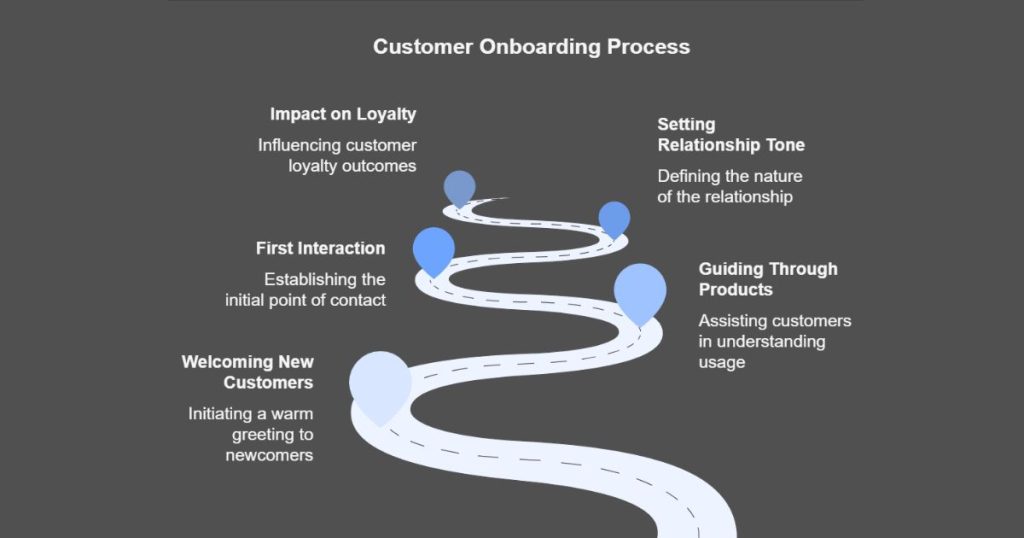
Stages Of Customer Onboarding
Customer onboarding is a crucial process for any business. It helps new customers understand and use your product or service effectively. The stages of customer onboarding are designed to guide customers from their first interaction to becoming loyal users.
Initial Engagement
Initial engagement is the first stage. It starts with the customer’s first interaction with your business. This could be through an advertisement, a website visit, or a social media post. The goal is to capture their interest and provide them with clear, concise information. This stage sets the tone for the entire onboarding experience.
Onboarding Process
The onboarding process is the next stage. It involves guiding the customer through the steps needed to start using your product or service. This might include setting up an account, completing a tutorial, or attending a welcome webinar. Clear instructions and support are essential here. The aim is to make the customer feel comfortable and confident.
Post-onboarding Support
The final stage is post-onboarding support. This ensures that the customer continues to have a positive experience. Regular check-ins, additional resources, and ongoing communication are key. This stage helps to address any issues and keeps the customer engaged with your product or service.
Creating A Customer Onboarding Plan
Creating a Customer Onboarding Plan is essential for guiding new clients through your services. A well-structured onboarding plan ensures customers understand your product and feel supported. This process builds trust and sets the stage for a long-term relationship. Below, we discuss key steps to create an effective onboarding plan.
Setting Clear Goals
First, identify the primary objectives of your onboarding process. Clear goals help measure success and guide your strategy. Consider what you want your customers to achieve in the first 30, 60, and 90 days.
| Timeframe | Objective |
|---|---|
| 30 Days | Understand basic features |
| 60 Days | Start using advanced features |
| 90 Days | Fully integrate into daily operations |
Set realistic and achievable goals. This helps ensure a smooth onboarding process.
Defining Success Metrics
Next, establish metrics to evaluate the effectiveness of your onboarding plan. These metrics provide insights into areas needing improvement.
- Activation Rate: Percentage of users completing initial setup
- Feature Adoption: Frequency of key feature usage
- Customer Retention: Number of customers staying past the onboarding phase
- Customer Satisfaction: Feedback scores from new users
Track these metrics regularly. Adjust your plan based on the data you gather.
Personalizing The Onboarding Experience
Personalizing the onboarding experience can make a significant difference. It helps in building trust and understanding customer needs better. A personalized approach can lead to higher satisfaction and retention rates.
Understanding Customer Needs
First, you need to understand what your customers want. This involves gathering information about their preferences and pain points. Surveys, feedback forms, and initial consultations can be helpful. Knowing their needs allows you to tailor the onboarding process.
Customizing Communication
Communication is key to a successful onboarding experience. Customize your messages based on the customer’s profile. Use their preferred communication channels. Personalized emails, phone calls, or even chat messages can make a big difference. Make them feel valued and understood.
Effective Communication Strategies
Effective Communication Strategies are key to successful customer onboarding. Clear and consistent communication helps customers understand your product and feel valued. Below are some strategies to enhance your communication during the onboarding process.
Consistent Messaging
Ensure your messaging is consistent across all platforms. Customers should receive the same information whether they are on your website, reading an email, or talking to support. This builds trust and reduces confusion.
- Use a unified tone of voice.
- Keep your information up-to-date.
- Ensure all team members are on the same page.
Multi-channel Approach
Utilize multiple channels to reach your customers. Different people prefer different methods of communication. By using a multi-channel approach, you can cater to various preferences and ensure your message gets through.
| Channel | Benefits |
|---|---|
| Great for detailed information. | |
| Phone | Personal touch and immediate feedback. |
| Live Chat | Quick and convenient. |
Using multiple channels helps you connect with customers in their preferred way. This increases engagement and makes your onboarding more effective.
Tools And Technology
Customer onboarding is crucial for building strong relationships with new clients. Using the right tools and technology can streamline this process. These tools help ensure a smooth and efficient onboarding experience.
Onboarding Software
Onboarding software is essential for managing customer journeys. It helps track progress and ensures no steps are missed. Users can customize workflows to meet specific needs. This software also provides analytics to measure success. Understanding where customers face issues can improve the process.
Automation Benefits
Automation saves time and reduces manual work. Tasks like sending welcome emails can be automated. This ensures timely communication with new customers. Automated reminders help customers complete onboarding steps. It keeps them engaged and moving forward.
Automation also reduces human error. Consistent processes lead to better customer experiences. Happy customers are more likely to stay loyal. Investing in automation tools can lead to long-term success.
Measuring Onboarding Success
Measuring onboarding success is crucial for any business. It helps understand the effectiveness of your onboarding process. This ensures new customers have a smooth experience. Let’s explore key ways to measure onboarding success.
Customer Feedback
Customer feedback is a valuable tool. It provides insights into the onboarding experience. Ask new customers about their journey. Use surveys, interviews, or feedback forms. This helps identify pain points and areas for improvement. Positive feedback indicates a successful onboarding process. Negative feedback shows where changes are needed.
Analyzing Data
Analyzing data is essential to measure onboarding success. Track key metrics such as user engagement and retention rates. Monitor how often new customers use your product. Look at their first actions within the platform. High engagement means the onboarding process is effective. Low engagement suggests the need for improvements. This data helps refine and enhance the onboarding process.
Common Onboarding Challenges
Customer onboarding is a crucial part of the customer experience. It sets the tone for the relationship between the customer and your business. Yet, many businesses face common onboarding challenges. These challenges can impact customer retention and satisfaction. Let’s dive into some of these challenges and how to address them.
Overcoming Obstacles
The first obstacle is complex processes. Long and complicated onboarding can frustrate customers. They may give up before they fully understand your product or service.
A simple solution is to simplify the onboarding steps. Break down the process into easy, manageable tasks. Use clear and concise instructions. Visual aids like videos or infographics can help.
Another common issue is lack of personalization. Customers want to feel valued and understood. Generic onboarding experiences can make them feel like just another number.
To address this, gather relevant customer data and personalize the onboarding experience. Tailor the content and communication to meet their specific needs.
Ensuring Continuous Improvement
Another challenge is the lack of feedback mechanisms. Without feedback, it’s hard to know what works and what doesn’t in your onboarding process.
Implement regular feedback loops. Ask customers for their thoughts at various stages of the onboarding process. Use surveys or quick feedback forms.
Lastly, keep the onboarding process updated. As your product or service evolves, so should your onboarding. Regularly review and update the onboarding materials to ensure they are relevant and effective.
By addressing these challenges, you can create a smoother onboarding experience. This can lead to higher customer satisfaction and loyalty.
Case Studies Of Successful Onboarding
Customer onboarding is a crucial step for any business. It sets the stage for a lasting relationship. Learning from successful onboarding strategies can be insightful. Here, we will explore case studies of successful onboarding experiences.
Real-world Examples
Consider the example of Slack. They provide a friendly and simple onboarding process. New users receive a series of helpful tips. These tips guide users through the app’s features. Slack’s onboarding helps users feel confident quickly.
Another example is Dropbox. They use a clean and easy-to-follow tutorial. New users learn how to use key features right away. This process makes users comfortable with the service fast. It also encourages them to explore more.
Lessons Learned
From these examples, we learn valuable lessons. First, simplicity is key. An easy-to-follow process helps users feel at ease. Second, guidance is important. Helpful tips and tutorials can make a big difference.
Another lesson is the importance of quick wins. Show users the value of your product early. This keeps them engaged and interested. These strategies can improve your customer onboarding experience significantly.
Frequently Asked Questions
What Is Customer Onboarding?
Customer onboarding is the process of guiding new customers to use your product or service effectively. It involves initial setup, training, and support to ensure customer satisfaction and retention.
Why Is Customer Onboarding Important?
Customer onboarding is crucial for customer retention and satisfaction. A smooth onboarding process helps customers understand your product, leading to higher engagement and loyalty.
How Long Does Customer Onboarding Take?
The duration of customer onboarding varies. It depends on the complexity of the product and the customer’s needs. Typically, it ranges from a few days to a few weeks.
What Are The Key Steps In Customer Onboarding?
Key steps in customer onboarding include welcoming the customer, product training, providing resources, and offering ongoing support. Each step ensures the customer feels confident using your product.
Conclusion
Customer onboarding is crucial for long-term business success. A smooth onboarding process enhances customer satisfaction. It builds strong relationships from the start. Happy customers are more likely to stay loyal. They may also refer others to your business. Investing in effective onboarding can boost your growth.
Make it a priority. Understand your customers’ needs. Guide them through every step. Clear communication is key. Provide support when needed. A great onboarding experience sets the tone. It ensures a positive journey ahead.