
Client onboarding is crucial for businesses. It ensures a smooth start for new clients.
A well-structured client onboarding template can make this process easy and efficient. When a new client joins, a streamlined onboarding process sets the tone for a successful partnership. It helps in building trust and understanding between the business and the client.
A client onboarding template organizes essential information, tasks, and steps. This template saves time and ensures no detail is missed. By using it, businesses can offer consistent experiences to every new client. This guide explains the importance of client onboarding and how templates can simplify the process. Ready to improve your client onboarding strategy? Read on to discover key elements of a great client onboarding template.
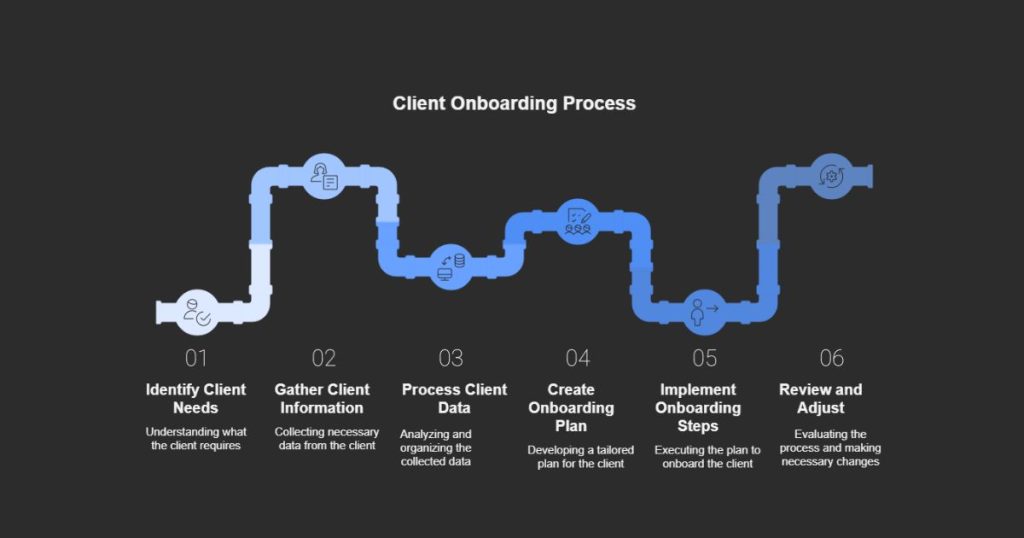
Introduction To Client Onboarding
Client onboarding is the process of welcoming new clients to your business. It sets the stage for your relationship and establishes trust. A well-structured onboarding process can lead to client satisfaction and retention.
Importance Of A Structured Process
A structured onboarding process ensures consistency. Each client receives the same high level of service. This builds trust. Clients feel valued and understood. They know what to expect. It reduces confusion and errors. Your team follows a clear plan. They know their responsibilities. This boosts efficiency.
A structured process also helps with tracking progress. You can measure how well you are serving clients. It highlights areas for improvement. This data is valuable. It helps you refine your process over time. You can make informed decisions. This leads to better outcomes for your clients.
Common Challenges
Onboarding new clients can be challenging. One common issue is miscommunication. Details can get lost. This leads to misunderstandings. It can damage trust. Clear communication is key. Use simple language. Confirm that clients understand.
Another challenge is managing expectations. Clients may have different ideas. They might expect immediate results. It is crucial to set realistic goals. Explain the process clearly. Let them know what to expect.
Time management is also a concern. Onboarding can be time-consuming. It requires attention to detail. A structured process helps. It saves time. It ensures nothing is missed.
Lastly, adapting to each client’s needs can be hard. Each client is unique. They have different preferences. A flexible approach is necessary. Customize your process as needed. This shows clients you care about their individual needs.
Pre-onboarding Preparation
A well-crafted client onboarding template ensures smooth pre-onboarding preparation. It organizes tasks and sets clear expectations for both parties.
When it comes to creating a seamless client onboarding experience, preparation is key. Pre-onboarding preparation sets the stage for a successful client relationship. It helps you establish trust and ensures you have all the necessary information to get started on the right foot.
Gathering Required Information
Start by collecting all the essential details from your new client. This includes contact information, business specifics, and project requirements.
You can use a simple form to gather this information efficiently. Ensure the form is easy to fill out and doesn’t overwhelm the client with too many questions.
Having all the necessary information upfront saves time and prevents miscommunication later. It also shows the client that you value their time and are prepared to get things moving smoothly.
Setting Clear Expectations
Clear expectations are the foundation of any strong client relationship. Outline what the client can expect from your services and what you will need from them.
Provide a timeline of the onboarding process and key milestones. This helps the client understand the journey ahead and reduces any anxiety about what comes next.
Be transparent about your availability and response times. Letting the client know when they can expect updates or answers to their questions fosters trust and sets a professional tone.
In my experience, a client once mentioned that having a clear roadmap from day one made them feel confident and excited about the project. It’s a small step that can make a big difference.
Remember, pre-onboarding preparation is not just about gathering information and setting expectations. It’s about creating a welcoming environment where the client feels informed and valued. This preparation lays the groundwork for a successful and smooth onboarding process.
Welcome Packet Essentials
Creating a comprehensive welcome packet is crucial for smooth client onboarding. It sets the tone and ensures clients feel valued and informed. In this section, we will explore the essentials of a welcome packet. Let’s dive into the key elements: Introduction Letter, Company Overview, and Key Contacts.
Introduction Letter
An introduction letter should warmly welcome the client. It should thank them for choosing your services. Mention the excitement of starting this new journey together. Keep the tone friendly and professional. Ensure the client feels appreciated and important.
Company Overview
The company overview provides a snapshot of your business. It should include a brief history and core values. Highlight your mission and vision. Explain what sets your company apart. This helps the client understand your brand better.
Key Contacts
List the key contacts who will assist the client. Include names, titles, and contact information. This ensures the client knows who to reach out to. It creates a sense of support and accessibility. Clearly define the roles of each contact person.
Initial Client Meeting
The initial client meeting is a critical step in the client onboarding process. It’s your chance to set the stage for a successful partnership. During this meeting, you will outline expectations, gather essential information, and build rapport.
Agenda Setting
Setting a clear agenda is key. It helps keep the meeting focused and ensures that both you and your client are on the same page.
Start by outlining the topics you will cover. This might include:
- Introductions
- Project overview
- Client goals
- Next steps
Sharing the agenda in advance can make your client feel more prepared and engaged. Have you ever been in a meeting where you didn’t know what to expect? It’s not a great feeling.
Information Exchange
This is the heart of the initial client meeting. You need to gather as much relevant information as possible. This will help you tailor your services to meet your client’s needs.
Ask open-ended questions to encourage your client to share details. For example, “Can you tell me more about your current challenges?” This approach can reveal valuable insights.
Take detailed notes. This not only shows that you are attentive but also provides a reference for future meetings. How do you ensure you capture all the important details?
By following these steps, your initial client meeting can set a positive tone for your ongoing relationship. It demonstrates your professionalism and commitment to understanding your client’s needs.
Client Documentation
A client onboarding template simplifies the process of gathering essential information from new clients. It ensures all necessary details are collected efficiently. This helps in providing better service and smooth communication.
Client documentation is a crucial part of the client onboarding process. It ensures that you have all the necessary information to serve your clients effectively. Proper documentation also sets clear expectations and protects both parties legally. Let’s dive into the key areas of client documentation.
Necessary Forms And Contracts
To start with, you need to gather all essential forms and contracts. This includes service agreements, confidentiality agreements, and any other legal documents relevant to your business. Make sure these forms are easy to understand and clearly outline the terms of your service.
Creating a checklist can help you keep track of what documents you need. You can also use online tools to streamline this process. Remember, the goal is to make it as seamless as possible for your clients.
Documentation Management
Managing client documentation can be a daunting task if not organized well. Use a digital document management system to store and manage all client information. This makes it easier to retrieve documents when needed and ensures they are secure.
Label and categorize documents for quick access. For example, you can have folders for contracts, forms, and client communications. This way, you can find what you need without wasting time.
Consider asking yourself: Is your documentation process as efficient as it could be? If not, it might be time to revisit and refine your system.
Internal Team Alignment
Internal team alignment is crucial during client onboarding. It ensures everyone understands their roles. A well-aligned team leads to better client experiences. It reduces errors and miscommunications.
Let’s dive into two essential steps for internal team alignment.
Assigning Responsibilities
Assigning responsibilities is the first step in team alignment. Each team member needs a clear role. This avoids confusion about who does what. It makes the process smoother and faster.
Start by listing all tasks. Then, match tasks to team members. Ensure everyone knows their duties. Clear roles increase efficiency and accountability.
Internal Briefings
Internal briefings are vital for team alignment. They keep everyone updated on client needs. Regular briefings ensure everyone is on the same page.
Briefings can be weekly or daily. Use them to share updates and address issues. Open communication is key. It helps resolve problems quickly.
Effective briefings foster teamwork. They enhance collaboration and understanding. Everyone works together towards a common goal.
Client Training And Support
Client training and support are crucial parts of the client onboarding process. These steps ensure clients understand your product and can use it effectively. Well-structured training sessions and support resources build client confidence and satisfaction.
Training Sessions
Training sessions help clients get familiar with your product. These sessions can be live or recorded. Live sessions allow clients to ask questions in real time. Recorded sessions provide flexibility for clients to learn at their own pace. Make sure each session covers key features and functionalities. Use simple language and clear examples. This helps clients grasp complex concepts easily.
Support Resources
Support resources are essential for ongoing client help. Provide a detailed FAQ section on your website. Include common questions and clear answers. Create step-by-step guides with visuals. These help clients understand processes better. Offer a support ticket system. This allows clients to report issues and get timely responses. Ensure your support team is responsive and helpful. This creates a positive client experience.
Feedback And Continuous Improvement
Feedback and continuous improvement play a crucial role in refining the client onboarding process. By gathering valuable insights from clients, businesses can enhance their onboarding experience. This iterative approach ensures that the process remains effective, user-friendly, and aligned with client needs.
Gathering Client Feedback
Collecting feedback from clients is essential for identifying areas of improvement. Use surveys, interviews, and feedback forms to gather insights. This helps understand client satisfaction and pain points. Ensure questions are simple and direct. This encourages honest responses. Analyze this data to spot trends and areas needing attention.
Process Refinement
Once feedback is collected, refine the onboarding process. Address the identified issues and implement improvements. Focus on areas causing confusion or delays. Simplify steps where clients struggled. Test these changes with new clients. Monitor their experiences to ensure improvements work effectively. Continuously update the onboarding template based on new feedback.
Technology Integration
Technology integration plays a vital role in client onboarding. It streamlines processes and enhances the overall experience. By leveraging the right tools, businesses can ensure a smooth transition for their clients. Below, we will discuss key aspects of utilizing onboarding software and the benefits of automation.
Utilizing Onboarding Software
Onboarding software simplifies the client onboarding process. It centralizes all necessary information. Clients can access everything they need in one place. This reduces confusion and increases efficiency. The software also tracks progress. It ensures that no step is missed. This way, clients feel confident and supported from the start.
Automation Benefits
Automation is a powerful tool in client onboarding. It reduces manual tasks. This saves time and minimizes errors. Automated reminders keep clients on track. It ensures timely completion of required steps. Automation also helps in data collection. It ensures accuracy and consistency. This leads to better decision-making and improved client satisfaction.
Frequently Asked Questions
How To Create An Onboarding Process For Clients?
Create an onboarding process by defining clear steps, setting expectations, providing resources, offering training, and maintaining communication.
What Are The 7 Steps Of Client Process Or Client Onboarding Process?
The 7 steps of the client onboarding process are: 1. Initial contact. 2. Client needs assessment. 3. Proposal presentation. 4. Contract signing. 5. Information gathering. 6. Project kickoff. 7. Follow-up and support.
What Is The Roadmap Of Client Onboarding?
The roadmap for client onboarding includes initial contact, needs assessment, proposal, contract signing, onboarding process, and ongoing support. This ensures a smooth transition and strong client relationship.
What Is An Onboarding Checklist?
An onboarding checklist is a tool used to guide new employees through their first days at work. It ensures they complete essential tasks and understand company policies. This checklist helps streamline the onboarding process, ensuring nothing is overlooked.
Conclusion
A strong client onboarding template boosts satisfaction and loyalty. It streamlines processes, saves time, and reduces errors. Clear steps and communication are key. Tailor the template to fit your needs. Regular updates ensure relevance. Happy clients lead to repeat business.
Start building relationships from day one. Invest in a good template. Your efforts will pay off.