
Customer onboarding is crucial for business success. A good template can help streamline this process.
Customer onboarding templates provide a structured approach to welcoming new clients. They ensure that each step is clear and consistent. This helps in building strong relationships from the start. With a well-designed template, businesses can save time and reduce errors.
A smooth onboarding process can lead to higher customer satisfaction and retention rates. In this post, we will explore the essentials of creating an effective customer onboarding template. You will learn how to set clear expectations, provide valuable resources, and ensure seamless communication. Let’s dive into how you can enhance your onboarding process with the right template.
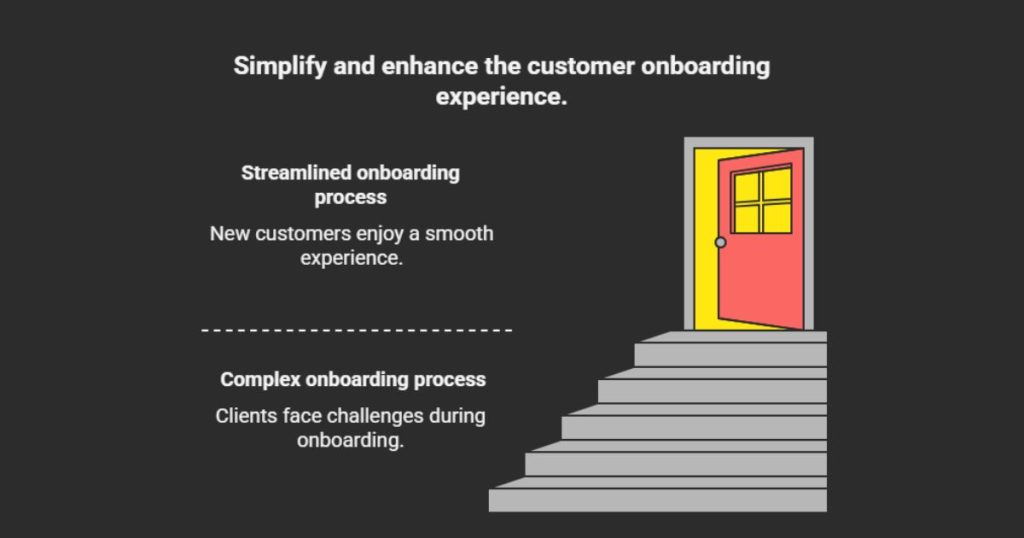
Introduction To Customer Onboarding
Customer onboarding is a crucial step in building long-term relationships with your clients. It sets the tone for future interactions and helps new customers understand your product or service. A well-crafted onboarding process can significantly improve customer satisfaction and retention rates.
Importance Of Onboarding
Have you ever felt lost when starting with a new product? Proper onboarding can prevent this. It ensures customers know how to use your product effectively. This leads to higher satisfaction and fewer support requests.
Think about it: if customers are happy and confident using your product, they’re more likely to stick around. Onboarding helps with this. It’s the first step in turning a one-time buyer into a loyal customer.
First Impressions Matter
Your first interaction with a customer can make or break their experience. Imagine trying a new app and struggling to find basic functions. Frustrating, right? First impressions are powerful and lasting.
An onboarding template can help you make a great first impression. It guides new users smoothly through the setup process. This can be the difference between a satisfied customer and one who leaves out of frustration.
Consider this: what impression do you want to leave on your new customers? A well-structured onboarding process shows that you care about their experience. It builds trust and sets the foundation for a positive relationship.
How can you improve your customer onboarding? Start by thinking about what your customers need to know first. Make it simple and engaging. Use clear instructions and helpful tips. This way, you set them up for success from the very beginning.
Creating A Seamless Onboarding Process
A well-crafted customer onboarding template helps ensure new users have a smooth start. It provides clear, step-by-step guidance. This approach improves user satisfaction and retention.
Creating a seamless onboarding process is crucial for retaining new customers. A well-structured onboarding template ensures users feel confident and supported. It also helps them understand the value of your product or service. Let’s dive into the steps needed to create this smooth onboarding experience.
Steps To Get Started
Begin by mapping out the onboarding journey. Identify key touchpoints from signup to first success. Define clear goals for each stage. Create simple, easy-to-follow instructions. Use visuals where possible. Short videos or infographics can be very helpful. Personalize the experience to make users feel valued. Welcome emails should address them by name. Provide quick wins early on to build confidence. Make sure to ask for feedback to improve the process.
Tools And Resources
Several tools can help streamline the onboarding process. Customer relationship management (CRM) software is essential. It helps track user interactions and progress. Use email marketing platforms to automate messages. These can include welcome emails and tutorials. Project management tools like Trello or Asana can help organize tasks. Web analytics tools are also important. They track user behavior and identify drop-off points. Consider using in-app guidance tools. They offer real-time help and tutorials. Lastly, maintain a comprehensive FAQ section. This can address common questions and issues.
Creating a seamless onboarding process involves planning, personalization, and the right tools. Follow these steps and use the resources mentioned to ensure a smooth experience for your users. This will help in retaining customers and building lasting relationships.
Personalizing The Client Journey
Personalizing the client journey is essential in creating a memorable onboarding experience. When you tailor the process, you make clients feel valued and understood. This can lead to increased satisfaction and loyalty.
Customization Techniques
Customization can be simple yet powerful. Use the client’s name in communications. Personalize emails by referencing specific details about their business or needs. This shows that you pay attention and care.
Create custom training materials. Tailor them to the client’s industry or specific use cases. This makes the onboarding process more relevant and useful.
During my time working with a tech startup, we personalized our training videos. We included real examples from their daily operations. The feedback was phenomenal. Clients felt the content was directly applicable to their work.
Client Segmentation
Segmenting clients helps you personalize their journey even further. Group clients based on their industry, size, or specific needs. This allows you to tailor your approach to each segment.
For instance, a small business may need more hands-on guidance. Meanwhile, a larger company might prefer a more self-service approach. By understanding these differences, you can provide the right level of support.
Consider using a CRM to manage your client segments. It can help you keep track of their preferences and tailor your interactions accordingly. Have you ever wondered how much more efficient your onboarding process could be with proper segmentation?
By personalizing the client journey, you not only improve the onboarding experience but also build a stronger relationship from the start. Tailoring your approach shows clients they are more than just another account. They are valued partners in your business journey.
Key Elements Of A Successful Onboarding Template
Creating a successful customer onboarding template can greatly improve the customer experience. It helps new users understand your product or service quickly. A well-structured onboarding process can increase customer retention and satisfaction. Let’s explore the key elements of a successful onboarding template.
Essential Components
Your onboarding template should have clear and concise instructions. This ensures new customers know what to do at each step. Include a welcome message to make them feel valued. Provide an overview of your product features. Break down the process into small, manageable tasks. Use checklists to help customers track their progress. This reduces the risk of overwhelm.
Offer resources like FAQs, tutorials, and contact details for support. This prepares customers for any challenges they might face. Remember to collect feedback during the onboarding process. This helps you improve the experience for future users.
Best Practices
Personalize the onboarding experience whenever possible. Use the customer’s name and tailor the content to their needs. This creates a more engaging and relevant experience. Make sure to communicate regularly. Keep users informed about their progress and next steps. This builds trust and keeps them motivated.
Test different onboarding methods to see what works best. Use data and feedback to make continuous improvements. Keep the onboarding process simple and user-friendly. Avoid technical jargon and complicated instructions. This ensures that everyone, regardless of their tech skills, can follow along.
Automating The Onboarding Process
Customer onboarding can be a complex process. However, automating this process can transform it into a seamless and efficient experience. Let’s explore how automation can benefit your onboarding and the software solutions available to help you achieve this.
Benefits Of Automation
Automation streamlines the onboarding process, saving time and reducing manual errors. Imagine having a tool that sends personalized welcome emails, assigns tasks, and follows up with new customers—all on its own. This not only enhances the customer experience but also frees up your team’s time for more strategic tasks.
Automated onboarding can also provide consistent and standardized experiences for all new customers. This ensures that every customer receives the same quality of service, regardless of who is handling the onboarding process. Consistency builds trust and improves customer satisfaction.
Another significant benefit is scalability. As your business grows, onboarding more customers manually becomes challenging. Automation allows you to scale your onboarding process effortlessly. This means you can handle an increasing number of new customers without compromising on quality.
Software Solutions
There are various software solutions designed to automate the onboarding process. One popular option is Customer Relationship Management (CRM) software. CRMs like Salesforce and HubSpot offer automation features that can manage customer data, track progress, and automate communication.
Another useful tool is onboarding-specific software such as Userpilot or Appcues. These platforms are designed to create interactive onboarding experiences directly within your product. They help guide new users through key features and functionalities, ensuring they get the most out of your product right from the start.
Project management tools like Trello and Asana can also be leveraged for onboarding automation. These tools can automate task assignments and deadlines, ensuring that every step of the onboarding process is tracked and completed on time. This keeps your team organized and on track.
Have you ever thought about how much time and effort your team spends on repetitive onboarding tasks? Automating these tasks can significantly reduce this burden. So, why not explore these software solutions and see which one fits your needs best?
Tracking And Measuring Success
Tracking and measuring success in customer onboarding is crucial for ensuring your new customers are satisfied and fully integrated into your product or service. This process helps you understand what’s working and what needs improvement. Let’s dive into some key aspects that will help you monitor and enhance your onboarding efforts.
Kpis To Monitor
Key Performance Indicators (KPIs) are essential for tracking the effectiveness of your onboarding process. Start with user activation rate—how many new users complete the initial steps of onboarding? This gives you a clear picture of engagement.
Customer retention rate is another critical KPI. Are your new customers sticking around after the onboarding period? High retention rates often indicate a successful onboarding experience.
Don’t forget about customer satisfaction scores. Use surveys to gauge how happy your new users are with the onboarding process. Their feedback can offer valuable insights for improvement.
Feedback And Improvement
Collecting feedback is not just about knowing what went wrong. It’s about understanding what went right too. Ask your new customers specific questions about their onboarding experience.
Analyze this feedback to identify patterns. Are there recurring issues or praises? Use these patterns to make data-driven decisions for future improvements.
Regularly updating your onboarding template based on feedback ensures it remains effective. This iterative process helps you stay aligned with customer needs and expectations.
Have you ever thought about how your onboarding process impacts your overall business goals? Tracking these metrics and continuously improving your template can lead to higher customer satisfaction and retention.
Common Onboarding Challenges
Customer onboarding is a vital process for any business. It sets the stage for the customer’s journey. Unfortunately, many businesses face common onboarding challenges. These challenges can impact the customer’s experience and retention. Let’s dive into some of these challenges and explore ways to overcome them.
Identifying Roadblocks
One major challenge is identifying roadblocks. These can occur at any stage of the onboarding process. Confusing instructions, technical issues, or lack of clear guidance are common hurdles. Customers may feel overwhelmed or frustrated. They might even abandon the onboarding process.
Another roadblock is inconsistent communication. Customers need timely and accurate information. Miscommunication can lead to confusion and mistrust. It’s crucial to keep the lines of communication open and clear.
Solutions And Strategies
To address these roadblocks, create a detailed onboarding plan. A step-by-step guide helps customers know what to expect. Clear instructions and easy-to-follow steps make a big difference.
Use visual aids like videos and infographics. They simplify complex information. Visual content is often easier for customers to understand. It can make the onboarding experience smoother.
Additionally, provide a dedicated support team. Ensure they are available to assist customers. Quick and helpful responses can resolve issues before they become major problems.
Regular feedback is also essential. Ask customers about their onboarding experience. Use their insights to improve the process. Continuous improvement is key to successful onboarding.
Case Studies And Examples
Case studies and examples are powerful tools to understand how customer onboarding templates work in real-life scenarios. They provide practical insights and showcase successful strategies. Let’s dive into some inspiring stories and the lessons we’ve learned along the way.
Successful Onboarding Stories
Imagine you’re launching a new product. Your first 100 customers are crucial. You want to make a strong first impression.
Take the example of a SaaS company that created a simple, step-by-step onboarding template. They included a welcome email, a guided tour of the software, and a follow-up call after one week. This approach led to a 30% increase in customer retention in just three months.
Another case is a fitness app that personalized its onboarding process. New users were asked about their fitness goals and received customized workout plans. This resulted in a 50% rise in user engagement.
These stories show that a well-crafted onboarding template can significantly impact your business. Have you considered how your onboarding process could be improved?
Lessons Learned
From these examples, we learn that simplicity is key. Customers appreciate clear, easy-to-follow steps.
Personalization also stands out. Tailoring the onboarding experience to individual needs can greatly enhance user satisfaction.
Follow-up is crucial. Regular check-ins, whether through emails or calls, help maintain customer interest and address any issues promptly.
Reflect on your own onboarding process. Are there areas where you can simplify, personalize, or follow up more effectively? These small changes can lead to significant improvements in customer experience.
Future Trends In Customer Onboarding
Customer onboarding is evolving rapidly, driven by advancements in technology and changing customer expectations. Staying ahead of these trends is essential for businesses aiming to deliver an exceptional onboarding experience. In this section, we’ll explore future trends in customer onboarding and how you can prepare for these changes.
Innovations To Watch
One trend to watch is the use of artificial intelligence (AI) in onboarding processes. AI can personalize the onboarding experience, making it more efficient and engaging. Imagine a chatbot guiding new users through your platform, answering questions in real-time.
Another innovation is the integration of virtual reality (VR). VR can offer immersive onboarding experiences, especially useful for complex products. For instance, a VR tour can help new users understand intricate features without feeling overwhelmed.
Automation is also transforming onboarding. Automated workflows can streamline tasks, reducing the burden on your team and ensuring consistency. Tools that automate email follow-ups and task reminders can enhance the onboarding experience.
Preparing For Change
Adapting to these future trends requires a proactive approach. Start by assessing your current onboarding process. Identify areas where technology can enhance efficiency and engagement.
Invest in training your team to use new tools and technologies. Staying updated with the latest advancements will keep your onboarding process competitive. Encourage a culture of continuous learning within your organization.
Engage with your customers to understand their evolving needs. Gather feedback regularly and use it to refine your onboarding process. Staying customer-centric ensures that your onboarding experience remains relevant and effective.
Are you ready to embrace these trends in your customer onboarding process? What steps will you take to prepare for the future? Share your thoughts in the comments below and let’s start a conversation!
Frequently Asked Questions
How To Create A Customer Onboarding Process?
Create a customer onboarding process by defining clear steps, setting expectations, providing training, and gathering feedback. Use personalized communication and support to ensure satisfaction.
What Are The 7 Steps Of Client Process Or Client Onboarding Process?
The 7 steps of client onboarding are: initial contact, needs assessment, proposal, agreement, onboarding, implementation, and follow-up. Each step ensures a smooth transition and effective service delivery.
What Are The Steps In Consumer Onboarding?
Consumer onboarding steps include registration, verification, account setup, personalized welcome, and user training. This process ensures smooth integration and enhances customer experience.
What Is The Roadmap Of Client Onboarding?
The client onboarding roadmap includes gathering client information, setting up accounts, conducting orientation, and providing training and support.
Conclusion
A strong customer onboarding template boosts client satisfaction. It sets clear expectations. It ensures smooth transitions. It builds trust from the start. Use it to enhance your process. Happy customers lead to repeat business. Invest time in perfecting your template.
Your business will benefit greatly.