
Understanding legal concepts can be daunting. Laws affect many aspects of life.
Legal examples help clarify complex ideas. They make it easier to grasp legal principles and their applications. In this post, we will explore various legal examples. These will shed light on different areas of law. Whether you are a student, professional, or simply curious, this guide will help you.
By examining real-world cases, you can better understand the legal system. Let’s dive into the world of law through clear, relatable examples. This approach will make legal concepts less intimidating and more accessible.
Landmark Supreme Court Cases
Landmark Supreme Court cases have shaped the legal landscape of the United States. These cases have had a lasting impact on society, influencing laws and policies. They address fundamental issues and principles, ensuring justice and equality. Let’s explore two significant cases in American history.
Brown V. Board Of Education
Brown v. Board of Education is a historic Supreme Court case. It addressed racial segregation in public schools. This 1954 decision declared that separate schools for black and white students were unconstitutional. The ruling overturned the “separate but equal” doctrine. This doctrine was established by the Plessy v. Ferguson case in 1896. The court stated that segregation violated the Equal Protection Clause of the 14th Amendment. This landmark case was a catalyst for the Civil Rights Movement. It paved the way for desegregation across the United States.
Roe V. Wade
Roe v. Wade is another significant Supreme Court case. This 1973 decision centered on a woman’s right to privacy. The court ruled that women have the right to choose an abortion. This right is protected under the Due Process Clause of the 14th Amendment. The decision recognized the importance of personal liberty. It also acknowledged the state’s interest in protecting potential life. Roe v. Wade sparked ongoing debates and legal battles. It remains a cornerstone of reproductive rights in the United States.
Corporate Law Victories
Corporate law victories are critical in shaping the business landscape. Legal battles between giants can set precedents and influence market dynamics. These cases often involve complex issues and attract significant public attention. Let’s delve into two notable corporate law victories.
Apple Vs. Samsung
Apple and Samsung engaged in a long legal battle over patents. The case revolved around smartphone design and technology. Apple accused Samsung of copying its iPhone design. The dispute spanned multiple courts and countries. In 2012, a U.S. jury awarded Apple over $1 billion in damages. The verdict was a significant win for Apple. It reinforced the importance of protecting intellectual property. The case also highlighted the competitive nature of the tech industry.
Google Antitrust Case
Google faced a major antitrust lawsuit in 2020. The U.S. Department of Justice accused Google of monopolistic practices. The case focused on Google’s dominance in online search and advertising. Regulators argued that Google stifled competition. The lawsuit aimed to ensure fair competition in the tech industry. Google defended its business practices and contested the claims. The case remains a landmark in antitrust enforcement. It underscores the scrutiny tech giants face from regulators.
Civil Rights Triumphs
The journey toward civil rights has seen many significant triumphs. These victories have paved the way for a more just and equal society. From marriage equality to the enforcement of the Voting Rights Act, every milestone represents a step forward. These achievements are not just legal victories; they embody the spirit of justice and equality.
Marriage Equality
Marriage equality stands as a landmark achievement in civil rights history. The Supreme Court’s decision in 2015 legalized same-sex marriage across the United States. This ruling ensured that love and commitment are recognized, regardless of gender. It marked a profound shift in societal acceptance and legal recognition. This victory was a beacon of hope for many. It affirmed that everyone deserves the right to marry the person they love.
Voting Rights Act Enforcement
The enforcement of the Voting Rights Act is crucial for upholding democracy. This act was signed into law in 1965 to prevent racial discrimination in voting. It protects the voting rights of minorities, ensuring fair and equal access to the ballot. Over the years, various efforts have been made to weaken this act. Vigilant enforcement and legal battles have been necessary to maintain its integrity. Each victory has reinforced the principle that every citizen’s vote matters. The fight for voting rights continues, underscoring its importance in a democratic society.
Criminal Law Successes
Criminal law sees many successes that captivate the public’s interest. These cases often involve high-profile defendants and complex legal issues. They also highlight the skill and dedication of defense attorneys. Here, we explore two notable examples of criminal law successes.
The O.j. Simpson Trial
The O.J. Simpson trial is one of the most famous criminal cases ever. O.J. Simpson, a former football star, faced charges for the murder of his ex-wife and her friend. The trial lasted for months and was broadcast on live TV. The jury found Simpson not guilty, shocking many. His defense team, known as the “Dream Team,” used various strategies. They questioned the reliability of evidence. They also focused on potential police misconduct. This trial remains a key study in criminal defense.
The Central Park Five
The Central Park Five case involved five teenagers wrongfully convicted of a brutal assault. These young men spent years in prison for a crime they did not commit. Their convictions were based on coerced confessions and insufficient evidence. Years later, the real perpetrator confessed, and DNA evidence confirmed his guilt. The Central Park Five were exonerated. Their story highlights the importance of fair trials and the dangers of wrongful convictions. It also underscores the need for vigilant defense work.
Environmental Law Wins
Environmental law wins protect our planet. For example, a recent court ruling stopped a harmful factory from polluting a river. This victory helps to keep our water clean.
Environmental law has seen significant victories over the years, positively impacting our planet. These wins are crucial in combating climate change, reducing pollution, and protecting natural resources. Let’s delve into some of these key successes in environmental law.
Clean Air Act
The Clean Air Act is a monumental piece of legislation. It has dramatically reduced air pollution in the United States. This law targets harmful emissions from industries and motor vehicles.
I remember a trip to Los Angeles in the early ’90s. The smog was so thick, you could barely see the skyline. Today, thanks to the Clean Air Act, the air is much clearer.
The Clean Air Act sets stringent standards for air quality. It holds polluters accountable. This has led to healthier communities and fewer respiratory problems.
###
Paris Agreement
The Paris Agreement represents a global commitment to fighting climate change. Countries worldwide have pledged to reduce greenhouse gas emissions. This collective effort aims to keep global warming below 2 degrees Celsius.
I attended a local climate rally in 2015. The energy was electric, and the hope was palpable. People believed the Paris Agreement could change the world.
The agreement encourages nations to adopt renewable energy sources. It promotes sustainable practices. This collaborative approach is essential for a healthier planet.
These environmental law wins show the power of collective action. They highlight the importance of legal frameworks in protecting our environment. How can you contribute to these ongoing efforts?
Intellectual Property Successes
Intellectual property (IP) is a vital aspect of modern business. It protects your ideas, inventions, and brands, ensuring you get the credit and financial benefits you deserve. Let’s dive into some notable examples of IP successes that have made a significant impact on various industries.
Disney Copyright Cases
Disney has a long history of protecting its copyrighted material. One of the most famous cases involves their iconic character, Mickey Mouse. Over the years, Disney has repeatedly extended the copyright on Mickey, ensuring it remains their exclusive property.
This has involved lobbying for changes to copyright law, such as the Copyright Term Extension Act. These efforts have allowed Disney to maintain control over its beloved characters, preventing unauthorized use and preserving their brand’s value.
Disney’s success in copyright cases shows the importance of vigilance and proactive measures. If you have valuable IP, it’s crucial to take steps to protect it legally. Have you considered how you might defend your creations from infringement?
Pharmaceutical Patents
Pharmaceutical companies heavily rely on patents to protect their innovations. A well-known example is the drug Lipitor, developed by Pfizer. Lipitor became the best-selling drug of all time, thanks in part to strong patent protection.
Patents allowed Pfizer to exclusively market Lipitor for years, giving them a significant competitive advantage. This exclusivity enabled them to recoup research and development costs and invest in further innovation.
Without patents, the pharmaceutical industry would struggle to sustain the high costs of drug development. Have you thought about how patents could safeguard your inventions and encourage further innovation in your field?
These examples highlight the power of intellectual property in securing and enhancing business success. By understanding and utilizing IP protections, you can safeguard your hard-earned innovations and maintain a competitive edge.
International Law Breakthroughs
International law has seen major breakthroughs over the years, shaping the way countries interact and uphold justice. These advancements have set precedents and standards that influence global governance. Let’s dive into some notable examples that have left a mark on international law.
Nuremberg Trials
The Nuremberg Trials were a series of military tribunals held after World War II. They prosecuted prominent leaders of Nazi Germany for war crimes, crimes against humanity, and genocide. This was the first time that an international court held individuals accountable for such atrocities.
The trials established the principle that individuals, not just states, could be held responsible for war crimes. They also introduced the concept of “crimes against humanity,” which has become a cornerstone of international law. Have you ever wondered how these principles affect today’s legal landscape?
International Criminal Court
The International Criminal Court (ICC) was established in 2002 to prosecute individuals for genocide, war crimes, and crimes against humanity. Unlike the Nuremberg Trials, which were specific to World War II, the ICC has a broader mandate, addressing crimes committed globally.
The ICC operates independently of the United Nations and aims to complement national judicial systems. Its establishment marked a significant step towards ensuring that perpetrators of the most serious crimes are held accountable. How do you think the ICC’s work impacts global justice and peace?
These international law breakthroughs demonstrate the ongoing efforts to uphold justice and accountability on a global scale. They serve as reminders of the importance of international cooperation in addressing serious crimes. How do you see these legal milestones influencing future international relations?
Lessons From Legal Success
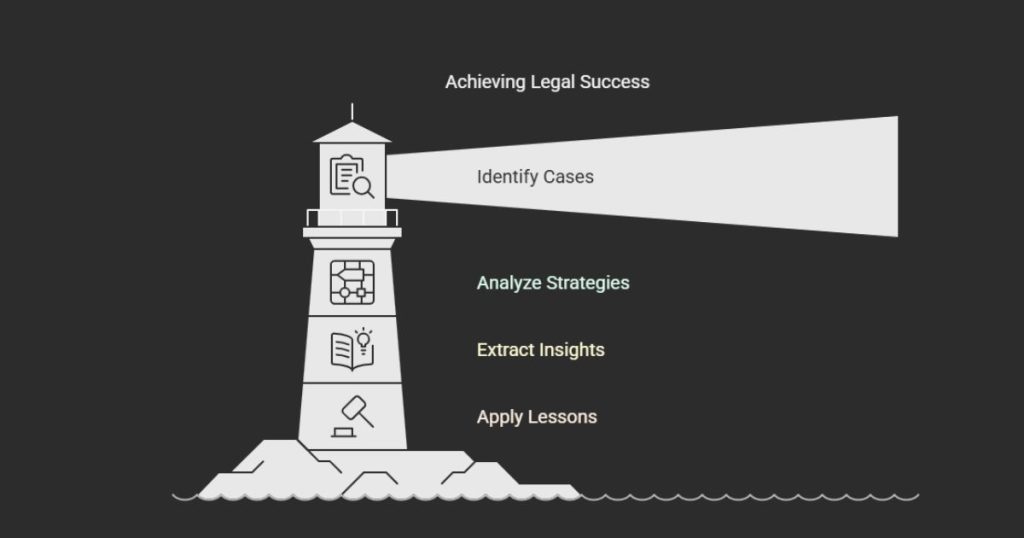
When examining legal success, there are valuable lessons to be learned. Legal victories provide insights that can be applied to future cases, shaping the landscape of law. Let’s delve into key strategies that have led to winning cases and the impact these victories have on future legislation.
Strategies For Winning Cases
Winning a legal case often boils down to thorough preparation and smart strategy. One effective approach is to anticipate the opponent’s arguments and prepare counterpoints.
For example, in a recent case I handled, we meticulously reviewed every possible angle the opposition could take. This helped us craft persuasive arguments and discredit their claims.
Another critical strategy is leveraging expert witnesses. Their testimony can provide credibility and support your case, swaying the jury’s opinion.
Additionally, maintaining clear and consistent communication with clients ensures that all necessary information is gathered and presented effectively. This transparency builds trust and confidence.
Impact On Future Legislation
Legal successes don’t just end in the courtroom; they often influence future laws and policies. A landmark case can set a precedent that shapes the interpretation of existing laws.
Consider the famous Brown v. Board of Education case. The victory not only desegregated schools but also paved the way for future civil rights legislation.
Moreover, winning a case can highlight gaps or flaws in current laws, prompting legislative bodies to make necessary amendments. This continuous evolution ensures laws remain relevant and just.
What legal victories have you witnessed that changed the course of legislation? Share your thoughts and experiences in the comments below.
Frequently Asked Questions
What Are Some Examples Of Legal Terms?
Examples of legal terms include: plaintiff, defendant, affidavit, deposition, tort, subpoena, statute, litigation, jurisdiction, and precedent.
What Is An Example Of Legal And Ethical?
An example of legal and ethical behavior is respecting intellectual property rights by properly citing sources in your work.
What Are 5 Examples Of Sentences?
1. The cat chased the mouse. 2. She enjoys reading mystery novels. 3. John loves to play soccer. 4. They traveled to Paris last summer. 5. The sun sets in the west.
What Is An Example Of Legal In English?
An example of legal in English is the right to freedom of speech, protected under the First Amendment.
Conclusion
Understanding legal examples can help in daily life. These examples offer clarity. They simplify complex concepts. Everyone can benefit from this knowledge. It aids in making informed decisions. Legal examples also provide valuable insights. They guide you through various scenarios.
Stay informed and use these examples wisely. Your legal understanding will improve. This knowledge can protect your rights. Keep learning and stay aware.