
Privacy is essential. It protects our personal information and maintains our freedom.
In today’s digital age, privacy is more critical than ever. Every action online leaves a trace. These traces can be used for good or bad purposes. When privacy is compromised, our personal and financial information can be at risk. This can lead to identity theft, fraud, and even harassment.
Moreover, privacy ensures that our opinions and choices remain our own. Without it, we could face undue influence or pressure. Understanding the importance of privacy helps us take the necessary steps to protect it. In this blog post, we will explore the reasons why privacy matters and how it impacts our daily lives. Stay tuned to learn more about safeguarding your personal space.
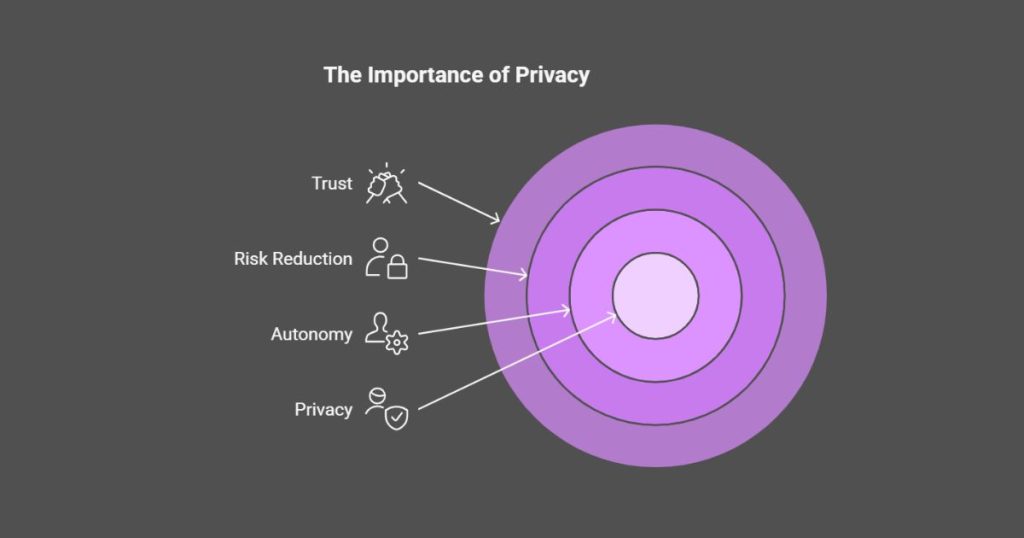
Introduction To Privacy
Privacy is a fundamental human right. It is essential in today’s digital age. Everyone deserves to have their personal space and information protected.
Importance Of Privacy
Privacy safeguards our personal data. It prevents misuse of our information. This helps maintain our dignity and freedom. Without privacy, we can lose control over our lives.
Companies collect data for various purposes. They use it for marketing, improving services, or even selling it. If not protected, this data can be exploited. It can lead to identity theft, fraud, and other malicious acts.
Evolution Of Privacy
In the past, privacy was easier to maintain. People lived in smaller communities with less technology. There were fewer ways to access personal information.
Today, the digital world has changed this. With social media, smartphones, and online services, privacy risks have increased. Our information is now stored in vast databases. It is shared across multiple platforms.
Privacy laws and regulations have evolved. They aim to protect individuals. These laws help ensure companies handle data responsibly. They provide guidelines on collecting, storing, and sharing information.
Understanding privacy’s importance is crucial. It helps us take measures to protect ourselves. We can use privacy settings, be mindful of what we share, and stay informed about our rights.
Types Of Personal Information
Personal information is any data that can identify or describe an individual. It is crucial to understand the types of personal information. This helps protect our privacy and maintain our security. Let’s explore the different types of personal information.
Identifiable Information
Identifiable information refers to data that can directly identify a person. This includes names, addresses, phone numbers, and email addresses. It also involves social security numbers, driver’s license numbers, and passport information. Hackers can misuse this data to steal identities. Therefore, it is vital to keep identifiable information secure.
Sensitive Data
Sensitive data involves information that reveals intimate details about a person. This includes medical records, financial information, and biometric data. It also covers personal opinions, beliefs, and private communications. Misuse of sensitive data can cause significant harm. For instance, it can lead to discrimination or financial loss. Hence, protecting sensitive data is essential for maintaining privacy.
Risks Of Privacy Breaches
Privacy helps protect personal information from misuse. Risks of privacy breaches include identity theft and financial loss. Safeguarding privacy ensures security and trust.
Privacy breaches can expose you to significant risks. These breaches can lead to severe consequences such as identity theft and financial fraud. Understanding these risks helps you protect yourself better.
Identity Theft
Identity theft occurs when someone steals your personal information. They might use your name, social security number, or other details to impersonate you.
Imagine waking up to find your bank account drained. A thief could have used your stolen identity to access your funds. This can leave you feeling violated and helpless.
Preventing identity theft means safeguarding your personal information. Avoid sharing sensitive details online or with untrusted sources.
Financial Fraud
Financial fraud is another serious risk. Thieves can use your stolen data to commit fraud, such as opening credit accounts in your name.
A friend of mine once had her credit ruined by a fraudster. They took out loans and never paid them back. She spent months clearing her name and restoring her credit score.
To protect yourself, monitor your financial statements regularly. Be alert for any suspicious activity. If you notice anything unusual, report it immediately.
Have you ever wondered what you would do if faced with these situations? Reflecting on these risks can help you take proactive steps to secure your privacy.
Privacy In The Digital Age
In today’s world, our lives are intertwined with the digital realm. We rely on the internet for almost everything, from shopping to socializing. However, this convenience comes at a cost. Our personal information is constantly at risk. Understanding the importance of privacy in the digital age is crucial for protecting your identity and personal data.
Online Tracking
Have you ever wondered why ads seem to follow you around the internet? This is due to online tracking. Websites and apps track your activity to serve targeted ads. They collect data like your search history, location, and even the time you spend on a page. This may seem harmless, but it can lead to a significant invasion of your privacy.
Consider using browser extensions or privacy-focused search engines. They can help you minimize tracking. Also, review the privacy settings on your devices regularly. These simple steps can make a big difference in protecting your online privacy.
Social Media Risks
Social media is a double-edged sword. It’s great for staying connected, but it can also expose you to privacy risks. Sharing too much information can make you vulnerable to identity theft or cyberbullying. Even seemingly harmless posts can be used against you.
Think before you post. Ask yourself if it’s something you’d be comfortable sharing with strangers. Adjust your privacy settings to control who sees your posts. Remember, once something is online, it’s hard to take it back.
Privacy in the digital age is not just about avoiding inconvenience. It’s about protecting your digital footprint. Being mindful of online tracking and social media risks can help you maintain control over your personal information. So, take action now. Your future self will thank you.
Legal Protections For Privacy
Privacy is vital to protect personal information from misuse. Legal protections ensure individuals can control their data and maintain their rights. These safeguards help prevent unauthorized access and maintain trust.
Privacy is a fundamental human right that has become increasingly important in our digital age. With the rise of technology and data collection, legal protections for privacy are essential to safeguard individuals’ personal information. These protections ensure that your data is handled responsibly and that you have control over your personal information.
Data Protection Laws
Data protection laws are designed to regulate how personal information is collected, stored, and used. These laws vary by country but share common goals.
For instance, the General Data Protection Regulation (GDPR) in the European Union sets strict guidelines for businesses. It requires them to get consent before collecting personal data and to notify users in case of a data breach.
In the United States, the California Consumer Privacy Act (CCPA) gives residents more control over their personal data. It allows them to know what information is being collected and to request its deletion.
Rights Of Individuals
As an individual, you have specific rights under data protection laws. These rights empower you to manage your personal information better.
One key right is the right to access. This allows you to request a copy of the data a company has about you. Knowing what data is collected can help you make informed decisions about your online activities.
Another important right is the right to be forgotten. If you no longer want a company to have your data, you can request its deletion. This can be crucial in protecting your privacy and reducing your digital footprint.
How often do you think about who has access to your personal information? Understanding your rights and the laws that protect them can help you take control of your privacy.
Protecting Your Personal Information
Protecting your personal information is crucial in today’s digital age. Your data can be used to steal your identity, commit fraud, or invade your privacy. Ensuring your information remains safe means taking some essential steps.
Strong Passwords
Creating strong passwords is one of the first lines of defense. Avoid using common passwords like “password123” or “123456”. Instead, use a mix of letters, numbers, and symbols. Each account should have a unique password. This makes it harder for hackers to access multiple accounts.
Secure Connections
Always use secure connections when browsing or accessing personal information online. Public Wi-Fi networks can be risky. They can expose your data to hackers. Use a Virtual Private Network (VPN) to protect your connection. Look for “https” in the URL. This indicates a secure website. Avoid entering personal information on sites without this security.
Role Of Companies In Privacy
In today’s digital age, companies play a crucial role in protecting user privacy. With vast amounts of personal data collected daily, the responsibility to safeguard this information rests heavily on their shoulders. Ensuring privacy not only builds trust but also protects users from potential harm.
Data Collection Policies
Companies must create clear data collection policies. These policies should explain what data is collected, how it’s used, and who has access to it. Transparent policies help users understand what they agree to. This builds trust and ensures compliance with legal standards.
User Consent
User consent is vital. Companies must seek clear and informed consent before collecting data. Users should know what they are agreeing to. This includes the purpose of data collection and how it will be used. Clear consent processes respect user autonomy and enhance trust.
Future Of Privacy
Privacy matters to protect personal information from misuse. It helps maintain trust and security in digital interactions. People feel safer when their data is kept confidential.
Privacy is a topic that is becoming increasingly significant as we venture further into the digital age. The future of privacy is an area of keen interest and speculation, driven by the rapid advancement of technology and evolving global trends. How will emerging technologies and international trends shape our approach to privacy in the coming years?
Emerging Technologies
Emerging technologies like artificial intelligence, blockchain, and the Internet of Things (IoT) are reshaping our understanding of privacy. AI can analyze vast amounts of data, making it easier to track and predict human behavior. This power, if not regulated, can be invasive.
Blockchain offers a decentralized way to handle information, enhancing security but also presenting new privacy challenges. How do we balance the transparency of blockchain with individual privacy rights?
The IoT connects everything from your fridge to your car, collecting data constantly. This data can improve our lives but also exposes us to privacy risks. Are we ready to handle the implications of this constant connectivity?
Global Privacy Trends
Globally, privacy regulations are becoming stricter. Laws like the GDPR in Europe and the CCPA in California are setting high standards for data protection. These regulations force companies to be more transparent about how they use personal data.
However, privacy standards vary widely across the world. In some countries, there is less emphasis on individual privacy, leading to potential exploitation of personal data. As a global citizen, are you aware of how your data is protected (or not) in different regions?
There is also a growing public awareness about privacy issues. More people are using tools like VPNs and encrypted messaging apps to protect their privacy. This shift indicates a collective move towards taking control of personal data. Are you part of this movement?
Privacy is not just a buzzword; it’s a fundamental right that needs protection. As we look to the future, it’s crucial to stay informed and proactive about how our privacy is managed. What steps are you taking to safeguard your personal information?
Frequently Asked Questions
Why Does Your Privacy Matter?
Your privacy matters because it protects your personal information from misuse. It ensures your security, freedom, and trust online. Maintaining privacy helps prevent identity theft and data breaches.
Why Do People Value Their Personal Privacy?
People value personal privacy to protect their sensitive information. Privacy ensures security, freedom, and control over personal data.
When And Why Privacy Would Be Important To You?
Privacy is crucial to protect personal information, maintain security, and ensure freedom. It helps prevent identity theft and unauthorized access to sensitive data.
Why Is Privacy Important In A Free Society?
Privacy is vital in a free society to protect individual rights, freedom, and personal autonomy. It prevents misuse of personal information and ensures confidentiality.
Conclusion
Protecting privacy is essential in our digital age. Personal information must stay safe. Privacy helps maintain trust and security. Without it, risks increase. Identity theft, fraud, and misuse of data can occur. Guard your information. Choose secure passwords. Be cautious online.
Stay informed about privacy practices. Remember, your privacy matters.